Guide at a Glance
- It’s All About the Water: Breaking Down Temperature Myths
- Beyond Comfort: The Other Reasons You’ll Want a Wetsuit
- Choosing Your Armor: Wetsuit Types & Thickness Guide
- Your Galapagos Snorkeling Packing List (Beyond the Wetsuit)
- Answering Your Burning Questions (The FAQ)
- The Final Word: Making Your Decision
That question, “Do I need a wetsuit to snorkel in the Galapagos?”, is probably why you’re here. You’ve seen the pictures – crystal clear water, sea lions twirling, penguins darting past – and you’re dreaming of jumping in. But then you hear whispers about cold currents and chilly water. Suddenly, packing feels complicated.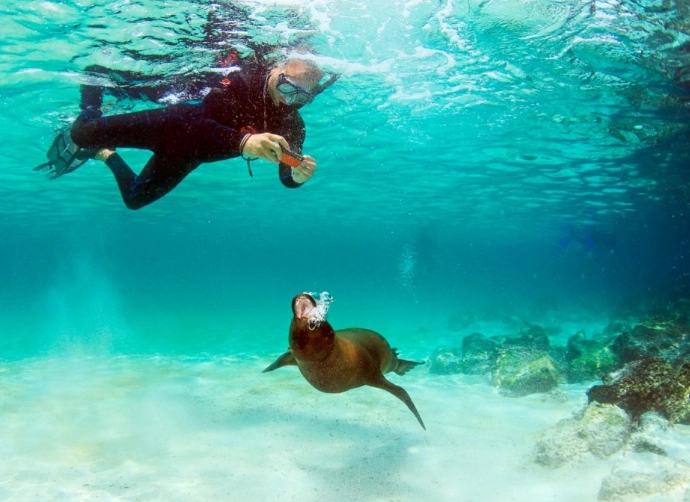
Let me cut to the chase. For probably 90% of visitors, for most of the year, the answer is a solid yes. You’ll want one. But it’s not just a simple yes or no. It’s a “yes, and here’s exactly why, what kind, and when you might get away without it.” That’s what we’re going to unpack.
I’ve been there, floating in that famous water, shivering a bit in just a swimsuit, and then feeling utterly blissful in a wetsuit later. The difference isn’t just about comfort; it’s about how long you can stay in the water to enjoy those once-in-a-lifetime moments. A sea turtle isn’t going to hurry up because your lips are turning blue.
The Core Issue: The Galapagos Islands are smack on the equator, so you’d think it’s bathwater warm, right? Not quite. The secret – and the challenge – is the ocean currents. The cold Humboldt Current from Antarctica sweeps up the west coast of South America and slams into the islands, especially from June to December. This nutrient-rich soup is what makes the marine life so spectacularly abundant, but it also chills the water significantly. It’s a classic trade-off.
It’s All About the Water: Breaking Down Temperature Myths
Forget guessing. Let’s talk real numbers. The Galapagos water temperature isn’t constant. It swings with the seasons in a way that directly answers “Do I need a wetsuit to snorkel in the Galapagos?”.
The islands have two main seasons, defined more by ocean currents than rainfall on land:
- The Warm/Wet Season (roughly December to May): This is when the Panama Current, warmer tropical water, has more influence. Surface water temperatures are at their highest. You’ll see averages quoted between 70°F to 80°F (21°C to 27°C). Sounds lovely, doesn’t it?
- The Cool/Dry Season (roughly June to November): The mighty Humboldt Current takes over. This is when things get bracing. Temperatures can drop to between 65°F to 75°F (18°C to 24°C). That 65°F (18°C) feels a lot colder than it looks on paper when you’re bobbing in the open ocean.
But here’s the kicker – and most generic guides miss this. It’s not just about the month on the calendar. It’s about where in the archipelago you are. The western islands (like Isabela and Fernandina) are almost always cooler, deeper, and richer in marine life because they get the full force of the deep, cold upwelling. The central and eastern islands can be a touch warmer.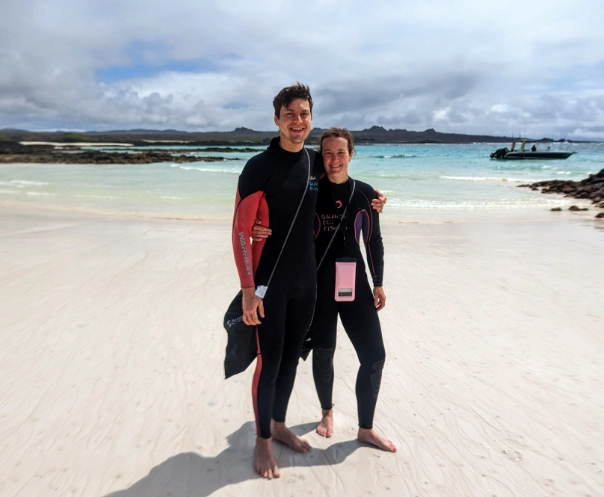
| Season (Approx.) | Avg. Water Temp | Predominant Current | "Feel" & Wetsuit Necessity |
|---|---|---|---|
| Dec - May | 70°F - 80°F (21°C - 27°C) | Panama (Warm) | Warm Season. Many find a 2-3mm shorty or light full suit perfect. Some hardy souls might skip it on very warm, shallow sites. |
| Jun - Nov | 65°F - 75°F (18°C - 24°C) | Humboldt (Cold) | Cool Season. A 3mm to 5mm full wetsuit is highly recommended. For most, it’s non-negotiable for comfort beyond a quick dip. |
I snorkeled in late November, a transitional period. One day at a sheltered eastern site, the water felt fine. The next day at Punta Vicente Roca (Isabela), it was shockingly cold. I lasted about 8 minutes without my suit before I had to get out. My travel companion, who “runs hot,” was visibly uncomfortable. We both put on our 3mm suits for the next site and stayed in for over 45 minutes, completely focused on the marine iguanas feeding underwater instead of our own chattering teeth.
That’s the real answer. It’s about extending your joy.
Beyond Comfort: The Other Reasons You’ll Want a Wetsuit
Okay, so warmth is the big one. But if you’re still on the fence about bringing or renting one, consider these other huge benefits that directly impact your experience.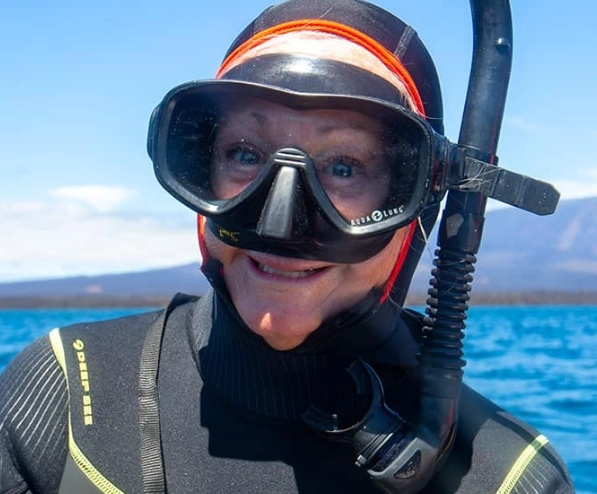
Sun and Scrape Protection
The equatorial sun is no joke. Even with reef-safe sunscreen (which you absolutely must use), your back will be exposed for hours. A wetsuit is a full-body UPF 50+ sunblock. It also protects you from accidental scrapes on rocky entries or exits, or from brushing against barnacle-encrusted rocks near shore. Trust me, a small scrape that gets soaked in salt water multiple times a day is a nuisance you don’t need.
Buoyancy and Energy Savings
This is a subtle game-changer. The neoprene provides natural buoyancy. You float more easily. This means you expend less energy just staying afloat and can use all that energy for swimming, diving down to get a closer look at a reef, or finning against a mild current. You get less tired, which means you can enjoy more snorkels per day.
My own “aha” moment was watching a sea lion pup play. It would zoom past, loop around, and stare at me. In just a swimsuit, I was treading water, focused on not sinking. In the wetsuit, I was effortlessly buoyant, able to twist and turn to follow the action without thinking. It felt like I was part of the dance, not just a spectator struggling to stay upright.
The Wildlife Factor
This is the big one for me. The best encounters often happen when you can be still. A sea turtle grazing on algae, a penguin perched on an underwater rock, a school of eagle rays gliding by – they aren’t on a schedule. If you’re shivering and moving constantly to generate heat, you’re more likely to spook them or simply not have the patience to wait for the magic to happen. Comfort equals stillness. Stillness equals better wildlife encounters.
So, do I need a wetsuit to snorkel in the Galapagos? For maximizing your time with the wildlife, it’s a critical tool, not just clothing.
Choosing Your Armor: Wetsuit Types & Thickness Guide
Alright, you’re convinced. Now, what kind? Let’s demystify the options. The main choice is between a “shorty” (short arms and legs) and a “full suit.”
Quick Tip: When in doubt, go for a full suit. The core of your body (torso) loses heat fastest, but your arms and legs contribute significantly to overall comfort and heat retention. A full 3mm suit is the most versatile choice for the Galapagos.
- The Full Wetsuit (3mm): The gold standard for Galapagos snorkeling. It offers complete coverage and warmth. A 3mm thickness is ideal for the warm season and acceptable for many in the cool season. If you feel the cold easily, you might want a 5mm for June-November.
- The Shorty Wetsuit (2-3mm): Exposes your arms from the bicep down and your legs from the mid-thigh down. Perfect for the warmest days in the warm season, or if you genuinely don’t get cold easily. I’d be cautious relying solely on this for the cool season or western island sites.
- The Dive Skin/Rash Guard: This is a thin (0.5-1mm) Lycra or nylon suit. It’s fantastic for sun and scrape protection but provides almost no thermal insulation. It’s not a substitute for a wetsuit for warmth, but some people layer it under a shorty for extra core warmth or wear it alone on the absolute hottest days.
What about renting vs. bringing your own?
Renting: Most live-aboard boats and many day-tour operators in Puerto Ayora (Santa Cruz) or Puerto Baquerizo Moreno (San Cristobal) offer wetsuit rentals. It’s convenient and saves luggage space. The downside? Fit is hit-or-miss. A poorly fitting wetsuit (too loose lets water flush in and out, cooling you; too tight is restrictive) can ruin the benefit. Hygiene can also be a question mark, though most operators rinse them well.
Bringing Your Own: This is my personal preference. You get a perfect fit, you know its history, and you have it for every snorkel without extra cost. It’s a bit of a luggage commitment, but a wetsuit rolls up pretty tight. If you snorkel or dive regularly, it’s worth it.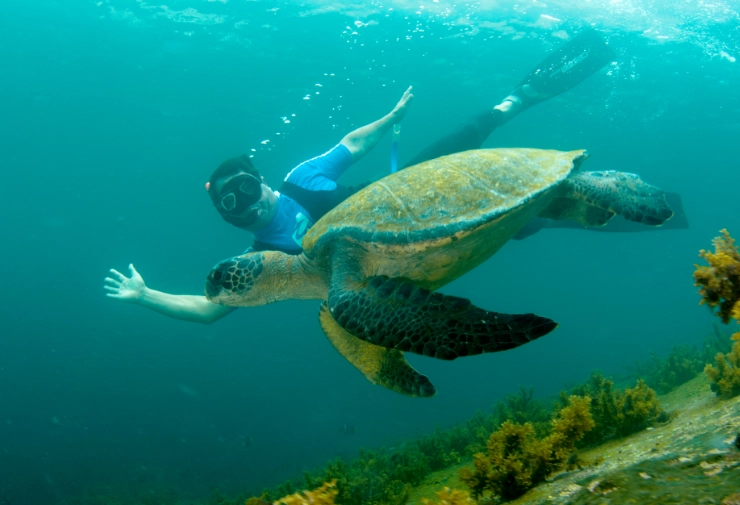
Your Galapagos Snorkeling Packing List (Beyond the Wetsuit)
Focusing only on the wetsuit question is like bringing a car with no wheels. Here’s what else you need to make your snorkeling incredible.
The Non-Negotiables:
- Mask, Snorkel, Fins: Many tours provide these, but the fit is often mediocre. A leaky mask ruins everything. If you’re serious about snorkeling, bring your own well-fitting mask. Travel fins are a game-changer. Defogger or good old spit is essential.
- Reef-Safe Sunscreen: This is a law in some parts of the Galapagos and an ethical imperative everywhere. Chemicals in regular sunscreen harm coral and other marine life. Look for mineral-based (zinc oxide, titanium dioxide) formulas that are “reef-safe” and biodegradable. Apply it before putting on your wetsuit to ensure it’s fully absorbed.
- Surface Marker Buoy (Safety Sausage) & Whistle: For ocean snorkels, especially from a dinghy, a small inflatable SMB makes you highly visible to your boat captain. A whistle attached to your snorkel is a simple, effective safety device. Many good tour operators provide these, but check.
The “You’ll Thank Me Later” Items:
- Anti-Chafe Balm: Neoprene rubbing on your neck, especially after multiple days in salt water, can cause a painful rash. A product like Body Glide or Vaseline around the neck seal prevents this.
- Dry Bag: For keeping your towel, camera, and dry clothes safe on the dinghy ride to the site.
- Reusable Water Bottle: Snorkeling is dehydrating. Have water ready for right after you get out.
- Waterproof Camera or Case: Obviously. GoPros are ubiquitous for a reason.
Answering Your Burning Questions (The FAQ)
The Final Word: Making Your Decision
Look, the question “Do I need a wetsuit to snorkel in the Galapagos?” is practical, but it’s really asking something deeper: “How can I make this experience the best it can be?”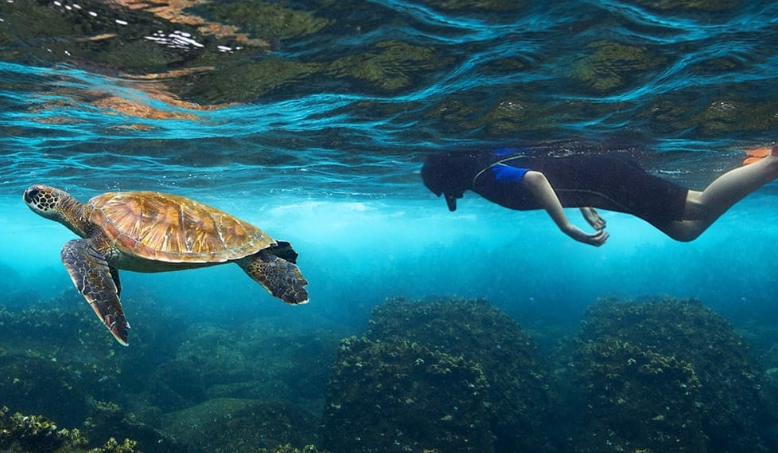
Think of the wetsuit not as an optional extra, but as essential gear, like hiking boots for a mountain trek. It’s the thing that lets you focus on what you came for – the jaw-dropping, unparalleled spectacle of life under the waves in one of the planet’s most special places.
My final, no-nonsense advice?
Pack or plan to rent a 3mm full wetsuit. If you visit during the cool season (June-November) or know you’re sensitive to cold, lean towards a 5mm. You will not regret having it. The only regret I’ve ever heard from fellow travelers is not having one when they needed it.
The water might be cooler than you expect, but the memories you’ll make – floating effortlessly alongside a curious sea lion, hovering over a bustling reef, watching a marine iguana swim with prehistoric grace – will be warm for a lifetime. Be comfortable. Be protected. Stay in the water longer. See more. That’s the whole point.
Now go check that wetsuit for fit and start counting down the days.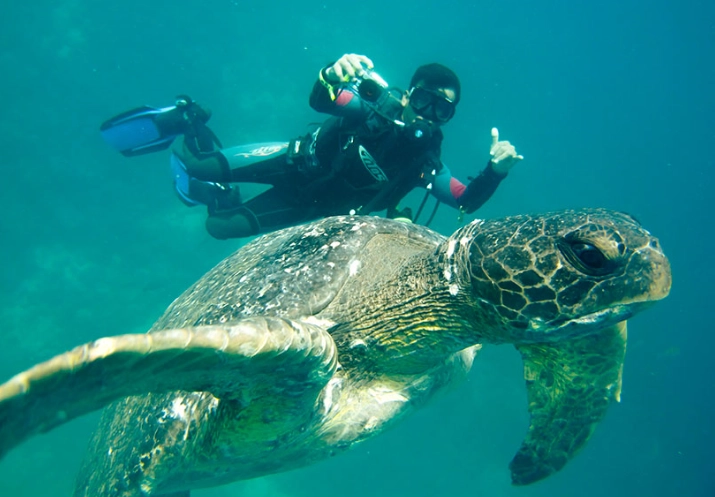
Reader Comments