Quick Navigation
You've got your mask, your snorkel, maybe a cute rash guard. You're ready to see some fish. But then you stop and think – wait, when is the actual best time to go snorkeling? Is it summer? Should I avoid the rainy season? What if the water's murky?
I've asked myself that same question a dozen times before trips. I've also had trips where I picked the wrong week entirely – the water looked like pea soup, or the current was so strong I spent more time fighting it than looking at coral. Not fun, and a waste of a good vacation day.
So let's break it down, not with some generic "go in summer" advice, but by looking at what actually makes a snorkeling trip great. Because what's the best time to go snorkeling for you depends on a mix of things: where you are, what you want to see, and honestly, how much you hate being cold.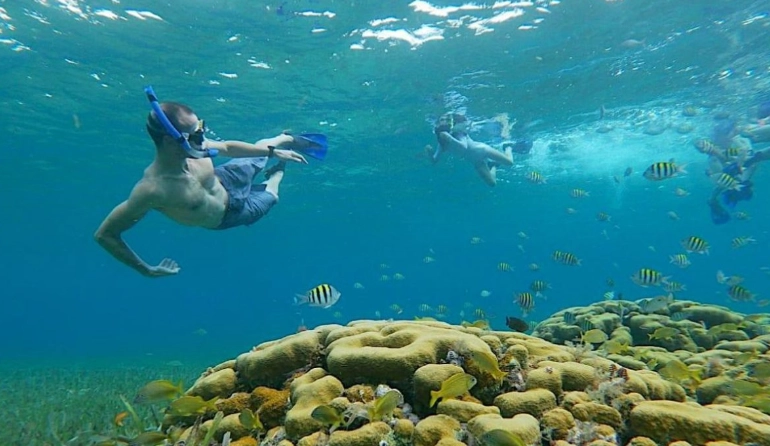
Forget Just the Calendar – What Makes Snorkeling *Good*?
Before we talk months and seasons, let's talk conditions. These are the real factors that answer what's the best time to go snorkeling.
Water Visibility: The King of All Factors
This is the big one. You can have warm, calm water, but if you can't see more than five feet in front of you, what's the point? Visibility is how far you can see horizontally in the water. Great visibility (60+ feet) feels like flying. Poor visibility (under 20 feet) feels like a letdown.
What kills visibility?
- Rain and Runoff: Heavy rain washes dirt, sediment, and nutrients from the land into the ocean. This is the #1 visibility killer for coastal areas. So, the dry season is almost always your friend.
- Wind and Waves: Strong winds churn up the water, stirring sand and silt from the bottom. Calm conditions usually mean clearer water.
- Algal Blooms: Sometimes an influx of nutrients can cause tiny algae to multiply, turning the water greenish. Less common, but it happens.
I remember snorkeling in Thailand once right after a big storm. The guide said it was "fine," but it was like swimming in weak tea. We saw blurry shapes. My friend swore she saw a turtle, but it might have been a rock. Lesson learned.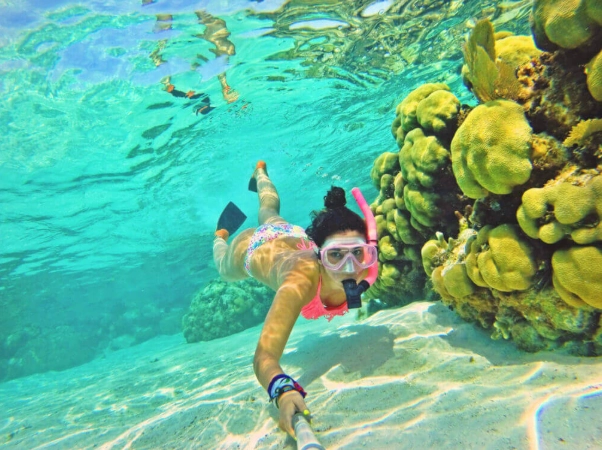
Water Temperature: Are You a Wimp or a Warrior?
This is personal. Some people jump into 72°F (22°C) water and call it refreshing. I call it cold. For most comfortable snorkeling without a wetsuit, you want water temps above 78°F (25°C). Below that, you'll start getting chilly after 30-40 minutes, and a thin wetsuit or rash guard becomes a really good idea.
Tropical areas stay warm year-round. But in subtropical places (think parts of Florida, South Africa, Australia's southern reefs), the water can get surprisingly chilly in their winter.
Marine Life Activity: What Do You Want to See?
Timing your trip around marine life can be a game-changer.
- Coral Spawning: This is a spectacular, if somewhat unpredictable, event where corals release eggs and sperm into the water en masse, usually a few nights after a full moon. Timing varies by region (often late spring/summer in the Caribbean, autumn on the Great Barrier Reef). It's not guaranteed for a tourist, but if you hit it, it's magical.
- Whale Shark Season: Places like Mexico's Isla Holbox, the Philippines, or Western Australia have specific months when these gentle giants are most commonly seen.
- Manta Ray Seasons: In Hawaii (Kona) or Indonesia, mantas visit cleaning stations more predictably during certain months.
- Turtle Nesting/Hatching: If you want to see turtles on land or tiny hatchlings scrambling to the sea, you need to be there during nesting season (often summer).
So, ask yourself: are you just happy seeing pretty fish and coral, or do you want a chance at a big-ticket animal? That changes what's the best time to go snorkeling for YOU.
Crowds and Weather Above Water
Don't forget you have to exist outside the water too. The "best" snorkeling weather (dry, sunny, calm) often coincides with peak tourist season. That means higher prices, more people on the reef, and booked-up tours.
The shoulder seasons—the weeks just before or after peak season—can be a sweet spot. You might risk a brief afternoon shower, but you'll have more space and better deals. I'll take that trade-off most days.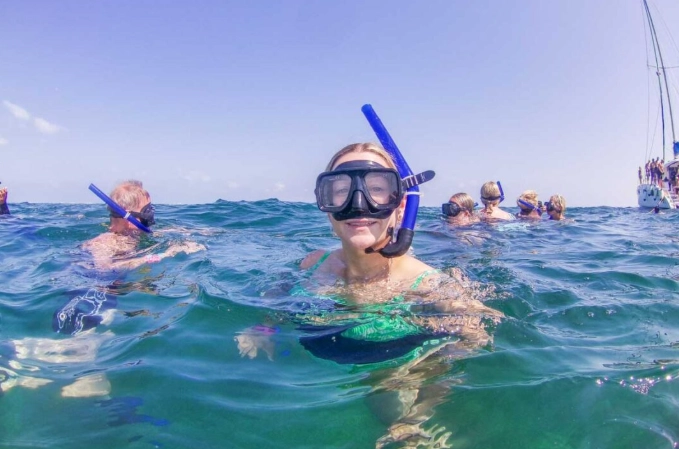
Breaking It Down By Season & Month
Okay, let's get more concrete. Here’s a general seasonal guide. Remember, the Southern Hemisphere seasons are flipped!
| Season | Typical Conditions | Pros | Cons | Best For... |
|---|---|---|---|---|
| Dry Season / Summer (Tropics) | Sunny, minimal rain, calm seas, high visibility. | Predictably great conditions, warm water, best visibility. | Peak crowds, peak prices, sometimes hotter air temps. | First-timers, photographers, anyone who wants guaranteed good conditions. |
| Wet Season / Winter (Tropics) | More frequent rain, potential for storms, variable visibility. | Fewer crowds, lower prices, lush green landscapes. | Risk of poor vis after rain, chance of canceled trips due to weather. | Budget travelers, those flexible with plans, areas less affected by runoff (e.g., atolls). |
| Shoulder Seasons (Spring/Fall) | Transitional weather. Can be excellent or unpredictable. | Good balance of decent weather and smaller crowds. Often pleasant air temps. | A bit of a gamble. Not the absolute best vis, but rarely the worst. | Travelers who like good value and can handle a bit of variability. |
For example, asking "what's the best time to go snorkeling in the Caribbean?" The textbook answer is their dry season, roughly December to April. But go in December and the water might still be warming up from the "cool" 78°F. Go in late April, you might catch the tail end of great weather before the summer rains, with fewer people. It's a nuance thing.
A Regional Snapshot: When to Hit the Hotspots
Let's get specific. This is where we really answer the question for different parts of the world.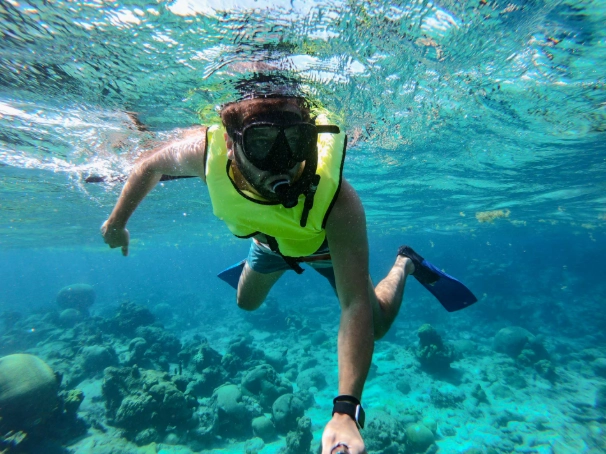
The Caribbean & Bahamas
Prime Time: December to May. This is the dry season. Expect sunshine, calm waters ("Christmas Winds" can pick up in Dec/Jan, mostly affecting sailing), and fantastic visibility. Water temps are pleasant (low 80s F / high 20s C by spring).
Shoulder/Consider: Late November, early June. You might get a better deal and still have great weather.
Variable Time: June to November. Hurricane season. Risk of storms is highest Aug-Oct. However, summer water is bathtub-warm, and if you monitor forecasts closely, you can find great conditions between weather systems. Islands like Aruba, Bonaire, and Curacao (the "ABC Islands") lie outside the main hurricane belt and are more reliable year-round.
For detailed, official weather and ocean forecasts for this region, the US National Oceanic and Atmospheric Administration (NOAA) website is an indispensable resource for planning.
Hawaii
Prime Time: Summer (May to September). The water is calmest on all shores, especially the popular south and west sides (like Waikiki, Kona). Visibility is top-notch. North shore summer swell is minimal, allowing access to spots that are dangerous in winter.
Shoulder/Consider: April, October. Still very good conditions with slightly fewer people.
Winter (October to April): This is when the north shore gets its famous big waves, making snorkeling there treacherous. However, the south and west shores remain relatively protected and are still excellent for snorkeling. Water is a few degrees cooler, but still very swimmable (mid-70s F). Winter is also the season for humpback whales, which you can often hear while snorkeling!
The Great Barrier Reef & Tropical Australia
Prime Time: June to October. This is the Australian winter/dry season. Skies are clear, rainfall is low (minimizing runoff), humidity drops, and the water visibility is at its peak. The water is still warm (low to mid 70s F / 23-25°C). Stinger season (potentially dangerous jellyfish) is also over by June in most areas.
Shoulder/Consider: May, November. A good balance.
Wet Season (December to April): Hot, humid, and rainy. This is stinger season, so swimming often requires wearing a "stinger suit." Visibility can be reduced due to rain and plankton blooms. However, it's also coral spawning season (usually around November full moon) and the water is very warm.
For conservation-focused guidelines and best practices on the Reef, the Great Barrier Reef Marine Park Authority website is the official source for responsible tourism information.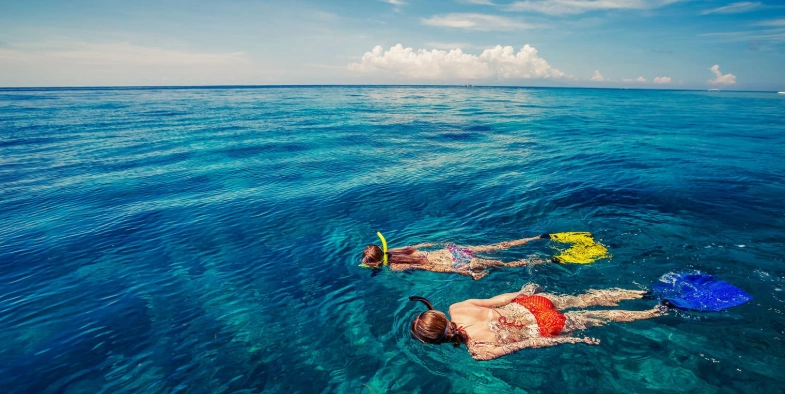
Southeast Asia (Thailand, Philippines, Indonesia, Malaysia)
This is trickier because of monsoon patterns. There's almost always a good place to snorkel, but you have to pick the right coast.
General Rule: The west coast (Andaman Sea) has its best weather from November to April (dry, sunny). The east coast (Gulf of Thailand, South China Sea) often has better weather from May to October.
For example:
- Phuket, Thailand (Andaman Sea): Best Nov-Apr. Wet season May-Oct can see rough seas and many boat trips canceled.
- Koh Samui, Thailand (Gulf): Best May-Oct. Wettest Nov-Jan.
- Bali & Komodo, Indonesia: Dry season is April to September. July & August are peak, busy, but glorious. Rainy season (Oct-Mar) can still offer good snorkeling days between showers.
Research your specific island's weather pattern, not just the country's.
See how what's the best time to go snorkeling shifts completely depending on which ocean you're facing? That's the key.
The Time of Day Matters Too
You've picked the right month. Now, pick the right time of day.
- Late Morning to Early Afternoon (10 am - 2 pm): This is when the sun is highest in the sky. Its light penetrates the water column most directly, illuminating the reef and reducing shadows. Colors pop, visibility feels best. This is the classic, optimal snorkeling window.
- Early Morning: Water is often at its calmest. The light is softer, which can be great for photography without harsh shadows. Fewer people. A wonderful, peaceful time to be on the water.
- Late Afternoon: Can be nice, but the sun angle gets lower. Some spots might fall into shadow. Wind can sometimes pick up in the afternoon.
Answering Your Burning Questions (The FAQ We All Need)
Is snorkeling better at high tide or low tide?
Usually, high tide is better. Why? More water over the reef means you're less likely to accidentally kick or touch coral (please don't touch coral!). The incoming tide often brings clearer ocean water. At low tide, some coral heads may be too close to the surface, and water can be murkier if it's stirred up. However, for very shallow, lagoon-like areas, a rising tide can be perfect as it brings in cool, clear water.
Can I snorkel in the rain?
Light rain, yes. It's actually kind of cool to hear the pitter-patter on the surface while you're underwater. But heavy rain is a no-go. It kills visibility fast, can make the sea choppy, and often comes with lightning, which is a major danger. If you see a dark cloud coming and hear thunder, get out.
Do I need a wetsuit for snorkeling?
In tropical waters (80°F/27°C+), you can usually go without. But a rash guard or a 1-2mm "skin" or shorty is still highly recommended for sun protection alone. A full-day snorkel trip can give you a terrible back sunburn through the water. In cooler waters (below 78°F/25°C), a 3mm wetsuit will make your experience infinitely more enjoyable by letting you stay in longer.
What about wind? How much is too much?
Check the forecast for wind speed and direction. Winds under 10 knots are ideal. 10-15 knots starts to get choppy, especially in open water. Over 15-20 knots, it's likely to be unpleasant, waves will kick up sand, and many tour operators will cancel for safety and comfort. A sheltered cove or leeward side of an island might still be okay in moderate winds.
Putting It All Together: Your Personal Snorkeling Calendar Check
So, how do you actually decide? Here’s your action plan:
- Pick Your Dream Spot: Where do you really want to go?
- Research Its TWO Seasons: Don't just read "dry vs. wet." Look up average monthly rainfall, water temperature charts, and prevailing wind patterns. Tourism boards often have this data.
- Cross-Reference with Your Priorities: Match the spot's best visibility season (usually dry) with your budget, crowd tolerance, and desired marine life events.
- Check the Shoulder Months: Look at the month just before and after "prime" season. This is often the secret sauce.
- Book for Flexibility: If you can, give yourself a few days on location. Weather is fickle. If day one is windy or murky, you have day two or three as a backup.
- Talk to Local Operators: Once you've narrowed it down, email a few well-reviewed local snorkel shops. Ask them directly: "I'm thinking of coming in [Month]. What have conditions typically been like the last few years?" They are the true experts.
Understanding what's the best time to go snorkeling is less about finding one perfect universal answer and more about learning the language of the ocean—reading its seasons, its tides, its moods. It turns a guessing game into an informed choice.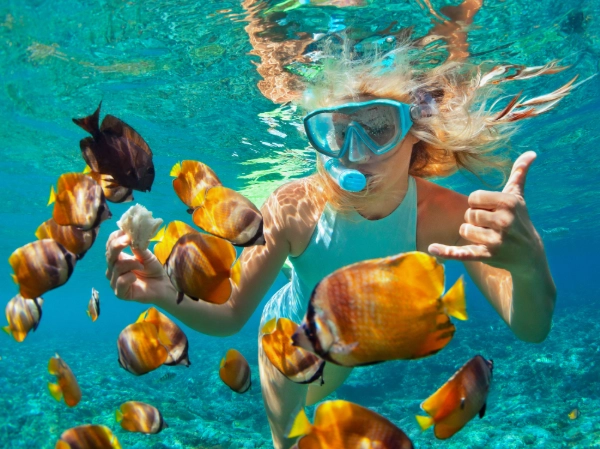
And that informed choice is what leads you to those perfect days. The days where you float weightlessly in crystal-clear, bath-warm water, with a garden of coral below and a parade of fish that don't even seem to notice you're there. That's the goal. And now you know how to find it.
One last thing. However you go, wherever you go, please be a responsible snorkeler. Don't touch anything, don't feed the fish, wear reef-safe sunscreen, and choose operators who care about the reef. We want these spots to stay amazing for the next person asking this same question. Groups like the Coral Reef Alliance have great resources on why this matters so much.
Now go plan that trip. The fish are waiting.
Reader Comments