Guide Overview
- Why Does Your Snorkel Mask Fog Up Anyway?
- The Toothpaste Defog Method: Does It Actually Work?
- Your Step-by-Step Guide: How to Defog a Snorkel Mask with Toothpaste
- Toothpaste vs. The Competition: What's the Best Defog Method?
- Answering Your Burning Questions (FAQ)
- Pro Tips & Common Mistakes to Avoid
- When the Toothpaste Method Might Not Be Enough
- Wrapping It Up: Is It Worth Learning How to Defog a Snorkel Mask with Toothpaste?
Let's be honest, there's nothing more frustrating than gearing up for an amazing snorkeling adventure, plunging into that crystal-clear blue water, and then... your mask instantly fogs up. Suddenly, the vibrant coral reef turns into a blurry, milky mess. You're left fiddling with your mask, letting water in to clear it, which only works for about thirty seconds before the fog returns. It's a mood killer.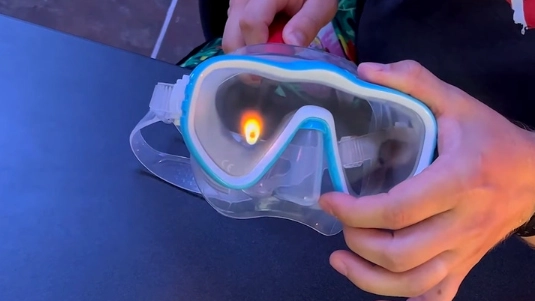
I've been there more times than I care to admit. Over the years, I've tried every trick in the book—commercial defogger sprays, gels, the infamous "spit and rub" method (which, let's face it, is a bit gross). Some worked okay, others were expensive, and some just failed spectacularly. Then, in a moment of desperation on a remote island trip where I'd forgotten my defogger, a local dive guide shrugged and said, "Just use toothpaste." I was skeptical. Toothpaste? For my mask? But with no other options, I tried it. And you know what? It worked better than half the products I'd bought.
So, can you really learn how to defog a snorkel mask with toothpaste? Absolutely. But it's not as simple as just smearing some Colgate on the lens and calling it a day. There's a right way and a very wrong way to do it. This guide isn't just about repeating a hack; it's about understanding why it works, when it's the best choice, and how to execute it perfectly so you never miss another sea turtle or clownfish because of foggy glass.
Why Does Your Snorkel Mask Fog Up Anyway?
Before we get to the toothpaste, let's solve the mystery of the fog. It's simple science, really. Fog forms on the inside of your mask because of two things: temperature difference and humidity. The air inside your mask is warm and moist from your face and breath. The lens of your mask, especially when you first get in the water, is cold. When that warm, moist air hits the cold glass (or plastic) surface, the water vapor in the air condenses into tiny droplets. These droplets scatter light, creating that annoying foggy film.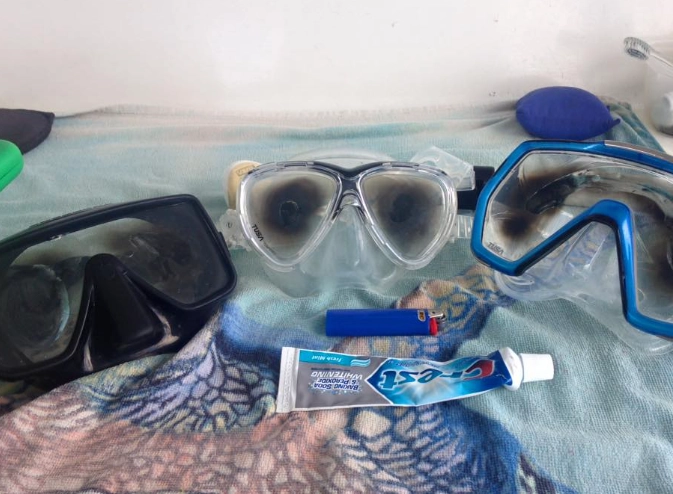
New masks have an additional culprit: a thin, invisible factory coating left over from the manufacturing process. This coating is meant to protect the lens during shipping but is a magnet for condensation. So, the first time you use a new mask, it's almost guaranteed to fog up instantly unless you treat it. This is where the concept of "prepping" or "seasoning" a mask comes in, and that's the core principle behind using toothpaste as a defogger.
The Toothpaste Defog Method: Does It Actually Work?
The short answer is yes, learning how to defog a snorkel mask with toothpaste can be highly effective, but with some major caveats. It's not a magic on-the-spot solution like a spray. Think of it more as a pre-dive treatment, a way to prepare your mask's lens to resist fogging for a long time, sometimes for multiple dives.
Here’s the basic logic. Toothpaste is a mild abrasive. It contains fine particles (like hydrated silica) that act as a very gentle scrubbing agent. When you rub it on the inside of your mask lens and wash it off, you are microscopically scouring the surface. This does two key things:
- It removes the oily factory coating from new masks that causes instant fogging.
- It creates a slightly hydrophilic (water-attracting) surface. Instead of water beading up into distinct droplets (which cause fog), it encourages moisture to spread out into a thin, even layer you can see through. This is the same principle behind many commercial defogging products.
I'll be straight with you—it's not a perfect solution for everyone. If you're looking for a quick fix five minutes before you jump off the boat, this isn't it. This is a preparation step, best done the night before or at home. For an immediate anti-fog solution on the dive boat, a dedicated defogging liquid or your own saliva (the old-fashioned way) is still your best bet. But as a cheap, effective, and long-lasting pre-treatment, the toothpaste method has earned its place in the snorkeler's toolkit.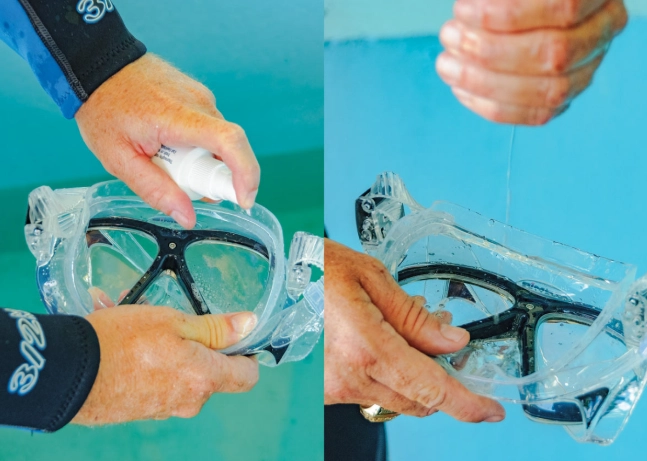
A Critical Warning: Not All Toothpaste is Created Equal
This is the part most guides gloss over, and it's crucial. Using the wrong kind of toothpaste can ruin your mask permanently. Whitening toothpastes, tartar control variants, or any paste with strong bleaching agents or large, gritty particles are a hard NO. These are far too abrasive and will scratch the hell out of your lens, leaving it permanently cloudy. I learned this the hard way with an old mask I didn't care about—it looked like I'd cleaned it with sandpaper. Stick to the most basic, plain, white paste you can find. A simple fluoride toothpaste with no extra bells and whistles is what you want. When in doubt, check the ingredients for "hydrated silica"—that's the good, fine-grit abrasive you're after.
Your Step-by-Step Guide: How to Defog a Snorkel Mask with Toothpaste
Alright, let's get down to the nitty-gritty. Here's the detailed, no-nonsense process I've refined over the years. Follow this, and you'll set yourself up for success.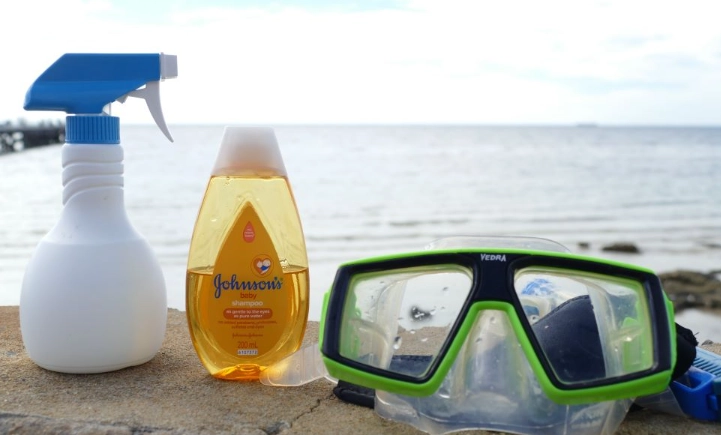
Step 1: Gather Your Supplies
- Your snorkel mask (obviously).
- A small pea-sized amount of basic, non-whitening, non-gel toothpaste.
- A soft, clean cloth or your very clean fingers (no dirt under the nails!). Some people use a cotton ball.
- Lukewarm water. Avoid hot water as it can damage the mask skirt.
- A mild soap (like baby shampoo) for the final clean.
Step 2: The Application and Scrubbing
First, make sure the mask is clean and dry. Put that tiny dab of toothpaste on your finger or cloth. Now, gently but thoroughly rub it all over the inside of the lens. Don't just swirl it around—use small, circular motions, applying light pressure. Cover every square millimeter, paying extra attention to the edges and corners. You're not trying to polish it to a shine; you're giving it a uniform, gentle scrub. This should take a couple of minutes. Let it sit for a few more minutes. Some people let it dry completely, but I find letting it sit for 5-10 minutes is sufficient.
Step 3: The Meticulous Rinse
This is the most important step. You must rinse off every single trace of toothpaste. Any residue left behind will sting your eyes terribly once you're in the saltwater. Hold the mask under a gentle stream of lukewarm water and use your fingers to rinse and rub the lens clean. Do this for a long time—longer than you think is necessary. Then, do it again. I usually rinse for a good 2-3 minutes, constantly checking for any slickness on the glass.
Step 4: The Final Wash
To be absolutely sure no toothpaste remains, give the entire mask (inside and out) a final wash with a drop of mild soap, like baby shampoo. This will break down any last oily remnants and leave the lens squeaky clean. Rinse the soap off completely with fresh water.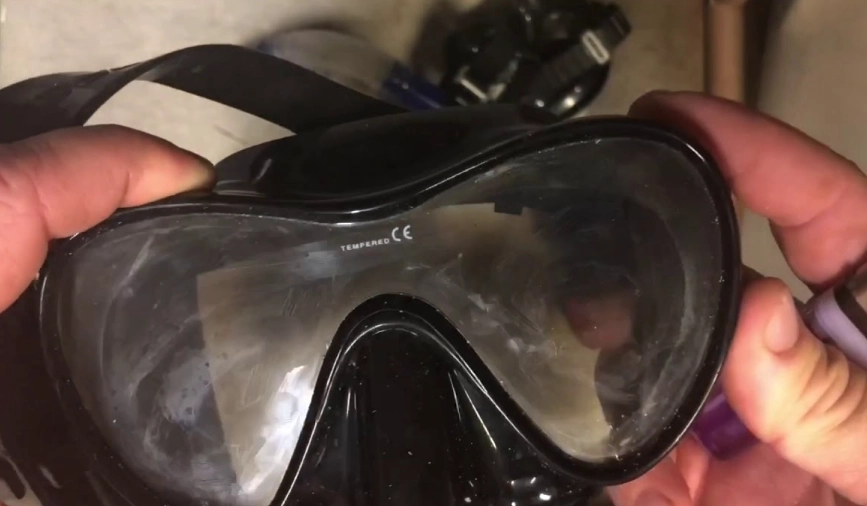
Step 5: Air Dry and Store
Shake off the excess water and let the mask air dry completely in a shaded, well-ventilated place. Never dry it in direct sunlight, as UV rays can degrade the silicone skirt and lens over time. Once dry, store it in a protective case or bag. Your mask is now prepped and ready to resist fogging on your next adventure.
See? It's a process, but a simple one. The key is patience during the rinsing stage.
Toothpaste vs. The Competition: What's the Best Defog Method?
So, where does the toothpaste method stand compared to other options? Let's break it down. I've put together a comparison based on cost, effectiveness, convenience, and longevity.
| Method | How It Works | Pros | Cons | Best For |
|---|---|---|---|---|
| Toothpaste (Pre-Treatment) | Mild abrasion removes factory film, creates hydrophilic surface. | Extremely cheap, long-lasting results (multiple dives), readily available, good for new mask prep. | Not an in-water solution, time-consuming prep, risk of scratches if wrong paste is used. | Budget-conscious snorkelers, prepping a new mask, achieving long-term fog resistance. |
| Commercial Defogger Liquid/Gel | Creates a surfactant layer that causes moisture to sheet. | Very convenient, designed for the purpose, works instantly, easy to reapply in water. | Ongoing cost, can wash off during a long dive, some formulas can irritate eyes. | Convenience seekers, boat dives, when you need a reliable, quick solution. |
| The "Spit and Rub" Method | Saliva acts as a natural surfactant. | Completely free, always available, no chemicals. | Socially awkward, effectiveness varies by person, very short-lived, unhygienic if sharing gear. | Emergency use, forgetful moments, ultra-minimalists. |
| Baby Shampoo | Mild surfactant breaks surface tension of water droplets. | Very cheap, gentle, easy to find, good for sensitive eyes. | Can leave a slight film, needs thorough rinsing, effectiveness can be inconsistent. | Snorkelers with sensitive skin/eyes, a gentle alternative. |
| Burning/Lighter Method | Briefly burning the lens with a lighter to burn off the factory coating. | Permanent removal of factory film if done correctly. | HIGH RISK of melting or warping the lens or skirt, requires skill, voids warranty. | Not recommended for most people. Extreme last resort for experienced divers only. |
My personal take? I use a hybrid approach. I pre-treat my primary mask with toothpaste when it's new or after a deep clean. Then, on dive day, I'll use a small drop of commercial defogger as a top-up for guaranteed clarity. It gives me the long-term base from the toothpaste and the instant reliability of a dedicated product.
Answering Your Burning Questions (FAQ)
Let's tackle some of the specific questions that pop up when people search for how to defog a snorkel mask with toothpaste.
Will toothpaste damage my mask's lens?
If you use the correct type (plain, non-whitening, non-gel), and you apply it gently, it should not damage a tempered glass lens, which is what most quality masks use. The risk is with plastic lenses or using overly abrasive paste. Always test on a small, inconspicuous area first if you're unsure.
Can I use gel toothpaste?
I don't recommend it. Gel toothpastes typically lack the fine abrasive particles that do the cleaning work. They're designed to be smooth. You'll likely just end up with a sticky, hard-to-rinse film that does nothing for defogging.
How long does the toothpaste defogging effect last?
It varies. On a well-prepped mask, it can last for several snorkeling sessions. The effect will gradually diminish, especially if you clean the mask with harsh chemicals or abrasives. Touching the inside of the lens with your fingers (which have oils) also reduces its effectiveness. You might get 5-10 good dives out of one treatment before needing to reapply.
Is this method recommended by diving professionals?
It's a common folk remedy passed around the diving community for decades. While major training agencies like the Professional Association of Diving Instructors (PADI) generally recommend and teach the use of dedicated defoggers or baby shampoo for consistency and safety, many experienced instructors and guides will acknowledge the toothpaste trick as a valid pre-treatment method, especially for budget-minded new divers. The key is the caveat about using the right kind of paste. For official best practices on gear care, it's always good to check resources from reputable sources like the U.S. National Park Service's snorkeling safety pages, which emphasize proper mask fitting and preparation for clear vision.
Can I use this method on a googles or a swimming mask?
The principle is the same for any glass or polycarbonate lens that fogs due to temperature difference. Yes, you can use it on swim goggles. Just be even more cautious with rinsing, as the proximity to the eyes is even closer.
Pro Tips & Common Mistakes to Avoid
Beyond the basic steps, here are some insights from hard-won experience.
Do This:
- Test on an old mask first. If you're nervous, practice on a cheap or old mask before treating your expensive new one.
- Use distilled water for the final rinse if you live in an area with hard water, to prevent mineral spots.
- After the toothpaste treatment, avoid touching the inside of the lens. The oils from your skin are the enemy of defogging.
- Store your mask properly in a padded case to prevent scratches that can ironically become nucleation points for fog.
Avoid This:
- Never use toothpaste as an in-water defogger. Rubbing paste on a wet lens in the ocean is pointless and will just create a mess.
- Don't use paper towels or abrasive cloths to dry or rub the lens, even with toothpaste. They can cause micro-scratches.
- Don't skip the baby shampoo final wash. It really does ensure all paste residue is gone.
- Avoid getting toothpaste on the silicone skirt. It can be difficult to rinse out of the textured surface and may degrade the silicone over time. Focus on the lens.
When the Toothpaste Method Might Not Be Enough
Let's be fair. Sometimes, fogging isn't just about the lens treatment. If you're still getting fog after a perfect toothpaste prep, consider these other factors:
Mask Fit: This is huge. If your mask is leaking even slightly, new warm, moist air from your breath is constantly entering the mask, replenishing the source of fog. A proper seal is critical. No defogging method in the world will work if your mask is flooding.
Breathing: Try to breathe out through your nose less. Exhaling through your nose pumps warm, wet air directly onto the lens. Breathe slowly and steadily through your mouth/snorkel.
Water Temperature: The greater the difference between your body/breath and the water, the worse the fogging potential. Snorkeling in very cold water is a bigger challenge for any anti-fog method.
In these cases, solving the root cause (getting a better-fitting mask, adjusting your breathing) is more important than the defogging hack.
Wrapping It Up: Is It Worth Learning How to Defog a Snorkel Mask with Toothpaste?
So, after all this, what's the final verdict? Learning how to defog a snorkel mask with toothpaste is a valuable skill for any snorkeler or diver. It's a fantastic, low-cost way to pre-treat a new mask or give an old one a deep clean and a long-lasting fog-resistant base. It demystifies the process and puts control in your hands with a product you already own.
But it's not a silver bullet. It requires the right materials (basic paste), careful execution (meticulous rinsing), and an understanding that it's a pre-dive preparation, not an on-the-fly solution. For that, a small bottle of commercial defogger or a trusted spit is still part of the equation.
My advice? Give it a shot. Take your time, follow the steps closely, and use the right toothpaste. On your next trip, when you descend into that blue world and your vision stays perfectly clear, revealing every detail of the underwater landscape without a hint of fog, you'll be glad you did. It turns a frustrating chore into a simple, satisfying part of your pre-dive ritual. And in a hobby all about relaxation and wonder, that's a win.
Reader Comments