Guide Highlights
- Why Australia is a Snorkeler's Dream (And a Few Realities)
- The Crown Jewels: Best Places for Snorkeling in Australia
- Gearing Up: What You Actually Need
- The Safety Talk: It's Not Scaremongering, It's Sense
- Choosing the Right Snorkeling Tour in Australia
- Beyond the Reef: Answering Your Questions
- Making it Count: Snorkeling Responsibly
Let's be honest, when you think about snorkeling in Australia, one image probably floods your mind: the Great Barrier Reef. And why wouldn't it? It's the poster child for marine life. But here's the thing I wish someone had told me before my first trip—Australia's snorkeling scene is so much bigger, wilder, and more varied than that single (admittedly incredible) spot. It's a continent wrapped in a coastline, each bend offering something completely different.
I remember floating over a coral bommie in the Whitsundays, completely motionless, watching a clownfish dart in and out of its anemone. It was peaceful. Then, a few years later at Ningaloo, I found myself trying to keep pace with the serene bulk of a whale shark. That was humbling. Two utterly different experiences, both under the banner of snorkeling in Australia.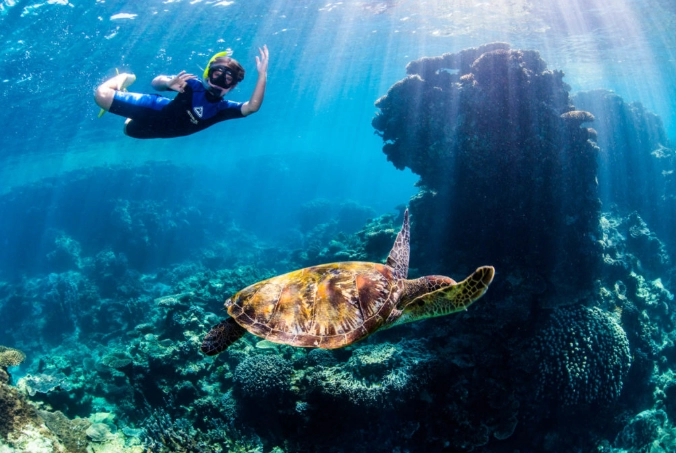
This guide isn't going to just list places. We're going to dig into the nitty-gritty. The best times to go to avoid the crowds (and the stingers). The spots where you can literally walk off the beach into another world. How to choose a tour that doesn't feel like a cattle truck. And yeah, we'll talk safety—because those sunburn and current stories are real, and I've got the peeling skin to prove it.
Why Australia is a Snorkeler's Dream (And a Few Realities)
The numbers are staggering. Over 60,000 kilometers of coastline. The world's largest coral reef system (the Great Barrier Reef). The largest fringing reef (Ningaloo). Temperate kelp forests in the south, pristine atolls in the Coral Sea, and volcanic rock formations teeming with life. The biodiversity is off the charts—something like 4,000 types of fish and hundreds of coral species just in the reef systems alone.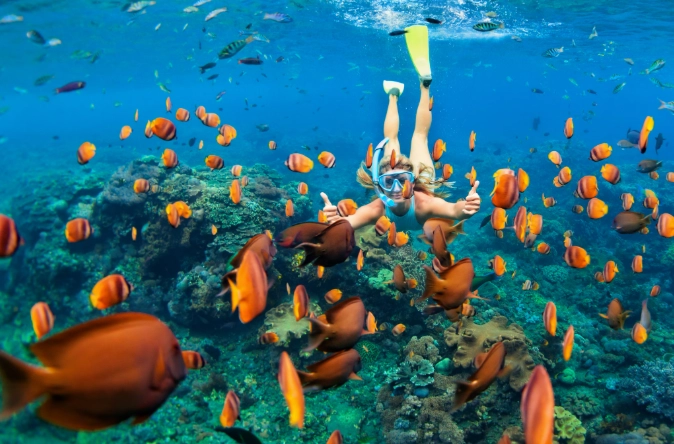
But.
A Quick Reality Check
The Australian sun is brutal. I'm talking UV-index-off-the-charts brutal. A standard t-shirt has a UPF of about 5. You need a proper rash guard or stinger suit, which usually has a UPF of 50+. Forget it once, and you'll spend the rest of your trip as a crispy, miserable lobster. Also, the ocean has a mind of its own. Currents can pop up out of nowhere, especially around headlands and reef passages. Respect is mandatory.
The beauty of snorkeling in Australia is its accessibility. You don't always need a boat. Some of the best encounters happen just meters from the sand. It makes it perfect for families, beginners, or anyone who gets a bit queasy on choppy water.
The Crown Jewels: Best Places for Snorkeling in Australia
Alright, let's get into the good stuff. Where should you actually go? I'm going to break this down by region and vibe. Some are world-famous, others are local secrets that deserve more hype.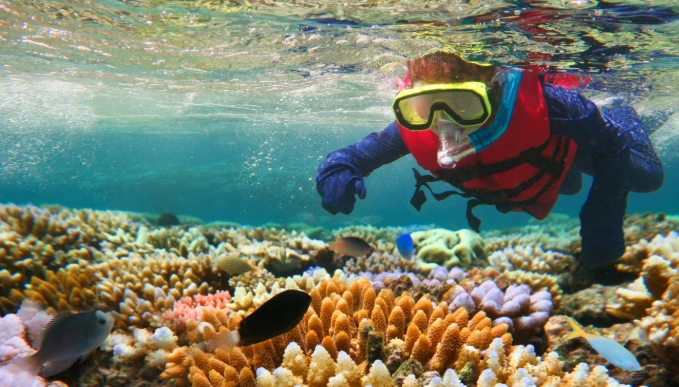
The Icon: The Great Barrier Reef, Queensland
It has to be first. But calling it one "spot" is like calling a mountain range a hill. The GBR is a 2,300km-long ecosystem. Where you go matters immensely.
- For Ease & Families: The Low Isles near Port Douglas. Sandy island, shallow lagoon, calm water. It's gentle, beautiful, and packed with turtles. A perfect first taste.
- For the Best Coral Gardens: The Ribbon Reefs further north, out of Cairns or Port Douglas. This is where you need a liveaboard or a longer day trip. The coral health here is often better than the inner reefs, and you'll find more pelagic action.
- For a Unique Perspective: Lady Elliot Island at the southern tip. It's an eco-resort on a coral cay. Snorkel straight off the beach with manta rays (especially in winter). It's not cheap, but it's an immersive experience.
My take? The inner reefs close to Cairns (like Green Island) can be crowded and a bit tired from years of tourism. If you can, invest the extra time and money to get to the outer reefs. The difference in water clarity and coral vitality is night and day. Check the Great Barrier Reef Marine Park Authority website for the latest on reef health and responsible practices.
The Wild West: Ningaloo Reef, Western Australia
If the GBR is the grand opera, Ningaloo is an intimate jazz club. This is a fringing reef, meaning it kisses the shoreline. You can literally walk in from the beach at places like Turquoise Bay and be drifting over coral within minutes (it's called the "drift snorkel" for a reason—do it right!).
The mega-fauna is the headline act here. From March to July, you can swim with whale sharks on dedicated tours from Exmouth or Coral Bay. From June to November, it's humpback whale season (swim-with permits are limited and strict). Manta rays are year-round residents. The vibe is more rugged, remote, and raw than the Queensland coast.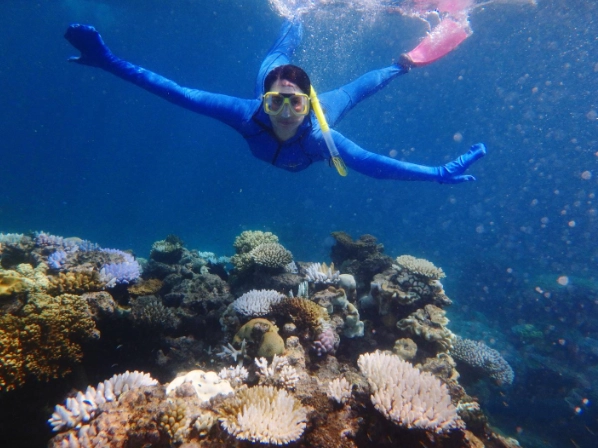
The Island Getaways
Don't overlook the islands.
- Lord Howe Island (NSW): A UNESCO site with the world's southernmost coral reef. The snorkeling at Ned's Beach is surreal—you hand-feed huge fish in waist-deep water. It's exclusive (visitor caps) and expensive, but it's like stepping back in time.
- The Whitsunday Islands (QLD): Not just for sailing. The fringing reefs around islands like Hook and Hayman have stunning coral and fish life. It's a great combo trip.
- Rottnest Island (WA): Yes, the quokkas are cute. But the snorkeling trails at Parker Point and Little Salmon Bay are fantastic—clear water, limestone reefs, and an underwater trail with plaques.
Here’s a quick comparison to help you decide based on your trip style:
| Destination | Best For | Best Time to Visit | Accessibility | Big Ticket Sightings |
|---|---|---|---|---|
| Great Barrier Reef (Outer Reefs) | Classic coral diversity, extensive tour options | June - Oct (Dry season, less rain, best vis) | Boat trip required (1-3 hrs) | Reef sharks, turtles, giant clams |
| Ningaloo Reef (Exmouth) | Swimming with megafauna, beach access | Apr - Jul (Whale shark season), Sep - Nov (Humpbacks) | Walk-in from beach or short boat ride | Whale sharks, manta rays, humpback whales |
| Lord Howe Island | Pristine & uncrowded experience, unique species | Sep - May (Warmer water) | Fly from Sydney/Brisbane, then walk/swim | Galapagos sharks, green turtles, endemic fish |
| Port Phillip Bay (Victoria) | Cool-water diving, unique seascapes, weedy sea dragons | Dec - Mar (Warmer surface temps) | Shore dives near Melbourne | Weedy sea dragons, octopus, seals |
Gearing Up: What You Actually Need
You can rent gear everywhere, but having your own mask that fits perfectly is a game-changer. A leaky, foggy mask ruins the experience. Here’s my breakdown: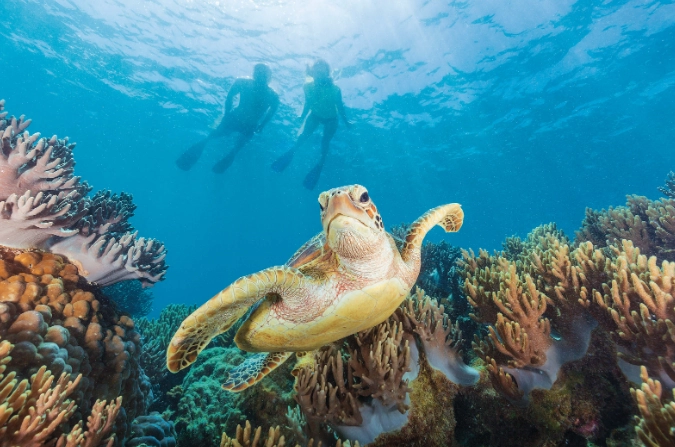
The Non-Negotiable Kit
- Mask & Snorkel: Get a silicone-skirted mask. Try it on without the strap—inhale slightly through your nose. If it stays on your face, it seals. A dry-top snorkel is worth it for choppy days.
- Fins: Open-heel fins with booties are more comfortable for rocky entries. For sandy beaches, full-foot fins are fine.
- Exposure Protection: This is critical. A lycra or neoprene stinger suit (Nov-May in N. QLD & NT) or a rash guard/long-sleeved swim top (everywhere else). It protects from sun, jellyfish, and coral scrapes. Do not skip this.
- Reef-Safe Sunscreen: It must say "Reef Safe" and be mineral-based (zinc oxide/titanium dioxide). Many places are banning chemical sunscreens. Apply 20 mins before getting wet.
The Safety Talk: It's Not Scaremongering, It's Sense
This is the most important section. The ocean is awesome, but it's not a pool. A little preparation prevents 99% of problems.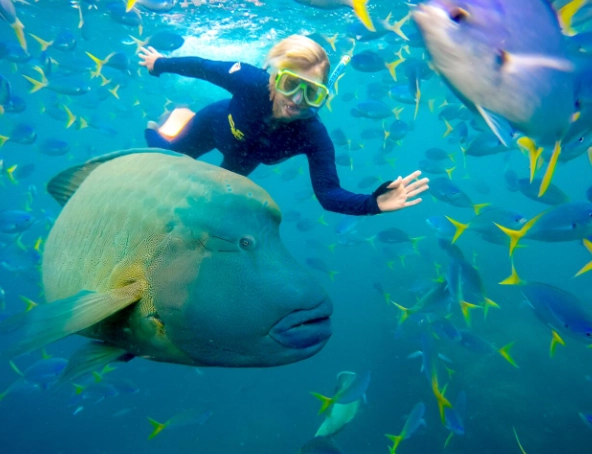
Marine Stingers: The Infamous "Stinger Season"
From roughly November to May in tropical northern Australia (QLD, NT, northern WA), box jellyfish and Irukandji are present. The risk is real, but managed.
- Always swim within stinger-resistant enclosures on patrolled beaches if provided.
- Always wear a full-body stinger suit when snorkeling. They are provided on all reputable tours during stinger season. They're thin, stretchy, and not hot.
- Listen to local advice. If the lifeguards say don't go in, don't go in.
The Queensland Health website has excellent, up-to-date information on marine stinger safety.
Other Key Safety Points
- Currents & Rips: Never snorkel alone. Check tide and current forecasts. If you get caught in a current, don't fight it. Swim parallel to the shore until you're out of it, then swim in.
- Marine Life: Look, don't touch. This protects you and the reef. Stonefish, blue-ringed octopus, and cone shells are venomous but will only bother you if you bother them. Give rays plenty of space.
- Sun & Hydration: You are in and out of water, getting dehydrated and burned without realizing. Drink loads of water. Reapply sunscreen. Wear a hat when on the boat.
- Boat Safety: On tours, listen to the safety briefing. Know where your safety equipment is.

Pro Tip for Calm Snorkeling
Breathe slowly and deeply. It conserves energy, reduces fogging, and keeps you calm. If you feel anxious, float on your back and look at the sky for a minute. It resets everything.
Choosing the Right Snorkeling Tour in Australia
With hundreds of operators, how do you pick? It's not just about the cheapest price.
- Group Size: Smaller groups (15-20 people) mean more time in the water and less chaos. Big catamaran parties can be fun but feel rushed.
- Boat Type: Fast catamarans get you to the outer reefs quicker. Pontoon-based trips offer stability, platforms, and sometimes underwater observatories—great for mixed-ability groups.
- Inclusions: Do they provide a stinger suit in season? Quality masks/fins? A marine biologist guide? Lunch? These add value.
- Sustainability Credentials: Look for operators with Advanced Ecotourism Certification or who are part of the GBRMPA Reef Guardian program. It means they're actively minimizing their impact.
My personal rule? I avoid tours that promise "10 different sites in one day." You'll spend the whole day moving, not snorkeling. Two, maybe three, quality sites is perfect.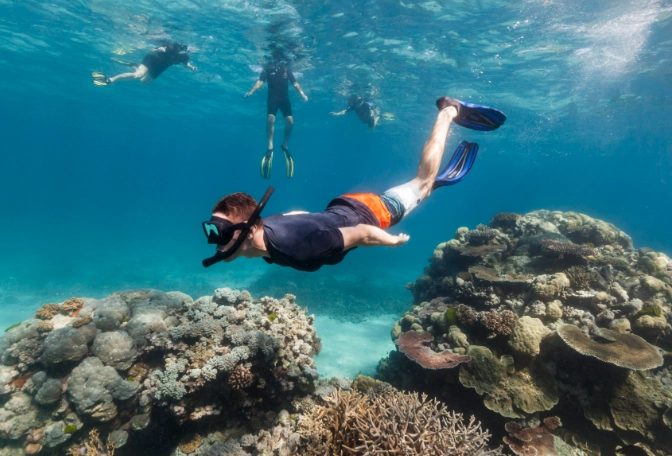
Beyond the Reef: Answering Your Questions
I get asked these all the time. Let's tackle them head-on.
Making it Count: Snorkeling Responsibly
We're visitors in this underwater world. With the challenges facing reefs worldwide (warming oceans, pollution), our actions matter.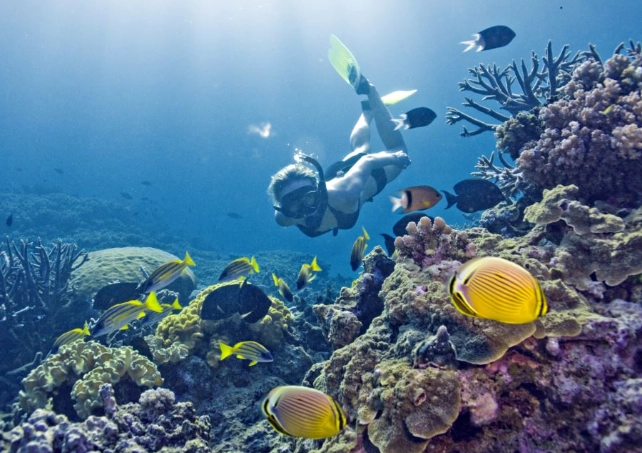
- Finiquette: Never stand on or kick coral. Maintain buoyancy. If you need to adjust your mask, swim to a sandy patch.
- Choose Responsible Operators: As mentioned, look for eco-certifications.
- Minimize Plastic: Use a refillable water bottle. Avoid single-use plastics.
- Report What You See: Apps like Reef Check Australia's Eye on the Reef allow you to submit sightings (turtles, coral damage, crown-of-thorns starfish). It helps scientists.
Snorkeling in Australia spoiled me for anywhere else. The sheer scale and accessibility of the marine life is breathtaking. It can be adventurous, peaceful, humbling, and exhilarating—sometimes all in one day.
Do your homework on seasons and conditions. Invest in good protection from the sun and stingers. Choose your tour or location based on what you really want to see and your comfort level. And then just get in the water. Look down. And let yourself be amazed. That first deep breath through the snorkel as you gaze into a bustling coral city is a moment you won't forget. It's worth every bit of the planning.
Got a specific spot in mind or a nagging question I didn't cover? That's what the comments are for. Now go plan that trip.
Reader Comments