Quick Navigation: What's Inside
Snorkeling among shipwrecks isn't just another water activity—it's a way to touch history without getting your feet wet. I've been doing this for over a decade, from the Red Sea to the Caribbean, and let me tell you, it beats any museum visit. But if you jump in unprepared, you might end up with a story you don't want to tell. This guide cuts through the hype and gives you the real deal on where to go, what to bring, and how to stay safe.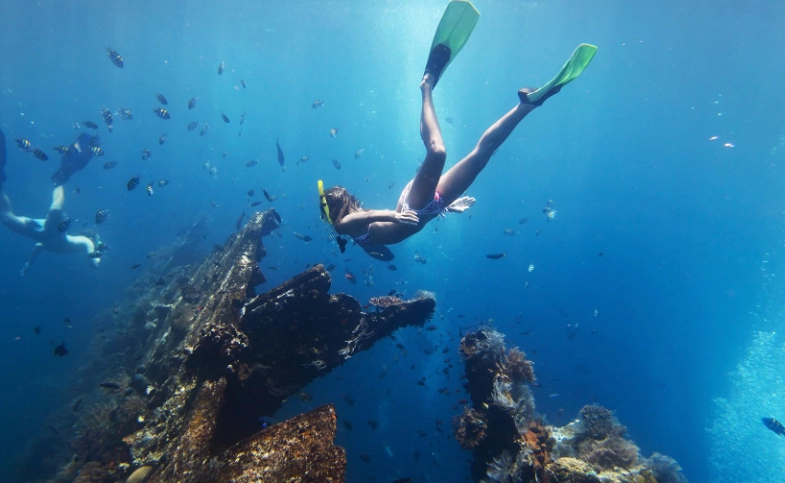
Top Shipwreck Snorkeling Destinations You Can't Miss
Not all wrecks are created equal. Some are shallow enough for snorkelers, others are deep dives. Here are my picks for spots where you can actually see something from the surface.
SS Thistlegorm, Red Sea, Egypt
This World War II wreck is legendary. Lying at about 30 meters deep, the top parts are visible from 5-10 meters, perfect for snorkeling. I went last year—the visibility was around 20 meters, but it gets crowded. Book a boat from Sharm El Sheikh or Hurghada; tours run daily, costing $60 to $120 per person. They usually include gear and lunch. Go between April and October for calm seas. Address? It's in the Strait of Gubal, but you'll need a tour operator—try Emperor Divers or Red Sea Diving College.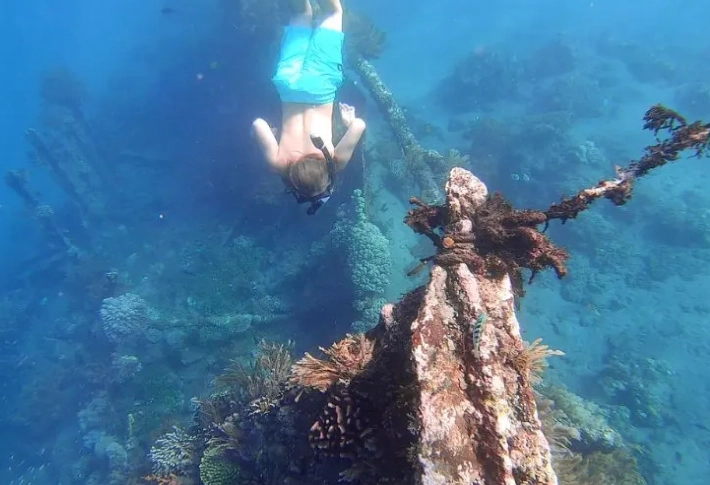
USS Kittiwake, Grand Cayman, Cayman Islands
A deliberately sunk submarine rescue vessel, now an artificial reef. The deck is at 15 feet, so snorkelers can glide right over it. Entry is free if you swim from Seven Mile Beach, but most people take a boat from George Town for $40-$80. Open year-round, but avoid hurricane season (June to November). I found the marine life here stunning—expect tarpon and barracuda. Parking is easy at public beaches.
MV Captayannis, River Clyde, Scotland
A sugar carrier wrecked in 1974, now a quirky spot for cold-water snorkeling. It's in shallow estuary waters near Greenock, accessible from the shore. No fees, but you'll need a thick wetsuit—water temps hover around 10°C. Best time is summer (June to August). Getting there: drive to Greenock and park near the Esplanade. It's not glamorous, but the rusting hull is eerie and photogenic.
Pro tip: Always check local regulations. Some wrecks are protected sites—touching or removing artifacts can land you in hot water. In places like Truk Lagoon, snorkeling is possible but limited; most operators focus on scuba.
How to Prepare for a Safe Shipwreck Snorkeling Trip
Gear matters, but mindset matters more. I've seen too many snorkelers with fancy equipment who ignore basic safety.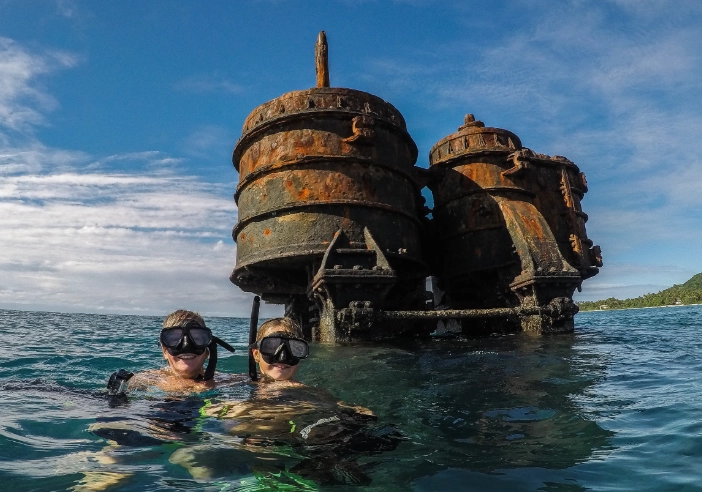
Essential Gear You Actually Need
Forget the bells and whistles. Here's what works:
- Mask and snorkel: Get a silicone mask with a good seal. I prefer dry-top snorkels to avoid water intake—trust me, swallowing seawater near a wreck is no fun.
- Fins: Open-heel fins with adjustable straps. They help you maneuver around sharp wreck edges.
- Wetsuit: Even in warm waters, a 3mm suit protects against scrapes and jellyfish. In colder spots, go for 5mm or more.
- Buoyancy aid: Not just for beginners. A simple snorkel vest can save energy in currents.
You can rent gear on-site, but if you're serious, invest in your own. Brands like Cressi or Mares offer reliable mid-range options.
Safety Protocols Every Snorkeler Should Know
Shipwrecks pose unique risks. Currents can be unpredictable, and metal structures may be unstable.
First, always snorkel with a buddy. I once got disoriented near the SS Thistlegorm when a current picked up—my partner signaled me out. Second, check weather and tide reports. Sites like the Captayannis are tidal; go at low tide for better visibility. Third, follow marked routes if available. Many wrecks have buoy lines to guide snorkelers.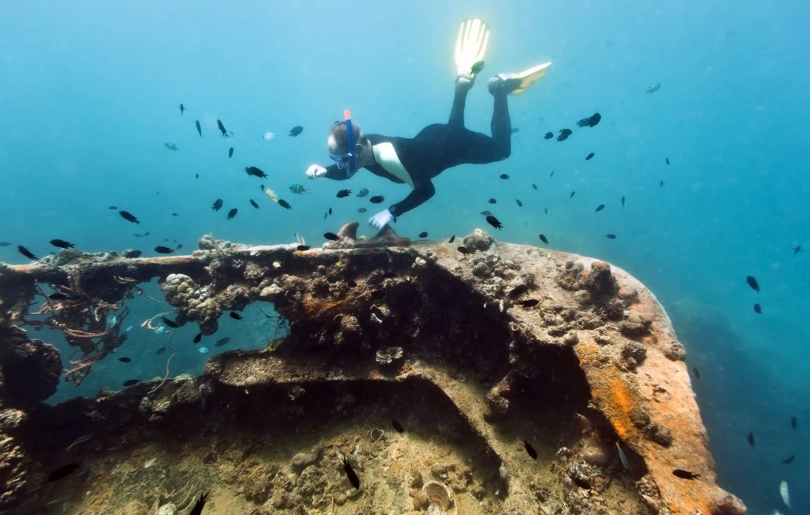
Here's a table summarizing key safety checks:
| Checkpoint | Why It Matters | Example |
|---|---|---|
| Current strength | Strong currents can sweep you into the wreck | USS Kittiwake has mild currents, but check daily forecasts |
| Water visibility | Poor vis means you might miss hazards | Red Sea sites often have 20m+ vis in summer |
| Local guidelines | Some areas restrict access for conservation | In Scotland, avoid disturbing wildlife around wrecks |
The Hidden Challenges of Snorkeling Around Wrecks
Here's something most guides won't tell you: new snorkelers often fixate on the wreck itself and forget about the environment. I've watched people kick coral or get too close to rusty metal, not realizing the damage or danger.
The biggest mistake? Assuming all wrecks are static. They decay, shift, and attract marine life that might be territorial. At the USS Kittiwake, I've seen barracuda get curious—they're harmless if you stay calm, but panicking can provoke them. Another subtle error: overestimating your fitness. Snorkeling in currents requires stamina; if you're not used to it, start with calm sites like the MV Captayannis.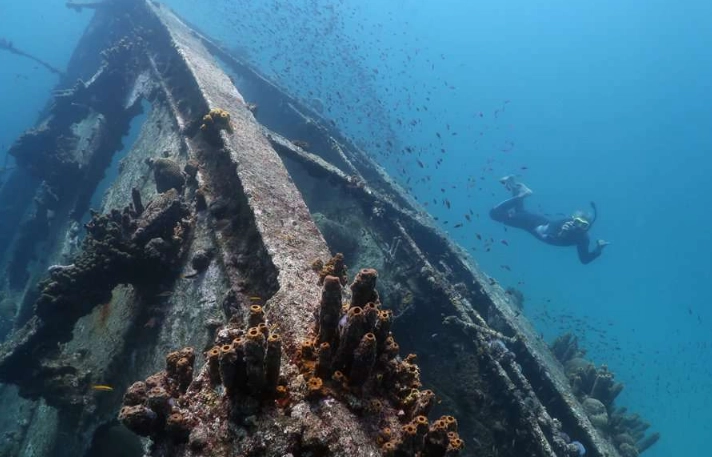
Also, weather changes fast. On a trip to the Red Sea, we had perfect conditions in the morning, but by afternoon, winds whipped up waves. We had to cut the trip short. Always have a backup plan.
FAQ: Expert Answers to Your Burning Questions
Snorkeling among shipwrecks opens a window to the past, but it's not a casual dip. Plan ahead, respect the environment, and you'll have stories for years. I still get chills thinking about my first glimpse of the SS Thistlegorm's cargo hold—history feels alive down there. Now go out and explore, but do it smart.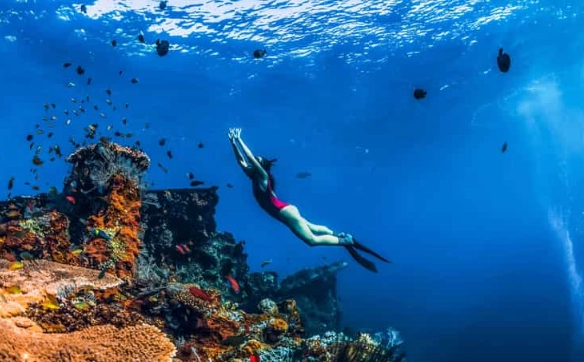
Reader Comments