Let's cut to the chase. If you're serious about snorkeling, a dedicated UV protection snorkel shirt isn't an optional extra—it's as fundamental as your mask and snorkel. I learned this the hard way years ago in Belize, thinking my cheap, cotton tee would be fine. A painful, blistering back and shoulders later, I swore never again. This piece of gear solves multiple problems at once, and getting the right one transforms your entire experience.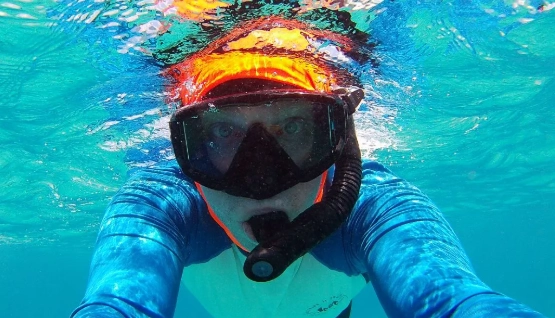
What You'll Learn in This Guide
Why You Need a UV Protection Snorkel Shirt (It's Not Just About Sunscreen)
Think about the snorkeling environment. You're floating on the surface, often for hours. The sun reflects off the water, hitting you from above and below. That's double exposure. A shirt with a UPF 50+ rating blocks over 98% of harmful UVA and UVB rays. It's a physical barrier that doesn't sweat off, wash off, or need reapplication.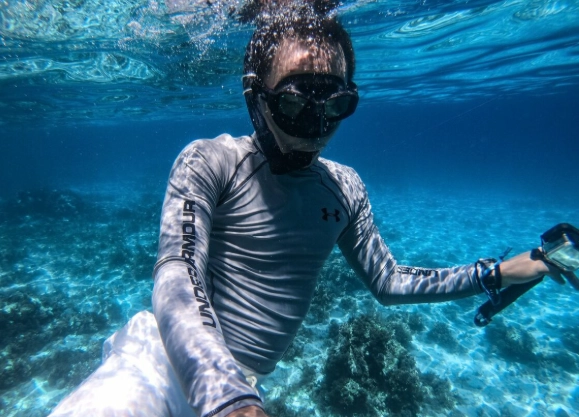
More Than Just Sun Protection
This is where the value multiplies.
- Abrasion and Sting Protection: Coral is sharp. Jellyfish larvae (sea lice) are annoying. A thin layer of fabric prevents nicks, scrapes, and those itchy, invisible stings that can ruin a trip.
- Thermal Layer: Even in warm tropics, spending hours in the water can lower your core temperature. A shirt provides a thin layer of insulation, keeping you comfortable longer.
- Reef-Safe Alternative: This is huge. Many chemical sunscreens contain oxybenzone and octinoxate, which are devastating to coral reefs, contributing to bleaching. Places like Hawaii, Key West, and Palau have banned them. A shirt drastically reduces the amount of sunscreen you need to apply, letting you focus reef-safe lotion on your face, neck, and hands. The Coral Reef Alliance has extensive resources on this impact.
How to Choose the Best UV Protection Snorkel Shirt
Not all shirts are created equal. The difference between a $25 generic rash guard and a $70 technical snorkel shirt is in the details that matter over a 4-hour boat trip.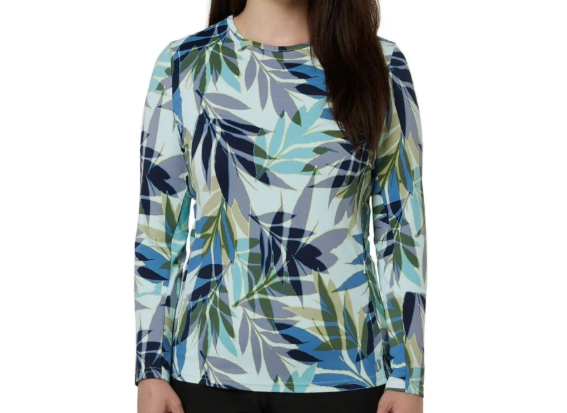
Material is Everything
Feel the fabric. The best shirts use nylon or polyester blends with a bit of spandex or Lycra for stretch.
| Material | Pros | Cons | Best For |
|---|---|---|---|
| Nylon (e.g., Supplex) | Super soft, excellent durability, dries quickly, feels great against skin. | Can be slightly more expensive, may hold onto colors less than polyester. | Anyone prioritizing comfort and a premium feel. |
| Polyester | Highly durable, excellent UV resistance, quick-drying, often more affordable. | Can feel less soft than nylon, sometimes holds odor more if not treated. | Value seekers and those who want maximum durability. |
| Polyester-Spandex/Lycra Blend | Great four-way stretch, form-fitting, very durable. | Can be warmer if too thick, may lose elasticity faster if not cared for properly. | Those who want a snug, athletic fit for surfing or more active swimming. |
I lean towards nylon-polyester blends. They offer that softness with good durability. Avoid 100% cotton at all costs—it becomes heavy, cold, and offers zero UV protection when wet.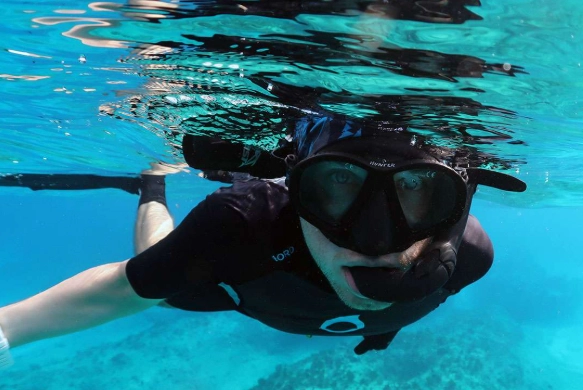
Key Features to Look For
UPF Rating: Look for UPF 50+. This is the standard for excellent protection. The American Academy of Dermatology recommends UPF 30-50+ for sun-protective clothing.
Fit and Cut: This is personal. Do you prefer a looser, swim-shirt style or a tighter, rash-guard fit? For snorkeling, I recommend a relaxed athletic fit. It should be snug enough not to billow and create drag, but loose enough for easy on/off and to allow a bit of water flow for cooling. Look for a slightly longer back hem—it stops the shirt from riding up when you're horizontal in the water.
Design Details:
- Flatlock Seams: These lay flat against the skin. Traditional raised seams can chafe, especially under your arms or where your buoyancy vest straps sit.
- Zip vs. Pullover: Zippers offer easy ventilation adjustment but can sometimes rub. Pullovers are simpler and have no hardware to fail. If you get a zipper, make sure it has a fabric garage at the top to protect your chin.
- Color: Dark colors (navy, black) technically offer marginally better UV absorption but absorb more heat. Lighter colors (light blue, grey) are cooler in the sun. Bright colors (neon yellow, pink) are great for visibility to your buddies or boat captain.
Top Brands and What They Get Right
I'm not going to give you a sterile top 5 list. Instead, here are a few brands that consistently deliver quality for snorkelers, based on my own kit and feedback from fellow divers.
O'Neill: A classic surf brand that translates perfectly to snorkeling. Their Superlite UPF 50+ series is fantastic. The fabric is incredibly light and dries in minutes. The cut is relaxed without being baggy. I've had one for five seasons, and it's held up to relentless sun and saltwater.
Rip Curl: Their Dawn Patrol rash guards are workhorses. The polyester blend is tough, the flatlock seams are comfortable, and they often have great graphic designs if you care about that. They run a bit more towards the athletic fit.
Quiksilver / Roxy: Solid all-around performers with a huge range of styles and fits. Good for families because you can often find matching styles. Their high-UPF pieces are reliable, though I find some of their thinner shirts can be a bit more sheer when wet—check the fabric density.
Don't sleep on dive-specific brands like Scubapro or Cressi. Their shirts sometimes have features like integrated hoods or thumb loops for complete coverage, which are brilliant for long days on the water.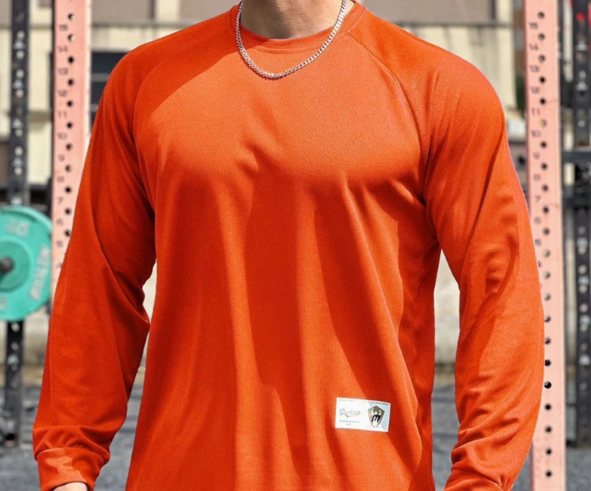
How to Care for Your Snorkel Shirt (Make It Last)
This is where people ruin good gear. Salt, sun, and sand are brutal. Proper care can double the life of your shirt and maintain its UPF rating.
- Rinse Immediately: After every use, rinse it thoroughly in fresh water. Don't let salt crystals dry in the fabric.
- Wash Gently: Machine wash cold with a mild detergent. Never, ever use fabric softener. It coats the technical fibers, clogging the pores that make the fabric quick-drying and breathable.
- Dry with No Heat: Tumble dry on the absolute lowest heat setting or, better yet, hang dry in the shade. High heat is the number one killer of elasticity (spandex/Lycra). It also degrades the fibers over time, reducing UV protection.
- Store Properly: Don't leave it balled up damp in your gear bag. Hang it or fold it dry.
I made the fabric softener mistake once. The shirt never felt the same—it lost its slick, quick-dry feel and just held moisture. A total waste.
Your Questions, Answered
Investing in a proper UV protection snorkel shirt is one of the smartest, most practical decisions you can make for your time on the water. It solves the sun problem, the reef-safe problem, and the comfort problem in one go. Find one that fits you well, take care of it, and it will pay you back with countless comfortable, burn-free dives.
Reader Comments