Quick Guide to This Article
- Why a Snorkeling Day Trip Might Be Your Perfect Adventure
- How to Choose Your Best Snorkeling Day Trip
- Top Destinations & Their Can't-Miss Day Trips
- What to Pack: The Non-Obvious Essentials
- Maximizing Your Day Trip Experience: Pro Tips
- Frequently Asked Questions (The Stuff You're Secretly Wondering)
- The Responsible Snorkeler's Pledge
- Final Thoughts: Making Your Choice
Let's talk about snorkeling day trips. You know, those perfect little escapes where you're in the water by mid-morning, surrounded by fish by lunch, and back on dry land with a sun-kissed glow and a camera full of memories by dinner. There's something magical about them. No long-term commitment, no need to be a diving pro, just pure, accessible ocean exploration. But with countless options, how do you choose? That's where this guide comes in. I've been on my share of amazing trips and a few duds, and I'm here to help you skip the latter and book the former.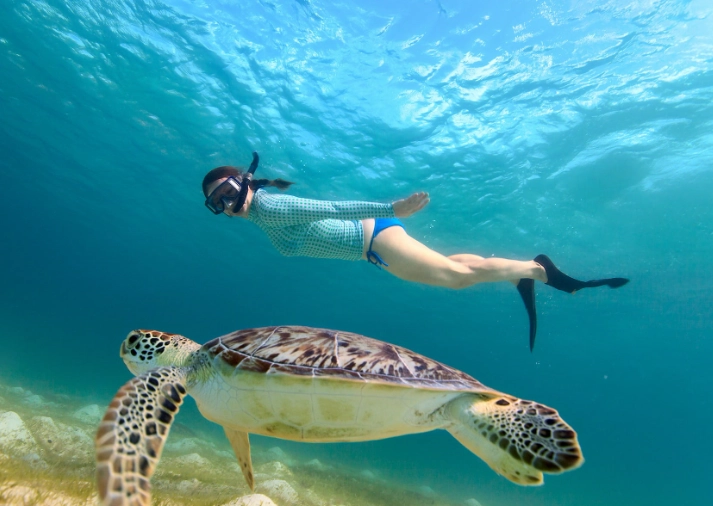
We're going to break down everything. Not just a list of places, but the how and the why. What makes a snorkeling day trip truly great? Is it the boat, the crew, the location, or the lunch? (Spoiler: it's all of the above). Whether you're a first-timer nervously checking your mask seal or a seasoned snorkeler looking for the next epic spot, this is your playbook.
Why a Snorkeling Day Trip Might Be Your Perfect Adventure
Multi-day liveaboards are fantastic, but they're a big investment of time and money. For most of us, a well-planned day trip hits the sweet spot. The flexibility is unbeatable. You can slot it into a wider vacation itinerary without dedicating your entire trip to the sea. They're also way more cost-effective, often including gear, transport, and food for a single, manageable price. For beginners, it's the ideal low-pressure introduction. You get a taste of the underwater world with the safety net of a guide and a boat nearby, all without the commitment of a multi-day certification course.
How to Choose Your Best Snorkeling Day Trip
This is the crucial part. Picking the right tour can mean the difference between a "meh" experience and a core memory. Don't just book the first one you see on a resort brochure.
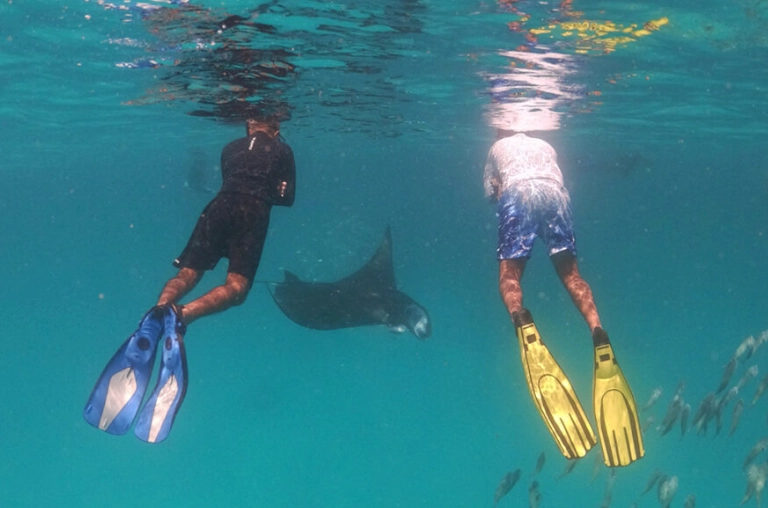
First, location is everything. Are you looking for vibrant coral reefs, playful sea lions, majestic manta rays, or even something quirky like swimming with pigs? Your destination dictates the wildlife. Next, research the operator's reputation. I spend hours on TripAdvisor, Google Reviews, and travel forums. Look for consistent praise about the crew's knowledge, safety, and environmental ethics. A few negative reviews are normal, but watch for red flags: mentions of overcrowded boats, broken equipment, or rushed schedules.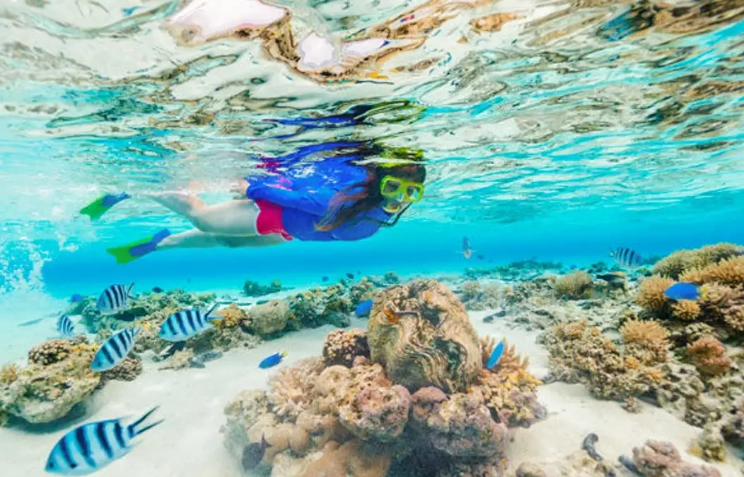
Here’s a quick checklist I run through before booking any of the best snorkeling day trips:
- Group Size: How many people are on the boat? A smaller group (15-20 max) means more attention from guides and a less chaotic snorkel site.
- Boat Type: Is it a speedy speedboat, a stable catamaran, or a traditional wooden boat? Speedboats get you there fast but can be bumpy; catamarans offer more space and stability.
- What's Included: Gear (mask, snorkel, fins), lunch, drinks (water, soft drinks), park fees, hotel pickup. Get this clarified upfront.
- Itinerary: How many snorkel stops? How long at each? Is there any beach time or other activities?
- Sustainability: Does the operator have a reef-safe policy? Do they brief guests on not touching coral? This matters more than ever.
Top Destinations & Their Can't-Miss Day Trips
Alright, let's get to the good stuff. Here are some world-class spots and the specific types of day trips that make them shine. This isn't just a list; it's a breakdown of what makes each one special.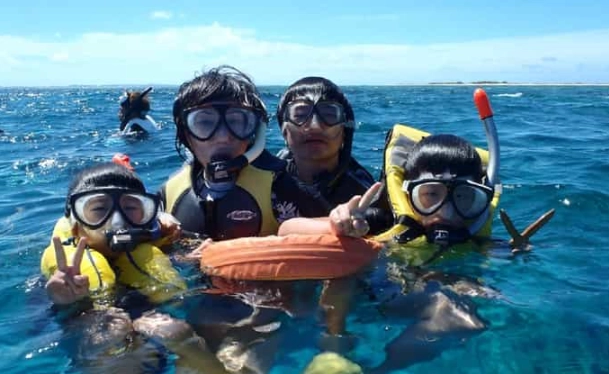
| Destination | Best For | Signature Day Trip Experience | What You Might See |
|---|---|---|---|
| Hawaii (Big Island & Maui) | Volcanic landscapes, Manta Rays, Sea Turtles | Kealakekua Bay (Captain Cook Monument) tours from Kona; Molokini Crater & Turtle Town tours from Maui. | Spinner dolphins, vibrant coral, Hawaiian green sea turtles (Honu), and at night, the magnificent manta rays on dedicated night snorkels. |
| Great Barrier Reef, Australia | The sheer scale & biodiversity | Trips from Cairns or Port Douglas to outer reef pontoons (like at Agincourt Reef). These offer stable platforms, sometimes with slides and underwater observatories. | Every color of coral imaginable, giant clams, reef sharks, parrotfish, clownfish, and maybe a Maori wrasse. |
| The Maldives | Crystal clear water, luxury, & sharks | "Safari" style trips from your resort island, visiting multiple nearby reefs and sandbanks. | Blacktip reef sharks, eagle rays, Napoleonic wrasse, and stunning coral gardens in water with 30m+ visibility. |
| Thailand (Andaman Sea) | Variety & dramatic scenery | Similan Islands live-aboard day trips from Phuket or Khao Lak; Phi Phi Islands tours (though these can be very crowded). | Leopard sharks, moray eels, schools of barracuda, and the iconic underwater granite boulders of the Similans. |
| Galapagos Islands, Ecuador | Unique & fearless wildlife | Day tours from islands like Santa Cruz or San Cristobal to nearby sites like Punta Carrion or Kicker Rock. | Sea lions that swim with you, marine iguanas feeding underwater, penguins, sea turtles, and harmless reef sharks. |
| The Bahamas & Exumas | Pigs, sharks, & blue holes | Exuma Cays tours from Nassau or Great Exuma, combining snorkeling with visits to the famous swimming pigs and iguanas. | Nurse sharks, stingrays, vibrant reefs, and of course, the swimming pigs at Big Major Cay. |
| Greece (Mediterranean) | History, caves, & clear water | Boat trips around islands like Milos, Zakynthos, or Crete, focusing on secluded coves and sea caves. | Colorful sponges, octopus, sea caves with stunning light effects, and ancient history above the waterline. |
| The Philippines (Palawan) | Pristine reefs & lagoons | Island-hopping tours from El Nido or Coron, visiting hidden lagoons, shipwrecks (in Coron), and vibrant reefs. | World War II wreck sites, stunning coral walls, jackfish storms, and the breathtaking karst limestone scenery above water. |
You see? It's not just about the country. It's about the specific region and the unique hook of the trip. A Great Barrier Reef trip is about awe-inspiring scale, while a Galapagos trip is a wildlife interaction you can't get anywhere else.
What to Pack: The Non-Obvious Essentials
Most tours provide the basics. But your personal kit can make or break your comfort. Here’s my must-pack list, born from forgetting things and regretting it.
The Absolute Must-Haves (They often forget to tell you this)
- Reef-Safe Sunscreen: This is non-negotiable. Chemicals in regular sunscreen kill coral. Look for zinc oxide or titanium dioxide-based, "non-nano" formulas. Brands like Stream2Sea or Badger are good. Apply it at least 30 minutes before you get wet.
- A Rash Guard or Long-Sleeved Swim Shirt: The best sunscreen is no sunscreen on your skin. A UPF-rated shirt protects you from sunburn (especially your back while floating) and can even prevent minor jellyfish stings. It also keeps you warmer.
- Waterproof Dry Bag: For your phone, wallet, towel, and a change of clothes. Boats get splashed.
- Sea-Sickness Remedy: Even if you don't normally get seasick, a choppy ride to a reef can trigger it. Take non-drowsy Dramamine or use acupressure bands before you board, not after you feel ill.
Highly Recommended Upgrades
- Your Own Mask & Snorkel: Rental masks can be scratched, leaky, and the snorkels are… well, used. A mask that fits your face perfectly is a game-changer for comfort and enjoyment. A dry-top snorkel prevents water from entering when you dive down.
- Anti-Fog for Mask: Baby shampoo in a tiny bottle works miracles. Spit does too, but let's be classy.
- GoPro or Waterproof Phone Case: You'll want photos. A floating handgrip for your GoPro is a lifesaver if you drop it.
Maximizing Your Day Trip Experience: Pro Tips
You've booked a great tour and packed smart. Now, how do you ensure the day itself is epic?
Listen to the Safety Briefing. I know, it's boring. But knowing where the emergency equipment is, how the boat's ladder works, and what the guide's hand signals mean is critical. It also shows respect for the crew.
Ask the Guides Questions. They know the reef like their backyard. Point at a fish, and they'll tell you its name and habits. This transforms a pretty swim into an educational safari.
Practice Before You Go. If you're new to snorkeling, try the gear in a pool first. Get comfortable breathing through the tube, clearing your mask of water, and floating. This builds confidence so you're not wasting precious reef time figuring out the basics.
Hydrate, Hydrate, Hydrate. Snorkeling is exercise, and you're in the sun all day. Drink water consistently, not just when you're thirsty. Avoid heavy drinking the night before—hangovers and boat rides are a terrible mix.
And finally, manage your expectations. Wildlife is wild. The tour can't guarantee turtles or manta rays. Sometimes the visibility is lower, sometimes the current is stronger. Go with the flow and enjoy the experience of being in the ocean itself.
Frequently Asked Questions (The Stuff You're Secretly Wondering)
The Responsible Snorkeler's Pledge
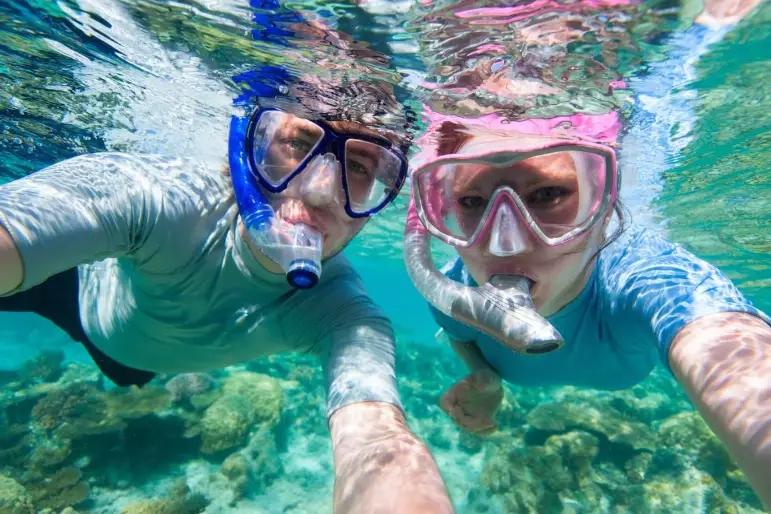
This is so important it gets its own section. We are visitors in a fragile home.
Never, ever touch or stand on coral. It's a living animal, and the oils from your skin or physical damage can kill it. A single kick can destroy decades of growth. Maintain proper buoyancy.
Look, but don't touch or chase wildlife. Harassing a sea turtle to get a photo stresses it. Let animals come to you (or not).
Choose operators committed to sustainability. Look for operators affiliated with eco-certifications like Blue Flag or those who actively support local marine conservation projects. Ask them about their policies.
Take only pictures, leave only bubbles. Don't collect shells or coral fragments. If you see trash, and it's safe to do so, pick it up.
It's really that simple. Be a good guest.
Final Thoughts: Making Your Choice
Finding the best snorkeling day trips isn't about finding the "#1 ranked" tour on some arbitrary list. It's about matching the trip to you—your comfort level, your interests, your budget, and your travel style.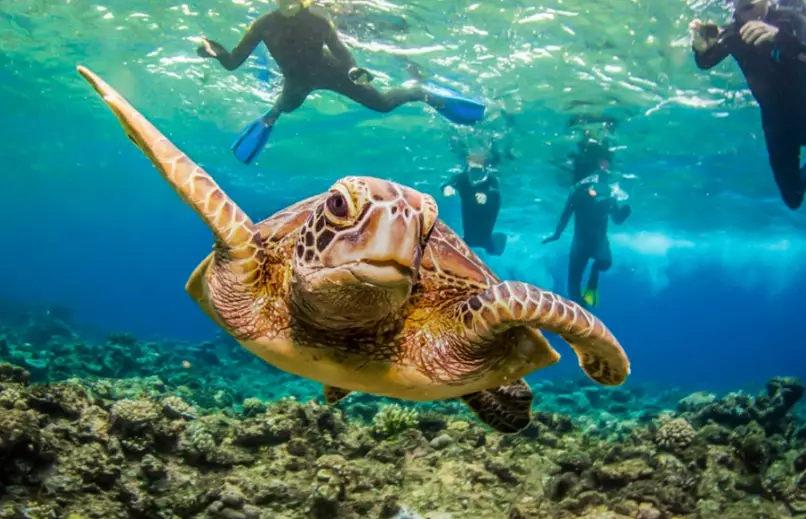
Do you crave adventure and don't mind a bumpy ride to a remote atoll? Or do you want a leisurely sail with a gourmet lunch? Both are valid. Use the checklist, read between the lines of reviews, and don't be afraid to email operators with specific questions. Their responsiveness tells you a lot.
The ocean is waiting. With a bit of planning, your snorkeling day trip can be the highlight of your year. It's a chance to disconnect, to be amazed, and to remember that our planet is still full of breathtaking, wild beauty just beneath the surface. Now go get salty.
Reader Comments