Quick Navigation
- Why Cozumel is a Snorkeling Paradise (The Pros)
- The Not-So-Great Parts (Let's Be Honest)
- Top Snorkeling Spots in Cozumel: From Reefs to Beach Clubs
- Planning Your Cozumel Snorkeling Trip: A Practical Timeline
- Snorkeling Gear & Essentials: What to Bring vs. What to Rent
- Cozumel Snorkeling FAQs: Your Questions, Answered
- So, Is Snorkeling in Cozumel Worth It For You?
Let’s cut to the chase. Is snorkeling in Cozumel worth it? For most people, absolutely yes. But I’m not just going to give you a one-word answer and call it a day. That wouldn’t be fair. The real question isn't just about whether it's "good"—it's about whether it's the right fit for your time, budget, and expectations. I've been there, floated over those reefs, and dealt with the crowded piers. So, let's dive deep into what makes Cozumel snorkeling special, where it falls short, and how you can plan a trip that makes every penny and minute count.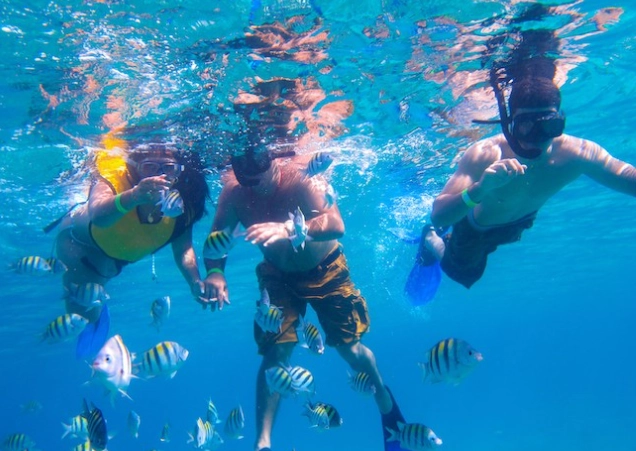
The quick verdict: If you're looking for easy access to vibrant, healthy coral reefs teeming with life, all with crystal-clear water, then snorkeling in Cozumel is absolutely worth it. It's a world-class experience that’s surprisingly approachable for beginners. However, if you hate crowds, are on an extremely tight budget, or are expecting secluded, untouched beaches right where you snorkel, you might need to adjust your expectations.
Why Cozumel is a Snorkeling Paradise (The Pros)
First, the good stuff—the reasons why this island pops up on every "best snorkeling" list.
The Mesoamerican Barrier Reef System
This is the big one. Cozumel sits right on the second-largest barrier reef system in the world. We're not talking about a few scattered coral heads. This is a massive, living wall of coral that runs for miles. The section along Cozumel's western shore, part of the Cozumel Reefs National Marine Park, is particularly protected and thriving. You're snorkeling in a designated national park, which means rules are in place to protect the ecosystem (more on that later). The health of the coral here, compared to other heavily trafficked Caribbean destinations, is noticeably better. You'll see massive brain corals, elegant elkhorn corals, and colorful sponges that aren't just brown and muted.
Unbeatable Visibility
The water clarity is, frankly, ridiculous. On a calm day, you can easily see 80 to 100 feet down. This isn't an exaggeration. The Caribbean side of the island is generally calmer, and the lack of river runoff keeps the water pristine. This visibility transforms the experience. You're not just looking at fish right beneath you; you're getting a panoramic view of an entire underwater landscape. It feels like flying.
An Explosion of Marine Life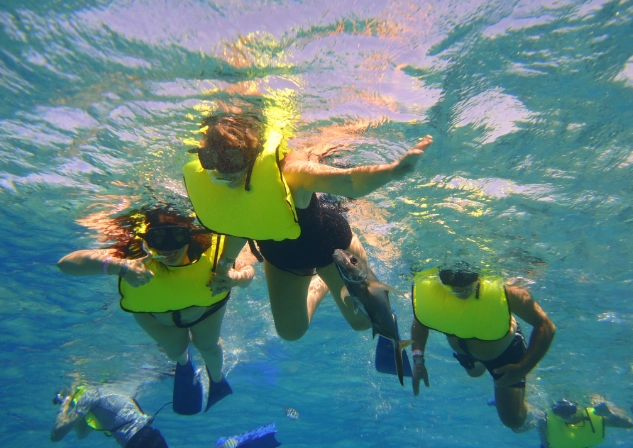
Because the reef is healthy, the fish are plentiful and diverse. It's common to see:
- Parrotfish in every color imaginable, crunching loudly on coral.
- Schools of blue tangs and sergeant majors swirling around.
- Elegant angelfish, both queen and French, gliding by.
- If you're lucky, you might spot a sea turtle (most commonly the green turtle) or a friendly eagle ray cruising along the sandy bottom.
The biodiversity is a huge part of what makes snorkeling in Cozumel worth the effort. Every dive into the water is a new show.
Accessibility for All Levels
Here’s a key point. You don't have to be an Olympic swimmer to enjoy this. Many of the best reefs are accessed via boat tours that drop you in specific, buoy-marked areas. The currents can be present (they're what keep the water clear and bring in nutrients), but reputable tour operators know how to work with them. They'll often do a "drift snorkel," where the boat follows you as you float effortlessly with the current. It's actually less tiring than swimming in place! For absolute beginners, there are also calmer, shallow areas near some beach clubs.
Local Tip: The phrase "Is snorkeling in Cozumel worth it?" is often asked by first-timers worried about skill level. My advice? Be honest with your tour operator about your swimming ability. They can recommend the best sites for you, like the more sheltered areas of Chankanaab or Paradise Reef.
The Not-So-Great Parts (Let's Be Honest)
Okay, time for some real talk. It’s not all perfect. Ignoring the downsides would make this guide useless.
Crowds and Commercialization
Cozumel is a major cruise ship destination. On days when five ships are in port, the popular snorkel spots (I'm looking at you, Palancar Gardens) can feel like underwater highways. You'll be sharing the space with dozens of other snorkelers from multiple boats. This can shatter the feeling of peaceful communion with nature. The piers at popular departure points like the International Pier can be chaotic in the morning.
My personal take? It's a trade-off. The infrastructure that supports these crowds is also what makes trips easy to book and often very well-organized. To avoid the worst of it, look for smaller group tours or go on a day when fewer cruise ships are scheduled (you can find schedules online).
Cost Adds Up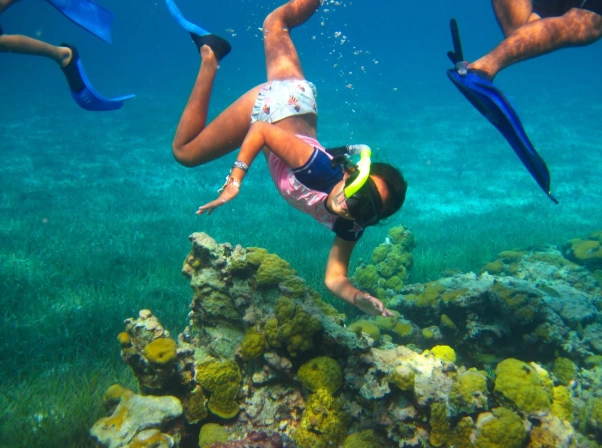
While you can snorkel for free from a few beaches, to get to the truly spectacular reefs, you need a boat. A decent half-day shared boat tour will run you $45-$65 USD per person. Private tours are obviously more. Then there's the $10 USD Marine Park fee that's almost always extra. Add equipment rental if you don't have your own, photos, tips for the crew... a snorkeling day for two can easily cross $150. So, is snorkeling in Cozumel worth it financially? You need to budget for it.
The "Beach" Misconception
This is a big one that disappoints some people. Cozumel's western coast, where the reefs are, is primarily rocky shoreline with piers. The famous reefs are often a swim away from the sand. So, the classic image of walking from your beach towel straight into a coral garden is rare. Places like Playa Palancar or Playa Corona offer some beach access with nearby snorkeling, but the coral there is often less impressive than the offshore sites. You usually need to choose: a great beach day or a great snorkeling day. Combining both perfectly requires planning (or a boat).
Heads Up on Currents: The currents on the deeper reef walls can be strong. They are predictable and guides know them well, but they are not a joke. Always listen to your guide's briefing, never snorkel alone, and stay within the designated area. This isn't a place to test your limits.
Top Snorkeling Spots in Cozumel: From Reefs to Beach Clubs
Where you go defines your experience. Here’s a breakdown of the main spots to help you decide what's worth it for you.
| Spot Name | What You'll See & Vibe | Best For... | How to Get There |
|---|---|---|---|
| Palancar Reef | The superstar. Massive coral formations (spurs and canyons), huge sponges, big schools of fish. Deeper water (20-50ft). Can feel crowded. | Experienced snorkelers comfortable in deeper water. Those wanting the "iconic" Cozumel reef experience. | Boat tour only. Almost all reef tours go here. |
| Columbia Reef | Incredible coral density and vertical walls. Great for seeing larger marine life like turtles and rays. Also deep. | Underwater photographers. Seeing bigger animals. | Boat tour, often combined with Palancar. |
| El Cielo | NOT a coral reef. A shallow sandbar with crystal-clear, waist-deep water. Famous for hundreds of friendly stingrays and starfish. A completely different experience. | Everyone, especially families with kids. A magical, unique photo op. More of a "beach day" feel from a boat. | Boat tour, usually on longer "3-in-1" trips that include reef snorkeling. |
| Chankanaab Beach Adventure Park | Man-made lagoon and offshore snorkel trail. Coral is transplanted but fish are abundant. Has facilities (lockers, restaurants, pool). | Beginners, families, cruise ship passengers with limited time. Convenience over wildness. | Taxi from town. Entry fee (~$26 USD) required. |
| Money Bar Beach Club | No beach, but a great seaside deck. Easy water entry via steps. Shallow reef starts right at the shoreline. Fish are fed here, so they're plentiful. | DIY snorkelers. Those wanting to snorkel on their own schedule. Good food/drinks on site. | Taxi from town. No entry fee, just pay for food/drink. |
| Playa Corona | A small, rustic beach club with a gentle, sandy slope entry. Shallow coral heads close to shore teeming with fish. Very relaxed vibe. | Budget travelers, beginners, a low-key half-day. Good combo of sand and snorkel. | Taxi from town. Small fee for chairs or just buy a drink. |
I have a soft spot for Playa Corona. It’s not the most breathtaking coral, but it’s stress-free. You can rent gear for a few bucks, grab a cheap beer, and pop in and out of the water all afternoon. It answers the "is snorkeling in Cozumel worth it" question for those who hate big organized tours.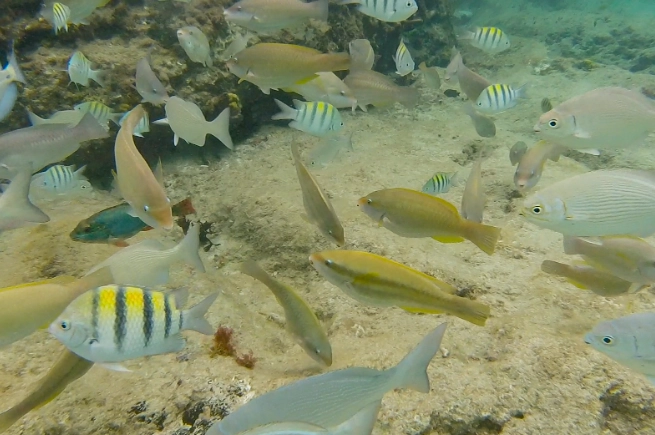
Planning Your Cozumel Snorkeling Trip: A Practical Timeline
Thinking about logistics? Here’s how a smooth snorkeling day unfolds.
Before You Go (A Few Weeks/Months Out)
- Research Tours: Look beyond the first page of Viator. Check out local operators like Eagle Ray Divers, Scuba Tony, or smaller outfits with good reviews for personalized service.
- Consider Your Gear: If you snorkel often, bringing your own mask and snorkel is a game-changer for fit and hygiene. Fins are bulky but nice to have. Most tours provide decent gear, but it's generic.
- Book in Advance for Peak Seasons: Christmas, Spring Break, summer. Don't wait until you arrive.
The Day Before
- Confirm: Call or message your tour operator to confirm meeting time and place. Weather changes quickly.
- Hydrate & Sleep: Sun and saltwater are dehydrating. Start hydrating the day before.
- Pack Your Bag: Swimsuit, rash guard or t-shirt (for sun protection), towel, biodegradable sunscreen (REQUIRED in the Marine Park), waterproof phone case, cash (for fees, tips, extras), refillable water bottle.
Sunblock is Critical: The Mexican government, via NOM-059-SEMARNAT-2010, regulates sunscreens to protect coral reefs. Many tours will check. Buy a reef-safe, biodegradable sunscreen before you arrive. Brands like Stream2Sea or Badger are reliable. Don't risk having yours confiscated.
Snorkel Day Timeline
- 8:00 AM: Have a light breakfast. No heavy, greasy food.
- 8:30 AM: Arrive at the meeting point (always aim to be 15 mins early). Check in, sign waivers, pay any balance.
- 9:00 AM: Board the boat. Listen to the safety and ecology briefing. This is important!
- 9:30 AM: Arrive at first site. Gear up. Enter the water calmly. Remember to breathe slowly through your mouth.
- ~11:30 AM: After 2-3 sites, head back. Tip your guide and crew (standard is 10-15% of the tour cost, if service was good).
- 12:30 PM: Back on land, tired and happy. Rinse off, have a big lunch, and maybe take a nap. You've earned it.
Snorkeling Gear & Essentials: What to Bring vs. What to Rent
Packing smart makes the day better.
Bring From Home:
- Mask & Snorkel: The number one item for comfort. A foggy, leaking mask ruins everything.
- Rash Guard/Long-Sleeve Swim Shirt: Protects from sun and possible jellyfish larvae ("sea lice") in certain seasons. Better than constantly reapplying sunscreen.
- Biodegradable Sunscreen & Lip Balm: As mentioned, non-negotiable.
- Water Shoes: Useful for rocky entries/exits at beach clubs.
Easy to Rent Locally:
- Fins: Most tours have them in all sizes. Saves luggage space.
- Prescription Masks: Available but book in advance if you need one.
- Floatation Vests: Always provided and often mandatory. Use it for extra relaxation and safety.
Cozumel Snorkeling FAQs: Your Questions, Answered
Let's tackle the specific worries that pop up when you're typing "Is snorkeling in Cozumel worth it" into Google.
Is snorkeling in Cozumel good for beginners?
Yes, but with conditions. Choose a tour labeled for beginners or a calm site like Chankanaab or a shallow reef area. Always use the provided floatation vest. Be honest about your nerves—good guides are great at encouragement.
Can I snorkel in Cozumel without a tour?
Yes, at the shore-accessible spots like Money Bar, Playa Corona, or sections of Chankanaab. You'll rent gear on-site. However, you'll miss the famous offshore reefs. For those, a boat is necessary.
What is the best time of year for snorkeling in Cozumel?
Dry season (December to April) offers the calmest seas and sunniest weather, but it's peak season (crowded, pricey). Summer and fall are warmer, with a higher chance of brief afternoon rain, but water is like bathwater and there are fewer crowds. Avoid the two-week period around Norte (strong north wind) season in winter, which can cancel tours.
Are there sharks while snorkeling?
It's extremely rare to see sharks while snorkeling in the areas tours visit. Nurse sharks are harmless bottom-dwellers and you might see one resting under a ledge on a deeper reef, but they want nothing to do with you. I've never seen one while snorkeling, only while scuba diving. It's not a safety concern.
How does Cozumel compare to snorkeling in Cancun or the Riviera Maya?
Cozumel wins on reef health and marine life, hands down. The mainland coast near Cancun and Playa del Carmen has easier beach access (like the cenotes or Akumal for turtles), but the reefs there are generally more impacted by development and runoff. Cozumel's offshore location keeps its water cleaner. If your primary goal is seeing a stunning coral reef, Cozumel is the better choice.
"The Cozumel Reefs National Marine Park is a model for sustainable tourism. The mandatory fees directly fund conservation, patrols, and mooring buoys that prevent anchor damage. When you pay that $10, you're investing in keeping this place worth it for future generations." – This ethos is central to the park's management, as outlined in their conservation goals.
What about sea turtles? Is it guaranteed to see them?
Nothing in nature is guaranteed. However, your chances in Cozumel are very high, especially at sites like Columbia Reef or Palancar. They are common residents. On my last three trips, I've seen at least one turtle each time. A good guide knows where they like to hang out.
So, Is Snorkeling in Cozumel Worth It For You?
Let’s bring it all home.
Snorkeling in Cozumel IS worth it if: You prioritize seeing a healthy, magnificent coral reef system. You're okay with spending $50-$80 for a quality half-day boat tour. You understand it might be a social experience with other snorkelers. You're willing to follow rules to protect the environment. You want visibility so clear it feels like you're in a giant aquarium.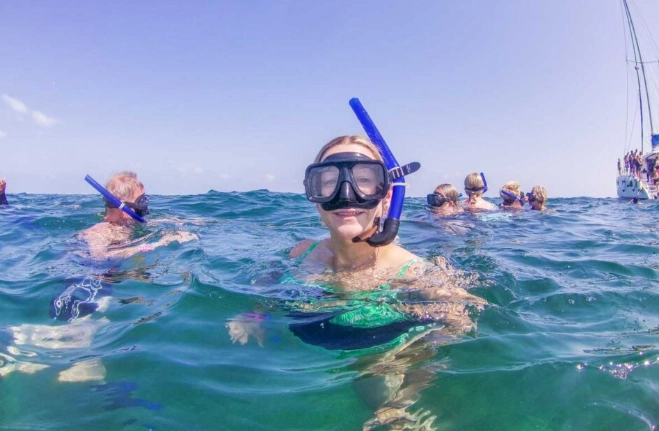
The pros heavily outweigh the cons for most visitors.
You might want to reconsider if: Your entire vacation budget is extremely tight and you can only do free activities. You have a deep aversion to any kind of crowds or organized group activities. You have young children who are not strong swimmers and you only want to wade in from a sandy beach (look at Akumal on the mainland instead).
Final Thought: Years from now, you won't remember the $65 you spent on the tour. You'll remember the moment a sea turtle looked you right in the eye, or the shock of color the first time you looked down at Palancar Reef. That memory, for me, is the ultimate answer to the question. Is snorkeling in Cozumel worth it? For that feeling alone, yes. A thousand times yes. Just go in with your eyes open, plan smartly, and you'll have an experience that defines your trip to Mexico.
Need more official info? The Mexican Ministry of Tourism (SECTUR) provides general travel advisories, and for specific diving and snorkeling safety standards, organizations like PADI (Professional Association of Diving Instructors) set the benchmarks that many local operators follow.
Reader Comments