Explore the Guide
Let's be real for a second. When you think of Colorado, you think of mountains. Big, beautiful, snow-capped mountains. You think of hiking, skiing, and maybe a craft beer on a sunny patio. Snorkeling? Probably not the first activity that pops into your head. I get it. I was the same way until I found myself staring into the surprisingly clear, turquoise water of a high-alpine lake one summer, wondering what was beneath the surface.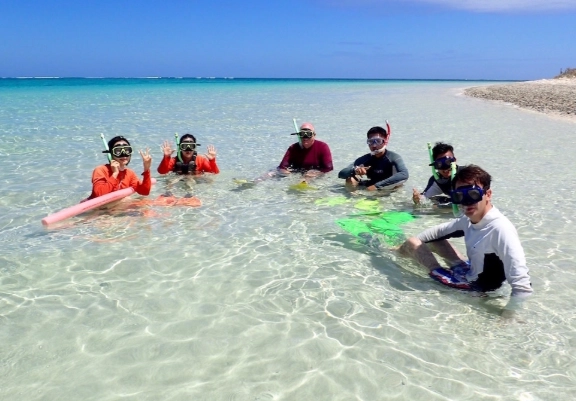
The search for "snorkeling day trips near Colorado" is a classic case of someone with a great idea but a tricky geography problem. Colorado is landlocked, famously so. The nearest ocean is hundreds of miles away. So what's a water-loving adventurer to do? Give up? Absolutely not.
This guide isn't about pretending Colorado has tropical reefs. It's about embracing a different, often overlooked kind of snorkeling: freshwater snorkeling. It's also about the absolutely fantastic snorkeling day trips you can take from Colorado to neighboring states that offer world-class underwater experiences. We're talking about driving distances that are totally manageable for a long day or a weekend.
So, whether you're a curious beginner or an experienced snorkeler missing the saltwater, let's dive into the real possibilities for snorkeling near Colorado.
Can You Actually Snorkel IN Colorado?
Yes, you can. But you have to adjust your expectations. Forget clownfish and coral. Think instead of submerged forests, rock formations, and freshwater fish like trout, bass, and perch. The experience is quieter, more serene, and often comes with a breathtaking mountain backdrop. The key is knowing where to look for the clearest water.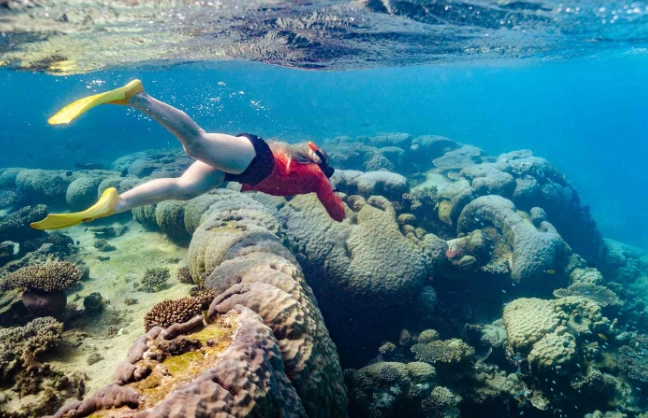
Top Spots for Snorkeling in Colorado Itself
These are the lakes and reservoirs where, with the right conditions (mainly summer/early fall and a calm day), you can have a genuinely enjoyable snorkel experience right in the state.
| Spot Name | Location (General Area) | What Makes it Good for Snorkeling | The Catch / Things to Know |
|---|---|---|---|
| Homestake Reservoir | Near Leadville & Minturn | Known for exceptionally clear, cold water. Interesting rock structures and drop-offs to explore. Feels alpine and pristine. | Very cold water year-round. High altitude. Access can depend on water levels and specific rules. |
| Turquoise Lake | Leadville | Lives up to its name with beautiful blue-green hues. Good shoreline access in places. | Can get windy, which kills visibility. Popular for boating, so pick a quiet spot and time. |
| Blue Mesa Reservoir | Gunnison | Colorado's largest body of water. Has areas with good clarity, especially along certain cliffs and inlets. | Huge and deep. Wind is a major factor. Best to seek out protected coves. |
| Grand Lake | Rocky Mountain National Park area | Colorado's largest natural lake. Clear, deep water with a classic mountain lake vibe. | Cold. Often busy with motorized boats. The western side might offer quieter entry points. |
| Clear Creek Reservoir | North of Buena Vista | Often has decent visibility, as the name suggests. Less crowded than some front range options. | Another one where wind can be an issue. Water levels fluctuate. |
My personal favorite from this list is Homestake. The clarity there on a calm August morning can be startling. But I won't sugarcoat it—even on a good day, the visibility might max out at 15-20 feet, not the 100+ feet you get in the tropics. You go for the peace, the challenge, and the novelty of snorkeling with 14,000-foot peaks in view.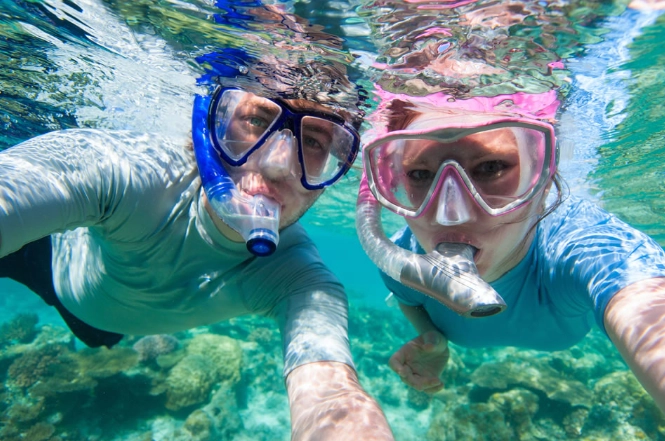
The Real Gems: Snorkeling Day Trips FROM Colorado
Okay, now for the really exciting part. If you're willing to drive 4-8 hours from the Front Range, you can access some of the most unique and incredible freshwater snorkeling and diving sites in North America. These make for epic long day trips (very early start, late return) or perfect weekend getaways. This is where the search for "snorkeling day trips near Colorado" truly pays off.
Top 1: Homestead Crater, Midway, Utah (~6.5 hours from Denver)
This place is bonkers. It's a geothermal spring inside a 55-foot tall, beehive-shaped limestone rock. The water is a constant 90-96°F. You don't need a wetsuit—just your swimsuit and gear. The mineral-rich, crystal-clear water offers about 65 feet of visibility. You snorkel (or even scuba dive) in a warm, steamy cavern with a hole open to the sky above. It's otherworldly.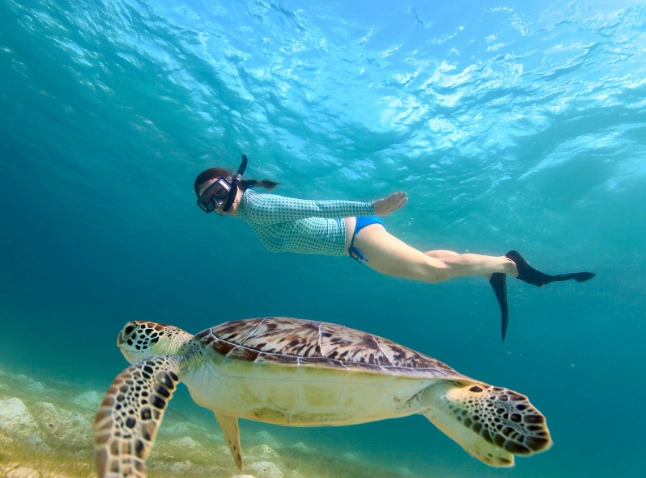
The catch? You must book a reservation in advance through the Homestead Resort. It's a controlled, private facility. It's not a wild, natural hot spring you just stumble upon. But for a guaranteed, warm, clear-water snorkel within a day's drive of Colorado, it's unbeatable. It feels more like a spa treatment than an ocean adventure, but it's unforgettable.
Top 2: Blue Water of the Bonneville Seabase, Grantsville, Utah (~7.5 hours from Denver)
This one is for the snorkeler who misses saltwater life. The Bonneville Seabase is a private facility featuring several spring-fed lagoons. Here's the magic: due to a unique mineral composition, these freshwater lagoons support a thriving population of saltwater fish—angel fish, sergeant majors, puffers, and even small sharks and stingrays. It's surreal.
You're snorkeling in what feels like a Caribbean cove, but you're in the Utah desert. The water is a constant 80-85°F year-round. You need to contact them in advance to schedule a visit and pay a fee. It's a managed ecosystem, not a public lake. For seeing tropical marine life without a flight, this is your best bet for a snorkeling day trip near Colorado. Just be prepared for the drive across Utah.
Top 3: The Clear Waters of Navajo Lake, New Mexico (~6.5 hours from Denver)
Heading south, Navajo Lake straddles the Colorado-New Mexico border. The New Mexico side, particularly around the Pine River and San Juan River arms, is renowned for incredibly clear water, especially in the early summer before runoff clouds it. You can find visibility of 30+ feet on good days.
It's a massive reservoir with sandstone cliffs, submerged trees (in some areas), and lots of bass and trout. You have the freedom to explore coves and inlets from public access points. It's a more traditional, "find-your-own-adventure" type of snorkel compared to the managed experiences in Utah. Check conditions with local marinas and always be cautious of boat traffic. The New Mexico State Parks site for Navajo Lake is a good resource for current info.
Gearing Up for Freshwater & Day Trip Snorkeling
Your standard tropical snorkel kit might need a few upgrades. Here’s what’s different:
- Exposure Protection is #1: For Colorado lakes, a 5mm to 7mm wetsuit is essential. Consider a hood and gloves. For the Utah hot springs (Homestead), no wetsuit needed. For Seabase or New Mexico lakes in summer, a 3mm shorty or full suit is comfortable.
- Mask & Snorkel: A good, fog-resistant mask is critical. Water clarity is precious; you don't want a leaky mask ruining it. A dry-top snorkel is nice to have if a small wave surprises you.
- Fins: Sturdy, closed-heel fins are better for rocky entries in lakes. Open-heel scuba-style fins with booties also work great and keep your feet warmer.
- Other Must-Haves: A bright-colored safety buoy or dive flag is crucial for visibility to boats. A waterproof bag for your keys/phone. Tons of sunscreen (reef-safe is a good habit). Lots of water and snacks for the drive home.
When to Go: Timing Your Snorkeling Day Trip Near Colorado
Seasonality is everything, especially for the in-state spots.
- Colorado Lakes (Homestake, Turquoise, etc.): Late July through mid-September is your window. This is after spring runoff has settled and before the first snows chill the surface. Water is still cold, but air temps are warm. Go on a weekday for less wind and fewer people.
- Utah Destinations (Homestead Crater, Seabase): These are year-round adventures! Homestead Crater is especially magical in the winter when the contrast between the cold air and the warm, misty water is dramatic. It's the most reliable option for a snorkeling day trip near Colorado any month of the year.
- New Mexico Lakes (Navajo): May-June (pre-monsoon, clear) and September-October (stable weather) are ideal. Summer afternoons can bring thunderstorms.
Always, always check the specific website or call ahead for the Utah facilities. For the lakes, check state park conditions and weather forecasts religiously.
Answering Your Questions (The FAQ You're Thinking)
Is the snorkeling any good in Colorado's mountains?
"Good" is subjective. If you define "good" as warm, clear water teeming with colorful life, then no. If you define it as a unique, challenging, and serene way to experience an alpine environment, then absolutely yes. It's a niche activity with its own rewards.
What's the best snorkeling day trip from Denver?
For a guaranteed, unique, and comfortable experience, Homestead Crater in Utah is the winner. The combination of warm water, no wetsuit needed, crystal clarity, and the sheer uniqueness of the location makes it worth the drive. It solves all the problems (cold, visibility, weather) that plague natural lake snorkeling.
Do I need a wetsuit to snorkel in Colorado?
For anything other than Homestead Crater, yes, 100%. Not only for comfort but for safety. Cold water saps your heat incredibly fast. A 5mm wetsuit will extend your time in the water from minutes to a pleasant hour.
Are there any tropical fish near Colorado?
Not in the wild. The only place you'll see tropical marine species is at a controlled environment like the Bonneville Seabase in Utah. It's a fascinating man-made ecosystem that feels like a secret.
Making Your Plan: A Quick Checklist
- Pick Your Type: Decide—chilly alpine exploration (in-state) or a road trip to a guaranteed clear-water spot (Utah/NM).
- Check Conditions & Book: For lakes: check wind forecast, water levels, and park alerts. For Utah spots: BOOK YOUR RESERVATION. They do sell out.
- Pack Smart: Wetsuit (if needed), mask/snorkel/fins, safety buoy, water, snacks, sunscreen, warm dry clothes for after.
- Drive & Dive In: Start early. These are long drives. Be safe on the road so you have energy for the water.
- Respect the Environment: Don't touch or stand on delicate sediment. Follow all local rules. Pack out everything you pack in.
So, can you find amazing snorkeling day trips near Colorado? Absolutely. You just have to know where to look and what to expect. Ditch the tropical daydream, embrace the freshwater reality and the incredible road-trip destinations next door. The mountains hold secret views below the waterline, and a short drive unlocks warm, crystal-clear waters that defy the high desert landscape.
Your underwater adventure, Colorado-style, is waiting.
Reader Comments