Let's be honest. When you picture snorkeling, you might imagine fighting a current, fogging up a mask, or that panicky feeling when water goes up your nose. It shouldn't be like that. Easy snorkeling is about floating in bathtub-warm, crystal-clear water over a garden of coral, with fish so close you could almost touch them. No drama, just wonder. If you're a first-timer, traveling with kids, or someone who just wants a relaxed, guaranteed-good experience, you're in the right place. This guide cuts through the hype and shows you the spots where success is almost certain.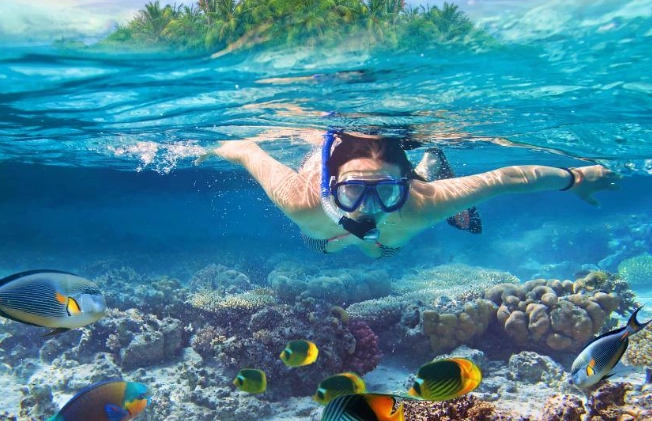
What's Inside This Guide
What Makes a Snorkeling Spot "Easy"? (The 4 Golden Rules)
Forget just "pretty water." An easy snorkeling spot is engineered for comfort. Here’s what to hunt for:
Calm, Protected Water: Look for bays, lagoons, or reefs sheltered by land. These areas have minimal waves and current. A choppy surface is exhausting for a beginner.
Shallow Depth: Ideal spots range from waist-deep to about 10 feet. This lets you stand up if needed, reduces pressure on your ears, and keeps the sunlight bright on the reef below.
Easy Water Entry: A sandy beach or a gradual, sandy slope into the water is king. Avoid spots where you have to climb down rocky cliffs or ladder off a boat for your first time.
Abundant & Accessible Marine Life: The fun is seeing stuff! Easy spots often have reefs close to shore, seagrass beds, or even underwater statues that attract fish right where you can easily swim.
I learned this the hard way years ago in Costa Rica. I went to a famous beach, but it was open ocean with waves. Spent 20 minutes battling the surf just to get out, saw nothing, and came back exhausted. The next day, I found a tiny, protected cove 10 minutes away. It was like switching channels from an action movie to a serene nature documentary.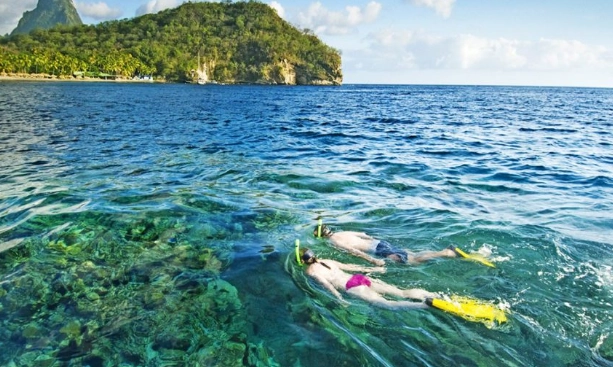
Top Easy Snorkel Spots Around the World
These aren't just pretty names; they're locations that consistently deliver on the "easy" promise. I've prioritized spots where you can often snorkel right from the beach.
1. Hanauma Bay, Oahu, Hawaii
Why it's easy: This is a nature preserve in a volcanic crater, creating a nearly perfectly circular, protected bay. The inner reef is shallow and calm. Fish are so accustomed to snorkelers they'll swim around your legs.
Key Info: You must make an online reservation in advance (they sell out). There's an entrance fee (around $25 for non-residents) which includes a mandatory 9-minute conservation video. It's closed on Mondays and Tuesdays. Get there early (opens at 6:45 AM) for the calmest water and fewer crowds. Parking is limited.
What you'll see: Parrotfish, butterflyfish, sometimes green sea turtles in the deeper channels.
My tip: After the main beach, walk left along the path to the "Toilet Bowl" area. It's less crowded and has great, easy snorkeling over shallow coral heads.
2. John Pennekamp Coral Reef State Park, Key Largo, Florida
Why it's easy: While much of the coral reef is offshore, the park has a brilliant beginner option: the Christ of the Abyss snorkel tour. It's a boat ride, but the site is in a protected, shallow area (about 25 feet deep). The iconic statue is a focal point, and the boat crew provides excellent guidance for new snorkelers.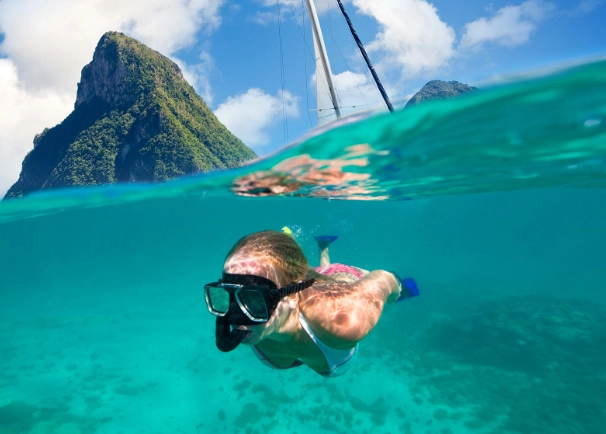
Key Info: Book the specific "Christ of the Abyss" snorkel tour through the park's official concessionaire. Tours run multiple times daily. Cost is typically $40-$50 per person plus park entrance fee. The boat ride is about 30 minutes each way.
What you'll see: The famous bronze statue, schools of grunt and snapper, brain coral, and maybe a barracuda.
My tip: If you're nervous about the boat, practice in the park's Manatee Lagoon first (no swimming with them, just observing from the dock) to get comfortable with your gear in calm, confined water.
3. La Jolla Cove, San Diego, California
Why it's easy: It's a small, picturesque cove protected by sea cliffs. The water is often clearer here than elsewhere in Southern California. The entry is from a sandy beach, and the kelp forest starts very close to shore in water that's often chest-deep.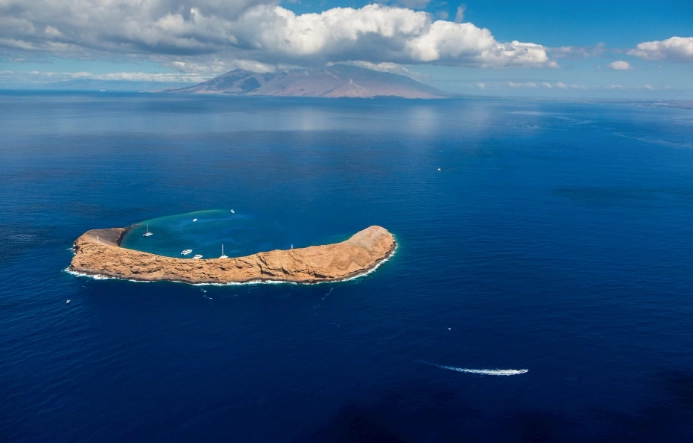
Key Info: Free public access. Parking can be a nightmare—use the street parking further up and walk down, or go early. Best snorkeling is at high tide for more water over the rocks. Water is cold year-round (55-70°F). A wetsuit is not a suggestion; it's a requirement for comfort.
What you'll see: A magical kelp forest, Garibaldi (California's bright orange state fish), leopard sharks (harmless) resting on the sandy bottom in summer.
My tip: Rent a 5mm or 7mm wetsuit, boots, and gloves from a local shop like La Jolla Surf Systems. The cove is also part of the San Diego-La Jolla Underwater Park, a protected ecological reserve, so look but don't touch anything.
Other fantastic honorable mentions: Trunk Bay, St. John (USVI) for its underwater trail (though it can get crowded), Molly's Reef, Roatan, Honduras for incredible shore-access coral, and the lagoon at Bora Bora's resorts (if you're going the splurge route).
Gear Choices That Make or Break Your Day
Rental gear works, but a few smart choices eliminate 80% of beginner frustration.
The Mask: This is the most personal piece. A common mistake is choosing a mask that's too big. It should suction to your face without the strap, just by you inhaling gently through your nose. No hair should be under the skirt. For a fogging solution, spit in it, rub it around, and rinse once with seawater. It's gross but it works better than any spray I've bought.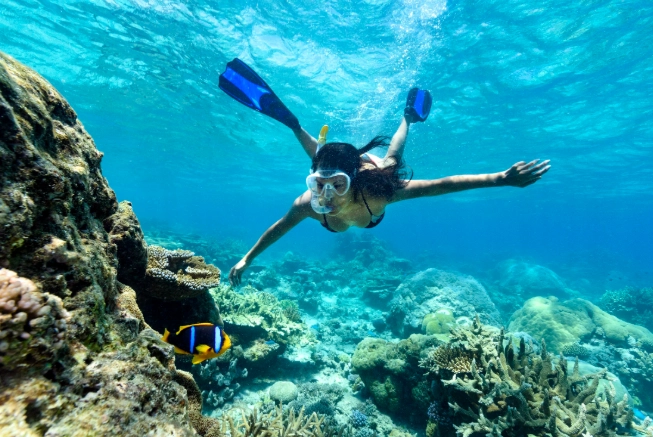
The Snorkel: Avoid complex "dry" snorkels with fancy valves that can fail. A simple semi-dry snorkel with a splash guard on top is perfect. It prevents most water entry and is easy to clear if some gets in.
Fins: Get full-foot fins (like boots) for warm water, beach snorkeling. They're easier to get on/off. Open-heel fins (with straps) are for colder water with booties. Don't get ones that are too stiff; you want flexible fins for easy kicking.
If you snorkel more than once on a trip, buying your own mask and snorkel (around $60 total) is the best investment for hygiene and fit. I've had my mask for 8 years.
Simple Techniques No One Tells You
You don't need a certification. You need these three habits.
Breathing: It's Not What You Think
Breathe slowly and deeply. In through your mouth, out through your mouth. The loud Darth Vader sound is normal. The moment you start breathing fast and shallow is when panic creeps in. Practice floating face-down in a pool first, just breathing.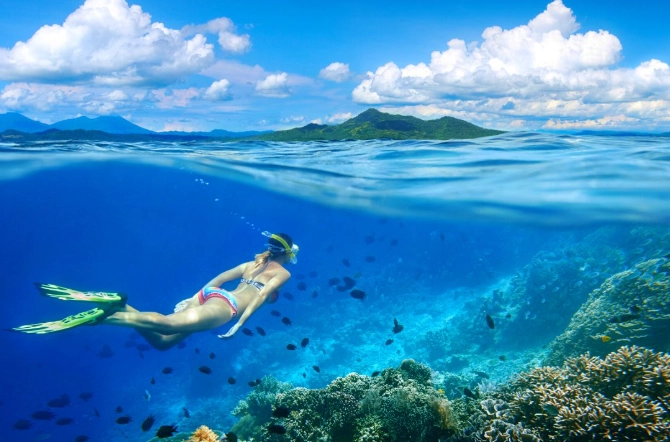
The Float Test
Before you swim out to the reef, put your face in the water and float for 60 seconds. Get your breathing rhythm. Look around. Adjust your mask if it's leaking. This calm minute sets the tone for the whole session.
Look Down, Not Just Forward
New snorkelers often just look straight ahead at the blue. Tilt your head down and scan the bottom, the reef walls, the sandy patches. That's where the life is. Move slowly. If you're kicking frantically, you're scaring everything away and missing the details.
Planning Your Easy Snorkel Adventure
A little research saves a bad day.
Check Seasonal Conditions: Water clarity, temperature, and calmness vary. The Caribbean is generally calmest in summer, but that's also hurricane season. Hawaii's south shores (like Hanauma) are best in summer; north shores are winter surf territory. A quick search for "[Destination] snorkeling season" helps.
Read Recent Reviews: Don't look at reviews from 2019. Look at the past 2-3 months on TripAdvisor or Google. People will report if the water has been murky, if a storm damaged the reef access, or if jellyfish are present.
Consider a Guided Tour for Day 1: Even for an easy spot, a local guide on a small group tour is worth it. They know exactly where to go, provide all gear, and give safety and ecological briefings. It builds confidence. Companies like SeaTrek BVI or local operators in Hawaii are experts at this.
Respect the Reef: This isn't just virtue signaling; it's practical. Standing on coral kills it and can give you a nasty cut. Use reef-safe sunscreen (mineral-based, like zinc oxide). Touching marine life can harm them or you (hello, fire coral). The National Oceanic and Atmospheric Administration (NOAA) has great guidelines on reef etiquette.
Your Questions, Answered
I'm not a strong swimmer. Can I still snorkel at these easy spots?
Absolutely. In fact, these spots are chosen because they accommodate non-strong swimmers. Use a snorkel vest (often provided on tours). They're not bulky life jackets; they're inflatable belts or vests you add a little air to for positive buoyancy. You float effortlessly. Stay in the shallow areas where you can always stand up. Your energy should go to looking, not swimming.
My child is 6. Are these spots truly suitable for kids?
Yes, with caveats. First, practice in a pool at home with their gear. Make it a game. At the location, choose the calmest, shallowest corner—often the edges of the main snorkeling area. Hanauma Bay's far left shallows are perfect for this. Stay within arm's reach. Limit sessions to 20-30 minutes. Kids get cold and bored quickly. The goal is a positive, short experience, not a marathon.
What's the one piece of gear most beginners forget but really need?
A rash guard or UV-protective swim shirt. It prevents sunburn on your back (impossible to reach with sunscreen), protects from minor scrapes, and provides a bit of warmth. It's more effective and eco-friendly than slathering on sunscreen every hour. Pair it with swim leggings or shorts for full coverage.
I get water in my snorkel easily and have to surface. What am I doing wrong?
You're probably diving down or turning your head sharply underwater. A semi-dry snorkel can only do so much. The key is to exhale a sharp burst of air through your mouth the moment you surface. This "blast" clears almost all the water from the tube before you even take your first inhale. Practice in shallow water: submerge, let the tube fill, surface, blast, breathe.
Is it worth going to a famous spot if it's crowded?
This is a trade-off. Crowded spots (like parts of Trunk Bay) are famous because they're reliably easy and beautiful. The upside: facilities, rentals, and safety in numbers. The downside: people. My strategy: go at off-peak times (first thing in the morning, late afternoon) or walk 5-10 minutes away from the main entry point along the beach. You'll often find an equally good, quieter stretch of reef. The crowd is usually concentrated in one small area.
The world underwater is quiet, colorful, and endlessly fascinating. It's not a club with a difficult entry test. By choosing the right easy snorkeling spot, getting comfortable gear, and moving slowly, you unlock that world with minimal stress. Start with one of the spots above, focus on your breathing, and look down. You'll be hooked.
Reader Comments