In This Guide
- The Honest Truth About Risk: Putting Shark Encounters in Perspective
- Why Sharks Aren't the Monsters Movies Make Them Out to Be
- Your Practical Guide to Safe Snorkeling in Shark Waters
- Common Myths and Questions About Snorkeling and Sharks
- When the Risk is Higher: Understanding Context
- Beyond Fear: The Incredible Value of Sharing the Water with Sharks
So you're thinking about a snorkeling trip, maybe somewhere tropical and beautiful, and that little voice in your head pops up. You know the one. It whispers, "But what about sharks?" It's a question as old as the ocean itself for anyone dipping their toes into the big blue. Is snorkeling dangerous sharks lurking out there, just waiting? Let's cut through the Hollywood hype and the social media fear-mongering and get to the truth.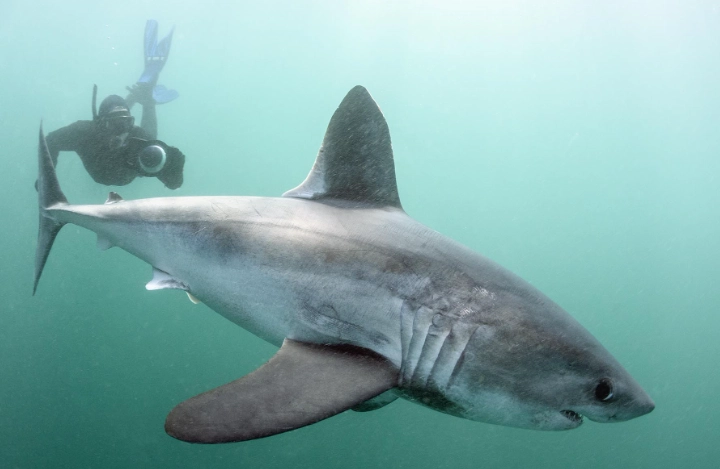
I remember my first time snorkeling in the Bahamas. The water was unbelievably clear, the coral was like a psychedelic dream, and then I saw it. A dark shape moving on the edge of visibility. My heart did a backflip. It turned out to be a harmless, albeit large, grouper. But that moment of primal fear? It's real. It's also mostly unnecessary, and understanding why is the key to unlocking some of the most incredible experiences on the planet.
The Bottom Line Up Front: For the vast, vast majority of snorkelers, the answer to "is snorkeling with sharks dangerous" is a resounding no. Statistically, you are in more danger driving to the beach than you are in the water with sharks. But—and this is a big but—it's not a theme park. It's the wild. Respect, knowledge, and common sense are your best gear.
The Honest Truth About Risk: Putting Shark Encounters in Perspective
Let's talk numbers, because fear hates facts. The International Shark Attack File (ISAF) is the global database for shark-human incidents, run by the Florida Museum of Natural History. It's the gold standard for this data.
In a typical year, there are around 70-80 unprovoked shark bites reported worldwide. Not all are fatal—in fact, most are not. The annual fatality number usually sits between 4 and 6. Now, compare that to some other risks we take without a second thought.
- Falling Coconuts: Seriously. They account for about 150 deaths per year.
- Toilets: Injuries and deaths from toilet-related accidents dwarf shark incidents.
- Lightning Strikes: Kills about 20-30 people in the US alone each year.
- Surfing, Swimming, and Wading: These account for the majority of shark incidents, not snorkeling or scuba diving.
See what I mean? The perception of danger is completely out of whack with the reality. When you ask is snorkeling dangerous sharks, you're asking about a statistically tiny risk.
Why Sharks Aren't the Monsters Movies Make Them Out to Be
Most sharks have zero interest in you. You're not on the menu. You're a weird, noisy, bubble-blowing anomaly. Their curiosity might get the better of them—a bump or a close swim-by is often just an investigation. It's like a dog sniffing you. It doesn't mean it wants to eat you.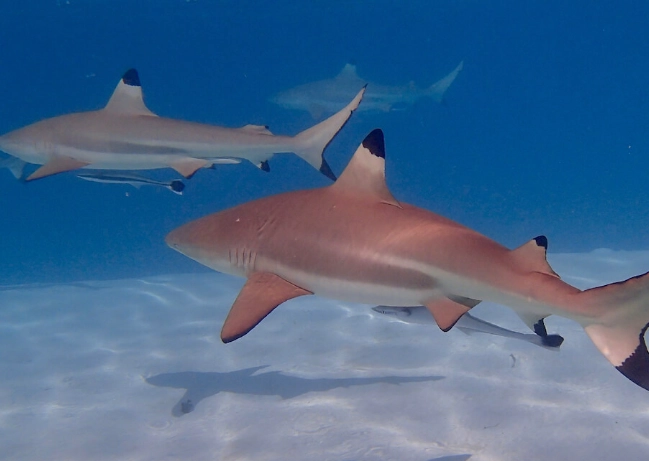
Sharks are predators, yes. But they're not mindless killers. They're essential to ocean health, keeping ecosystems in balance. The vast majority of shark species are physically incapable of seriously harming a human. We're just too big and bony.
I've been lucky enough to snorkel with reef sharks in the Pacific. The first time, my adrenaline was through the roof. But after a few minutes, watching them glide effortlessly, paying us no more mind than they would a rock, the fear melted into awe. They were just... there. Living their lives. It was humbling, not terrifying.
The Sharks You're Actually Likely to See (and Which Ones to Give Space)
Not all sharks are created equal. On a typical coral reef snorkel, if you see a shark at all, it will likely be one of these guys:
| Shark Species | Typical Size | Common Habitat for Snorkelers | Risk Level & Behavior Notes |
|---|---|---|---|
| White Tip Reef Shark | 3-5 ft | Coral reefs, resting in caves or sand during day | Very Low. Slender, timid, nocturnal. Will almost always swim away from snorkelers. |
| Black Tip Reef Shark | 4-6 ft | Shallow reef lagoons, drop-offs | Very Low. Curious but skittish. Known for their acrobatic jumps out of water. |
| Nurse Shark | 7-10 ft (but harmless) | Sandy bottoms, under ledges | Negligible. Bottom-dwellers, docile. They suction-feed on crustaceans. Often mistaken for dangerous species due to size. |
| Lemon Shark | 6-10 ft | Mangroves, shallow sandy bays (juveniles) | Low. Generally wary of humans. More common in specific locations like the Bahamas. |
| Hammerhead (Scalloped) | 6-8 ft | Near reefs, open water | Low. Usually found in schools. Shy and difficult to approach. A rare and special sighting. |
The big names that fuel the fear—Great Whites, Tigers, Bulls—are rarely encountered by snorkelers in standard tourist locations. They prefer different habitats (cooler waters, murky river mouths, deep off-shore). If you're snorkeling off a resort reef in the Caribbean or Southeast Asia, the chance of meeting one is astronomically low.
Your Practical Guide to Safe Snorkeling in Shark Waters
Okay, so the risk is low. But it's not zero. And we're not idiots—we want to stack the odds even more in our favor. Here’s how to be a smart snorkeler. This isn't about fear; it's about being a respectful and prepared guest in the ocean.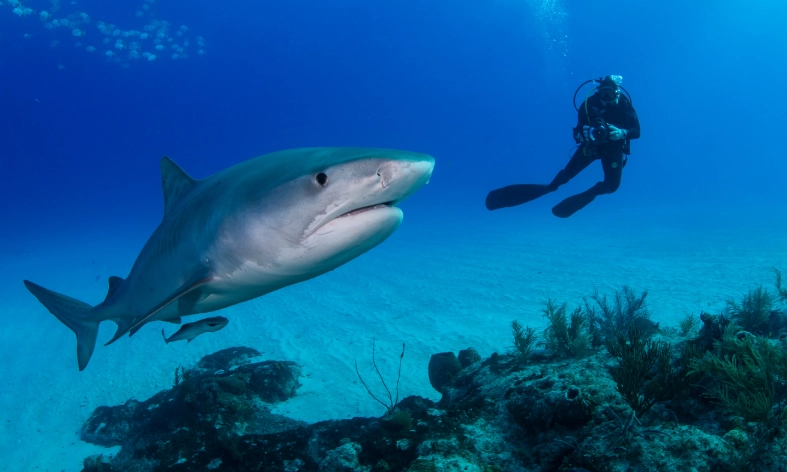
Top 5 Non-Negotiable Safety Rules:
- Don't Snorkel at Dawn, Dusk, or Night. This is prime feeding time for many predators, including sharks. Visibility is also poor. Stick to daytime hours.
- Leave the Jewelry on the Boat. Shiny objects can resemble fish scales. Ditto for brightly colored or high-contrast swimwear. Opt for muted blues, blacks, or greens.
- Avoid Areas with Active Fishing. Bait, struggling fish, and chum (blood and guts) in the water are dinner bells. This is a major trigger for aggressive behavior.
- Don't Snorkel Alone. This is just good practice for all water safety, not just sharks. A buddy system is crucial.
- Stay Calm and Move Slowly. Erratic, splashing movements can mimic a distressed animal—prey. If you see a shark, remain calm, keep it in your sight, and slowly back towards your boat or group.
What about shark repellents? Some tours might offer electronic deterrent devices. The science on their effectiveness for snorkelers is mixed. Your best deterrent is your own sensible behavior.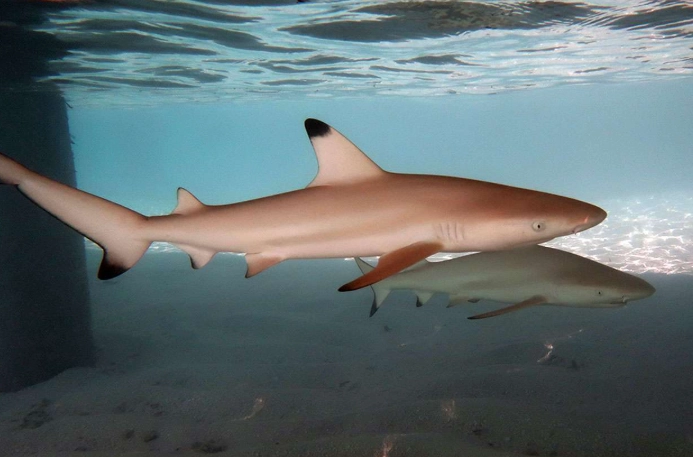
Choosing a Responsible Tour Operator
This is huge. A good operator is your best safety net. A bad one can put you at needless risk. Here’s what to look for:
- They Brief You Thoroughly: Before you even get wet, they should explain local marine life, safety procedures, and what to do if you see a shark (usually: enjoy the sighting!).
- They Don't Chum or Bait the Water for Snorkeling Tours: Baiting ("chumming") is for specific shark diving experiences, not general snorkeling. It changes shark behavior and should be a red flag for a casual snorkel trip.
- They Have Small Group Sizes and Competent Guides: You want guides in the water with you, not just on the boat. They should be first-aid and CPR certified.
- They Have a Clear Safety Protocol: Ask about it. How do they monitor guests? What's the emergency plan?
I once went on a budget tour where the "briefing" was a mumbled "don't touch anything." We ended up in a channel with strong current and poor visibility. Saw no sharks, but felt unsafe the whole time. It was a reminder that the operator matters more than the wildlife.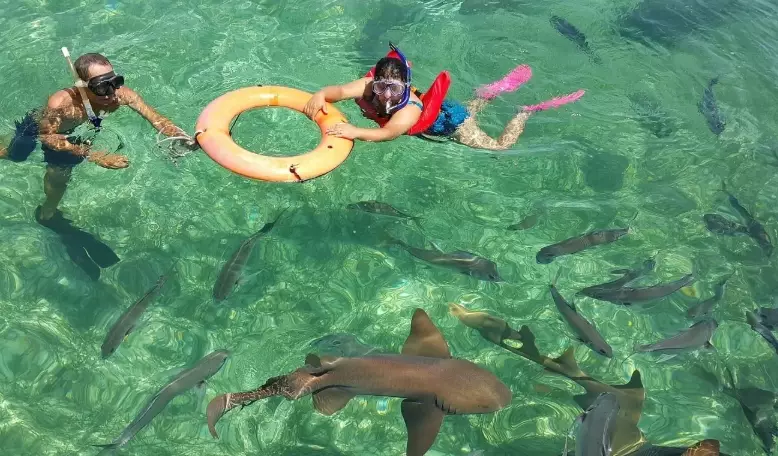
Common Myths and Questions About Snorkeling and Sharks
Let's tackle the stuff people are really searching for, the questions that keep them up at night before a trip.
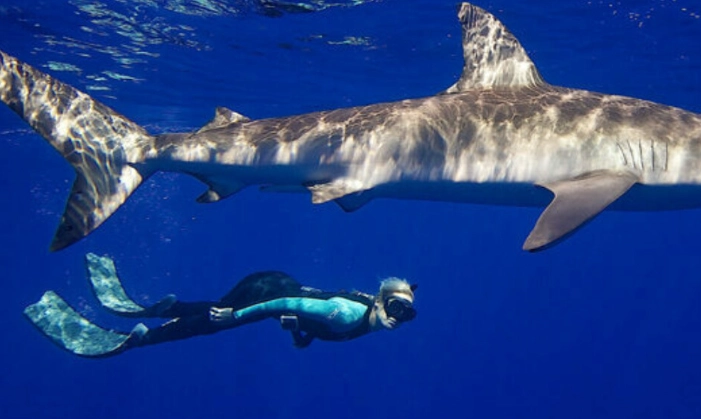
See? A lot of the fear comes from unanswered questions. Getting clear answers makes all the difference.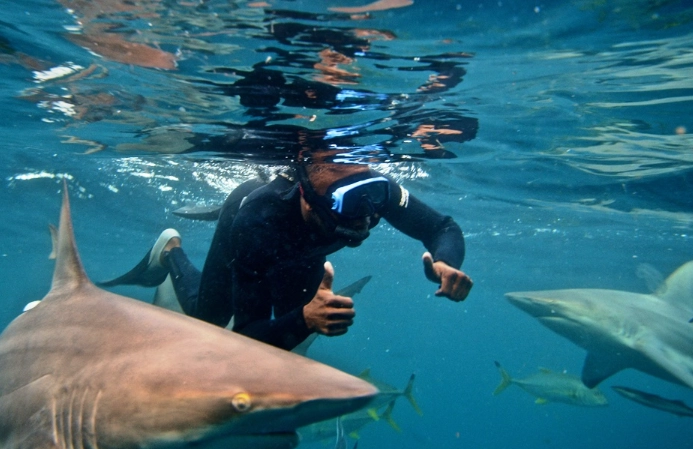
When the Risk is Higher: Understanding Context
We've said the risk is low. But let's be brutally honest—context is everything. Some situations do elevate risk. It's not about living in fear, but about informed choice.
- Murky Water / Low Visibility: This is a big one. Sharks are ambush predators in some contexts. In murky water (like near river mouths, after heavy rain, or in certain lagoons), they might mistake a human silhouette for prey. If you can't see 20 feet ahead, be extra cautious.
- Seal or Sea Lion Colonies: These are natural shark prey. Snorkeling near a bustling pinniped colony, especially in places like South Africa or parts of California, inherently increases the chance of a predator being in the area. This is a known higher-risk scenario.
- Spearfishing: If you or someone nearby is spearfishing, you are actively creating the stimuli that attract sharks: struggling fish and blood. This is a completely different ball game from recreational snorkeling.
My Personal Rule: I avoid snorkeling in murky water, full stop. It's not just about sharks—it's about currents, boat traffic, and not being able to see the amazing stuff anyway. The joy of snorkeling is crystal-clear visibility. If the water looks like pea soup, I'll find a different beach or activity for the day.
Beyond Fear: The Incredible Value of Sharing the Water with Sharks
Once you move past the fear, something magical happens. You start to see sharks for what they are: apex predators that are critical to a healthy ocean. Organizations like the National Oceanic and Atmospheric Administration (NOAA) consistently highlight the vital role sharks play in their ecosystems. They're not villains; they're regulators.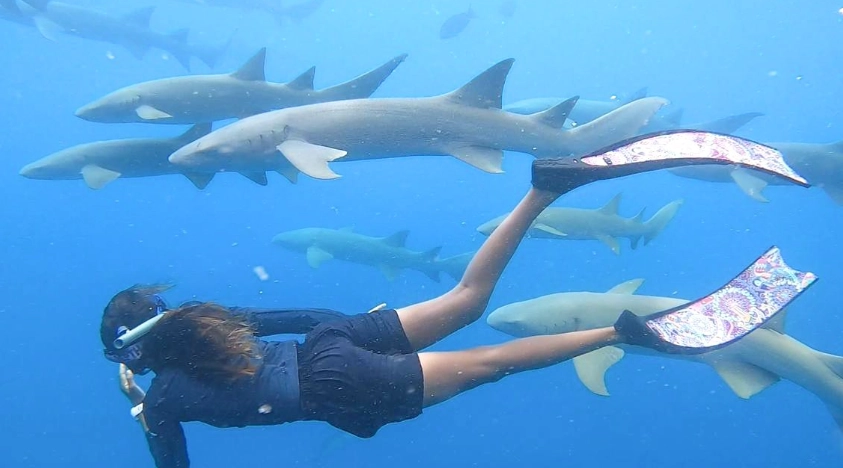
Seeing a shark while snorkeling, from a safe and respectful distance, is often the highlight of a trip. It's a raw, authentic connection with the wild that you can't get anywhere else. It's a story you'll tell for years.
So, is snorkeling dangerous sharks? The balanced, fact-based answer is that it is an activity with a very low level of risk, a risk that can be managed almost to zero with knowledge, preparation, and respectful behavior. The real danger isn't the sharks—it's the misinformation that keeps people from experiencing one of the most beautiful parts of our world.
Do your research, pick a good guide, follow the basic rules, and get in the water. The ocean is waiting, and it's far friendlier than you've been led to believe.
Reader Comments