Let's cut to the chase. If you're looking for easy-access, world-class snorkeling from a sandy beach, Roatan is arguably the best island in the Caribbean for it. The Mesoamerican Barrier Reef, the second largest in the world, hugs the island's shore. You can literally walk in from the sand and be surrounded by parrotfish, angelfish, and brain coral within minutes. But knowing where to go and how to do it right makes all the difference between a good trip and an unforgettable one.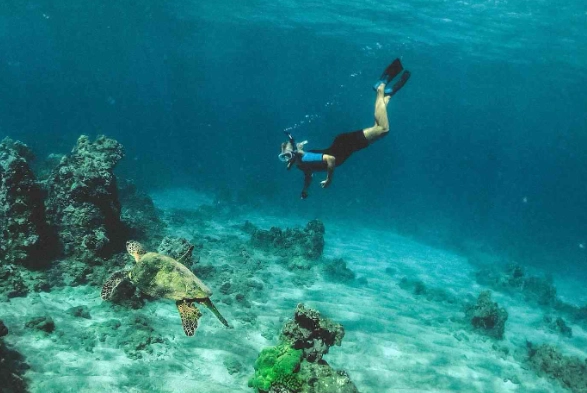
I've lost count of my trips there. I've seen first-timers overwhelmed with joy and seasoned divers nodding in approval. I've also seen people make simple mistakes that cost them time and money.
What's in This Guide?
Why Roatan Snorkeling is a Top Choice
It boils down to accessibility and health. The reef is close—often just a short swim from shore. You don't need to be an Olympic athlete. The water is warm year-round (78-84°F / 25-29°C) and visibility frequently exceeds 100 feet. Compared to other Caribbean hotspots, Roatan feels less commercialized on the water. You won't find 20 boats circling one buoy at the major snorkel sites... if you know where to look.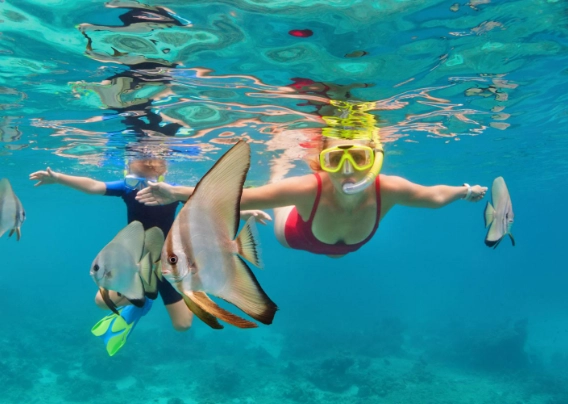
The island's geography is key. The south shore has calm, protected bays. The north shore has deeper walls and more dramatic drop-offs, better suited for boat trips. A report by the Healthy Reefs Initiative has consistently given the reefs off Roatan higher health scores than many other parts of the Mesoamerican Reef system, citing strong fish populations and coral structure.
Healthy reef equals more fish. It's that simple.
The 4 Can't-Miss Snorkeling Spots in Roatan
Forget just one "best" spot. Roatan offers different experiences. Here’s the breakdown.
td>The famous "Wall" starts in just 10-15ft of water. Massive coral formations, schools of blue tang, trumpetfish, occasional turtles.| Spot | Location / Access | What You'll See | Best For |
|---|---|---|---|
| West Bay Beach | West Bay, near Infinity Bay resort. Public beach access points exist. | First-timers, families, DIY snorkelers. Walk in and go. | |
| West End Walls | Off the coast of West End Village. Requires a boat or a long swim. | Deeper walls (30-60ft), bigger marine life like eagle rays and groupers. Less crowded than West Bay. | Confident swimmers, those wanting a boat trip feel without the tour. |
| Mahogany Bay / Tabyana Beach | Adjacent to the Carnival cruise port. Day passes available from resorts. | Calm, shallow waters with extensive coral gardens. Very easy conditions. | Cruise ship passengers, absolute beginners, calm water seekers. |
| Blue Channel | East of French Harbour. Accessible by tour boat only. | A natural channel with strong fish aggregations. Often includes a stop at a starfish sandbar. | Those booking a full-day boat tour, seeing a variety of sites. |
A quick note on West Bay: It's stunning, but the section directly in front of the big resorts gets packed. Walk 10 minutes down the beach towards the rocks on the right (facing the water), and you'll find quieter entry points with equally good coral.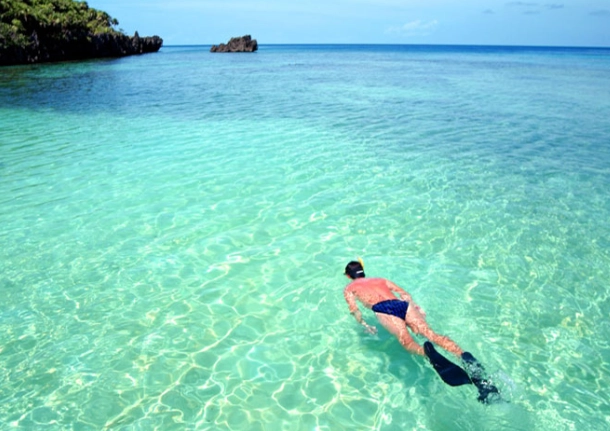
A Spot Most Guides Won't Mention: Half Moon Bay
In West End, the dock area by the Cannibal Cafe and Sundowners Bar has a surprising amount of life. I've spent hours here watching squid and octopus in the seagrass at the edge of the reef. Don't expect towering elkhorn coral, but for a casual afternoon snorkel with a beer waiting for you on shore, it's perfect. Just be very mindful of boat traffic near the dock.
How to Choose a Snorkel Tour (And Avoid the Crowds)
You don't always need a tour. West Bay is a DIY paradise. But for spots like Blue Channel, the best of the North Shore, or to see dolphins/wrecks, a tour is essential.
The biggest mistake people make? Booking the cheapest, most generic "3-stop snorkel tour" sold on the beach. These often go to the same overcrowded sites every other boat visits.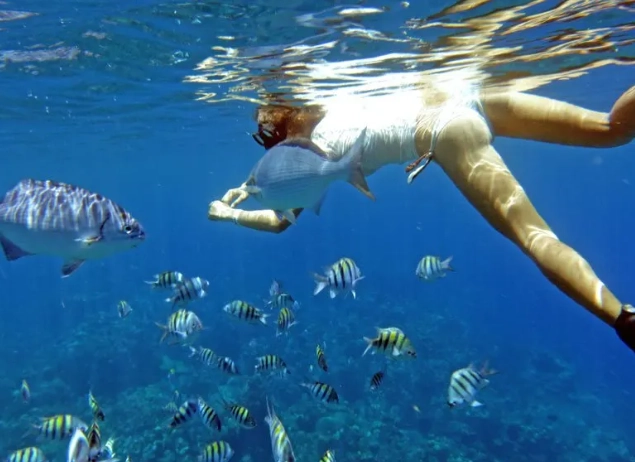
Ask These Questions Before Booking:
- "Which specific sites are we visiting?" If they say "the reef" or "West Bay," press for specifics like "Calvin's Crack" or "Green Outhouse Wall." Specific names mean a knowledgeable guide.
- "What's the maximum group size?" Look for boats that cap at 10-12 people, not 25+.
- "Do you provide defog for masks?" A small thing, but it shows attention to detail. A good guide will do a proper briefing and help with gear fit.
I recommend smaller, locally-owned operators. Companies like Roatan Ocean Adventures or Sundancer Sailing often have passionate guides who know the secret spots. They might cost $10-$20 more than the big boats, but the experience is vastly superior.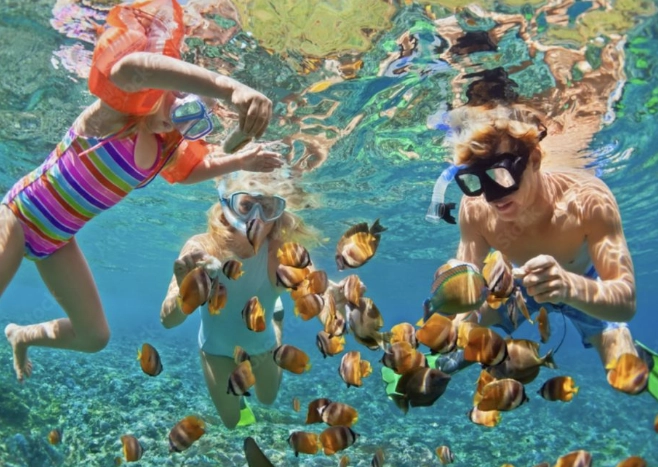
Consider a private charter if you're a group of 4-6. For a few hours, it can be surprisingly affordable per person and you dictate the itinerary. Want to snorkel for 90 minutes at one incredible spot instead of 30 minutes at three? This is the way.
Essential Snorkeling Skills & Reef Etiquette
Roatan's reef is resilient but fragile. Your behavior matters.
Master This One Skill: Clearing Your Mask Without Standing Up. In deeper water or over coral, you can't just stand on the bottom to fix a leaky mask. Practice in a pool or shallow sandy area. Flood the mask, look slightly up, press the top of the frame, and exhale firmly through your nose. The water shoots out the bottom. This one skill prevents panic and keeps you from kicking coral.
The Golden Rules of Reef Etiquette:
- No Touch. Ever. Not the coral, not the starfish, not the sea cucumbers. Oils from your skin harm coral polyps. Handling starfish can kill them.
- Control Your Fins. Maintain a horizontal, swimming position. Vertical kicking with fins is the #1 cause of accidental coral damage by snorkelers.
- Reef-Safe Sunscreen Only. Chemicals like oxybenzone bleach coral. Use mineral-based sunscreens (zinc oxide, titanium dioxide). Many shops in Roatan sell it, but bring your own to be safe. Better yet, wear a rash guard.
If your guide touches wildlife to "show" you, it's a red flag. A good guide points; they don't poke.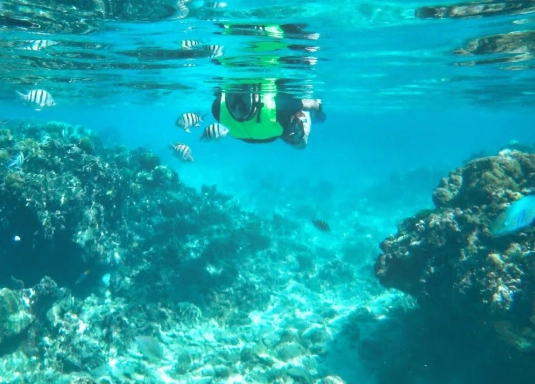
Planning Your Roatan Snorkeling Trip
When to Go & Where to Stay
Year-round is possible. The driest, sunniest months are March to June. July-October is warmer with a higher chance of brief afternoon showers, but the water is calmer. The "worst" time is often November, which can be rainy.
For pure snorkeling convenience:
- West Bay: Stay here if your ideal day is: wake up, eat breakfast, walk 100 feet to an amazing reef. It's resort-heavy and the most expensive area. Infinity Bay, Las Rocas, and Bananarama offer great beach access.
- West End: More of a village vibe with restaurants and shops. You'll need a short taxi to West Bay beach or will snorkel from the local docks. More affordable, more character.
- Sandy Bay / West End Area: Quieter, with some lovely vacation rentals that have private dock access to the reef. Requires more planning for groceries/meals but offers solitude.
A Sample 3-Day Snorkeling Itinerary
Day 1 (Arrival & Acclimation): Settle in. Afternoon snorkel at Half Moon Bay (West End) or your hotel's dock. Get your gear sorted. Dinner in West End.
Day 2 (The Main Event): Full morning at West Bay Beach. Arrive early (by 9 AM) to beat the crowds. Snorkel the main wall, then walk down the beach to explore the less crowded sections. Lunch on the beach. Relax in the afternoon.
Day 3 (Adventure Day): Book a half-day boat tour to the North Shore or Blue Channel. Experience a different side of the reef. Spend the afternoon souvenir shopping or visiting the sloth sanctuary.
Your Snorkeling in Roatan Questions Answered
Is snorkeling in Roatan good for beginners?
It's one of the best places to start. Sites like West Bay and Mahogany Bay offer shallow, calm water right off the beach. You can stay in waist-deep water and still see plenty. Just take your time, practice with your gear in the shallows, and don't feel pressured to swim out far. A quality life vest (provided by good tours) is a confidence booster.
What's the one mistake first-time visitors make when snorkeling in Roatan?
Underestimating the sun and hydration. You're floating in cool water for hours, but the tropical sun is brutal. Severe sunburn ruins trips. Wear a UPF-rated long-sleeve rash guard, apply reef-safe sunscreen to exposed parts, and drink plenty of water before and after. Dehydration leads to fatigue and cramps.
Can I see turtles and rays while snorkeling, or do I need to scuba dive?
You can absolutely see them snorkeling. Green sea turtles are common in the seagrass beds near coral reefs, especially in West Bay. I've seen them multiple times while snorkeling. Eagle rays and stingrays are more sporadic but possible, often seen gliding over sandy patches near the reef. Being quiet and moving slowly increases your chances dramatically.
Is it better to bring my own snorkel gear or rent in Roatan?
If you have a well-fitting mask that you know doesn't leak, bring it. A leaky, foggy mask ruins the experience. For fins and snorkel, renting is fine and saves space. Most tour operators include gear. If you're doing a lot of DIY snorkeling, renting a set for your entire stay from a reputable dive shop (like in West End) costs about $20-$30 for the week and ensures higher quality gear than a random beach shack.
How do I avoid the cruise ship crowds at the popular snorkel spots?
Check the Roatan cruise ship schedule (easily found online). On days with 2+ large ships in port (especially at Mahogany Bay), West Bay will be busiest from about 10:30 AM to 2:30 PM. Plan your West Bay day for a light or no-ship day. Alternatively, go early (before 9:30 AM) or later in the afternoon (after 3 PM). The cruise crowds are largely gone by then, and the light is still good.
Roatan delivers on its underwater promise. With a little planning—choosing the right spot for your skill level, picking a thoughtful tour operator, and respecting the reef—you're set for an incredible experience. The key is to slow down. Don't rush from spot to spot. Find a nice coral head, float quietly, and just watch. That's when the reef truly comes to life.
Reader Comments