Let’s be real. You’re not just looking for any snorkeling trip. You’re dreaming of something wild, something you can’t find anywhere else on the planet. Penguins darting past sea turtles. Playful sea lions doing underwater somersaults right in front of your mask. That’s the magic of the Galapagos. But here’s the thing – doing it on your own? You’ll miss most of the magic, and honestly, it’s not even allowed in the best spots. That’s where guided snorkeling in the Galapagos Islands comes in. It’s not a luxury; it’s the only way to truly access and understand this underwater wonderland.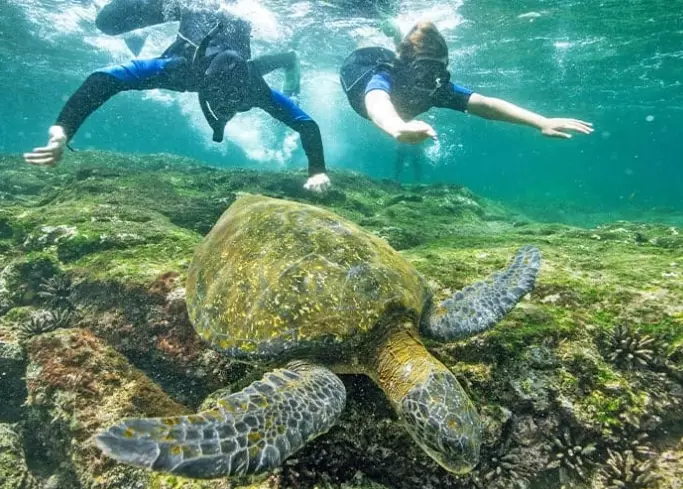
Explore This Guide
- Why You Absolutely Need a Guide to Snorkel in the Galapagos
- Choosing Your Guided Snorkeling Adventure: Tours, Cruises & Land-Based Options
- What Will You Actually See? A Snorkeler's Wildlife Checklist
- Your Pre-Trip Checklist: Gear, Skills & Mindset
- Top Guided Snorkeling Sites in the Galapagos (And What Makes Them Special)
- Conservation & Responsible Snorkeling: The Non-Negotiables
- Frequently Asked Questions (The Real Stuff People Worry About)
- Final Thoughts Before You Go
Why You Absolutely Need a Guide to Snorkel in the Galapagos
This is the biggest question people have. Can’t I just rent gear and jump in? The short, blunt answer is no, not if you want the real experience. The Galapagos isn’t a resort beach in the Caribbean. It’s a strictly protected national park and marine reserve. The rules are there for a reason – to protect the wildlife and, just as importantly, to protect you.
Think about it. The currents around these volcanic islands can be strong and unpredictable. A guide knows exactly where the safe entry and exit points are, how the tide affects a specific cove, and which channel has a gentle flow versus a washing-machine effect. Your safety is their primary job.
And then there’s access. The most incredible snorkeling sites – like the famous Devil’s Crown off Floreana or the channel at Punta Vicente Roca on Isabela – are only accessible by boat. These day tours or liveaboard cruises are always led by certified Galapagos National Park Directorate (GNP) guides. It’s the law. You can check the official park rules for visitor sites on the Galapagos Government Council website to see how seriously they take this.
No guide, no access to the best spots. It’s that simple.
Choosing Your Guided Snorkeling Adventure: Tours, Cruises & Land-Based Options
This is where your planning gets real. Your choice will define your entire trip. There’s no one-size-fits-all, and each option has its pros and cons. Let’s break it down, because I’ve seen people get this wrong and regret it.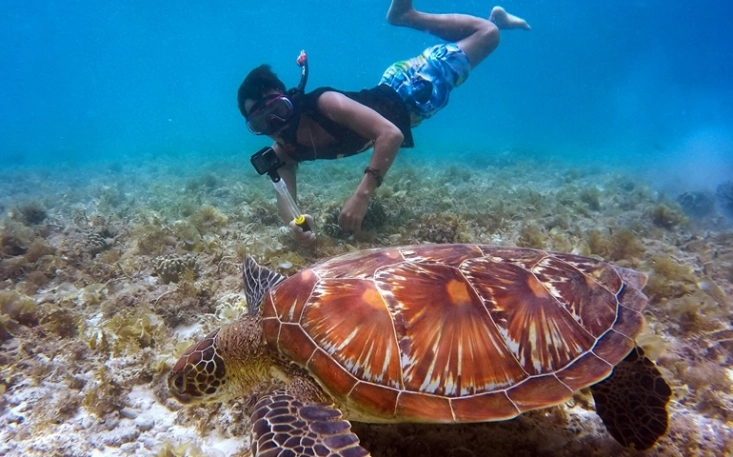
Option 1: The Liveaboard Cruise (The Immersion)
You wake up, have breakfast, and you’re at a new, remote snorkeling site. This is the classic Galapagos experience. Cruises range from budget to ultra-luxury, but they all follow set itineraries approved by the park. The big advantage? You reach the farthest, most pristine islands like Genovesa or Fernandina, which are teeming with life and have zero land-based access.
- Best for: Serious snorkelers and wildlife enthusiasts who want maximum time in the water and access to the outer islands.
- The downside: It’s a big commitment (usually 5-8 days), can be expensive, and you’re on a boat with the same group the whole time. If you get seasick easily, this can be a challenge.
- My take: If your budget and time allow, this is the gold standard for a reason. The variety of sites is unmatched.
Option 2: Land-Based Day Tours (The Flexible Choice)
You stay in a hotel on Santa Cruz, San Cristobal, or Isabela and book daily guided snorkeling tours in the Galapagos Islands to nearby sites. This gives you more flexibility, is often cheaper than a cruise, and lets you experience the islands' towns.
For example, from Puerto Ayora (Santa Cruz), you can do fantastic day trips to places like Santa Fe Island or Pinzon Island. From Puerto Baquerizo Moreno (San Cristobal), Kicker Rock is a must-do day trip. The guides on these boats are still certified, and the experience is fantastic.
- Best for: Travelers who want control over their schedule, have a tighter budget, or prefer sleeping on solid ground.
- The downside: You’re limited to sites within a few hours' sail of your home island. You won’t get to the far western or northern islands. You also spend more time in transit relative to time in the water compared to a cruise.
- A warning: Book these in advance, especially in high season. The good operators fill up fast. And research the operator – some use faster, more comfortable boats than others.
What Will You Actually See? A Snorkeler's Wildlife Checklist
This is the fun part. The cast of characters here is absurd. You’re snorkeling in a place where evolution went a little crazy. Here’s a realistic rundown of who you’re likely to meet, based on the site you visit.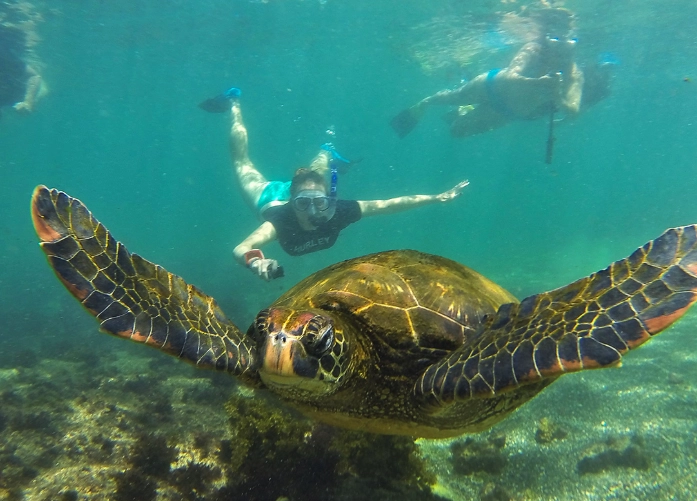
| Animal | Likelihood of Seeing | Best Places to Spot Them | Cool Behavior to Watch For |
|---|---|---|---|
| Sea Lions | Extremely High | Almost everywhere! Puerto Baquerizo Moreno bay, Mosquera Islet, Santa Fe. | Pups will playfully bite your fins. Adults perform graceful underwater acrobatics. They are the clowns of the sea. |
| Green Sea Turtles | Very High | Turtle coves on Santa Cruz, Punta Vicente Roca (Isabela), many rocky reefs. | Watch them glide effortlessly, surface for air, or munch on algae. They are incredibly peaceful. |
| Marine Iguanas | High (while they swim) | Punta Espinosa (Fernandina), Puerto Villamil (Isabela) shores. | Seeing them swim is surreal – like a miniature Godzilla! They swim to feed on underwater algae. |
| Galapagos Penguins | Medium (Seasonal/Location) | Bartolomé Island, the waters around Isabela & Fernandina. | They are rockets! Watch them zoom past you hunting fish. It’s a heart-stopping moment. |
| Flightless Cormorants | Medium (Location Specific) | Primarily Isabela and Fernandina islands. | Seeing these unique birds dive and “fly” underwater is a Galapagos exclusive. |
| Rays (Golden, Spotted Eagle, Manta) | Medium to High | Sandy bottoms near reefs. Devil's Crown is famous for rays. | The graceful flap of their wings as they glide over the sand. Sometimes they bury themselves. |
| Reef Sharks (White-tip & Black-tip) | High | Resting on sandy bottoms or in caves. Common at many sites. | They are harmless and often asleep. Your guide will point them out. Don’t be afraid! |
| Colorful Reef Fish | Extremely High | Every single snorkel site. | Parrotfish, King Angelfish, Damselfish, Surgeonfish. The colors are brilliant. |
Look, the penguin isn’t a guarantee every single day. But the sea lions and turtles? Almost a sure thing. The sheer density of life is what blows your mind. It’s not like you see one turtle; you see ten. You’re not followed by one sea lion pup; you’re followed by a curious gang of them.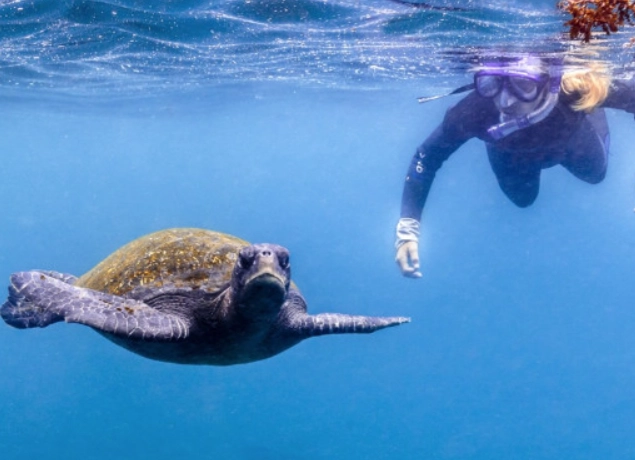
Your Pre-Trip Checklist: Gear, Skills & Mindset
Okay, you’re convinced you need a guide and you’ve picked your tour style. Now, how do you prepare? Let’s get practical.
Snorkeling Gear: To Bring or Not to Bring?
Every guided snorkeling tour in the Galapagos Islands will provide basic gear: mask, snorkel, fins, and usually a wetsuit (shorty). The wetsuit is crucial – not just for warmth (the Humboldt Current keeps water cool, around 18-24°C / 65-75°F), but for buoyancy and protection from the sun.
Fins are bulky to pack, so I usually rent them. Just make sure you try them on the boat before you leave the dock to check the fit. Blisters from fins are a real mood-killer.
Skill Level Required: Can a Beginner Do This?
Absolutely, yes! This is the biggest fear I hear. You do NOT need to be a super-swimmer or have scuba experience. Most tours offer sites with varying difficulty levels. A good guide will ask about your comfort in the water and may suggest a more sheltered cove if you’re nervous.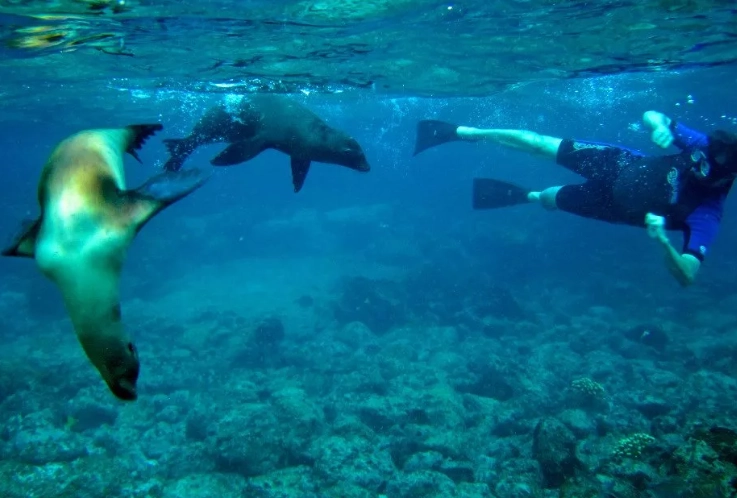
Essential skills are: being comfortable floating with your face in the water, breathing calmly through the snorkel, and basic finning to move around. If you can’t swim at all, this isn’t the activity for you, but basic swimming ability is enough. Many tours provide pool noodles or life vests for extra confidence – no shame in using one!
Top Guided Snorkeling Sites in the Galapagos (And What Makes Them Special)
Not all sites are created equal. Some are mellow lagoons, others are thrilling drift snorkels. Here’s a quick hit list of iconic spots you’ll likely encounter on a guided snorkeling in Galapagos Islands itinerary.
Devil’s Crown (Floreana Island)
This submerged volcanic crater is often called the best snorkeling site in the Galapagos. The circular reef is a magnet for marine life. Expect strong currents – this is a drift snorkel where you go with the flow around the crown. You’ll see huge schools of fish, eagle rays, sea turtles, and often hammerhead sharks in the deeper water. It’s advanced but unforgettable.
Kicker Rock (Leon Dormido) - San Cristobal
A massive volcanic tuff cone that rises from the ocean. The snorkeling happens in a channel between the two rock formations. The water can be deep and a bit dark, but it’s where you have a high chance of seeing Galapagos sharks, hammerheads, and sea turtles gliding through the deep blue. It feels epic and dramatic.
Punta Vicente Roca (Isabela Island)
This is the cold, nutrient-rich water of the west. It’s where you go for the oddballs. The water is packed with nutrients, so life is prolific. Here, your guide will help you spot the weird and wonderful: the cryptic red-lipped batfish, sunfish (Mola mola), sea horses, and often penguins and flightless cormorants. The visibility isn’t always Caribbean-clear, but the bio-diversity is off the charts.
Los Tuneles (Cabos Douglas) - Isabela
A labyrinth of lava tunnels and arches creating calm, shallow pools. It’s a beginner-friendly site with crystal-clear water. You swim with dozens of sea turtles, white-tip reef sharks resting on the sandy bottom, and beautiful blue-footed boobies might dive bomb for fish right next to you. It’s surreal and beautiful.
Your guide will choose sites based on conditions and your group's ability. Trust them.
Conservation & Responsible Snorkeling: The Non-Negotiables
This is the most important part of the guide. The Galapagos is fragile. We are visitors in the animals’ home. The rules aren’t suggestions; they are the bedrock of keeping this place alive. A good guide will enforce these, but you need to know them in your bones.
- DO NOT TOUCH ANYTHING. EVER. Not the sea lion pup, not the turtle, not the iguana, not the coral (which is actually delicate, slow-growing coralline algae in Galapagos). Your touch can remove protective coatings, spread disease, or stress the animal to death. Observe with your eyes only.
- Maintain Distance: The rule is 2 meters (6 feet). Let animals approach you (and they will!). Never chase or corner them.
- No Reef-Safe Sunscreen? No Swimming. Chemicals in regular sunscreen bleach and kill marine life. You MUST use mineral-based, reef-safe sunscreen (zinc oxide/titanium dioxide). Better yet, wear a rash guard and a hat. The International Union for Conservation of Nature (IUCN) has highlighted the global impact of sunscreen pollution on corals.
- Zero Litter: Not even a hair tie. Everything goes back on the boat.
By choosing a responsible guided tour, you’re directly funding conservation. Your park fee and tour costs go towards the protection of this UNESCO World Heritage Site. It’s a virtuous cycle.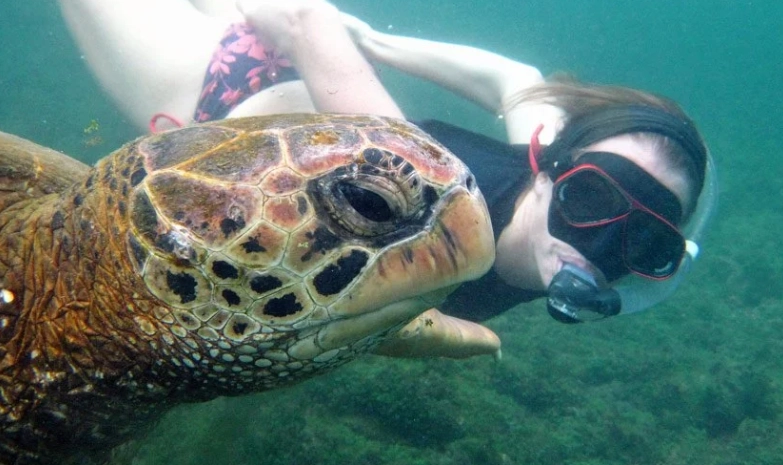
Frequently Asked Questions (The Real Stuff People Worry About)
Warm & Wet Season (Dec-May): Warmer water (low-mid 70s F), better surface visibility, calmer seas. Sunnier but with passing showers. Great for beginners.
Cool & Dry Season (Jun-Nov): Cooler, nutrient-rich water (low 70s, even high 60s F). This brings more activity – more penguins, more seabirds, more whale shark chances (for divers). Seas can be choppier. Visibility can be lower but life is more abundant.
I prefer the shoulder months like April or November for a mix of conditions.
Final Thoughts Before You Go
Booking a guided snorkeling experience in the Galapagos Islands is one of the best travel decisions you’ll ever make. It removes the stress, maximizes safety, and deepens your connection to this incredible place. You’re not just a tourist; you’re a participant in a living classroom of natural history.
Do your research on operators. Read recent reviews. Ask them questions about group size, boat type, and guide credentials. Pack your sense of wonder, a good mask, reef-safe sunscreen, and a willingness to be amazed by nature on its own terms.
Reader Comments