Forget packing stress. A well-planned snorkeling equipment checklist is the difference between a magical hour floating over a coral garden and a frustrating struggle with a leaky mask. I've spent over a decade guiding trips from the Caribbean to Southeast Asia, and I've seen every gear mistake in the book. This isn't just a list of items. It's a curated guide based on what actually works, what's a waste of money, and the subtle tricks that make your time in the water effortless.
Your Quick Gear Guide
The Non-Negotiable Core Essentials
Let's be honest, a leaky mask or a mouthful of seawater can turn a dream trip into a frustrating ordeal. These five items are the absolute foundation. If you're renting, inspect them like a hawk. If you're buying, prioritize these.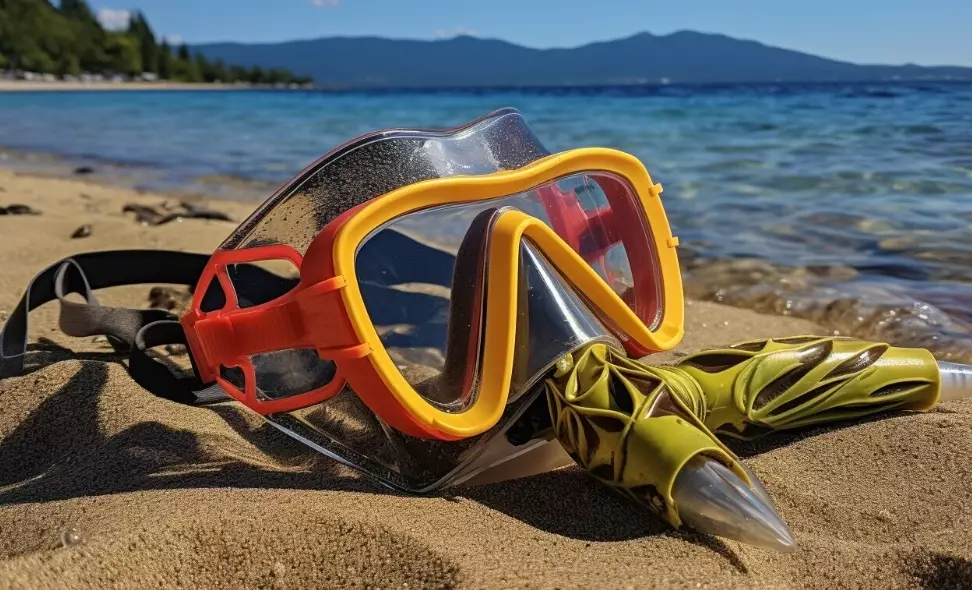
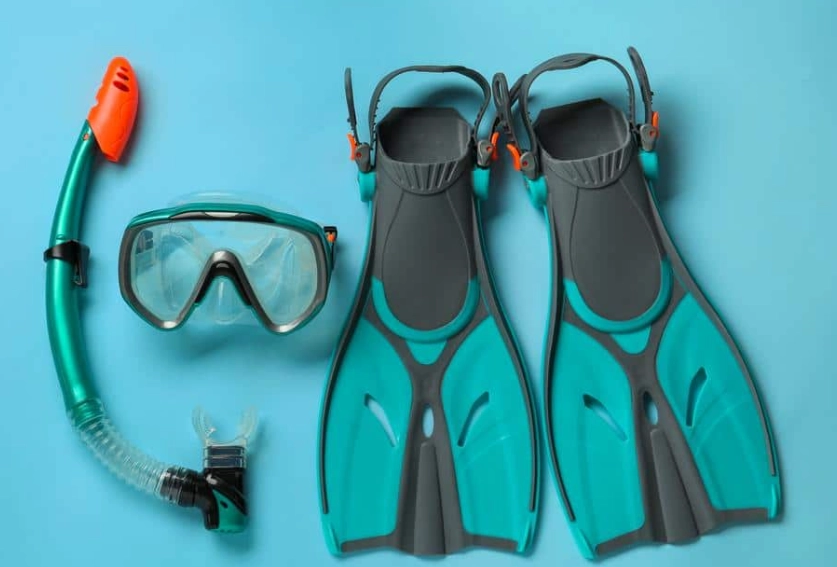
Mask, Snorkel & Fins: The Holy Trinity
Mask Fit is Everything. The most expensive mask is useless if it doesn't seal. Here's the test most people get wrong: Place the mask on your face without using the strap. Inhale gently through your nose. The mask should suction to your face and stay put when you let go. Now check the skirt (the soft part) – it should sit comfortably across your forehead, along your temples, and just above your upper lip, with no hair caught underneath. A common mistake is cranking the strap too tight, which actually breaks the seal faster. It should be snug, not a vice.
Snorkel Choice Matters. A simple J-tube works, but a dry snorkel or semi-dry snorkel is a game-changer for beginners. The splash guard at the top stops most waves, and the dry valve seals the tube if you dive under. Avoid the ultra-complex ones with multiple purge valves; they're just more parts to fail.
Fins: Power vs. Packability. You have two main paths: Full-foot fins (like slippers) and Adjustable open-heel fins (worn with booties). Full-foot fins are lighter, pack smaller, and perfect for warm, calm water from a beach. Open-heel fins with neoprene booties give you more power, protect your feet on rocky entries, and are essential for cooler water or boat trips where you might be stepping on a ladder. For most tropical vacations, a medium-length, full-foot fin is the sweet spot.
Exposure Protection & Flotation
Rash Guard or UV Shirt. This is non-negotiable for sun protection. A 2mm neoprene rash guard or a tightly-woven polyester UV shirt does three things: prevents brutal sunburn on your back (trust me, saltwater amplifies UV rays), protects against minor coral scrapes, and provides a surprising amount of warmth. It's the single best comfort upgrade you can make.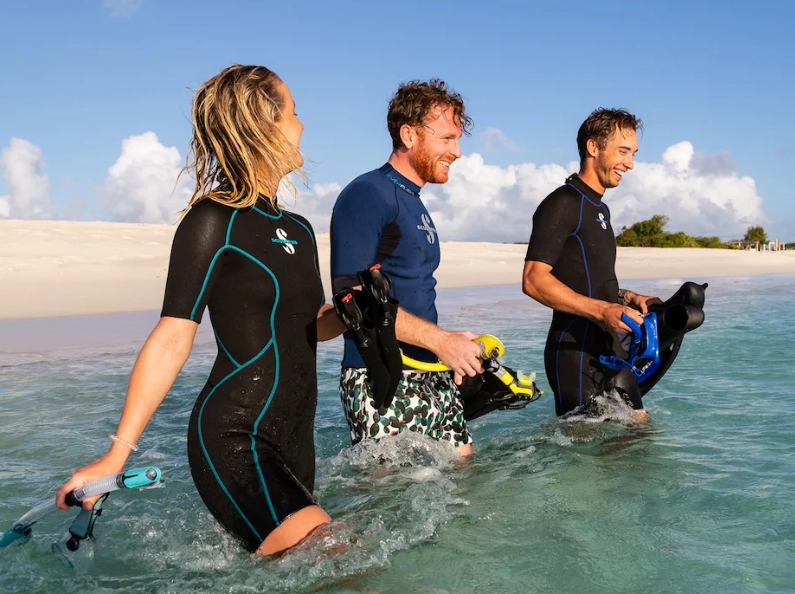
Flotation Device. Even strong swimmers get tired. A snorkel vest (often provided on tours) or a simple swim buoy towed behind you provides critical safety and rest. It's not just for you; it makes you highly visible to boats. I never get in the water without one, especially in areas with any current.
Gear Upgrades for Serious Comfort
Once you have the basics, these items transform a good snorkel into a great one. They address the specific annoyances that make people call it quits early.
>A shorty (short arms/legs) for tropics, full suit for cooler locales.>For glasses-wearers, a custom mask is life-changing. For everyone, anti-fog (like baby shampoo) stops constant clearing. >Get a cheap insert lens mask first to see if you like snorkeling enough to invest.>Essential for rocky shore entries, pebbly beaches, or walking on boat decks. Makes open-heel fins comfortable. >3mm booties with a solid sole.>A GoPro or Olympus TG-series in a floating handle. A 20L dry bag keeps your towel, keys, and phone safe on the beach. >Don't buy the cheapest knock-off housing. It WILL leak.| Gear Category | Specific Item | Why It's a Game-Changer | My Personal Pick |
|---|---|---|---|
| Thermal Comfort | 1mm or 2mm Neoprene Wetsuit | Extends your snorkel time by an hour in water below 80°F (27°C). Prevents "snorkeler's back" sunburn completely. | |
| Vision & Convenience | Prescription Mask or Anti-Fog Drops | ||
| Foot Protection | Neoprene Booties or Water Shoes | ||
| Capture & Care | Underwater Camera / Dry Bag |
Pro Tip Most Guides Won't Tell You: Before a trip, soak your new mask lenses in a weak toothpaste solution (non-gel, non-whitening) for a few hours, then rinse. This scrubs off the factory silicone coating that causes fogging. It works better than any spit-and-rinse technique.
What You Can Safely Skip (Save Your Money)
The snorkeling gear market is full of gadgets that look cool but end up in a drawer. Here’s my brutally honest take.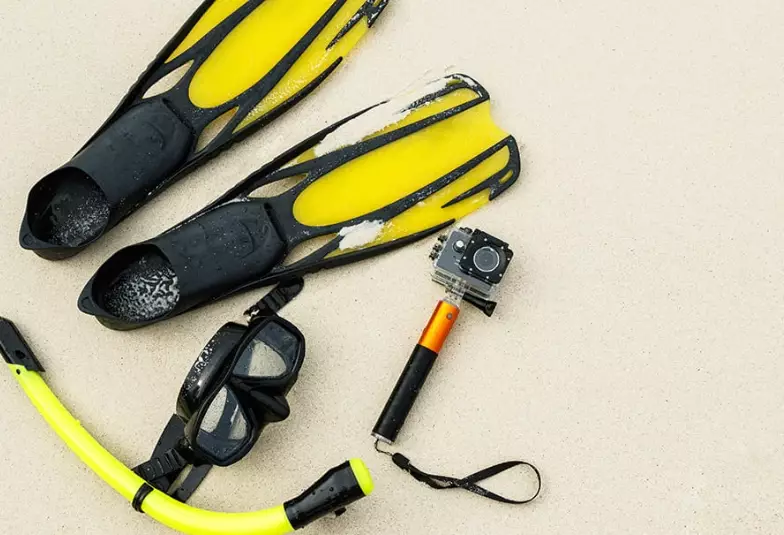
Full Face Snorkel Masks. I know they're popular. I don't recommend them. There are legitimate safety concerns about CO2 buildup, and they are notoriously difficult to clear if water gets inside. They also prevent you from doing any freediving to get a closer look. A traditional mask and dry snorkel is safer and more versatile.
Elaborate "Snorkeling Vest" Systems with oral inflators and CO2 cartridges. They're bulky and over-engineered for casual snorkeling. A simple, orally-inflated vest provided on a tour or a swim buoy is simpler and just as effective.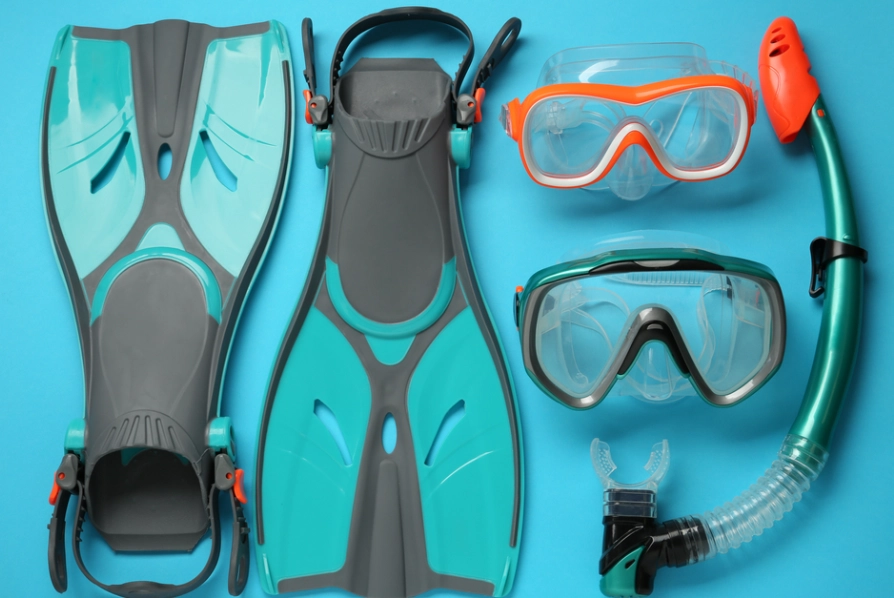
Heavy Weight Belts. Unless you're a freediver trying to sink, you don't need weight. Proper buoyancy for surface snorkeling comes from your lungs and your snorkel vest. Extra weight is a drowning risk.
Expensive Dive Computers or Watches. Your phone in a dry bag or a simple waterproof watch is fine for telling time. You don't need depth gauges or nitrogen tracking for surface snorkeling.
The Foolproof Packing Plan
Let's make it actionable. Here’s how to pack for a 7-day tropical snorkeling vacation, assuming you'll do a mix of beach and boat trips.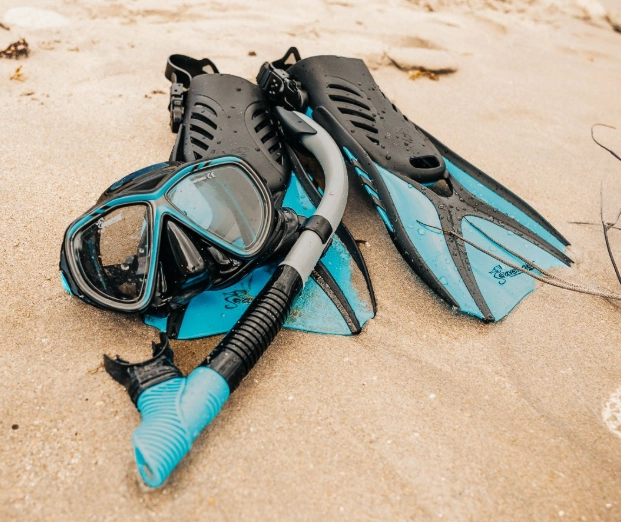
The Carry-On/Dedicated Gear Bag:
This is where your critical, irreplaceable, or fit-sensitive gear lives. Never check this bag.
- Your personally fitted mask and snorkel. >Anti-fog drops (in a clear, TSA-compliant bag). >Rash guard / UV shirt. >Swimwear. >Thin, quick-dry travel towel. >Essential medications and a copy of your prescription for custom gear.
The Checked Luggage:
Everything else can go here, padded with your clothes.
- Fins (strap them together so they don't flop open). >Neoprene booties (stuff socks inside them). >1mm shorty wetsuit (optional, but recommended). >Underwater camera, charger, and extra memory cards. >15-20 Liter dry bag. >Reef-safe, mineral-based sunscreen (zinc oxide/titanium dioxide). Regular chemical sunscreen kills coral. Places like Hawaii and parts of Mexico ban non-reef-safe types. >After-sun lotion and lip balm with SPF.
Pack your gear in mesh bags or separate packing cubes. Wet gear on the way home goes in the mesh bag, which can be rinsed and hung to dry separately from your clothes.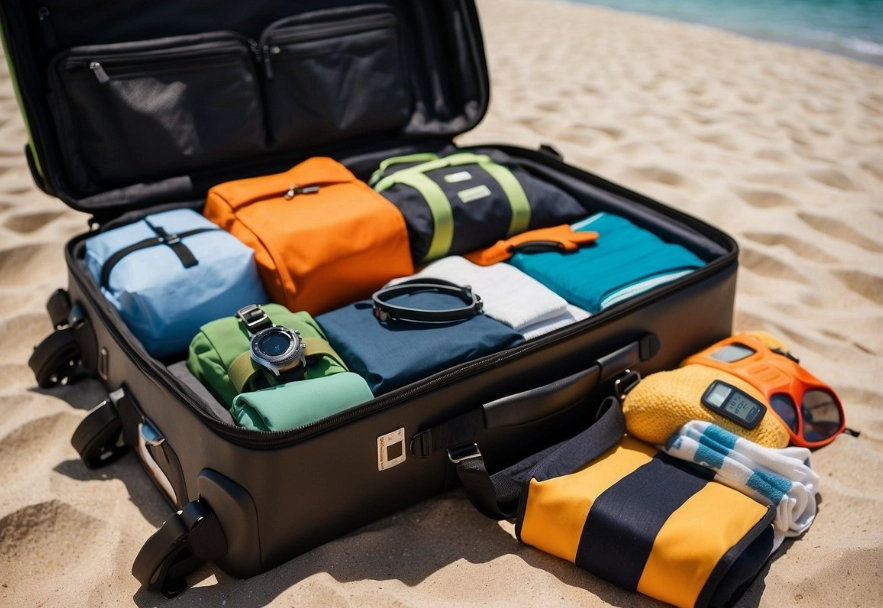
Your Snorkeling Gear Questions, Answered
Your snorkeling equipment checklist is more than a packing list; it's a blueprint for comfort and confidence underwater. By focusing on fit, function, and a few smart upgrades, you'll spend less time fiddling with gear and more time mesmerized by the world beneath the waves. Now go pack—the fish are waiting.
Reader Comments