Your Snorkeling Roadmap
- The Top Contenders: A Snorkeler's Dream Team
- Beyond the Big Names: Hidden Gems and Strong Alternatives
- How to Actually Choose: It's More Than Just Fish
- The Nitty-Gritty: Practical Snorkeling Intel You Need
- Answering Your Burning Questions (FAQs)
- Wrapping It Up: So, Which Country IS Best for Snorkeling?
Alright, let's get right to it. You typed that question into Google, didn't you? "Which country is best for snorkeling?" It's a fantastic question, but also a tricky one. It's like asking which flavor of ice cream is the best. My favorite might be rocky road, but you could be a mint chocolate chip person. It completely depends on what you're looking for.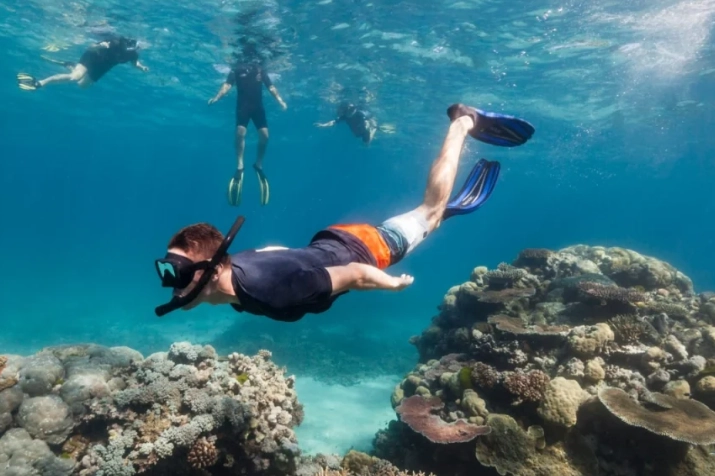
I've been lucky enough to strap on a mask and fins in more places than I can count, from freezing cold lakes to bathtub-warm tropical seas. And I can tell you this straight up: there is no single "best" country for everyone. But there is definitely a *best country for YOU*. The one that matches your budget, your experience level, what you want to see, and how you like to travel.
So instead of just throwing a list at you, we're going to dig deep. We'll look at the heavy-hitters, the under-the-radar gems, and everything in between. We'll talk about crystal-clear water, insane marine life, easy beach access, and even the not-so-glamorous stuff like crowds and cost. By the end of this, you'll have a pretty solid idea of where your next snorkeling adventure should be.
The Core of the Question: When people ask "which country is best for snorkeling?", they're usually asking one of three things: Where can I see the most amazing coral and fish without needing scuba gear? Where is it safe, easy, and good for families or beginners? Or, where can I get the most bang for my buck? We're covering all three angles.
The Top Contenders: A Snorkeler's Dream Team
Let's start with the usual suspects. These countries consistently top the lists, and for good reason. They offer world-class snorkeling that's relatively accessible. But they're also different from each other in big ways.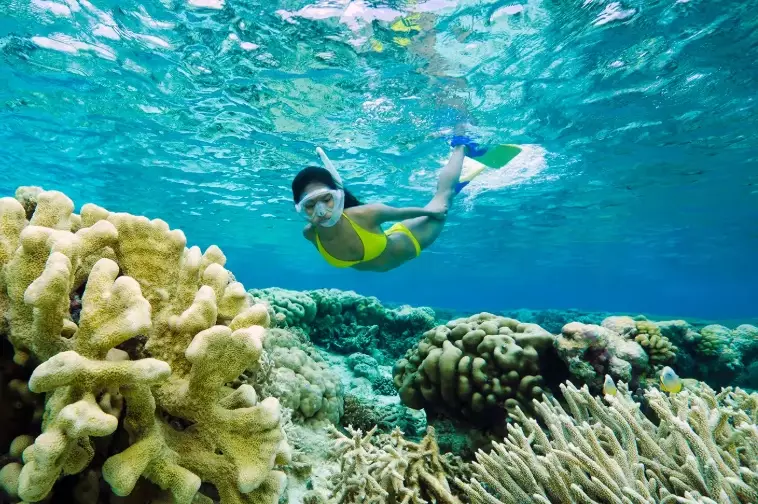
Australia: The Granddaddy of Coral Reefs
You can't have this conversation without mentioning the Great Barrier Reef. It's the largest living structure on the planet, visible from space. For sheer scale and diversity, it's almost unbeatable. We're talking over 1,500 species of fish, 400 types of coral, turtles, sharks, rays... the list is endless.
But here's the real talk. Parts of the Great Barrier Reef have suffered from coral bleaching. It's a serious issue, and it's important to be aware of it. However, to say the entire reef is dead is a massive exaggeration. Healthy, vibrant sections absolutely still exist, especially in the northern and more remote areas. The key is choosing your access point wisely. Day trips from Cairns or Port Douglas can be hit or miss—sometimes crowded, sometimes visiting sections that are less pristine.
My personal take? For a more intimate and often healthier reef experience, look at the Whitsunday Islands. The fringing reefs here are stunning, and you can often find yourself snorkeling off a pristine beach with just a handful of other people. Or, for something truly epic, consider a liveaboard trip that gets you to the outer reefs, where the human impact is minimal. It's more expensive, but it answers the "which country is best for snorkeling?" question for anyone prioritizing biodiversity above all else.
Australia isn't just the GBR, though. Ningaloo Reef on the west coast is a hidden gem. It's a fringing reef you can literally walk to from the beach in many places. And from March to July, you can snorkel with the world's largest fish—the whale shark. It's a regulated, ethical experience that is utterly mind-blowing. The government's Great Barrier Reef Marine Park Authority website is a fantastic resource for current conditions and responsible tourism practices.
The Philippines: Biodiversity on a Budget
If you're asking "which country is best for snorkeling?" and your answer includes the words "affordable" and "unbelievable variety," then the Philippines is screaming your name. This archipelago of over 7,000 islands sits in the Coral Triangle, the global epicenter of marine biodiversity. More fish and coral species live here than anywhere else on Earth.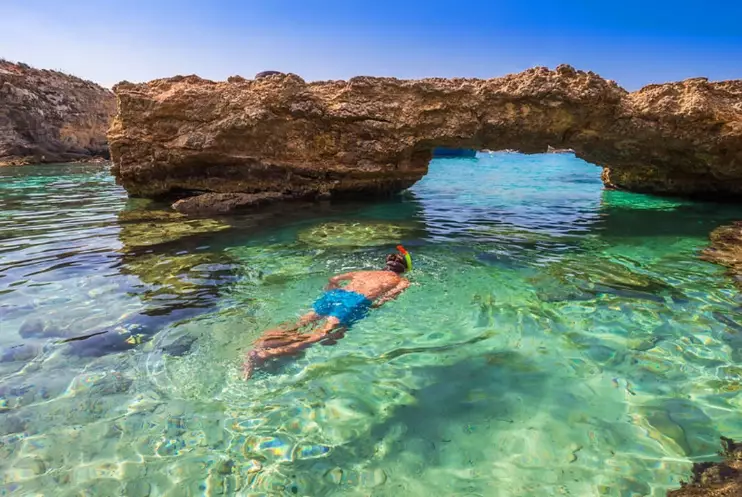
The snorkeling is ridiculously accessible. You don't need fancy boat tours everywhere (though they're cheap too!). Places like Moalboal in Cebu are famous for their massive, swirling sardine run right off the shore. You can wade in from the beach and be surrounded by millions of silvery fish in minutes. Coron in Palawan offers a unique blend of snorkeling over stunning coral gardens and exploring Japanese shipwrecks from WWII in shallow, clear water. It's eerie and beautiful.
Then there's Apo Island, a marine sanctuary near Dumaguete. The coral here is some of the healthiest I've seen in Asia, teeming with turtles. I remember one afternoon, I counted seven different turtles on a single snorkel. The downside? Infrastructure can be basic, and getting between islands takes time. But the payoff is immense. For research on the Coral Triangle's importance, the Coral Triangle Initiative has great info.
The Maldives: Luxury and House Reef Heaven
The Maldives is the poster child for overwater bungalows and pristine atolls. Every resort is on its own private island, and almost every single one has a "house reef." This means you can often snorkel right from your villa's ladder or a few steps off the resort beach into a channel teeming with life. The water is bath-warm and visibility frequently exceeds 30 meters (100 feet).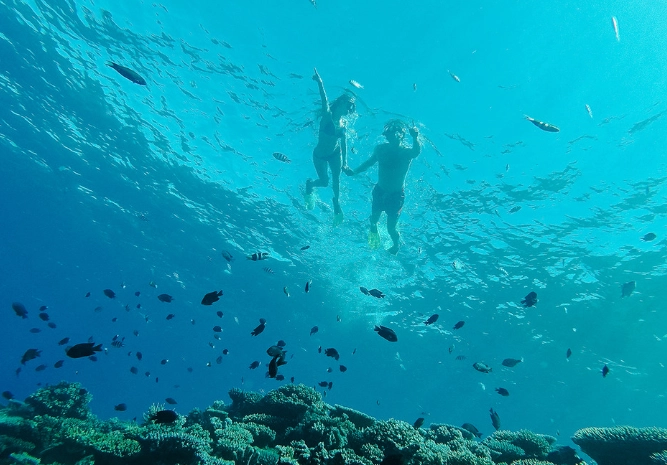
It's perfect for nervous beginners or those who just want ultimate convenience. You can snorkel for an hour before breakfast, see an eagle ray, and be back for coffee. The marine life is fantastic—healthy hard corals, clouds of anthias fish, blacktip reef sharks, and Napoleon wrasse. During the right season (especially in the South Ari Atoll), you might even snorkel with graceful manta rays as they come to cleaning stations.
So, is the Maldives the best country for snorkeling? For ease and luxury, it's hard to beat. But let's be honest, it's also one of the most expensive. You're paying for that isolation and convenience. And the snorkeling, while excellent, can sometimes feel a bit... curated. You're mostly confined to the resort's immediate area unless you pay for boat trips. It's a trade-off. The official Maldives tourism site is a good starting point.
Pro Tip for the Maldives: When booking, specifically ask about the condition of the house reef. Some are spectacular, while others on newer or heavily modified islands might be less developed. Resort forums on travel sites are gold for this info.
Beyond the Big Names: Hidden Gems and Strong Alternatives
If the classic three don't quite fit, or you want to explore other options, this next group is incredible. They might be better for specific types of travelers.
Indonesia (Raja Ampat & Komodo)
Think of the Philippines' biodiversity, but even more remote and wild. Raja Ampat in West Papua is frequently cited by marine biologists as having the highest recorded marine diversity on the planet. The snorkeling is off-the-charts good. We're talking pristine reefs, manta ray cleaning stations, pygmy seahorses, and water so clear it looks fake.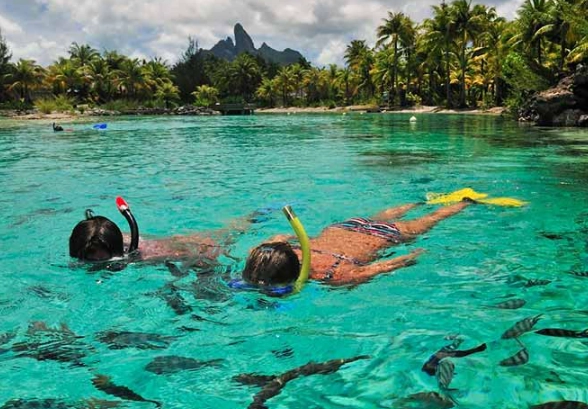
But—and this is a big but—it's not easy. Getting there involves multiple flights and a boat. It's expensive and best done on a liveaboard cruise. It's not a casual beach holiday. Komodo National Park is slightly more accessible (from Bali) and offers insane currents that bring in huge pelagic fish, making for thrilling drift snorkels alongside mantas and sharks. It's for confident, strong swimmers. Indonesia is a strong, if challenging, answer to "which country is best for snorkeling?" for the serious enthusiast.
Egypt (The Red Sea)
For Europeans especially, the Red Sea is a snorkeling powerhouse that's relatively close and affordable. Resorts in Sharm El Sheikh, Hurghada, and Marsa Alam offer easy access to some of the world's most colorful and fish-rich reefs. The coral walls are vertical gardens of soft corals in shocking pinks and purples, surrounded by immense schools of fish.
The big draw here is the accessibility of big fish. It's common to see napoleon wrasse, giant trevally, and even oceanic white-tip sharks from the surface. The famous Ras Mohammed National Park is a must-do. My biggest gripe? Some areas, especially near the big resort towns, can suffer from overuse. Choosing a resort with a protected house reef or booking trips to national park areas is crucial. The Egyptian Tourism Authority has info, but also check out reports from the Hurghada Environmental Protection and Conservation Association for eco-conscious options.
Belize & Honduras (The Western Caribbean)
For travelers based in the Americas, the Mesoamerican Barrier Reef (the second largest in the world) is your backyard treasure. Belize is fantastic, with highlights like the Hol Chan Marine Reserve and Shark Ray Alley near Ambergris Caye, where you can snorkel with friendly nurse sharks and southern stingrays. The Blue Hole is a famous dive site, but from a snorkeling perspective, it's mostly about the deep blue abyss—the coral is better on the surrounding reefs.
Just next door, Roatán, Honduras, is a budget-friendly jewel. The reef comes incredibly close to shore along the west end. You can access beautiful coral gardens from the beach or cheap piers. The vibe is more laid-back and affordable than many other Caribbean hotspots. The water is calm, clear, and warm year-round, making it a fantastic family destination.
A Reality Check: Sargassum seaweed has become a major issue in many parts of the Caribbean during certain seasons. It can pile up on beaches and affect water clarity. It's worth checking recent conditions for your specific destination and time of year before you book.
How to Actually Choose: It's More Than Just Fish
So you've got these amazing options. How do you pick? Let's break down the decision beyond just the "best" snorkeling. This is where you find the best snorkeling FOR YOU.
Ask yourself these questions:
- Budget: Are we talking luxury resort, mid-range hotel, or hostel hopping? The Maldives and Australia will drain a wallet fast. The Philippines, Indonesia (outside liveaboards), and Honduras give much more value.
- Skill & Comfort Level: Are you a confident swimmer happy with currents, or do you prefer calm, shallow lagoons? Beginners should lean towards the Maldives' house reefs, Belize's Hol Chan, or the shallow bays of Roatán. Experts might crave the drifts of Komodo or the remote reefs of Raja Ampat.
- Travel Style: Do you want a fly-and-flop beach holiday, or are you up for island-hopping adventures? The Philippines is an adventure. The Maldives is the definition of fly-and-flop.
- What You Want to See: Is it all about turtles? Sharks? Macro critites like nudibranchs? Coral health? Different places specialize.
- Who's Coming: Family with kids? Solo trip? Honeymoon? Calm, safe, and easy access is king for families.
To make this visual, let's put some of our top picks side-by-side on key factors:
| Country (Key Spot) | Best For | Budget Level | Skill Level | Top Sightings |
|---|---|---|---|---|
| Australia (Great Barrier Reef) | Scale, Diversity, Liveaboards | High | All Levels (choose location wisely) | Reef Sharks, Turtles, Giant Clams, Coral Diversity |
| Philippines (Moalboal/Apo) | Biodiversity, Value, Adventure | Low to Mid | Beginner to Intermediate | Sardine Balls, Turtles, Macro Life, Healthy Coral |
| Maldives (Resort House Reef) | Luxury, Convenience, Ease | Very High | Beginner | Manta Rays, Eagle Rays, Shark Pups, Anthias Clouds |
| Egypt (Red Sea) | Colorful Corals, Big Fish, Accessibility from Europe | Mid | Intermediate | Napoleon Wrasse, Dolphins, Soft Coral Walls |
| Honduras (Roatán) | Affordable Caribbean, Easy Shore Access | Low to Mid | Beginner | Colorful Reef Fish, Sponges, Occasional Turtle |
See how that helps? If you're a budget-conscious beginner who loves turtles, the Philippines might jump out. If money is no object and you want zero hassle, the Maldives wins.
The Nitty-Gritty: Practical Snorkeling Intel You Need
Choosing the country is half the battle. Now let's talk about making the trip itself amazing. This is the stuff I've learned the hard way.
When to Go: Timing is Everything
Seasons make a huge difference. The "best" country can be mediocre if you go in the wrong month.
- Australia (GBR): Best during the dry season (June to October). Less rain, better visibility, calmer seas. Stinger season (potentially dangerous jellyfish) runs November to May north of Cairns, requiring stinger suits.
- Philippines: Generally dry season is November to April. The summer months (March-May) can be very hot. The rainy season (June-October) brings typhoons, which can disrupt travel. Water is warm year-round.
- Maldives: The best overall conditions are December to April (dry NE monsoon). The wet SW monsoon (May-November) brings more rain and wind, but it's also the best time for manta rays in the south atolls. Resorts are open year-round.
- Egypt (Red Sea): Prime time is April-May and September-October. Avoid the scorching heat of July-August. Water is cooler but still swimmable in winter (Dec-Feb).
Gear Up: Bring or Rent?
I'm a firm believer in bringing your own mask. A mask that fits perfectly is the difference between a blissful hour underwater and a frustrating, leaky, foggy nightmare. Fins are bulky, but if you have room, your own comfortable pair is great. Otherwise, renting fins and a snorkel is usually fine at most destinations. Many places now offer full-face snorkel masks, but be cautious—some divers and safety experts have raised concerns about CO2 buildup in poorly designed models. Do your research if you go that route.
Don't forget a rash guard or a thin wetsuit (even a 1mm "skin"). It protects you from the sun (reef-safe sunscreen is also a MUST—please, for the coral's sake) and from minor scrapes or jellyfish stings.
Safety & Etiquette: Don't Be *That* Snorkeler
This is critical. Your safety and the health of the reef go hand-in-hand.
- Never Touch Anything: Not the coral (it kills it), not the turtles (it stresses them), not the starfish. Just look. Buoyancy control is key—practice floating without kicking the reef.
- Be Aware of Currents: Always check conditions before entering. If there's a current, plan your route to end down-current or have a boat follow you. Don't snorkel alone.
- Respect Marine Life: Give animals space, especially large ones like sharks, rays, and turtles. Chasing them for a photo is harmful.
- Choose Responsible Operators: Look for tour companies that support marine parks, have small group sizes, and give clear environmental briefings. Your money votes for the kind of tourism you want to see.
Organizations like Project AWARE have great resources on responsible practices.
Answering Your Burning Questions (FAQs)
- Whale Sharks: Ningaloo Reef, Australia (Mar-Jul); Southern Leyte or Oslob, Philippines (year-round, but research the ethics of Oslob's feeding practices).
- Manta Rays: Maldives (especially S. Ari Atoll), Komodo/Raja Ampat Indonesia, Kona, Hawaii.
- Turtles: Apo Island (Philippines), Gili Islands (Indonesia), Maui (Hawaii), Great Barrier Reef.
- Seals/Sea Lions: Galapagos Islands (Ecuador), Port Lincoln (Australia).
Wrapping It Up: So, Which Country IS Best for Snorkeling?
Let's circle back to where we started. There's no single winner, but there is a perfect match for you.
If you forced me to give a personal, totally subjective podium based on a mix of quality, accessibility, and wow-factor for most people:
- The Philippines: For its insane biodiversity, value for money, and the sheer adventure of it. It answers "which country is best for snorkeling?" for the adventurous soul.
- Australia: For the sheer iconic scale and health of its best reefs (like the outer GBR and Ningaloo). It's the bucket-list destination.
- The Maldives: For setting the global standard for easy, luxurious, and reliable house reef snorkeling. It's the stress-free champion.
But remember, Egypt might be your best if you're in Europe. Belize or Roatán could be perfect for a family trip from the US. Raja Ampat is the holy grail if you're willing to journey to the ends of the Earth.
The real answer lies in your answers to those questions in the "How to Choose" section. Match your priorities to a place that excels in them. Do that, and you'll find your own personal "best" country for snorkeling. The ocean is waiting, and it's more incredible than you can imagine.
Final Thought: Wherever you go, go gently. These underwater gardens are fragile and finite. Be a good guest. Take only photos, leave only bubbles, and choose to support businesses that protect the very thing you've come to see. That's how we ensure the answer to "which country is best for snorkeling?" remains a wonderful problem to have for generations to come.
Reader Comments