Guide Overview
- The Major Players in the Snorkeling Arena
- Beyond the Big Four: Other Notable Names
- A Side-by-Side Snorkeling Gear Brands Comparison
- Breaking Down the Components: Mask, Snorkel, Fins
- The Budget Question & The "Set" Trap
- Your Snorkeling Gear Brands Comparison Checklist Before Buying
- Common Questions This Comparison Tries to Answer
- Final Thoughts: It's a Partnership, Not a Crown
Let's be real. Shopping for snorkeling gear online can feel like drowning in a sea of logos and marketing claims. Cressi, Mares, Scubapro, Aqua Lung... they all promise crystal-clear views, effortless breathing, and the perfect kick. But what's the actual difference? Is that expensive Scubapro mask really three times better than a mid-range Cressi? I've fogged up, leaked, and rubbed my face raw with enough cheap gear over the years to know that the brand does matter, but maybe not in the way you think.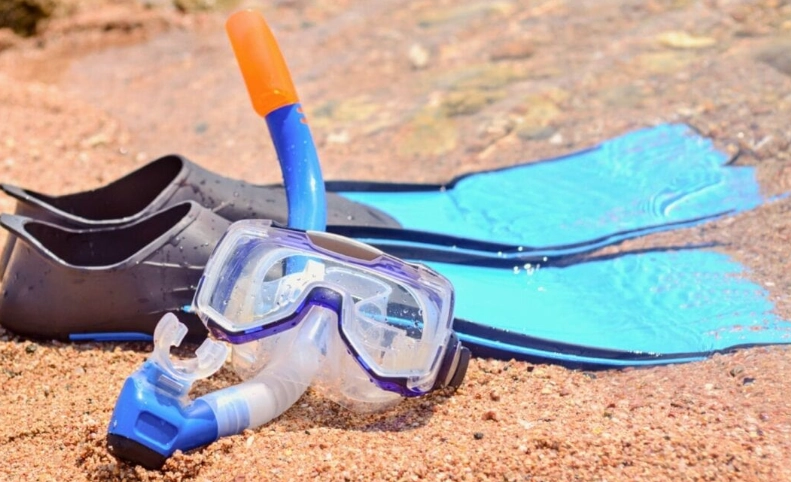
This isn't about telling you one brand is the undisputed champion. It's about figuring out which brand's philosophy and engineering match your face, your budget, and how you plan to use the gear. A freediver needs different things than a vacation snorkeler. Someone with a narrow face has different problems than someone with a wider one. I learned that the hard way on a trip to Maui with a mask that seemed great in the store but created a suction cup effect on my forehead after twenty minutes. Not fun.
So, let's ditch the fluff and get into a real, practical snorkeling gear brands comparison. We'll look at the big names, their histories, what they're known for, and where they sometimes miss the mark. I'll share some personal wins and fails along the way, and by the end, you should have a much clearer picture of where to spend your money.
The Major Players in the Snorkeling Arena
These are the brands you'll see everywhere, from your local dive shop to major online retailers. They've earned their reputations over decades, but they're not all the same.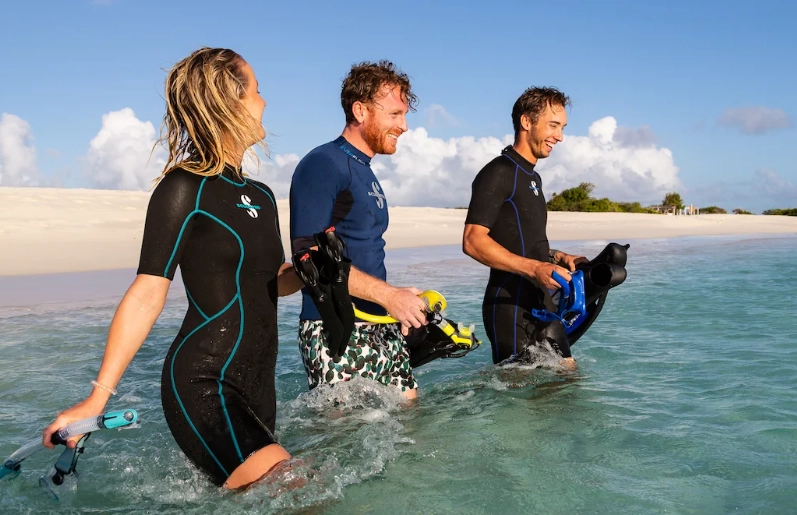
Cressi: The Italian Workhorse
If you've ever walked into a dive shop, you've seen the Cressi logo. Founded in Italy way back in 1946, they've been at this longer than almost anyone. Their strength is in producing incredibly reliable, high-value gear. You get a lot of performance for your dollar. Their masks, like the popular F1 or the Panorama models, often feature comfortable silicone skirts and good field-of-view designs. Their fins are legendary for being efficient straight out of the box.
Where they shine: Value for money, durable products, excellent entry-level and intermediate fins. Their products just work, with fewer gimmicks.
Potential downside: Some designs can feel a bit "mass-produced" or less refined than top-tier brands. Innovation can be slower.
Mares: The Innovative Challenger
Also Italian, Mares has a reputation for clever engineering and modern design. They seem to love solving specific problems. Dry top snorkels? They've got some of the best. Their official website showcases their focus on technology, like their patented lens treatments for anti-fog and scratch resistance. Masks like the Mares X-Vision LiquidSkin are famous for their ultra-soft, liquid silicone skirts that mold to your face.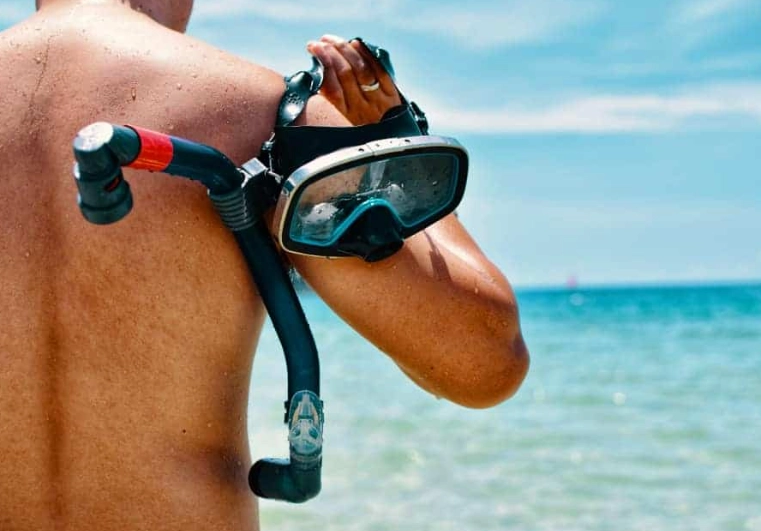
I tried their Avanti Quattro+ fin years ago, and it's a masterpiece of blade design—four channels that really propel you. But that same focus on tech can be a double-edged sword. More moving parts (like on complex dry snorkels) can mean more things to potentially fail. Their gear often sits at a slightly higher price point than Cressi's equivalent.
Where they shine: Technological innovation, superior comfort in high-end masks, high-performance fins.
Potential downside: Can be pricier; some complex features might be overkill for casual users.
Scubapro & Aqua Lung: The Dive Heritage Giants
These two are titans in the scuba diving world, and that pedigree trickles down to their snorkeling lines. When you buy from them, you're often getting technology and materials derived from their professional-grade scuba equipment.
Scubapro is synonymous with quality and precision. Their masks are exquisitely made, with perfect edge finishing and premium silicone. The Scubapro Spectra mask is a classic for a reason—it's simple, reliable, and fits a wide variety of faces. Nothing feels cheap. But you pay for it. Their snorkeling gear is an investment.
Aqua Lung (formerly U.S. Divers) has history in its bones—Jacques Cousteau was a co-founder. Their strength is in proven, timeless designs. The Aqua Lung Lookout mask is another perennial favorite. Their gear tends to be rugged and built to last. I find their fit can be a bit more "American" or broader than some Italian brands, which is something to consider.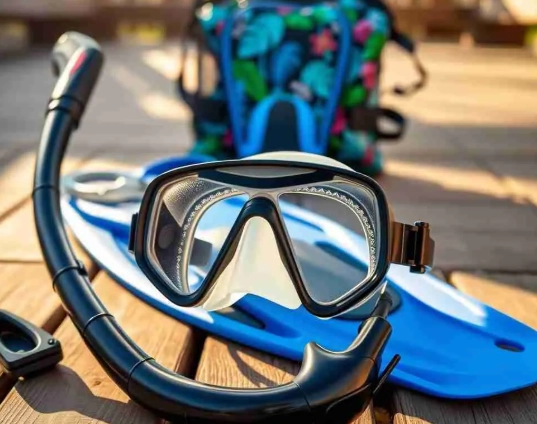
Where they shine: Top-tier materials and construction, proven designs, seamless integration with scuba gear.
Potential downside: The highest price points. Some snorkeling-specific features might be less of a focus than pure dive performance.
Beyond the Big Four: Other Notable Names
The market isn't just those four. Brands like TUSA (Japanese precision), Oceanic (great value with dive tech), and even reliable budget-focused brands like Seac and Subea (Decathlon's brand) deserve a look. TUSA, in particular, makes some fantastic full-face masks and high-visibility snorkels. I've found their silicone to be exceptionally soft.
Then there's the whole world of freediving-specific brands like C4, but that's a different conversation for when you're chasing depth, not just coral.
A Side-by-Side Snorkeling Gear Brands Comparison
Let's put some of this into a table to make the snorkeling gear brands comparison more visual. This is a general overview—each brand has a range of products at different levels.
| Brand | Typical Price Point | Known For / Strength | Potential Drawback | Best For... |
|---|---|---|---|---|
| Cressi | Budget to Mid-Range | Exceptional value, durability, reliable performance. Great fins. | Designs can be less innovative; some skirts less soft. | Beginners, casual snorkelers, anyone on a sensible budget. |
| Mares | Mid to High-Range | Technological innovation, comfort (LiquidSkin), high-performance fins. | Complex features may not be needed by all; higher cost. | Enthusiasts who want the latest tech, those prioritizing comfort. |
| Scubapro | High-End | Premium materials, flawless construction, dive-grade quality. | Most expensive. Overkill for pure vacation snorkeling. | Serious snorkelers, aspiring divers, those who buy for life. |
| Aqua Lung | Mid to High-Range | Proven, rugged designs, historical reliability, good for wider faces. | Can feel less "cutting-edge" in terms of features. | Traditionalists, those with broader facial features, divers. |
| TUSA | Mid-Range | Japanese engineering, excellent full-face masks, high-visibility gear. | Smaller product range than the giants. | Snorkelers interested in full-face options, those wanting high-visibility. |
See? No one brand wins every category. It's about trade-offs.
Breaking Down the Components: Mask, Snorkel, Fins
A true snorkeling gear brands comparison needs to look at each piece separately. A brand might make killer masks but average fins.
The Mask: It's All About the Fit
This is the most personal piece. A $300 mask that leaks is worse than a $50 one that seals perfectly. The brand dictates the shape of the fit. Generally (and this is a huge generalization):
- Italian brands (Cressi, Mares): Often designed for narrower, more "European" facial structures. Lower nose pockets.
- American-influenced brands (Aqua Lung, some Oceanic): Can cater to wider cheekbones and broader faces.
- Scubapro/TUSA: Somewhere in between, with many models offering multiple fit options.
Brand differentiators here are skirt softness (Mares LiquidSkin is top), field of view (Cressi's panoramic masks are great), and lens quality (Scubapro's optical clarity is hard to beat).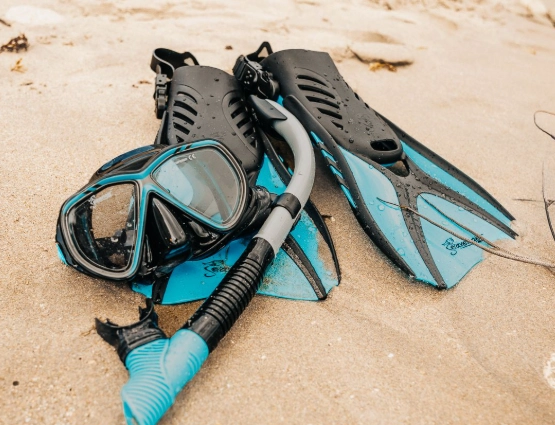
The Snorkel: Simple vs. Techy
Here, the snorkeling gear brands comparison gets interesting. You have three main types:
- Classic J-Tube: Simple, reliable, cheap. Every brand makes one. Nothing to break. Harder to clear if you dive down.
- Semi-Dry (Splash Guard): Has a simple cover to deflect waves. A good balance. Cressi and Aqua Lung make great ones.
- Dry Snorkel: Has a float valve mechanism that seals the top when submerged. Prevents water entry. Mares and Oceanic have excellent, reliable dry snorkel designs.
Personal opinion? For calm, warm-water snorkeling, a dry snorkel is lovely. For rougher water or travel where sand and grit are issues, I often go back to a simple semi-dry. Less to clean, less to go wrong. My fanciest dry snorkel from a major brand once jammed open with a tiny piece of coral debris. Back to basics.
The Fins: Power vs. Comfort
Fins are where engineering philosophy is most apparent.
Cressi fins like the Pro Light or the Frog are all about efficient, comfortable flex. They're not the most powerful, but you can kick all day in them.
Mares fins like the Avanti Quattro series are propulsion machines. The blade design channels water for serious thrust. They can be stiffer, requiring stronger legs.
Scubapro fins like the Seawing Nova are a marvel of hinged design, offering a different kind of efficient, fluid motion. They're fantastic but pricey.
Aqua Lung fins like the Stratos 3 are workhorses—tough, reliable, and good all-rounders.
Are split fins still a thing? Some brands still make them. They're easier on the knees but provide a different kind of thrust that not everyone likes. Try before you commit.
The Budget Question & The "Set" Trap
You'll see a lot of snorkel sets—mask, snorkel, fins, bag—all from one brand, often at a tempting price. For a beginner dipping a toe in, a reputable brand's set (like a Cressi or Aqua Lung set) is a perfectly fine way to start. It ensures compatibility and is cost-effective.
But as you get more serious, you'll likely start mixing and matching. You might find a Scubapro mask fits you perfectly, but you prefer the kick of a Mares fin, and you like the simplicity of a Cressi snorkel. And that's okay! The best gear kit is the one you assembled based on what works for your body.
Don't fall for the "must match" myth. This isn't a fashion show; it's a functional activity.
Your Snorkeling Gear Brands Comparison Checklist Before Buying
- Try before you fly: If possible, visit a local dive shop. They'll let you try masks and sometimes fins in a pool. This service is worth paying a small premium for.
- Define your use: Annual beach vacation? Freediving curiosity? Liveaboard trip? Your activity guides the brand and model choice.
- Check travel practicality: Some fins (especially long, powerful ones) are travel nightmares. Brands make specific travel fins that are shorter. Consider this.
- Read reviews, but wisely: Look for reviews that mention specific fit issues (e.g., "great for wide faces") or long-term durability, not just unboxing excitement.
- Consider the ecosystem: Need a GoPro mount? Some masks have built-in mounts. Want a snorkel keeper that clips to your mask strap? Some brands design them to work together seamlessly.
Common Questions This Comparison Tries to Answer
Final Thoughts: It's a Partnership, Not a Crown
After all this snorkeling gear brands comparison talk, my final take is this: don't marry a brand. Partner with it for the specific task you need done.
Think of it like tools. You might buy a trusted, value-brand hammer for general use (that's Cressi), but splurge on a precision, ergonomic screwdriver set for fine work (that's Scubapro or high-end Mares). There's no single "best" brand, just the best tool for your specific job and your specific hand.
Start by nailing the mask fit. That's 70% of the enjoyment right there. Then choose fins that match your leg strength and goals. Finally, pick a snorkel that suits the conditions you'll face most often. You might end up with a three-brand kit, and that's a sign you've thought it through properly.
The ocean is waiting. With the right gear on your face and feet, chosen from this messy, wonderful marketplace of brands, you'll forget about the equipment entirely and just get lost in the blue. And that's the whole point, isn't it?
Reader Comments