Quick Guide
- What Does "On Your Own" in Cozumel Really Mean?
- Safety First: The Non-Negotiables of Solo Snorkeling
- Top Spots for Snorkeling on Your Own from Shore
- Going Further: The Independent Boat Option
- Gear: What You Really Need to Snorkel on Your Own
- Navigating the Rules: Marine Park Fees and Etiquette
- Independent vs. Guided Tours: The Honest Pros and Cons
- Frequently Asked Questions (The Stuff You're Actually Wondering)
So you're planning a trip to Cozumel and that famous turquoise water is calling your name. But the idea of being herded onto a packed tourist boat with a dozen other people doesn't exactly scream "relaxing vacation." You start wondering: can you snorkel on your own in Cozumel? Is it even allowed, or is it a one-way ticket to getting yelled at by a park ranger or, worse, a safety hazard?
Let's cut to the chase. The short answer is a resounding yes. You absolutely can snorkel on your own in Cozumel. In fact, it's one of the best ways to experience the island's magic at your own pace and on your own budget. But—and this is a massive "but"—"on your own" doesn't mean "without a care in the world." It comes with a big responsibility tag attached, mainly for your own safety and for protecting the incredibly delicate coral reef you've come to see.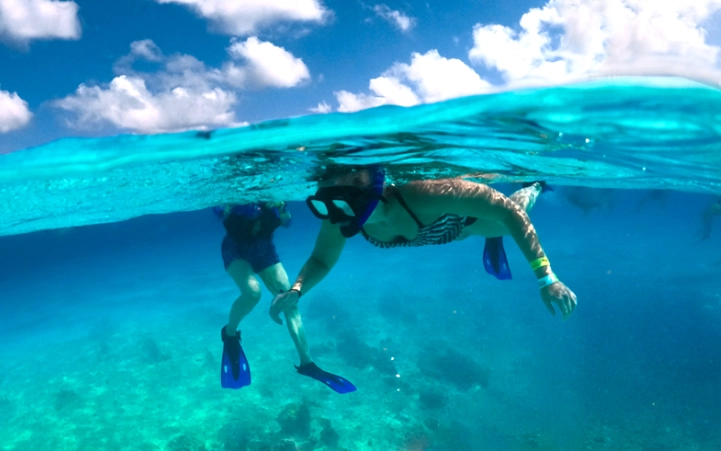
I've done it both ways here: the organized tours and the solo missions. There's a time and place for both, but the freedom of choosing your own spot, staying as long as you want watching a parrotfish chomp on coral, and not having to follow a guide's flag is pretty special. This guide isn't about convincing you to ditch guides entirely. It's about giving you the full, unvarnished picture so you can make the smartest, safest choice for your adventure.
What Does "On Your Own" in Cozumel Really Mean?
First, let's define our terms because "on your own" can mean two very different things in the Cozumel context, and confusing them can lead to trouble.
Option 1: Independent Shore Snorkeling. This is what most people picture. You rent a car, scooter, or take a taxi to a beach club or public beach with reef access. You walk in from the shore with your own gear (or rented gear) and explore the area directly in front of the beach. This is the most accessible and budget-friendly way to snorkel solo. The depth is usually manageable, you can easily get out, and you're never too far from land.
Option 2: Independent Boat Snorkeling. This is more advanced. This means you charter a private boat (like a panga) with a captain, but without a dedicated snorkel guide. You tell the captain where you want to go (within reason and regulations), he drops you in the water, and you explore on your own while he waits. Alternatively, if you're a certified diver with significant experience, some operations might allow more independence, but this is rare for pure snorkeling. This option gets you to the pristine, deeper reefs far from shore.
Most people asking "can you snorkel on your own in Cozumel" are thinking about Option 1. And that's what we'll focus on primarily, because it's where you have the most control and it's the most common scenario.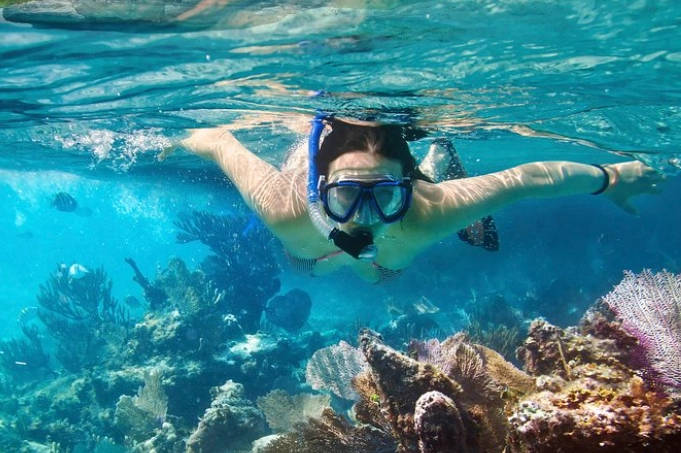
Safety First: The Non-Negotiables of Solo Snorkeling
Look, I'm not your mom. But I've seen enough near-misses to get preachy about this for a second. The ocean here is beautiful, not a swimming pool. Currents on the west coast (the leeward side, where all the snorkeling is) can be deceptively strong. They often run north to south, parallel to the shore. You might not even feel them until you try to swim back to your entry point and find yourself fighting a losing battle.
Other non-negotiables:
- Check Conditions: Never go in if the red warning flags are up. Ask lifeguards or beach staff about the current. If it looks choppy or the wind is strong, reconsider.
- Use a Surface Marker Buoy (SMB): This is a bright orange inflatable buoy you tow behind you on a line. It makes you highly visible to boats. In areas with any boat traffic, this is essential. You can buy a cheap one online. It screams "responsible snorkeler."
- Know Your Limits: Are you a strong swimmer? Be honest. Treading water in a pool is different from doing it in the ocean with waves. Don't venture further out than you're comfortable swimming back from.
- Hydrate & Sun Protection: Sounds basic, but dehydration and sunstroke are silent trip-killers. Drink water, wear a rash guard, and reapply reef-safe sunscreen.
I learned the buddy lesson the hard way years ago in another location. Got disoriented following a turtle, surfaced far from the boat, and had a minor panic moment. Having someone right there to signal to made all the difference. It's just not worth the risk.
Top Spots for Snorkeling on Your Own from Shore
Okay, with the safety chat done, let's get to the fun part. Where can you actually do this? Cozumel has several fantastic shore-access spots. Some are free public beaches, others are beach clubs that charge a small entrance fee (which usually includes a chair, facilities, and sometimes a drink). The fee is often worth it for the amenities and safer, defined swimming areas.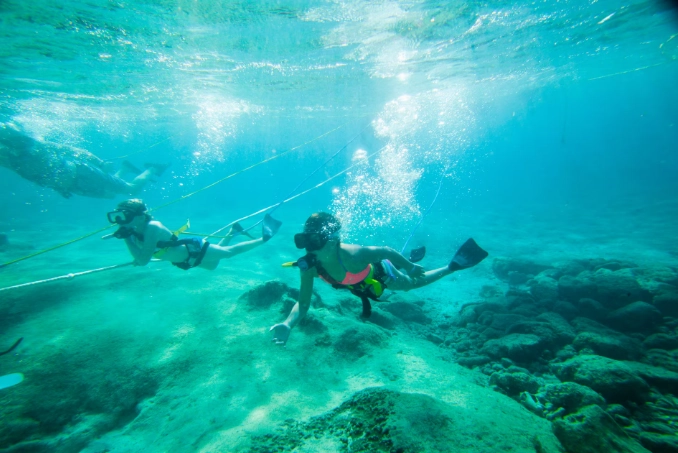
Here’s a breakdown of the best spots to answer your "can you snorkel on your own in Cozumel" question with a practical plan:
| Spot Name | Type / Cost | Snorkeling Description & Tips | Best For |
|---|---|---|---|
| Playa Corona | Beach Club / Moderate fee, often waived with food/drink purchase. | Probably the most famous DIY spot. A pier creates a calm area. Reef starts just a few meters out. Lots of fish, occasional turtles and rays. Sandy bottom entry, minimal current usually. Can get crowded. | Beginners, families, first-time solo snorkelers. Easy in and out. |
| SkyReef Beach Club | Beach Club / Entrance fee includes a welcome drink. | Has a fantastic ladder that goes right into the reef. The coral formations here are healthy and close. They also have an underwater statue. The club is relaxed, not a party scene. Great spot to spend a day. | Those who want direct reef access without a long swim. Good mix of relaxation and snorkeling. |
| Playa Palancar | Beach Club / Free entry, pay for chairs/food. | Huge, beautiful beach. The snorkeling is off to the far south side (left if facing the water). You need to swim out a bit further to find the reef, but it's less crowded underwater. More sandy areas mixed with coral. | Snorkelers who don't mind a swim to the reef. Good if you want a less crowded underwater experience. |
| The Money Bar | Restaurant/Bar / Free access, no beach. | No sand beach—it's a rocky shoreline with steps and ladders into the water. But the snorkeling right off their dock is excellent! Tons of fish are fed here (ethically, by staff), so it's a guaranteed aquatic show. Great for a sunset snorkel and dinner after. | Serious snorkelers who don't care about a sandy beach. Fantastic for easy, fish-filled sessions. |
| Playa San Francisco | Public Beach / Free, vendors for chairs. | Mainly a swimming beach, but if you go to the far north end (near the rocks), you can find some interesting marine life. Not a dedicated reef spot, but an option if you're already there and want to peek underwater. | A secondary snorkel option while enjoying a classic Cozumel beach day. Don't expect breathtaking reefs here. |
Going Further: The Independent Boat Option
Want to reach the legendary sites like Palancar or Columbia Reefs without a tour group? It's possible, but it's a different beast.
You can hire a private panga (a small motorboat) from the main marina in San Miguel or from smaller docks. You'll negotiate a price for a trip of 2-4 hours. The captain will take you to 2-3 spots. Critically, he will stay with the boat. He is not a snorkel guide. He won't be in the water with you. His job is boat safety and navigation.
This is where your safety awareness needs to be at its peak. You're in deep water, often with stronger currents and boat traffic. A Surface Marker Buoy is non-optional here. You must have a solid buddy system and clear hand signals. Discuss a plan with the captain: how long you'll be at each spot, what to do if you get separated, etc.
Is it worth it? If you're a confident, experienced snorkeler and want to see the famous deep-wall reefs, absolutely. The coral formations are monumental. But if you're new to ocean snorkeling, stick to the shore spots first.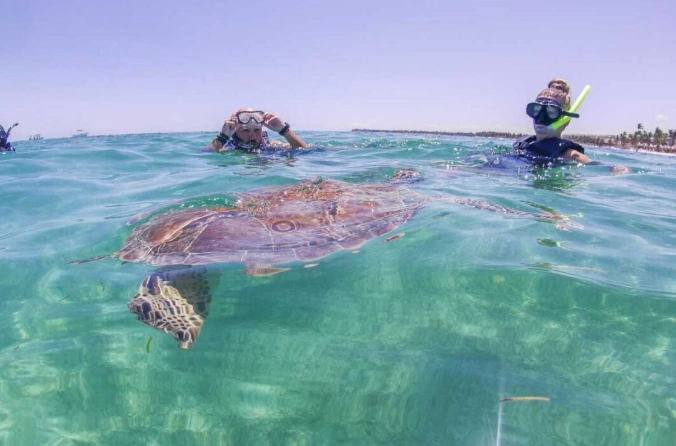
Gear: What You Really Need to Snorkel on Your Own
You don't need top-of-the-line everything, but you do need reliable gear. A leaky mask or a fin that falls off ruins the experience fast.
The Must-Haves:
- A Well-Fitting Mask: This is 80% of a good snorkel experience. Test it before you buy—press it to your face without the strap, inhale slightly through your nose. It should seal and stay on without you holding it. Defogger is a lifesaver (baby shampoo works too).
- Snorkel: A simple J-shaped snorkel is fine. Dry-top snorkels (with a valve that stops water when submerged) are popular and worth the extra few dollars to avoid swallowing a wave.
- Fins: Open-heel fins with booties are more comfortable for rocky entries. Full-foot fins are fine for sandy beaches. Don't get ones that are too long; you're not freediving 100 feet.
- Rash Guard/Lycra Suit: Protects you from the sun (saving sunscreen) and from minor scrapes on coral or jellyfish stings. A must-have in my book.
The Highly Recommended:
- Surface Marker Buoy (SMB): Already mentioned, but it bears repeating.
- Waterproof Dry Bag: For your keys, phone, wallet on the boat or beach.
- Reef-Safe Sunscreen: Look for "oxybenzone and octinoxate-free" labels. Many shops in Cozumel sell it, but bring your own to be sure. The NOAA has great info on why this matters.
Navigating the Rules: Marine Park Fees and Etiquette
Cozumel's reefs are part of the Cozumel Reefs National Marine Park, managed by CONANP (Mexico's National Commission of Natural Protected Areas). This isn't just bureaucracy; it's what keeps the reef alive.
Do you need to pay a fee to snorkel on your own? Technically, yes. The marine park fee is required for anyone using the park. On organized tours, it's bundled into your ticket. When you're independent, you are responsible for paying it.
In practice, how is this enforced? At popular shore-access points operated by beach clubs (like Playa Corona, SkyReef), the fee is usually included in your entrance fee or collected by the club. If you're accessing a truly public area, you might need to seek out a park office to pay. The fee is small (around $5-10 USD). The official park website, cozumelparks.org, has current rates and info, though it's not the most user-friendly site.
The more important rules are behavioral:
- DO NOT TOUCH OR STAND ON THE CORAL. A single touch can kill a coral polyp that took years to grow. Your fins create a lot of force—be mindful.
- Do not chase, touch, or harass marine life. This includes those cute sea turtles. Give them space.
- Do not feed the fish. It alters their natural behavior and diet.
- Take nothing out of the water. No shells, no coral fragments.
Independent vs. Guided Tours: The Honest Pros and Cons
Let's be fair. Guided tours exist for a reason. So when you're pondering "can you snorkel on your own in Cozumel," it's smart to weigh both sides.
Snorkeling on Your Own:
- Pros: Total freedom and flexibility. Go when you want, leave when you want. Stay at one spot as long as you like. It's almost always cheaper. More intimate, peaceful experience.
- Cons: Full responsibility for safety and navigation. You need to research and find the spots yourself. Limited to areas accessible from shore or within a private boat's budget. You might miss out on expert knowledge about marine life.
Guided Snorkel Tours:
- Pros: Safety in numbers and with an expert guide. They know the best spots for the day's conditions. Transportation, gear, and park fees are handled. They provide education about the reef. Access to remote, pristine sites only reachable by boat.
- Cons: Can be crowded. Fixed schedule. Often rushed ("10 more minutes, guys!"). More expensive. Less personal freedom.
My take? If it's your first time in Cozumel or you're not a strong swimmer, do a highly-rated guided tour first (Mexico's official tourism site can be a starting point for finding reputable operators). It's a great introduction. Then, on another day, try an independent shore snorkel at Playa Corona or SkyReef. You'll appreciate the freedom more with some context.
Frequently Asked Questions (The Stuff You're Actually Wondering)
Is it safe to snorkel alone in Cozumel?
Can I rent gear if I don't want to bring my own?
What about sharks? Or jellyfish?
I'm not a great swimmer. Can I still snorkel on my own?
What's the best time of day to go?
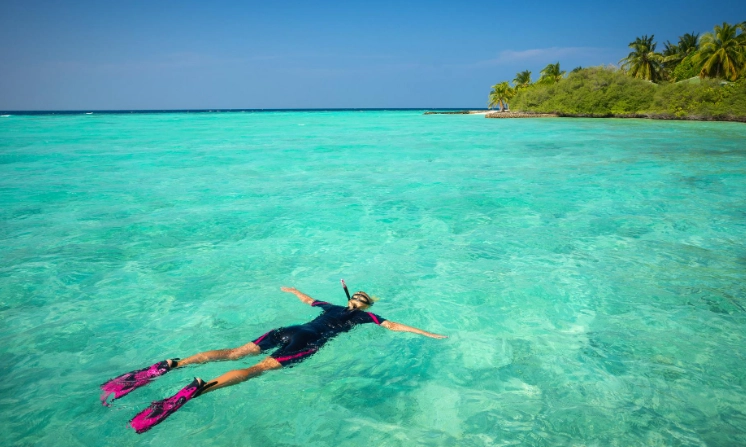
You bet you can. It's a fantastic, rewarding way to connect with the island's famous underwater world. The key is to swap the word "alone" for "self-reliant." Be self-reliant in your preparation, your safety planning, your respect for the environment, and your honest assessment of your skills.
Start with a simple shore snorkel at a recommended spot. Bring a buddy, rent decent gear, tow that bright orange buoy, and just float. Watch the parrotfish, avoid the coral, and feel the unique satisfaction of exploring on your own terms. That's the real Cozumel magic, and it's absolutely within your reach.
Have an amazing time, and be safe out there.
Reader Comments