Quick Guide
Let's be real for a second. When you picture the Bahamas, you see those ridiculously clear turquoise waters, right? And in your mind, you're floating face-down, watching rainbow-colored fish dart around coral that looks like it's from another planet. But then you check the price of a guided snorkeling tour and... ouch. I've been there. My first trip to Nassau, I almost choked on my conch fritter when I saw what some operators charge just to swim off a boat.
Here's the secret they don't always advertise: some of the best snorkeling in the Bahamas is completely, 100% free. You don't need a fancy boat or an expensive guide to access it. What you need is the right information. That's where this guide comes in. I've spent more time than I'd like to admit researching, testing spots, and talking to locals to figure out where you can have an epic underwater experience without spending a single dollar on access.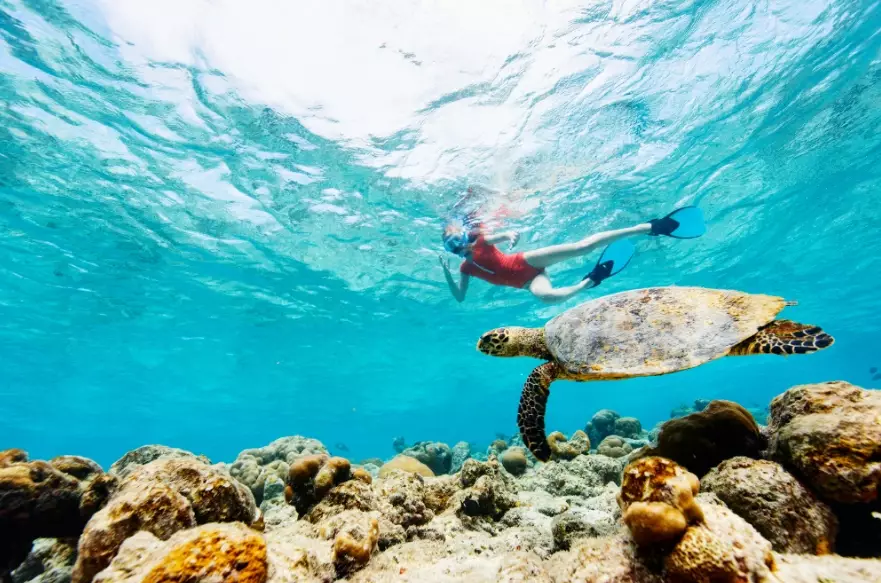
Free snorkeling in the Bahamas isn't a myth. It's a reality for savvy travelers who know where to look. This isn't about finding subpar spots either. We're talking about places where the water is so clear you feel like you're in an aquarium, and the marine life is so abundant it'll blow your mind.
The core idea is simple: The Bahamas is an archipelago with hundreds of cays and islands. Miles and miles of shoreline are publicly accessible. In many places, you can simply walk off a beach with your own gear and find yourself in a thriving underwater world. No ticket required.
Where Exactly Can You Snorkel for Free in the Bahamas?
This is the million-dollar question (or rather, the zero-dollar question). The answer depends heavily on which island you're visiting. The experience of free snorkeling in the Bahamas on New Providence (where Nassau is) is different from the Family Islands (or Out Islands).
Let's break it down island by island, because a one-size-fits-all answer doesn't work here.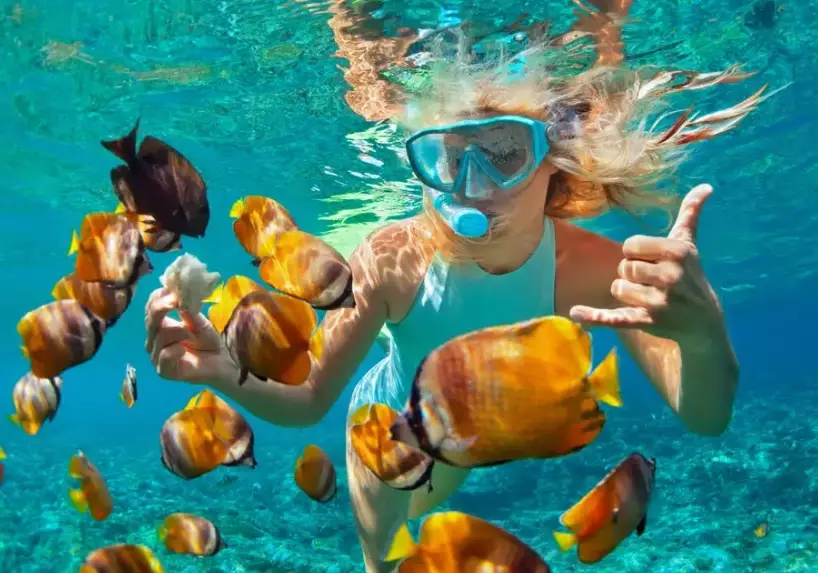
New Providence (Nassau & Paradise Island)
Nassau is the busiest island, and frankly, a lot of the immediate shoreline near the cruise ports and big hotels isn't great for snorkeling. It can be sandy with not much to see. But venture a little further, and you'll find gems.
Love Beach: This is a local favorite on the western end of the island. It's a long, pretty stretch of sand. The snorkeling isn't right off the main beach. You need to walk to the rocky areas at the ends (especially the western end near the now-closed Compass Point hotel). There, you'll find small coral heads and lots of fish. It's not the most spectacular reef, but for a free afternoon activity, it's solid. There's a beach bar there too, so you can grab a drink afterwards.
Goodman's Bay: This is a public park with a nice beach. The snorkeling is very basic—mostly sandy bottom with some occasional grass patches and a few fish. It's perfect for absolute beginners or kids who are nervous. You won't see rainbows of coral, but you'll get comfortable in the water. Sometimes you can spot the occasional ray gliding over the sand.
Cabbage Beach (Paradise Island): The beach itself is stunning, but the snorkeling directly offshore is usually poor due to waves and sand. However, if you walk all the way to the eastern end, near the rocks close to the Ocean Club, the structure attracts more fish. It's hit or miss, but it's free if you're already on the beach.
I made the mistake of trying to snorkel right in the middle of Cabbage Beach once. Big waves, churned-up sand, saw nothing but my own fins. Lesson learned: always head for the rocky points.
Grand Bahama Island (Freeport)
Grand Bahama was hit hard by hurricanes in the past, which impacted some reefs. But recovery is happening, and there are still good free options, especially if you have a car to explore.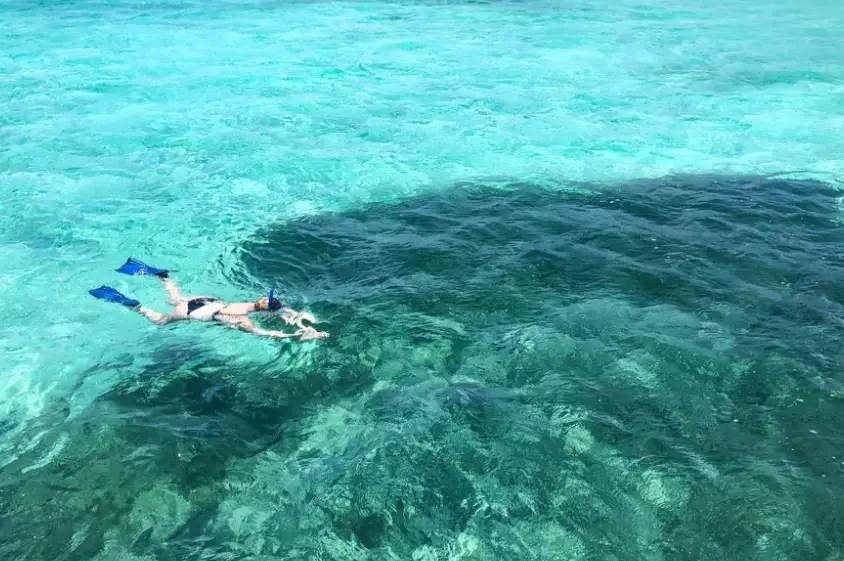
Gold Rock Beach: Located in the Lucayan National Park. Now, here's the catch: the park has a small entrance fee (a few dollars per person). But once you're in, the beach access is included. And it's worth mentioning because it's often cited as one of the most beautiful beaches in the world. At low tide, a vast sandbar is exposed. The snorkeling around the limestone formations and tidal pools can be fascinating, with small fish and invertebrates. It's more of a wading and exploring experience than deep-water reef snorkeling, but it's magical and unique.
Smith's Point & Fortune Beach: These Taino Beach area spots have generally calm, shallow water. You'll find some small coral patches and friendly fish, especially around any dock pilings or rocky outcrops. It's relaxed and easy.
The Out Islands (Family Islands)
This is where the dream of free snorkeling in the Bahamas truly comes alive. With less development and more pristine coastline, your chances of stumbling upon amazing snorkeling right off a random beach skyrocket.
Exuma: Famous for its swimming pigs, but the snorkeling is the real star. While many top sites require a boat (like the Thunderball Grotto), you can find great spots off beaches around Great Exuma. Stocking Island, just a short water taxi ride from George Town, has the famous "Chat 'N' Chill" beach bar on one side, but if you walk along the trails to the ocean side beaches, you can find isolated spots with good snorkeling. Again, look for rocky areas.
Harbour Island (Eleuthera): Famous for its pink sand beach, the Atlantic side is all about surfing. But the sound side, around the docks and in the harbors, can have surprisingly good fish life. I've seen huge schools of snapper and jacks just hanging around the Government Dock. It's not "pretty coral" snorkeling, but it's wildlife viewing.
Spanish Wells (Eleuthera): This quiet, working fishing island has incredibly clear water. Locals often snorkel off the northern beaches like Preacher's Cave Beach. The reef starts fairly close to shore in many places. Just ask a local politely where the current is safe—they know best.
Bimini: A legend for big game fishing, but the snorkeling is incredible. The Bimini Road (an alleged ancient rock formation) requires a boat. However, beaches like Radio Beach on North Bimini can have good shallow reefs accessible by swimming out a bit. The current can be strong here, so caution is key.
Local Intel Tip: The single best way to find free snorkeling spots? Strike up a conversation with a local who isn't trying to sell you a tour. A bartender, a grocery store clerk, a taxi driver. Ask them, "Where do YOU go swimming to see fish?" The answers are often golden.
Your Practical Guide to Making Free Snorkeling Work
Okay, so you know some locations. But making your free snorkeling in the Bahamas adventure successful, safe, and enjoyable requires a bit of planning. It's not just about jumping in anywhere.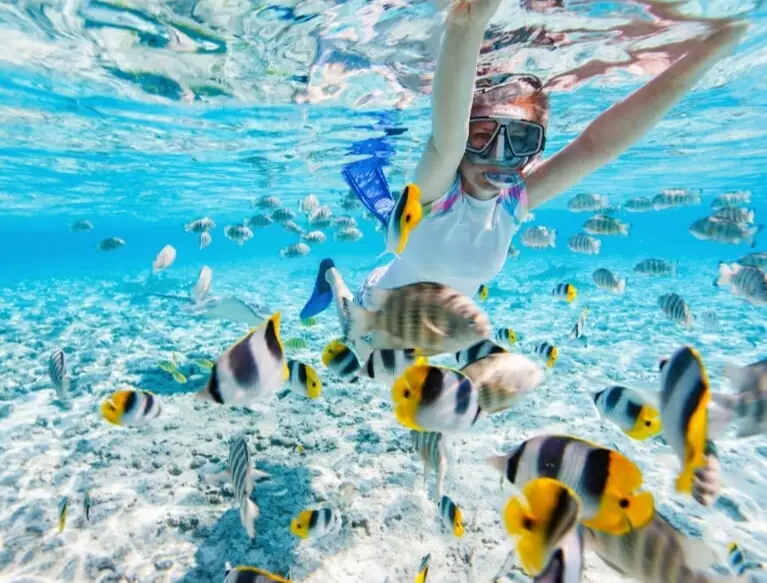
The Gear Question: Bring or Rent?
If you're relying on truly free snorkeling, you need your own gear. Most hotels that offer "free snorkeling" just mean you can swim off their beach; they rarely provide gear for free.
- Bring Your Own: This is the most economical if you're a frequent snorkeler. A decent mask, snorkel, and fin set doesn't have to be expensive. The pros? Hygiene and perfect fit. A leaking mask ruins the experience. The cons? It takes up luggage space.
- Rent On-Island: Many dive shops, water sports huts, and even some hotels rent gear. Expect to pay $15-$30 per day for a basic set. It adds up if you're snorkeling multiple days. I've rented fins that gave me blisters. If you have sensitive feet, bringing your own is worth it.
- The Compromise: Bring your own mask and snorkel (critical for fit and hygiene) and consider renting fins if luggage space is tight. Fins are bulky but less personal.
Safety: The Non-Negotiable Stuff
This is the most important section. Free often means unsupervised. Your safety is 100% your responsibility.
- Never Snorkel Alone: Seriously, don't. Even in shallow water. A cramp, a sudden current, or just getting disoriented can become dangerous quickly. Use the buddy system.
- Assess Conditions: Look at the water before you go in. Is it choppy? Is there a strong current pulling along the shore? Are waves crashing on the rocks? If anything looks sketchy, save it for another day. Calm, flat days are best for shore snorkeling.
- Beware of Boat Traffic: This is huge near populated areas like Nassau or Freeport. Stay close to shore, and be hyper-aware of any boats, especially near channels, docks, or popular anchoring areas. A bright-colored snorkel or safety buoy is a good idea.
- Marine Life Respect & Safety: Don't touch anything. Not the coral (it's fragile and can cut you), not the fish (some, like lionfish, are venomous), not the cute-looking sea urchins (their spines hurt). Give rays and sharks plenty of space. You're a visitor in their home. The Bahamas Ministry of Tourism has great guidelines for responsible interaction.
- Sun Protection: You will fry. Use a reef-safe, waterproof sunscreen (it's better for the coral!). A rash guard or t-shirt is even better—it protects you from the sun and sometimes minor scrapes.
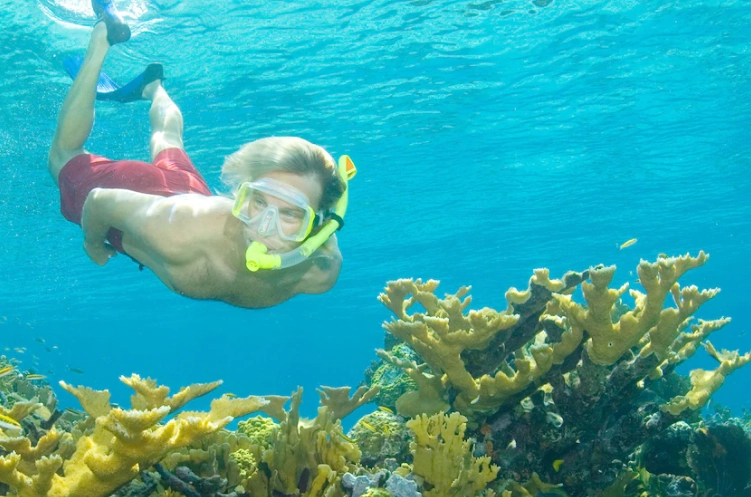
Timing is Everything
You can't just show up at any time and expect perfect visibility.
Best Time of Day: Mid-morning to early afternoon. The sun is high, lighting up the underwater world beautifully. Late afternoon light can be pretty too, but you have less time.
Tide Matters: A rising or high tide is usually best. Low tide can mean you have to walk out very far over shallow, seagrass-covered sand before reaching deeper water, and coral heads might be too close to the surface. In some locations, low tide exposes the reef, making snorkeling impossible.
Wind & Weather: Check the forecast. Wind from the east can churn up the water on east-facing beaches, reducing visibility. A calm day after a period of calm weather offers the clearest water. After heavy rain, runoff can make near-shore water murky.
Top Free Snorkeling Spots: A Quick-Reference Table
To make planning easier, here’s a snapshot of some of the most reliable spots for free snorkeling in the Bahamas. Remember, "conditions vary" is the golden rule.
| Island | Spot Name | Best For | What You'll Likely See | Key Consideration |
|---|---|---|---|---|
| New Providence | Love Beach (Western End) | Small coral heads, sergeant majors, parrotfish, the occasional ray | Parking can be tricky; head to the rocky points | |
| New Providence | Goodman's Bay | Absolute beginners, families with young kids | Sandy bottom, occasional fish, very calm water | Easy access, public facilities. Don't expect a vibrant reef. |
| Grand Bahama | Gold Rock Beach (Lucayan NP) | Nature lovers, explorers, photographers | Tidal pools, limestone formations, small critters, stunning scenery | Small park entry fee. Timing is crucial—go at low tide. |
| Exuma | Stocking Island (Ocean Side) | Adventurous travelers, those seeking isolation | Healthy coral patches, a variety of reef fish, possibly sea turtles | Requires a water taxi ride + a hike. No facilities on the ocean side. |
| Eleuthera | Preacher's Cave Beach (Spanish Wells area) | Clear water enthusiasts, those staying locally | Good visibility, reef fish, interesting underwater topography | Ask locals about current conditions before entering. |
| Bimini | Radio Beach (North Bimini) | Strong swimmers, those comfortable with potential currents | Shallow reef formations, colorful fish | Can be wavey. Swim parallel to shore and be current-aware. |
Free vs. Paid Snorkeling: When is a Tour Worth It?
Let's be fair. While free snorkeling in the Bahamas is awesome, paid boat tours exist for a reason. They access places you simply cannot reach from shore.
Consider paying for a tour if:
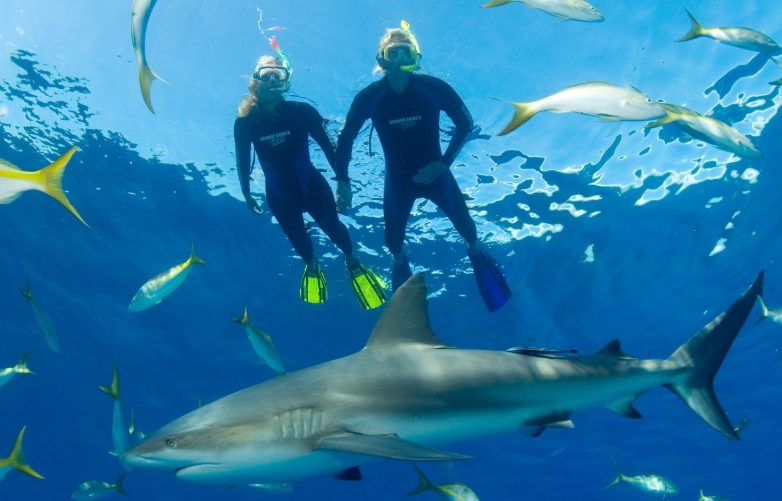
- You want to see specific, famous sites like the Thunderball Grotto (Exuma), the Underwater Sculpture Garden (Nassau), or dive with sharks at Compass Cay.
- You're short on time and want a guaranteed great experience without the research and logistics.
- You want the convenience of gear provided, a guide to point out marine life, and safety oversight.
- You're visiting an island with limited shore access to reefs (some islands have barrier reefs far offshore).
A hybrid approach works great: do a couple of days of free beach snorkeling to save money and enjoy the freedom, then splurge on one excellent boat trip to the must-see offshore sites. That's how you get the full picture.
Answering Your Burning Questions (FAQs)
Is the snorkeling really free at all-inclusive resorts?
It depends. Many all-inclusives in the Bahamas have a designated swimming area and may offer complimentary use of snorkel gear from their water sports desk. However, the snorkeling right off their beach is often just okay—mostly sandy with a few fish. To get to the good reefs, they'll usually try to sell you a boat excursion. So yes, the *activity* of snorkeling off their beach is free for guests, but the *quality* may be limited. Always check resort reviews specifically for snorkeling comments.
What marine life can I actually see from shore?
More than you think! Commonly: parrotfish (they're loud eaters, you'll hear them crunching coral), sergeant majors (the little yellow-striped ones), angelfish, blue tangs (like Dory), trumpetfish, the occasional stingray or eagle ray, schools of silversides, and if you're lucky, a sea turtle or a small nurse shark resting under a ledge. You won't usually see big pelagics like sharks or dolphins from shore—they tend to be in deeper channels.
Are there any laws or regulations for free snorkeling?
Yes. The main one is DO NOT TOUCH OR TAKE ANYTHING. This includes coral, shells, sea stars, etc. The Bahamas has strict laws protecting its marine environment. Taking live coral or certain conch shells is illegal. Also, be mindful of protected areas or marine parks (like the Exuma Cays Land and Sea Park), where all marine life is protected. Always follow local guidelines. The Government of The Bahamas website and the Bahamas National Trust are key resources for conservation rules.
What's the #1 mistake people make when trying to find free snorkeling?
Expecting a Caribbean postcard reef to be waiting 10 feet off every single beach. It's not. The best free snorkeling in the Bahamas is usually found where there is some kind of structure—rocks, a pier, a limestone ledge, a patch reef. Sandy, featureless bottoms generally mean fewer fish. So, scan the shoreline for areas that aren't just pure sand.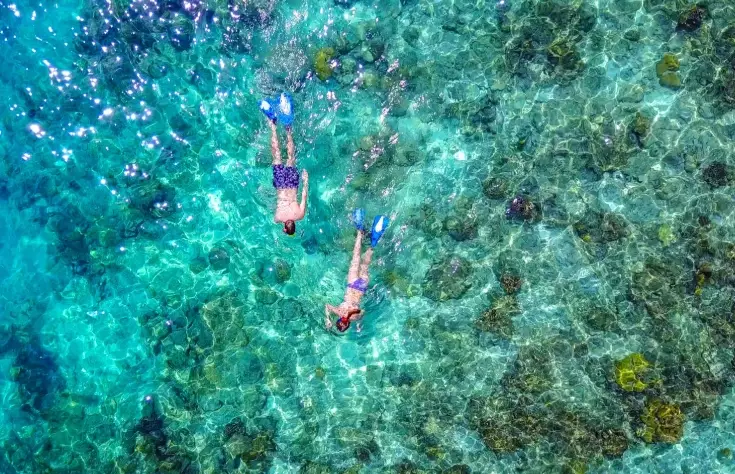
Making the Most of Your Adventure
To wrap this up, the opportunity for incredible free snorkeling in the Bahamas is absolutely real. It requires a shift from a passive tourist mindset to a more active, exploratory one. You trade the convenience of a guided boat for the reward of discovery and the satisfaction of a zero-dollar adventure.
Pack your sense of adventure along with your mask. Talk to locals. Be safe and respectful. And when you float over that first vibrant patch of coral you found all by yourself, watching a parrotfish go about its business, you'll realize that the best things in the Bahamas—the sun, the sand, and that unbelievable underwater world—really can be free.
The water's waiting. All you have to do is take the first step off the beach.
Reader Comments