Let's get straight to it. Snorkeling in a cenote isn't just another item to tick off your Yucatán bucket list. It's a sensory reset. One moment you're sweating in the jungle heat, the next you're floating weightlessly in water so clear it feels like flying. The light dances through cracks in the limestone ceiling, illuminating ancient stalactites and schools of tiny, translucent fish. It's silent, except for the sound of your own breath. This is cenote snorkeling, and it's unlike any snorkeling you've done in the ocean.
But here's the thing most blogs don't tell you: doing it wrong can ruin the experience, or worse, harm these fragile ecosystems. I've seen people slathered in chemical sunscreen jump in, watched folks kick fragile rock formations, and guided friends who were completely unprepared for the unique physical sensations. After a decade of exploring these watery caves from Tulum to Valladolid, I've learned what makes a cenote trip magical versus mediocre.
What's Inside This Cenote Snorkeling Guide
- Top Cenotes for Snorkeling (Not Just the Famous Ones)
- Essential Gear You Actually Need (Forget the Fancy Stuff)
- Cenote Safety: It's Not the Ocean
- Planning Your Itinerary: A Realistic Day Trip
- Common Mistakes Even Experienced Snorkelers Make
- How to Be a Sustainable Cenote Visitor
- Your Burning Questions, Answered
Top Cenotes for Snorkeling (Not Just the Famous Ones)
Everyone talks about Gran Cenote and Dos Ojos. They're stunning, but they're also crowded and expensive. For a more authentic feel, consider these three, which offer incredible snorkeling with fewer tour buses.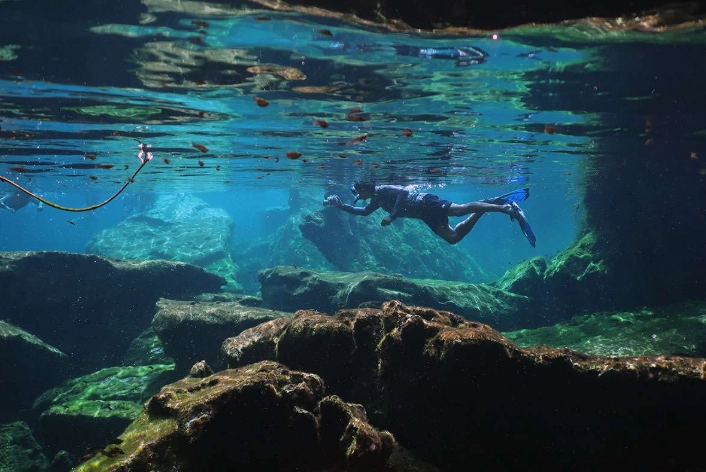
1. Cenote Calavera (Temple of Doom Vibes)
Location: Just outside Tulum, on the road to Cobá. Google Maps pin is accurate.
Entrance Fee: ~250 MXN (about $15 USD). Cash only.
Hours: 9:00 AM - 5:00 PM daily.
Why it's special: They call it "Temple of Doom" for a reason. You enter through three holes in the ground: one small, one medium, one you jump into from a ladder. The snorkeling inside is eerie and magnificent. Thick tree roots plunge from the ceiling into the deep, turquoise water. It feels more like an adventure than a curated attraction. The light at midday is unbeatable for photography.
2. Cenote Azul (The Family-Friendly Powerhouse)
Location: South of Playa del Carmen, right off Highway 307.
Entrance Fee: ~120 MXN ($7 USD).
Hours: 8:30 AM - 5:30 PM.
Why it's special: It's a massive, open-air cenote that's more like a natural swimming pool. The water is a brilliant blue and incredibly clear. What makes it great for snorkeling is the variety—you can explore shallow areas with tons of fish along the rocky edges, or swim out over surprisingly deep sections. There are platforms to jump from and plenty of space to spread out. It's less of a "cave" experience and more of a perfect, relaxed snorkel spot. Ideal if you're with people who are a bit nervous about enclosed spaces.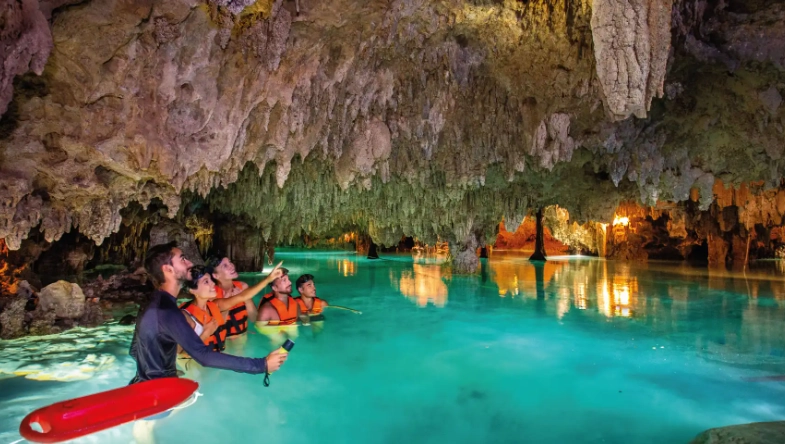
3. Casa Cenote (Where the Jungle Meets the Sea)
Location: Between Tulum and Akumal.
Entrance Fee: ~150 MXN ($9 USD).
Hours: 8:00 AM - 5:00 PM.
Why it's special: This is a *manatee* cenote—a long, narrow waterway that winds through mangroves before connecting to the ocean. Snorkeling here feels like swimming through a sun-dappled jungle river. You'll see brackish water fish, roots creating underwater labyrinths, and if you're lucky, a tarpon or two. It's not about dramatic caverns; it's about a serene, unique ecosystem. Go early to have it to yourself.
Getting There: Renting a car is the best way to visit these cenotes at your own pace. Colectivos (shared vans) run along Highway 307 and can drop you near many cenotes, but you'll need to know the spot to ask for. Taxis from Tulum or Playa are an option but can be pricey for round trips. Most tour operators focus on the big-name cenotes.
Essential Gear You Actually Need (Forget the Fancy Stuff)
You don't need a $500 mask. You need the right basics. Here’s the non-negotiable list:
- A Well-Fitting Mask: This is 90% of your comfort. The seal is everything. Press it to your face without the strap, inhale slightly through your nose. If it stays put, it fits. A foggy mask ruins the view—use a drop of baby shampoo rubbed in and rinsed, or proper defogger.
- Snorkel with a Simple Splash Guard: Dry-top snorkels are bulky and can fail. A basic J-tube with a splash guard at the top is more reliable for cenote snorkeling where you're not dealing with big waves.
- Fins That Fit: Full-foot fins (like for scuba) are better than adjustable strap fins for cenotes. You're not walking on beaches; you're entering from a platform or ladder. They're more efficient and comfortable for kicking in calm water.
- Biodegradable Sunscreen & Rash Guard: Apply your reef-safe, biodegradable sunscreen at least 30 minutes *before* entering the water. Better yet, wear a long-sleeved rash guard. Chemical sunscreens are banned at many cenotes for good reason—they poison the fragile aquifer.
- Water Shoes: The rocks are slippery. The paths can be rough. A cheap pair of water shoes is a game-changer.
Most cenotes rent gear, but the quality is a gamble. I've seen masks that leak constantly. Bringing your own, even a budget set you've tested in a pool, is infinitely better.
Cenote Safety: It's Not the Ocean
The dangers here are subtle. No sharks, no strong currents, but different risks.
The Halocline: This is the big one. In many cenotes, fresh rainwater sits on top of denser saltwater that has seeped in from the ocean. Where they meet is the halocline—a blurry, disorienting layer that feels like swimming through heat haze. It can freak you out if you're not expecting it. Your vision goes wavy. Just stay calm, keep breathing, and you'll pass through it.
Other key safety points:
- No Touching: The rock formations (stalactites, stalagmites) are incredibly fragile and grow over millennia. A single touch can stop growth. The biofilm on the walls is a living ecosystem, not slime.
- Depth & Darkness: Cenotes can go from 3 feet to over 100 feet deep suddenly. Stay in the well-lit areas unless you're with a certified cave diving guide. Don't venture into dark tunnels.
- Life Jackets: They're often mandatory and provided. Use them. They help with buoyancy control, which protects the cenote and conserves your energy.
Planning Your Itinerary: A Realistic Day Trip
Trying to hit five cenotes in a day is a recipe for exhaustion. Here’s a smarter, more enjoyable plan based from Tulum or Playa del Carmen:
| Time | Activity | Notes & Tips |
|---|---|---|
| 8:00 AM | Depart from your hotel. Aim to be at the first cenote by 9:00 AM. | Beat the crowds and the midday heat. The light is softer, better for photos. |
| 9:15 AM - 11:30 AM | Cenote #1: The Adventure (e.g., Cenote Calavera). | Start with the more intense, cavern-style experience while you're fresh. |
| 12:00 PM - 1:00 PM | Lunch at a local eatery. | Find a *lonchería* off the main road. Tacos al pastor, fresh juice. Avoid the overpriced tourist traps at the cenote gates. |
| 1:30 PM - 4:00 PM | Cenote #2: The Relaxation (e.g., Cenote Azul or Casa Cenote). | Unwind, float, explore at a leisurely pace. This is your wind-down session. |
| 4:30 PM | Head back. | You'll be tired. This schedule leaves you time to shower and get to dinner. |
Common Mistakes Even Experienced Snorkelers Make
I've made some of these myself. Learn from them.
Over-relying on the guide. On a tour, the guide might point out a few things, then let you wander. If you don't know what to look for, you'll miss the magic. Look for: the halocline shimmer, tiny freshwater shrimp on the walls, fossilized shells embedded in the ceiling, shafts of light creating "light beams" in the water.
Ignoring the "flow." Some cenotes have a gentle, almost imperceptible current. It's not dangerous, but if you're snorkeling in a river-style cenote like Casa Cenote, start upstream and let the flow carry you back towards the entrance. Saves energy.
Forgetting hydration and fuel. You're in water, but you're still exercising and under the sun. Drink water between cenotes. Eat a solid snack. Dehydration sneaks up on you.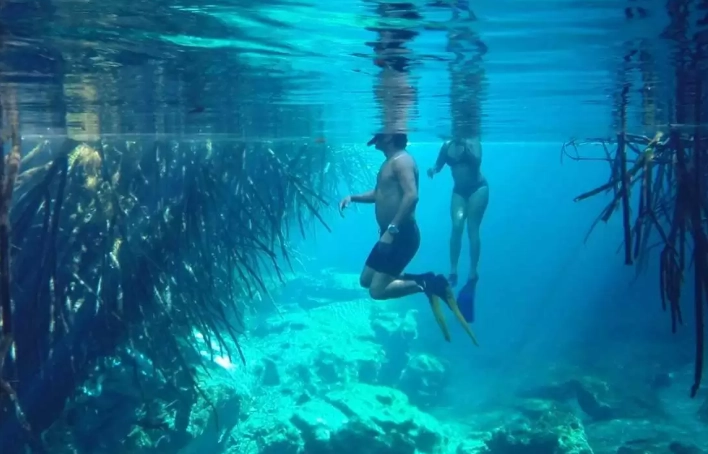
How to Be a Sustainable Cenote Visitor
This is critical. The Yucatán's aquifer is a single, connected system. Pollution in one cenote can spread.
- Mineral Sunscreen Only: Zinc oxide or titanium dioxide. No oxybenzone, no octinoxate. Check the active ingredients.
- Zero Trace: Whatever goes in with you, comes out. No wrappers, no hair ties, nothing.
- Respect the Rules: No jumping where it's prohibited, no diving in shallow areas, no loud music. These rules exist to protect the place and other visitors' experience.
- Support Local: Pay the entrance fee to the local community that manages the cenote. Buy water or a snack from their shop. This gives them a direct incentive to protect it.
Your Burning Questions, Answered
Can I wear sunscreen while snorkeling in a cenote?
Is cenote snorkeling safe for non-swimmers?
What's the best time of year to go cenote snorkeling?
Can I visit cenotes on my own, or do I need a tour?
Why is the water in cenotes so cold?
Snorkeling in a cenote is more than a swim. It's a glimpse into an ancient, hidden world. A bit of preparation—the right gear, the right mindset, and respect for the environment—transforms it from a simple activity into a profound experience. You're not just a tourist; you're a temporary guest in a geological cathedral. Treat it that way, and it will reward you with memories that last far longer than a tan.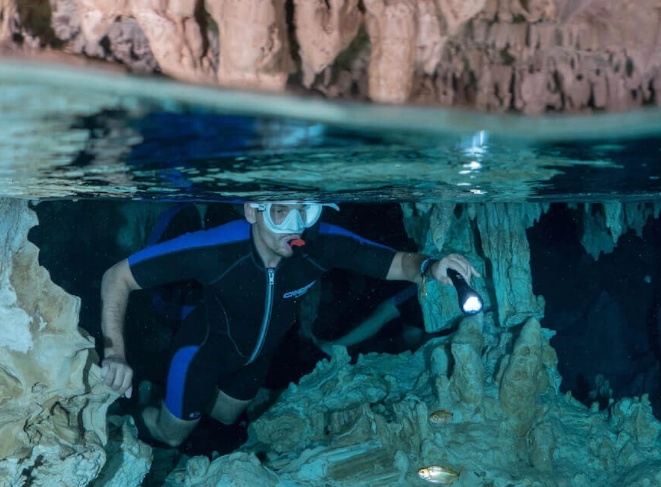
Reader Comments