So you want to go snorkeling. You’ve seen the pictures—crystal clear water, vibrant coral, fish in every color imaginable. But then you start searching for a snorkeling destination guide and get overwhelmed. The Great Barrier Reef? The Maldives? That little island your friend mentioned? The options are endless, and most lists just throw names at you without telling you what it’s actually like to be there.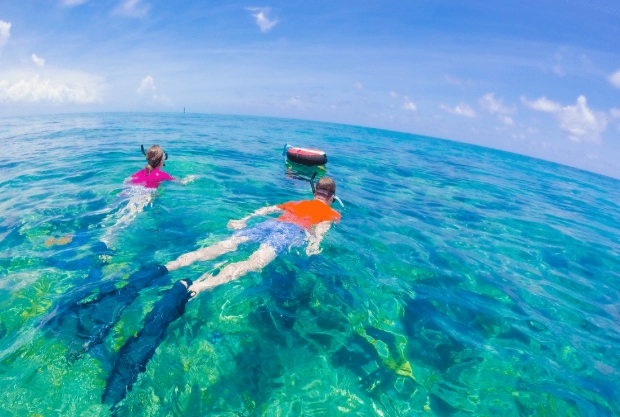
This isn’t just another list. I’ve spent over a decade chasing the best underwater views, from crowded tourist hotspots to secret spots only locals know. I’ve had trips ruined by poor planning and made magical discoveries by accident. This guide is about helping you skip the frustration and plan a trip you’ll remember forever. We’ll talk about how to pick a spot that matches your skills, budget, and travel style, then dive into specific locations with the nitty-gritty details you need to book your trip.
Your Quick Dive Plan
How to Choose Your Perfect Snorkeling Destination
Picking a spot because it’s famous is the first mistake beginners make. I did it. I went to a “world-class” reef only to find the water choppy, the coral bleached, and a hundred other snorkelers kicking around me. Not the serene experience I wanted.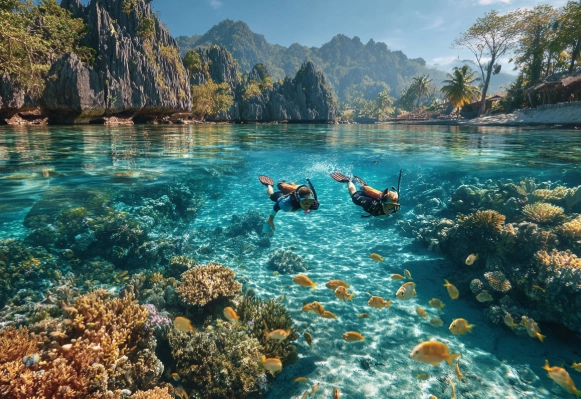
Ask yourself these questions first:
What’s your skill level? Be brutally honest. If you’re not a strong swimmer or get nervous in deep water, choose a place with calm, shallow lagoons (think parts of Bora Bora or the Bay of Donsol in the Philippines). Confident swimmers can handle spots with mild currents that bring in more marine life.
What do you want to see? Manta rays? Sea turtles? A specific type of coral? Destinations specialize. Hawaii is turtle heaven. The Maldives is famous for manta ray channels. The Coral Triangle (Indonesia, Philippines, Papua New Guinea) has the highest marine biodiversity on Earth.
Pro Tip Most Guides Miss: Consider the entry point. A beach where you walk straight in from the sand is infinitely easier for families or beginners than a spot requiring a boat drop or a tricky climb down rocks. This small detail can make or break your day.
What’s your travel style? Are you a luxury resort person, a budget backpacker, or an adventure camper? Your accommodation will dictate your base. Some of the best snorkeling is accessible from simple beach bungalows, not five-star hotels.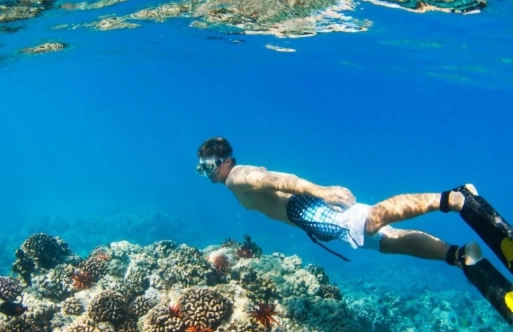
Budget reality check. Flights to remote atolls are expensive. Once there, boat trips add up. Sometimes, a destination with slightly less “fame” but amazing shore snorkeling (like Curaçao) saves you thousands compared to a place where you must pay for daily boat tours.
Top Snorkeling Destinations for Every Traveler
Here’s a breakdown of stellar spots, categorized to help you match one to your vibe. I’m including the practical stuff—how to get in, costs, the real vibe—that other lists gloss over.
>Liveaboard boats or remote homestays. Not for beginners. Pristine but hard to reach.| Destination | Best For | Key Feature & Access | Budget Level |
|---|---|---|---|
| Great Barrier Reef, Australia | Bucket-list seekers, diverse coral ecosystems | Boat trip required from Cairns/Port Douglas. Outer reefs are healthier. Choose smaller, eco-focused operators. | High (Trips start ~$150 AUD) |
| Tulamben, Bali | Shore snorkelers, wreck lovers, budget travel | USAT Liberty shipwreck right off a pebble beach. Free entry. Best early morning. | Low |
| Raja Ampat, Indonesia | Advanced adventurers, ultimate biodiversity | Very High | |
| Hanauma Bay, Oahu | Families, first-timers, convenience | Protected nature preserve. Entry fee (~$25). Reservations REQUIRED. Can get crowded. | Medium |
| Silfra Fissure, Iceland | Unique experience, crystal clear water | Snorkeling between tectonic plates. Dry suit required (provided). Very cold water. Guided tour only. | High (~$150+ per person) |
Deep Dive on Two Must-Consider Spots
Let’s get specific about what a day at these places actually looks like.
The Great Barrier Reef (Queensland, Australia)
It’s iconic for a reason, but you have to do it right. Don’t just book the cheapest, biggest boat from Cairns. Those go to inner, often more crowded and less vibrant reefs.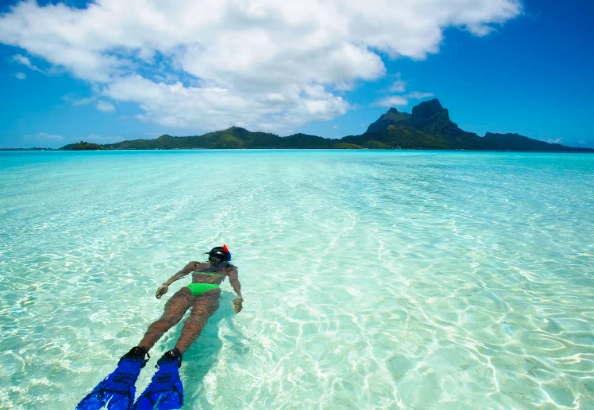
Look for operators going to the outer reefs like Agincourt or Opal Reef. Companies like Wavelength or Reef Sprinter (smaller, faster boats) offer a better experience. A full-day trip typically includes gear, lunch, and guided snorkels. Cost: $250-$350 AUD. Check the Great Barrier Reef Marine Park Authority website for reef health updates and responsible tourism operators.
The boat ride can be 90 minutes to two hours each way. If you get seasick, take medication. The reef itself? When you find a good patch, it’s mind-blowing. Schools of fish, giant clams, and coral in shapes you didn’t know existed. But manage expectations—some areas have suffered bleaching. A good guide will take you to the healthiest sections.
Tulamben, Bali, Indonesia
This is the polar opposite of the Great Barrier Reef experience. No boat, no big fee, no schedule. You drive to a black pebble beach on Bali’s east coast, put on your gear, and walk in.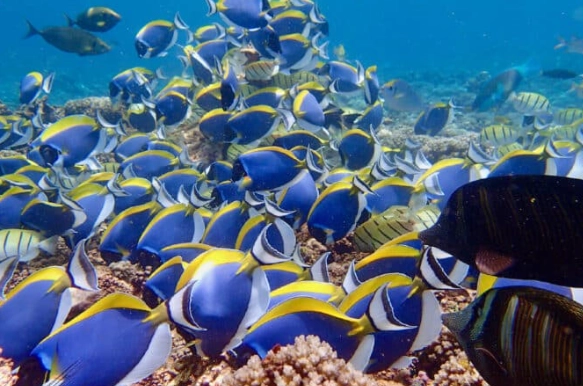
The main attraction is the USAT Liberty shipwreck, a WWII cargo ship sitting in 5 to 30 meters of water. The shallow parts are right there, maybe 20 meters from shore. You’ll see the wreck covered in soft corals, surrounded by massive schools of jackfish, batfish, and if you’re lucky, bumphead parrotfish. It’s surreal.
Address: Just off Jalan Raya Singaraja-Amlapura, Tulamben. You’ll see dive shops lining the road.
Cost: Free public beach access. Rent gear from a shop for ~$5.
Best Time: 7-10 AM, before the dive boats arrive and the wind picks up.
The Catch: The beach is pebbles, not sand. Water shoes are a must. And it’s become popular, so it’s not a secret anymore. Go early.
How to Plan Your Snorkeling Trip: A Step-by-Step Guide
Once you’ve picked a place, here’s how to build your trip. I’m walking you through my own planning process.
Step 1: Research the Specific Site, Not Just the Country. “The Philippines” is too broad. Are you going to Moalboal for the sardine run? Coron for the wrecks? El Nido for the lagoons? Each requires different planning. Find blogs or forums focused on that specific town or island.
Step 2: Nail the Timing. This is huge. Seasons affect visibility, water temperature, and marine life.
- Avoid the rainy season—runoff makes water murky.
- Research migration patterns. Want to see whale sharks? In Mexico’s Isla Mujeres, the season is roughly June to September.
- Consider “shoulder seasons” for fewer crowds and better prices, but double-check the weather.
Step 3: Book Accommodation for Access, Not Just Comfort. My golden rule: Can I snorkel from the beach here? If yes, you have unlimited, free snorkeling on your doorstep. Websites like Booking.com have a “snorkeling” filter. Call the hotel and ask, “Is there a house reef?” or “How far is the nearest accessible snorkeling spot?”
Step 4: Gear Up Smartly. You don’t need a $500 mask, but a poorly fitted, foggy rental mask can ruin your day. If you snorkel more than once a year, buy your own mask and snorkel. It’s hygiene and comfort. Fins are less critical but helpful in currents. Pack defogger (baby shampoo works) and a rash guard. It protects from sun and jellyfish stings, and you’ll look less like a tourist in a striped rental vest.
Step 5: Plan Your In-Water Days. Don’t try to snorkel for 6 hours straight. You’ll get exhausted, cold, and sunburned. Plan for 60-90 minute sessions, then get out, drink water, reapply sunscreen. Listen to your body.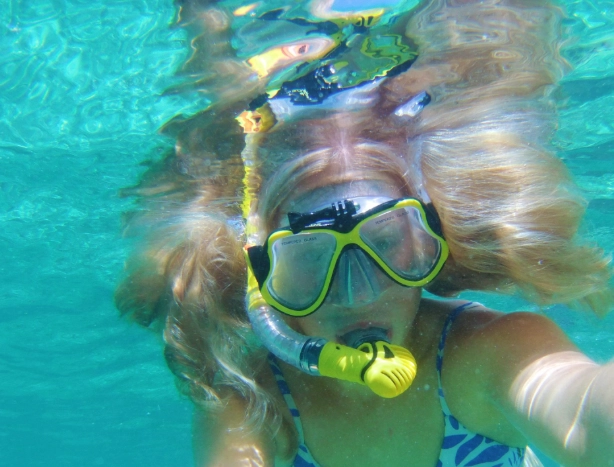
The Sustainability Non-Negotiable: Please, for the love of the ocean, do not touch, stand on, or chase anything. Use reef-safe sunscreen (mineral-based, without oxybenzone and octinoxate). Choose operators with clear eco-policies. Our choices directly impact these fragile places. Resources from the National Oceanic and Atmospheric Administration (NOAA) are great for understanding coral reef protection.
Your Snorkeling Trip Questions Answered
Reader Comments