I remember the first time I took my nephew snorkeling. He was seven, full of energy, and obsessed with Finding Nemo. We got him all geared up, he jumped in, and... spent the next ten minutes fighting a foggy mask, swallowing seawater, and declaring the ocean "too salty." It was a far cry from the magical, bonding experience I'd pictured. That trip taught me more about planning a family snorkeling vacation than any guidebook ever could.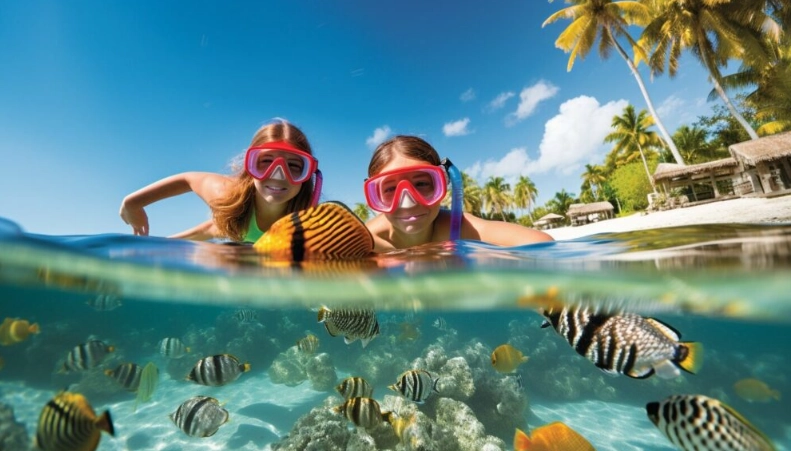
A family snorkeling vacation isn't just about seeing fish. It's about shared wonder, overcoming little fears together, and creating stories you'll talk about for years. But to get there, you need a plan that goes beyond booking a flight to a tropical island. You need to think about gear that fits small faces, safety that lets you relax, and destinations where the ocean itself is welcoming to beginners.
This guide pulls from years of trial, error, and finally, success. We'll skip the generic advice and dive into the specifics that make or break a trip with kids in tow.
What’s Inside This Guide
Why a Family Snorkeling Vacation is Worth the Effort
Let's be honest. Traveling with kids can be hard. Adding gear, safety concerns, and the unpredictability of the ocean might seem like a recipe for stress. So why do it?
Because when it clicks, it's pure magic. You're not just watching a nature documentary; you're floating in it. A sea turtle gliding past your eight-year-old creates a silent, wide-eyed moment of connection no theme park can match. It teaches kids (and reminds adults) about a world beyond screens, fosters a respect for nature, and builds confidence in the water. It's an active, shared adventure where everyone, regardless of age, is a beginner explorer.
The key is managing expectations. Your goal isn't a five-hour marathon snorkel. It's a successful 45 minutes in a calm bay, followed by ice cream. That's a win.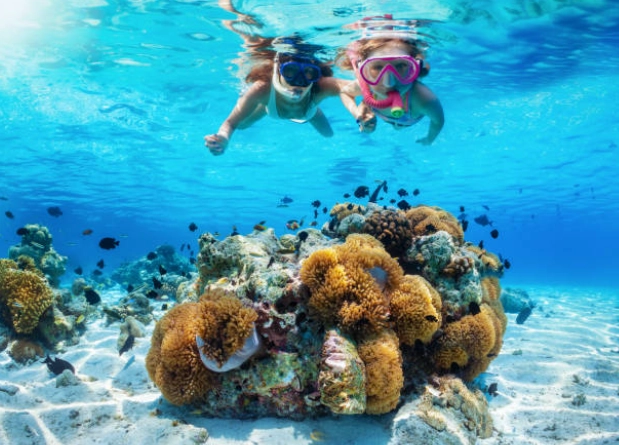
Gear for the Whole Crew: Skip the Rental Roulette
Here's a mistake I see constantly: families relying on resort rental gear. Ill-fitting, foggy masks are the #1 reason kids get frustrated and quit. For a stress-free trip, invest in a few key pieces of your own.
The Mask is Everything. Don't buy a "child's snorkel set" from a toy aisle. Get a real, low-volume silicone mask from a sports brand. The skirt should seal comfortably without the strap being cranked tight. Test the fit by placing it on the face without the strap, inhaling gently through the nose, and letting go. It should stay suctioned for a few seconds. For kids with narrow faces, look for junior-specific models.
Snorkels: Simple is Best. Avoid complex "dry" snorkels with splash guards for young kids. They can be harder to clear if water gets in. A classic J-shaped snorkel or a very simple semi-dry top is perfect. Make sure the mouthpiece is soft and small.
Fins are for Later. For first-timers, especially in shallow, calm water, skip fins initially. They add complexity and can stir up sand, reducing visibility. Let them get comfortable floating and breathing first. When you add fins, get open-heel fins with adjustable straps, not full-foot fins they'll outgrow in a year.
Pro Tip from a Dad Who Learned the Hard Way: Pack a tube of defogging gel or, my cheap favorite, a tiny bottle of baby shampoo. A drop rubbed on the lens and rinsed prevents fogging for hours. This one trick has saved more snorkels than I can count.
Safety Isn't Boring: It's Your Ticket to Fun
Safety is what lets you stop being a lifeguard and start being a parent on vacation. Anxiety is contagious; if you're nervous, they'll be nervous.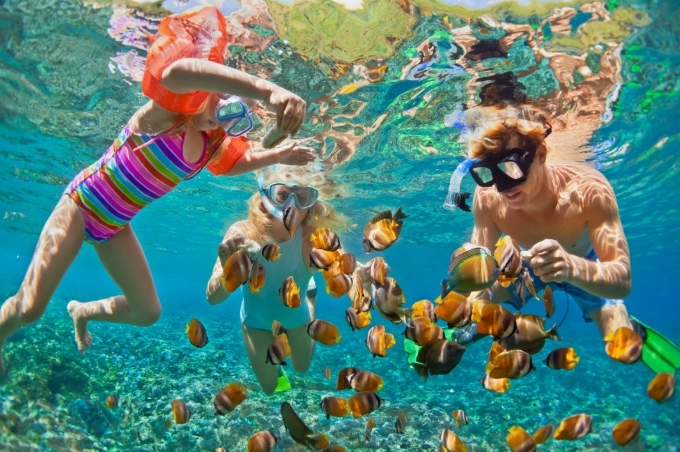
Floatation is Non-Negotiable
Even if your child is a strong pool swimmer, the ocean is different. Currents, waves, and fatigue happen. A properly fitted, US Coast Guard-approved Type III personal flotation device (PFD) is essential for every non-expert swimmer. Not pool noodles. Not inflatable arm bands. A real vest or snorkel-specific float vest. It provides genuine safety and immense psychological comfort for everyone.
The Buddy System, Redefined
"Stay with your buddy" is too vague. Assign one adult per child or non-swimmer. Your sole job is that person. You're not looking at fish; you're making eye contact, checking their breathing, and staying within arm's reach. Rotate who gets to "explore freely" so adults get a turn too.
Read the Water, Not Just the Brochure
Before anyone gets in, watch the water for 5 minutes. Are waves breaking on the shore? Is there a visible current pulling along the beach? Enter and exit in the calmest spot, even if it's a longer walk. Teach kids to never turn their back to the waves when near shore.
Top Family-Friendly Snorkel Spots (That Aren't Overrun)
The perfect family snorkeling destination has three things: calm, protected water; interesting stuff to see in shallow depths; and easy beach access. Here are a few that nail it.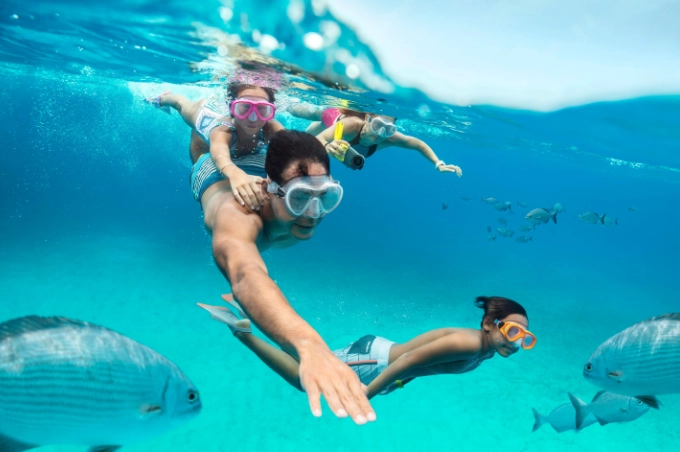
Kahalu'u Bay, Big Island, Hawaii
This is my top recommendation for first-timers. A small, rocky bay naturally protected by a sea wall, it's like a wading pool for the ocean. The water is waist-deep for adults for a long way out, teeming with green sea turtles, parrotfish, and urchins. There's a dedicated lifeguard, rental shack right on the beach, and showers. It can get crowded by mid-morning, so go early. Parking is limited.
Best for: Absolute beginners, toddler-watching from the shore, guaranteed turtle sightings.
Timing: Morning for calmest conditions.
Note: Wear water shoes; the entry is rocky.
Trunk Bay, St. John, U.S. Virgin Islands
Famous for its 650-foot underwater snorkel trail with plaques identifying coral and fish. The water is consistently tranquil, the sand is powder-soft, and the trail gives kids a "mission." It's a US National Park, so facilities are excellent (restrooms, showers, food). The downside? It's popular and has an entrance fee per person. For a less crowded alternative on St. John, check out Maho Bay or Cinnamon Bay.
Best for: Kids who love a structured activity, crystal-clear water, pristine facilities.
Timing: Weekdays, or right when it opens.
Note: The trail gets deep in parts (15-20 ft), so weaker swimmers should stay closer to shore where it's still vibrant.
Bonaire's Leeward Coast (Specifically, Something Like Pink Beach)
Bonaire is a snorkeler's paradise, but the shore entries can be rocky. For families, seek out the southern beaches like Pink Beach or the beach at the Sorobon area. These offer sandy entries into calm, shallow water. Bonaire's marine life is spectacular and used to people. You'll see angelfish, parrotfish, and maybe even an octopus just feet from shore. The island is arid and safe.
Best for: Families wanting world-class snorkeling from shore, older kids comfortable in water.
Timing: Any time; the leeward side is always calm.
Note: You'll likely need a rental car. Bring your own gear or rent from a reputable shop in town, not just at the hotel.
Making It Fun (So They'll Beg to Go Again)
The goal is to create positive associations. Here’s how.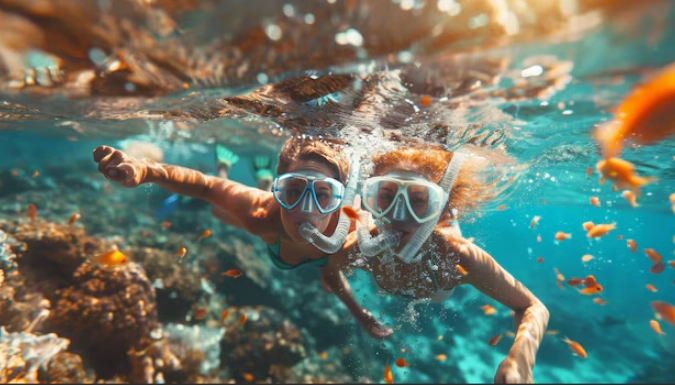
Turn it into a Game. Before you go, print out a "fish bingo" card with pictures of common local fish (parrotfish, sergeant major, blue tang). Give each kid a waterproof case or a ziplock bag with their card and a grease pencil. Finding and checking off a fish is thrilling.
Short and Sweet. Plan for 30-60 minutes in the water max for the first few times. End on a high note, before they get cold, tired, or bored. Say, "One more look around, then we're getting hot chocolate."
Embrace the Beach Day. A family snorkeling vacation is 20% snorkeling, 80% beach vacation. Build sandcastles, look for shells, have a picnic. The snorkeling is the special activity, not the entire agenda.
Let Them Lead. If your child is fascinated by a single hermit crab for ten minutes, that's a successful snorkel. Don't drag them away to see "better" stuff.
 What is the best age to take kids snorkeling for the first time?
Reader Comments