I still remember my first solo snorkeling trip to the Great Barrier Reef. I was nervous, sure, but the freedom of diving into crystal-clear waters without waiting for a group changed everything. Solo snorkeling travel isn't just about seeing fish; it's about crafting your own underwater journey on your terms. If you're tired of crowded tours or want to explore at your own pace, this guide is for you. We'll dive into everything from picking destinations to staying safe, based on my decade of snorkeling alone across the globe.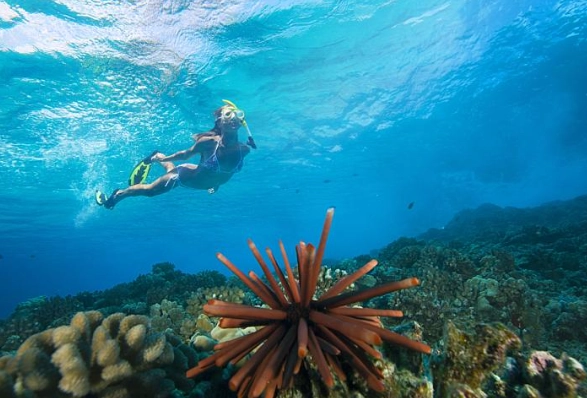
Your Journey Starts Here
Why Choose Solo Snorkeling Travel?
Let's be honest: snorkeling with friends is fun, but going solo offers something unique. You set the schedule, linger at a coral garden as long as you want, and don't have to compromise on spots. I've found that solo trips let me connect more deeply with marine life—without distractions. But it's not all sunshine; you need to be self-reliant. A common misconception is that solo snorkeling is lonely. In reality, I've met more locals and fellow travelers by striking up conversations at dive shops or beach bars. The key is balancing freedom with responsibility.
Think about it. When you're alone, you notice details groups miss: a shy octopus hiding in rocks, the way light filters through water at different times. It's meditative. But you also carry all the gear, plan every step, and handle emergencies yourself. That's why preparation is everything.
How to Plan Your First Solo Snorkeling Trip
Planning a solo snorkeling adventure doesn't have to be overwhelming. Break it down into steps, and you'll avoid the stress I felt on my early trips.
Choosing the Right Destination
Pick places known for easy access, safety, and good infrastructure. For beginners, I recommend spots with calm waters and rental shops nearby. Avoid remote areas until you're experienced. Here's a quick tip: check tourism boards like the Australian Government's Great Barrier Reef Marine Park Authority for safety updates. They provide real-time alerts on conditions.
Destinations matter because some are solo-friendly, while others require guides. For example, in parts of Southeast Asia, currents can be tricky, so going alone might not be wise. Always research local regulations—some marine parks mandate guided tours.
Essential Gear for Solo Snorkelers
Your gear list is non-negotiable. As a solo snorkeler, you can't borrow from a buddy if something fails. Invest in quality items. Here's what I pack every time:
- Mask and snorkel: Get a fog-resistant mask with a comfortable fit. I prefer models with purge valves for easy clearing.
- Fins: Choose open-heel fins for adjustability. They're easier to walk in on beaches.
- Buoyancy vest: This is a lifesaver—literally. It helps you float if you get tired, and many have whistle attachments for emergencies.
- Underwater camera: For capturing memories. GoPro or similar action cameras are popular, but remember to practice using them before your trip.
- Dry bag: To keep your phone, wallet, and keys safe on shore.
Don't skimp on gear. On a trip to Hawaii, I bought a cheap snorkel that leaked, and it ruined half a day. Lesson learned.
Safety First: Tips for Snorkeling Alone
Safety is the biggest concern for solo snorkelers. Here's my routine:
- Always tell someone your plans: hotel staff, a friend back home, or use apps like Glympse to share your location.
- Check weather and tide reports. Sites like NOAA's National Weather Service offer reliable forecasts.
- Stay close to shore or marked snorkeling trails. If you're new, stick to areas with lifeguards.
- Practice floating and resting techniques in a pool first. Many people panic when tired, but floating on your back conserves energy.
I once ignored a tide warning in Bali and got caught in a current. It was scary, but I managed to swim diagonally to shore. Now, I never skip the forecast check.
Top 3 Solo Snorkeling Destinations for Independent Travelers
Based on my travels, these spots offer the best mix of accessibility, beauty, and solo-friendly amenities. I've included practical details so you can plan directly.
| Destination | Key Snorkeling Spot | Address / Location | Entrance Fee | Best Time to Visit | Transport Tips |
|---|---|---|---|---|---|
| 1. Maui, Hawaii, USA | Molokini Crater | Off the coast of Makena, Maui. Boat tours depart from Maalaea Harbor. | Boat tours: $80-$120 (includes gear). No fee for public beach access. | April to October (calm seas) | Rent a car from Kahului Airport. Drive to Maalaea Harbor for tours. Parking is free but fills early. |
| 2. Roatán, Honduras | West Bay Beach | West Bay, Roatán, Bay Islands. Access via beach clubs or public entry points. | Free for public beaches; some clubs charge $5-$10 for facilities. | March to June (dry season) | Fly into Juan Manuel Gálvez Airport. Taxis or shuttles to West Bay cost $20-$30. Many hotels offer free transfers. |
| 3. Silfra Fissure, Iceland | Silfra in Thingvellir National Park | Thingvellir National Park, 806 Selfoss, Iceland. About 50km from Reykjavik. | Parking fee: 750 ISK (~$5). Guided snorkel tours required: $150-$200. | June to August (warmer water temps) | Rent a car from Reykjavik. Drive Route 36 to the park. Tours include gear and permits—book in advance. |
Maui is my top pick for beginners. The waters are clear, and there are plenty of rental shops in Kihei. For Silfra, note that snorkeling alone isn't allowed due to safety regulations; you must join a guided tour. But the experience of diving between tectonic plates is worth it.
I spent a week in Roatán last year. The coral reefs are vibrant, and you can snorkel right from the beach. However, some areas get crowded, so go early in the morning for solitude.
A Sample 5-Day Solo Snorkeling Itinerary
Let's make this concrete. Here's a itinerary I followed in Maui—adjust it based on your destination.
Day 1: Arrival and Acclimation
Fly into Kahului Airport. Pick up your rental car (book ahead for better rates). Check into a budget-friendly hotel like the Maui Seaside Hotel in Kahului ($120/night). Spend the afternoon testing your gear at Kamaole Beach Park III in Kihei. It's free, has lifeguards, and gentle waves.
Day 2: Molokini Crater Adventure
Book a morning boat tour to Molokini Crater with companies like Kai Kanani. Tours start at 7 AM from Maalaea Harbor. Cost: around $100. You'll snorkel for 2-3 hours among tropical fish and coral. Pack snacks—some tours provide lunch, but I always bring extra. Afternoon: relax at the hotel or explore Kihei town.
Day 3: South Maui Exploration
Drive to Makena Landing for shore snorkeling. No fees here. You might see turtles—keep a respectful distance. Later, visit the Maui Ocean Center (ticket: $30) to learn about marine life. It's a great backup if weather turns bad.
Day 4: North Shore and Flexibility
Head to Honolua Bay on the north shore. Parking is limited, so arrive by 8 AM. The snorkeling is fantastic, but currents can be strong—check conditions first. If it's rough, switch to Kapalua Bay nearby. Evening: treat yourself to dinner at a local spot like Coconut's Fish Cafe in Kihei.
Day 5: Departure or Extension
If you have time, do a final snorkel at Ulua Beach before your flight. It's easily accessible and often quiet on weekdays.
This itinerary balances activity and downtime. Solo travel means you can tweak it—I skipped Molokini once due to seasickness and spent the day beach-hopping instead.
Common Mistakes and How to Avoid Them
After years of solo snorkeling, I've seen—and made—plenty of errors. Here are subtle ones most guides don't mention.
Overpacking gear: It's tempting to bring everything, but hauling a heavy bag alone is exhausting. I now pack light: mask, snorkel, fins, vest, and a compact camera. Leave extra clothing in the car.
Ignoring local advice: Locals know best. In the Philippines, a fisherman warned me about jellyfish season, saving me from a painful encounter. Always chat with rental shop staff or hotel concierges.
Underestimating fitness: Snorkeling uses more energy than you think. I once overdid it in the Red Sea and had to crawl back to shore. Start with short sessions and build up. Swimming laps in a pool beforehand helps.
Forgetting sun protection: This sounds basic, but reflecting water amplifies UV rays. I got a nasty burn on my back in Thailand because I skipped reapplying sunscreen. Use reef-safe sunscreen and wear a rash guard.
Relying solely on technology: GPS and apps are great, but they can fail. On a remote beach in Mexico, my phone died, and I had no paper map. Now, I carry a waterproof map or note directions down.
These mistakes aren't deal-breakers, but avoiding them makes trips smoother. My worst was not checking tide times—I ended up stranded on a rock in Costa Rica until the water receded. Not fun.
FAQ: Your Solo Snorkeling Questions Answered
Solo snorkeling travel opens up a world of personal discovery. It's not about being reckless but about smart independence. Start small, plan thoroughly, and soon you'll be crafting your own underwater adventures. Remember, the ocean doesn't care if you're alone or in a group—it rewards respect and preparation. So grab your gear, pick a destination, and dive in. Your solo journey awaits.
Reader Comments