Quick Guide to Snorkeling Key Largo
- Why Key Largo? (It's Not Just Convenience)
- Your Snorkeling Key Largo Playbook: Spots, Tours, and Secrets
- Gear Talk: What You Really Need
- Safety & Etiquette: Don't Be *That* Snorkeler
- Planning Your Day: Logistics Beyond the Water
- Your Snorkeling Key Largo Questions, Answered
- Wrapping It Up: Making the Most of It
Let's be real. When you type "snorkeling Key Largo" into Google, you're bombarded with a million tour operators promising the "experience of a lifetime." Bright pictures of perfect fish, smiling people on boats, and claims of being the "#1" spot. It can feel a bit... much. I get it. I've been there, scrolling endlessly, trying to figure out what's legit and what's just clever marketing.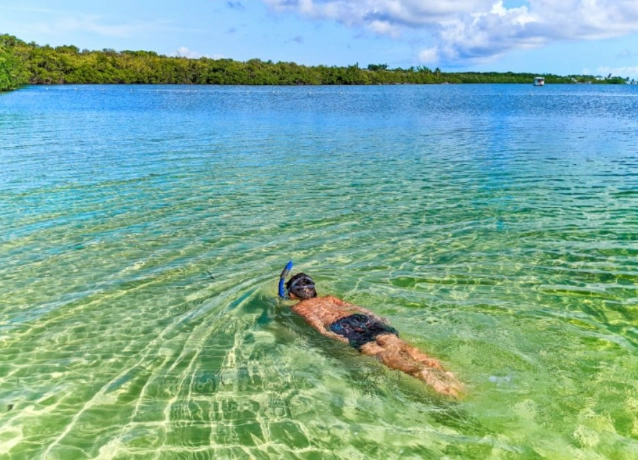
So, let's cut through the noise. This isn't a sales pitch. I've spent a good chunk of time with my face in the water around Key Largo, had some amazing days, and learned a few things the hard way (like forgetting sunscreen on your back is a rookie mistake you only make once). My goal here is simple: to give you the straight talk you need to plan an awesome, safe, and genuinely memorable day of snorkeling in Key Largo. We'll cover where to go, what you'll actually see, how to pick a tour (or go it alone), and all those little questions that pop up when you're planning.
Is it worth the hype? For the coral reefs alone, I'd argue yes. But knowing how to do it right makes all the difference.
Why Key Largo? (It's Not Just Convenience)
Sure, it's the first major island in the Florida Keys, easy to get to from Miami. But that's not why snorkelers flock here. The real magic is what's offshore: the only living coral barrier reef in the continental United States. Think of it as a massive, underwater city teeming with life, right on America's doorstep. This isn't a small patch of reef; it's part of the Florida Keys National Marine Sanctuary, a protected area bigger than some states. That protection matters—it helps keep the ecosystem healthier than many other heavily visited spots.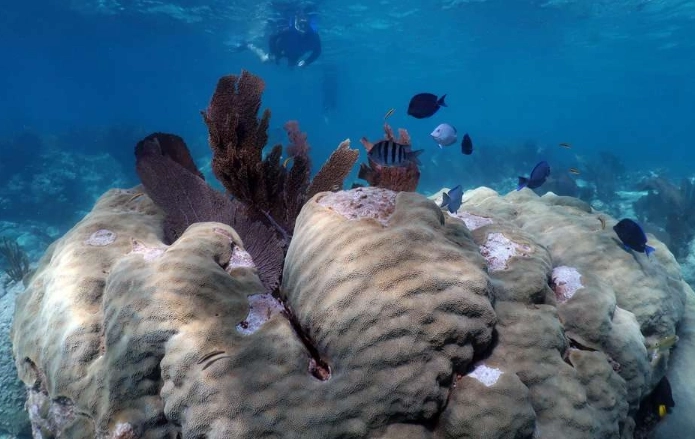
I remember my first time snorkeling Key Largo. I was expecting maybe a few colorful fish. What I wasn't ready for was the sheer scale. Schools of hundreds of silvery baitfish moving like a single organism, parrotfish crunching on coral (you can actually hear it!), and the slow, graceful dance of enormous sea fans. It feels wild and ancient. That's the unique draw. You're not just swimming in clear water; you're visiting a national treasure.
Your Snorkeling Key Largo Playbook: Spots, Tours, and Secrets
Okay, down to business. Where do you actually go? The options break down into two main paths: joining a guided tour or heading out on your own (if you have the means). Each has its vibe.
The Classic Spots (And What They're Really Like)
Most snorkeling Key Largo tours will hit a variation of these sites. They're popular for a reason—reliable conditions and great sights.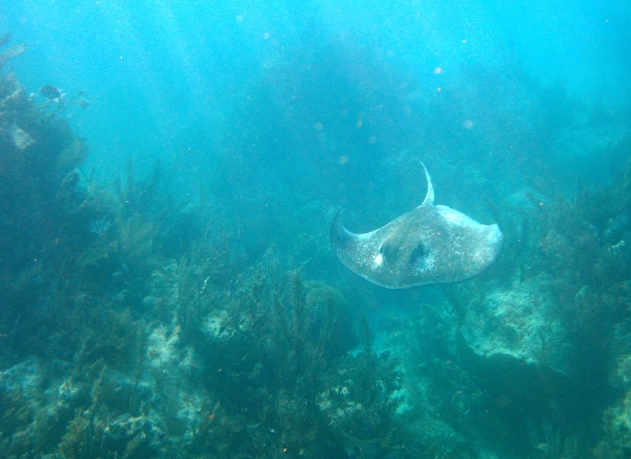
| Spot Name | The Vibe & What You'll See | Best For... | Getting There |
|---|---|---|---|
| John Pennekamp Coral Reef State Park | The famous poster child. This is where you find the Christ of the Abyss statue (yes, it's cool, but can get crowded). The park's managed reefs, like Key Largo Dry Rocks or Grecian Rocks, are in good shape. Expect elkhorn coral, schools of grunt and snapper, and the occasional nurse shark napping on the sand. The park itself is a great resource on land, too. | First-timers, families, anyone who wants a well-managed, predictable experience. It's a safe bet. Check their official site for conditions: John Pennekamp Park Info. | Book a tour with a park-authorized operator, or if you have your own boat, you can get a mooring buoy (get there early!). |
| Molasses Reef | This is often considered the crown jewel for snorkeling Key Largo. It's a bit farther out, which can mean clearer water and bigger fish. The reef structure is fantastic—swim-throughs, canyons, and huge coral heads. I've seen more turtles, rays, and even the odd reef shark here than anywhere else. The current can be stronger, though. | Confident snorkelers who are comfortable in open water. It's often less crowded than the Pennekamp sites because it's farther. The marine life payoff is worth the longer boat ride. | Almost exclusively via private charter or specific tour operators that specialize in going further out. |
| The Elbow | This is where the reef takes a turn, creating interesting currents that attract bigger pelagic life. It's a bit more advanced. Visibility can be incredible. You might spot larger barracuda, jacks, and even the occasional eagle ray cruising by. Not always a beginner spot due to potential currents. | Experienced snorkelers and underwater photographers looking for dramatic scenes and bigger animal encounters. |
A quick personal gripe: Some of the biggest, most advertised "snorkel special" boats can feel like a cattle call. You're herded on, taken to the closest, most crowded reef patch, given 45 minutes in the water, and herded back. If your dream is a peaceful, immersive experience, read the tour descriptions carefully. Look for phrases like "small groups," "multiple reef sites," or "extended snorkel time." It usually costs a bit more, but the difference in quality is night and day.
Picking a Tour That Doesn't Suck
So how do you choose? Don't just pick the cheapest one. Here's what I look at now:
- Boat Size & Capacity: A smaller boat (like a 6-pack charter) means a more personal guide, flexibility to move if a site is crowded, and often access to better spots. Big catamarans are stable and have bathrooms, but you're with a crowd.
- What's Included: Mask, snorkel, fins, vest? Check. What about anti-fog? Some good ones provide it. What about a marine life ID card or a brief ecology talk? That shows they care.
- Itinerary: Do they name the specific reefs they visit (like Molasses or Grecian)? Vague promises of "a beautiful reef" are a red flag. Do they offer a second snorkel spot if conditions are good at the first? That's a bonus.
- Reviews, But Read Between the Lines: Everyone says "great crew." Look for reviews that mention specific things: "the guide pointed out a seahorse," "we saw a turtle," "they had great equipment," "we went to two different sites." Avoid tours with multiple recent complaints about short time in the water or broken gear.
Gear Talk: What You Really Need
Most tours provide the basics. But if you're a frequent snorkeler or just particular about comfort, consider bringing your own mask. A leaky, foggy mask can ruin the whole day. A well-fitting mask you've treated with defog (baby shampoo works in a pinch) is a game-changer.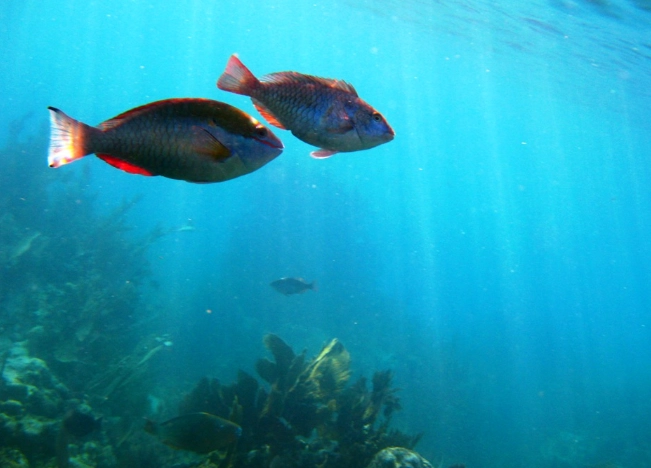
Here's a quick list:
- Must-Have (Usually Provided): Mask, Snorkel, Fins, Flotation Vest (often required).
- Highly Recommended (Bring Yourself): Reef-safe sunscreen (apply 30 mins before getting wet!), a rash guard or long-sleeve shirt (sun protection is no joke), a waterproof bag for your phone/keys, a towel.
- Nice-to-Have: Underwater camera (GoPro or similar), a mesh bag for your gear on the boat, swimwear that won't chafe.
Reef-Safe Sunscreen is NOT a Suggestion. It's the law in Key West and a critical practice everywhere in the Keys. Chemicals like oxybenzone and octinoxate kill coral larvae. Look for mineral-based sunscreens with zinc oxide or titanium dioxide. The reef you're going to see is struggling; don't be part of the problem. The NOAA has clear info on this.
Safety & Etiquette: Don't Be *That* Snorkeler
Snorkeling is safe if you're not an idiot. But I've seen people do dumb things. Let's avoid that.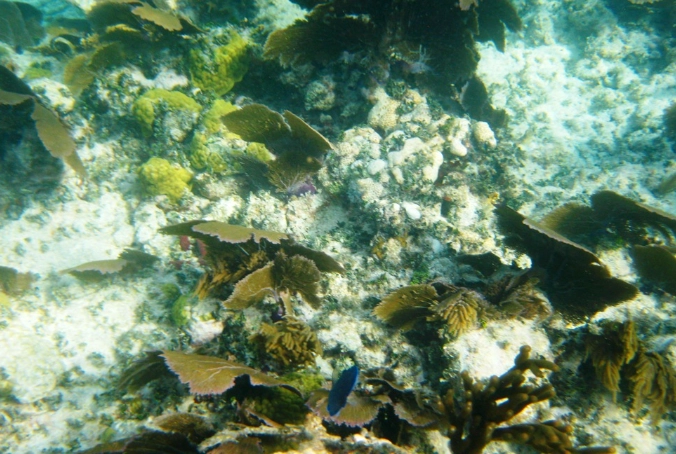
Safety First
- Swimming Ability: You don't need to be Michael Phelps, but you must be comfortable in deep water, able to tread water, and not panic. If you're not a strong swimmer, wear the vest and stay close to the boat/guide.
- Listen to the Briefing: I know, it's boring. But the guide will tell you about the current direction, where the boat will be, and hand signals. This is important.
- Buddy System: Always have a buddy. Keep an eye on each other.
- Look, Don't Touch: This is rule #1. Coral is a living animal. A single touch can kill a polyp that took years to grow. It's also sharp and can give you a nasty cut. Same goes for the wildlife. They are not pets.
- Current Awareness: If you feel a current pulling you, don't fight it swim-wise. Signal to your buddy/guide and swim parallel to the shore/reef until you're out of it, or let the boat know.
Reef Etiquette (This is Important)
Beyond not touching, be mindful of your fins. Kicking up sand clouds the water and smothers coral. Kicking the reef directly breaks it. Practice a slow, steady flutter kick, keeping your fins up and away from the bottom.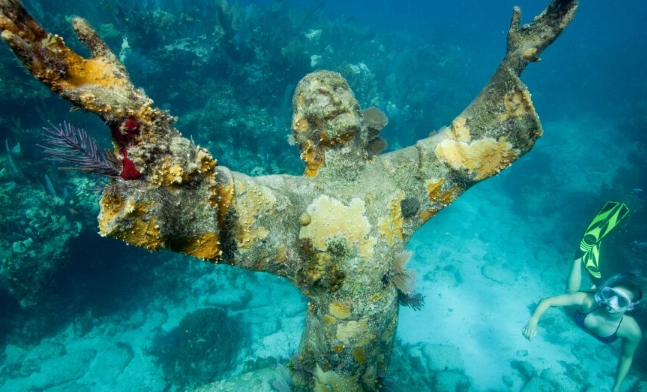
And please, for the love of all that is good, do not feed the fish. It changes their natural behavior, can make them aggressive, and is terrible for their health.
Planning Your Day: Logistics Beyond the Water
Snorkeling Key Largo is a half-day or full-day commitment. Most tours are 3-4 hours. Morning tours often have calmer winds and better visibility. Afternoon tours can be less crowded.
Book in advance, especially during peak season (December-April). Things sell out.
What about seasickness? If you're prone to it, take medication *before* you get on the boat, as directed. Once you feel sick, it's too late. Being on the reef in calm water is usually fine; it's the ride out and back that can get you if it's choppy.
After your snorkel, you'll be hungry. Key Largo has some fantastic, no-frills seafood shacks. Grab some conch fritters or a fish sandwich. You've earned it.
Your Snorkeling Key Largo Questions, Answered
I get asked these all the time. Let's tackle them.
What marine life will I ACTUALLY see?
Guaranteed? Various colorful reef fish: parrotfish, angelfish, blue tangs, sergeant majors, grunts. Very likely: brain coral, elkhorn coral, sea fans, maybe a southern stingray on the sand. Possible with a bit of luck: sea turtles, spotted eagle rays, nurse sharks, moray eels peeking from holes, barracuda. It's a wild ecosystem, so no promises, but the biodiversity is high.
Do I need to be certified to snorkel?
No. Scuba diving requires certification. Snorkeling is surface-based swimming while looking down. Anyone who can swim can snorkel.
What's the water temperature like?
It's warm! Summer can be bath-like (mid-80s F). Winter can dip to the low 70s. Most people are fine in a swimsuit year-round, but a thin rash guard helps in winter and is always good for sun protection.
Can I snorkel straight from the beach in Key Largo?
Not really. The continental reef is about 5-7 miles offshore. The shoreline is mostly mangrove roots and seagrass beds (important, but not great for snorkeling). You need a boat to get to the coral reef. Some hotels have small, man-made lagoons, but that's not the real snorkeling Key Largo experience.
Is it good for kids?
Absolutely, if they are strong swimmers and comfortable in the ocean. Many tours have a minimum age (often 5 or 6). Look for family-friendly operators with patient guides. A calm, shallow reef site is ideal for their first time.
What if I wear glasses?
You have options: prescription masks (you can buy or sometimes rent), masks with diopter inserts, or wearing contact lenses. Don't try to snorkel without being able to see clearly—it defeats the purpose!
Wrapping It Up: Making the Most of It
Snorkeling Key Largo isn't just a checkbox activity. When done right, it's a window into an alien world that happens to be part of our own. It's humbling and exciting.
My final bit of advice? Slow down. Don't just chase after the biggest fish you see. Float for a minute. Look closely at a single coral head. You'll see tiny shrimp, shy blennies, and a whole micro-universe going about its business. That's the magic.
Do your research, pick a good operator, respect the ocean, and you're in for a treat. The hype around snorkeling Key Largo is real—the reef system is that special. Just go in with your eyes open, both literally and figuratively.
Have an amazing time out there. And say hi to the parrotfish for me.
Reader Comments