Quick Guide
- Why Does My Snorkel Mask Fog Up? (The Science Bit, Simplified)
- The Foundational Step: Prepping a New Mask (The "Toothpaste Trick" and Beyond)
- The Arsenal: Your Go-To DIY Defogging Solutions
- Deep Cleaning & Scratch Care: Beyond Defogging
- The Great Defogger Showdown: A Comparison Table
- Your Pre-Snorkel Checklist for a Crystal Clear Mask
- Answering Your Burning Questions (FAQ)
- Putting It All Together: A Sustainable Mindset
Let's be honest, there's nothing more frustrating than gearing up for an amazing snorkeling adventure, dipping your head into that beautiful blue water, and... you can't see a thing. Your mask is completely fogged up. It turns a magical experience into a blurry, annoying mess. You end up constantly flooding your mask to clear it, which gets saltwater in your eyes and ruins the whole vibe. I've been there more times than I care to admit.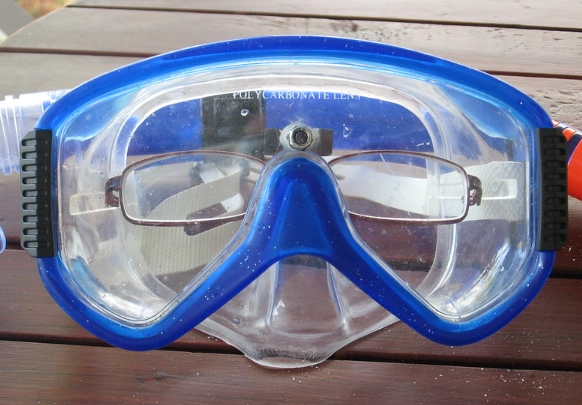
So, I started digging into why this happens and, more importantly, how to fix it for good without spending a fortune on fancy chemicals. Turns out, the best solutions are often the simplest and cheapest, sitting right in your kitchen or bathroom cabinet. This isn't about a quick spit-and-rinse trick (though we'll talk about why that works). This is a deep dive into making your mask permanently clearer, safer, and last longer. Think of these DIY clear snorkel mask tips as your toolkit for crystal vision.
Why Does My Snorkel Mask Fog Up? (The Science Bit, Simplified)
Before we jump into the fixes, let's understand the problem. Fogging isn't dirt; it's physics. Your face is warm (around 98.6°F or 37°C). The ocean or pool water is much cooler. When the warm, moist air from your skin and breath meets the cold surface of the mask's lens, the water vapor in that air condenses into tiny droplets on the glass. These droplets scatter light, creating that milky, opaque fog.
New masks have an additional villain: a silicone residue from the manufacturing process. This invisible film actually encourages droplets to form. So, your first mission with a brand-new mask isn't anti-fog—it's removing this film. Most commercial defog gels just smear a coating over everything to make water sheet off. Our DIY clear snorkel mask tips often work by either removing the things that attract droplets or creating a temporary hydrophilic (water-loving) surface that prevents beading. It's a two-pronged attack.
The Foundational Step: Prepping a New Mask (The "Toothpaste Trick" and Beyond)
This is non-negotiable. If you skip this with a new mask, no amount of defogger will work well. You need to scrub off that factory film. The classic method is using toothpaste.
But here's a personal take: not all toothpastes are created equal. I used a whitening gel once and it was a disaster—left faint streaks. You want a plain, white, non-gel, non-whitening toothpaste. The mild abrasives (like calcium carbonate or hydrated silica) are perfect for the job. Smear a generous amount all over the inside of the lens. Use your fingers and rub in small, firm circles for a good 2-3 minutes. Don't be gentle. You're not polishing a diamond; you're scouring off a plastic film. Then rinse thoroughly under warm water until the water runs completely clear and no toothpaste residue remains.
Other effective alternatives for this initial scrub include:
- Baking Soda Paste: Mix baking soda with a few drops of water to form a thick paste. This is my go-to now. It's a pure, fine abrasive with no added dyes or gels. It works brilliantly and is safe for all lens types.
- Very Diluted Liquid Dish Soap: A few drops in water, scrub, rinse. It's less abrasive but can work for mild films. I find it less reliable for brand-new masks.
This first scrub is the most important of all DIY clear snorkel mask tips. Do it right, and you've won half the battle.
The Arsenal: Your Go-To DIY Defogging Solutions
Now for the main event—what to use in the water to keep fog away. Forget buying those tiny, overpriced bottles. Here’s a breakdown of the most effective methods, from the legendary to the lesser-known.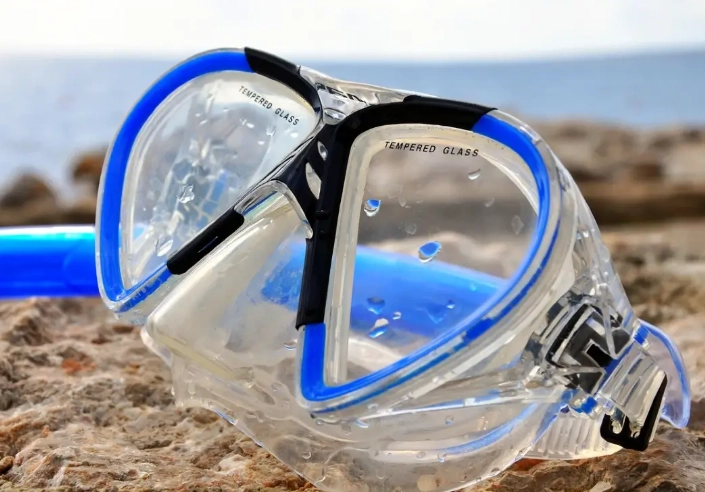
The Classic: Baby Shampoo or Tear-Free Shampoo
This is the king of reliable, gentle, and accessible DIY clear snorkel mask tips. Why does it work? It's designed not to irritate eyes, so it's perfectly safe if a tiny bit gets in yours. It contains surfactants that reduce the surface tension of water, encouraging it to spread into a thin, clear film instead of beading up into fog.
How to use it: Put one small drop (I mean tiny, like half a pea) on the inside of each lens. Smear it around with your finger until the entire lens is coated. Then, give it a very quick, light rinse in the water—just a dip. You want to leave a microscopic layer behind. If you rinse it completely off, it won't work. This is the trick most dive masters and guides use. It's cheap, effective for a good 60-90 minutes, and easy to reapply.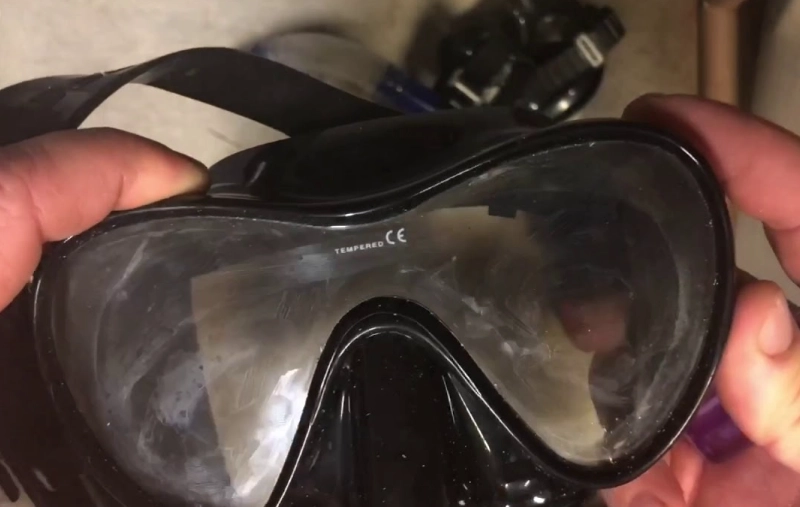
The Natural Powerhouse: Saliva (Yes, Really)
Don't knock it till you've tried it. It's free, always available, and surprisingly effective for many people. Saliva contains enzymes (like mucin) that act as a natural surfactant. It's the original diver's trick.
My experience? It works okay in a pinch, but I find it doesn't last as long as baby shampoo. It also feels a bit... gross if you have to do it multiple times a day. But if you forget everything else, spit is your best friend. Apply just like the shampoo: spit, smear, give a super quick rinse. The key, again, is not rinsing it all away.
The Potent Mix: Dish Soap & Glycerin
This is for when you want a heavy-duty, long-lasting solution. A drop of mild liquid dish soap (like Dawn or Joy) mixed with a drop of pure vegetable glycerin (from any pharmacy) in a small bottle with water. Shake it up. This creates a professional-grade defogger. The soap breaks surface tension, and the glycerin is hygroscopic—it attracts and holds a thin layer of water, preventing random droplet formation.
Word of caution: Be even more sparing with this mix. Too much soap can sting if it gets in your eyes. Test your dilution ratio at home first. A 10:1 water-to-soap/glycerin mix is a good start.
The Rumor Mill: What Doesn't Work (So You Don't Waste Time)
I've tested some duds so you don't have to.
- Potato or Raw Potato Rub: Heard this one. Tried it. Did absolutely nothing. Maybe it works on car windows? Not on my mask.
- Just Vinegar or Just Lemon Juice: These are great for dissolving mineral deposits (like after snorkeling in hard water) but as a standalone defogger? They evaporate too quickly and offer no lasting surfactant action.
- Commercial Shaving Cream: Some swear by it. I found it left a weird residue that was hard to rinse fully and sometimes re-fogged in a patchy way. Not worth the hassle.
Pro-Tip from a Dive Guide Friend:
"After you apply your defogger (spit, shampoo, whatever) and do that light rinse, give the inside of the lens one last strong fog breath before putting it on. If it fogs evenly and then clears quickly as the film does its job, you're good. If it fogs in streaks, you didn't clean or coat it evenly. Do it again." This simple test saves you a foggy dive.
Deep Cleaning & Scratch Care: Beyond Defogging
DIY clear snorkel mask tips aren't just for fog. Over time, masks get grimy with sunscreen, salt crystals, and sand micro-scratches. Here's how to tackle that.
The Monthly Deep Clean
Soak your mask in a solution of warm water and white vinegar (1:1 ratio) for 15-20 minutes. This dissolves salt, calcium, and other mineral deposits that regular rinsing misses. Then, use your baking soda paste for a gentle scrub to remove any organic film. Rinse thoroughly. It feels like a new mask.
Dealing with Light Scratches
This is a delicate one. For very fine, superficial scratches that catch the light, you can try a VERY gentle polish with a product like Polywatch or a dedicated acrylic polish. Apply a minuscule amount to a soft, lint-free cloth (like microfiber) and polish in one direction only, with almost no pressure. Check constantly.
I'm hesitant to even mention this because it's so easy to make things worse by creating deeper swirl marks. For deep scratches, it's often not worth the risk. The plastic is soft. Consider it a battle scar, or if it's in your line of sight, start saving for a new lens. Prevention is key—always store your mask in a rigid, padded case, never let it roll around loose in a bag with keys or tools.
The Great Defogger Showdown: A Comparison Table
To help you choose, here's a quick breakdown of the top DIY methods.
| Method | Effectiveness | Duration | Eye Safety | Ease of Use | Best For |
|---|---|---|---|---|---|
| Baby Shampoo | High | 60-90 min | Excellent | Very Easy | All-around, reliable choice |
| Saliva | Medium | 30-45 min | Good | Extremely Easy | Emergency use, minimalists |
| Dish Soap & Glycerin Mix | Very High | 2+ hours | Good (if diluted) | Moderate (needs prep) | Long dives, advanced users |
| Toothpaste (Initial Prep ONLY) | N/A (For cleaning) | Permanent | Good (if rinsed) | Moderate | Scrubbing factory film off new masks |
| Baking Soda Paste (Initial Prep) | N/A (For cleaning) | Permanent | Excellent | Moderate | Safe prep for all mask types |
Your Pre-Snorkel Checklist for a Crystal Clear Mask
- Pre-Trip: At home, ensure your mask is clean and dry. Consider doing the vinegar soak if it's been a while.
- On-Site, Before Gearing Up: Apply your chosen defogger (one drop of baby shampoo per lens). Smear and give that ultra-light rinse.
- Mask On, Seal Check: Place the mask on your face without the strap. Inhale gently through your nose. The mask should stay suctioned to your face without you holding it. This means a good seal—critical for preventing water entry, which ruins your defog layer.
- Final Rinse in Water: Just before you put your face in, dip the masked front of your face in the water to equalize the temperature slightly. This reduces the initial thermal shock that causes instant fog.
Follow these steps, and you've implemented the most practical DIY clear snorkel mask tips in a logical sequence.
Answering Your Burning Questions (FAQ)
Putting It All Together: A Sustainable Mindset
What I love about these DIY clear snorkel mask tips is that they're not just effective; they're often more eco-friendly. You're reusing small containers, avoiding single-use plastic packets of commercial gels, and using simple, biodegradable ingredients like baking soda and vinegar. It aligns with the mindset of most people who love being in the ocean—wanting to protect it.
It feels good to solve a problem simply.
The journey from a foggy, frustrating mask to a clear window on the underwater world is about knowledge and a little bit of effort. It's understanding that fog is a physical problem with chemical solutions you already own. It's about the initial scrub, the right drop of defogger, the light rinse, and the seal check.
So next time you pack your snorkel gear, toss in that tiny bottle of baby shampoo or a baggie of baking soda. With these DIY clear snorkel mask tips in your back pocket, you can forget about the gear and focus on what you came for: the turtles, the coral, the fish, and the sheer wonder of floating in a silent, weightless world. Now go get your face wet.
Reader Comments