Let's be honest. You're not just looking for a list of snorkeling spots in Maui. You want to know where the water is so clear it feels like flying, where the sea turtles actually hang out, and how to avoid coming home with a sunburn that makes you look like a lobster. Having spent more time in Maui's waters than on its roads, I've learned that a great snorkeling trip hinges on details most guides gloss over.
The real magic happens when you match the right location with the right conditions and the right expectations.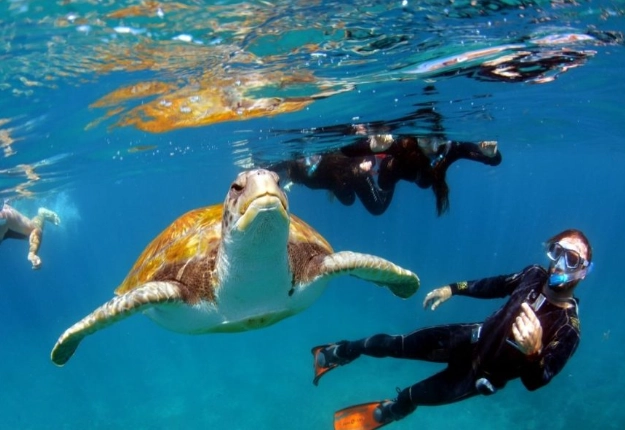
What's Inside This Maui Snorkeling Guide
The 5 Can't-Miss Snorkeling Spots in Maui (Ranked by Experience)
Forget just listing places. Here’s how I'd rank them based on what you're after: adventure, family-friendliness, or pure, undisturbed beauty.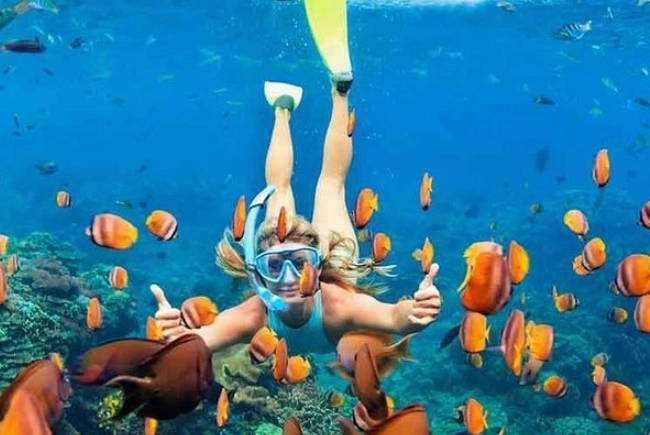
1. Molokini Crater: For the Iconic Open-Ocean Experience
This crescent-shaped, partially submerged volcanic crater is a Marine Life Conservation District about 3 miles off Maui's south shore. The visibility here is legendary, often exceeding 100 feet. You'll see parrotfish, butterflyfish, and if you're lucky, white-tip reef sharks cruising the deeper edges.
Most people just snorkel the inside of the crater. Ask your captain if conditions allow for the “back wall” – it's a drift snorkel along the outer, deep-ocean side of the crater. It's more advanced but unforgettable.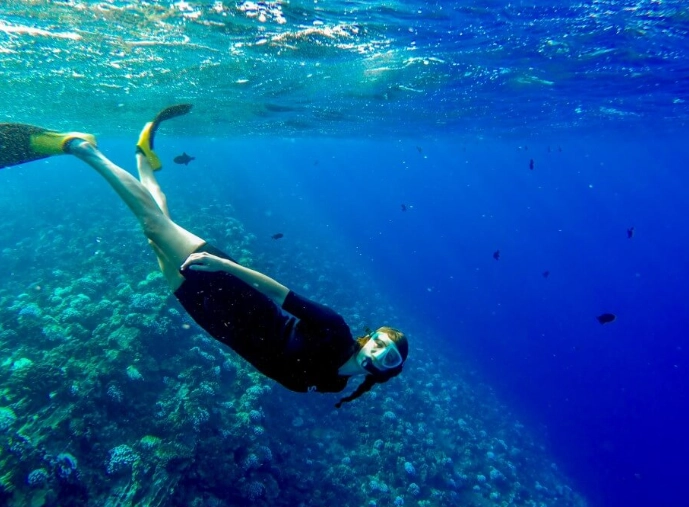
2. Honolua Bay (Northwest Maui): For the Best Shore Snorkeling
When the north swell is down (summer months are best), this is my top pick for a free, spectacular snorkel. It's a protected marine reserve. No facilities, just a rocky path down to the water. The coral here is some of the healthiest I've seen from shore, and fish density is incredible.
Go early. The parking lot on the cliff fills up by 9 AM. Enter the water over the smooth rocks on the left side of the bay. The best coral and fish are along the rocky points on either side. The middle is sandy and less interesting.
3. Kapalua Bay & Napili Bay (West Maui): For Families & Beginners
These are the easy wins. Gentle, sandy entries, protected waters, and plenty of fish right near shore. Kapalua Bay has a beautiful, crescent-shaped beach with public facilities. Napili Bay, just north, is quieter but has fewer amenities. You'll reliably see turtles here, especially in the early morning near the rocky edges. Perfect for kids or anyone who wants a low-stress, rewarding snorkel.
4. Turtle Town (Makena Coast): For Guaranteed Turtle Encounters
This isn't one specific spot but a stretch of coastline near Makena Landing known as a turtle cleaning station. Tours go here specifically for turtles. From shore, you can access it at places like Five Graves or Makena Landing, but it's often easier and safer to visit via a tour that knows the exact underwater topography. The turtles here are used to people, but remember the law: stay 10 feet away.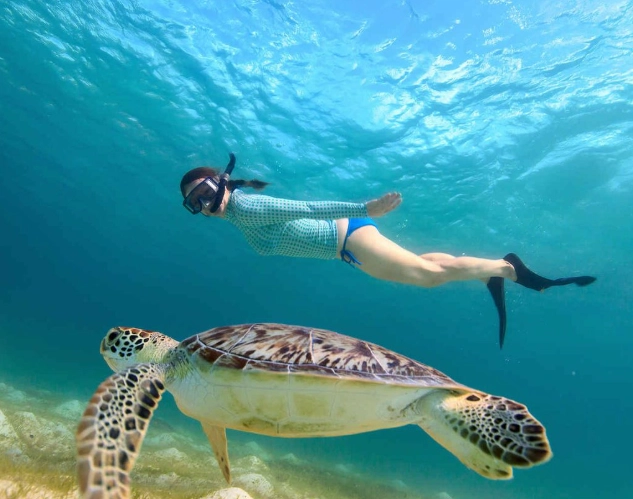
5. Black Rock at Pu'u Keka'a (Kaanapali): For Sunset & Cliff Jumping
At the north end of Kaanapali Beach, this lava rock point is famous for its cliff jumpers and excellent snorkeling. The water is clear, and fish congregate around the rock. The unique draw? You can snorkel here, then get out, grab a drink, and watch the nightly cliff diving ceremony at sunset. It's a full Maui experience.
How to Choose a Maui Snorkeling Tour (The Real Differences)
Picking a tour based on price alone is a mistake. The boat type dictates your entire experience.
td>Spacious decks, bathrooms, slides, BBQ lunch, full bar. Very stable ride.| Boat Type | Best For | What You Get | What You Sacrifice | Price Range |
|---|---|---|---|---|
| Large Power Catamaran (e.g., Pride of Maui, Quicksilver) | Large groups, families, first-timers who want stability. | Personalized attention, access to smaller coves. Can feel crowded. | $100-$130 | |
| Small Group Zodiac/Raft (e.g., Blue Water Rafting) | Adventurers, those wanting to cover more ground, avoiding crowds. | Speed, access to sea caves and remote coastlines (like the Kanaio Coast), more guide interaction. | Comfort. You will get wet and it's a bouncy ride. No bathroom on board. | $80-$110 |
| Sailing Catamaran (e.g., Trilogy, Sail Maui) | A more relaxed, romantic, or eco-conscious experience. | Quiet sailing (engine off), often a more premium vibe, great food. Less crowded feeling. | Speed. It takes longer to get to Molokini. More weather-dependent. | $120-$160 |
My non-consensus take? If your goal is just snorkeling, the small raft tours offer the best value and most unique access. If you want a full “day on the water” with food and drinks, the large catamarans are your floating resort.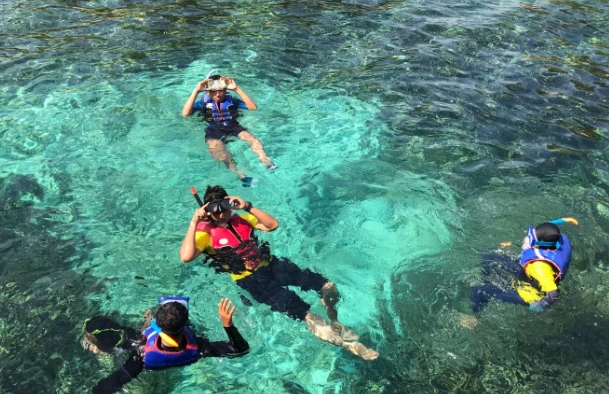
Essential Gear: What You Really Need vs. Tourist Traps
You can rent a basic mask, snorkel, and fin set for $10-$20 a day from any shop in Kihei or Lahaina. But if you're snorkeling more than twice, consider this.
Must-Buy Before You Go: A well-fitting mask. A leaky mask ruins everything. Test the seal by placing it on your face without the strap, inhaling slightly through your nose, and letting go. If it stays put, it fits. Don't cheap out here.
Must-Rent on Island: Fins. They're bulky to pack. Get open-heel fins with booties for rocky entries (like Honolua Bay).
The Game-Changer Rental: An anti-fog mask or a full-face snorkel mask. The debate is real. Traditionalists hate full-face masks, but for anxious breathers or kids, they can be a confidence booster. Key warning: Only get a reputable brand with a separate inhalation/exhalation chamber to prevent CO2 buildup. Cheap Amazon knockoffs are dangerous.
Sun Protection is Non-Negotiable: A rash guard or surf shirt is the single best piece of snorkeling gear. It protects from sun and coral scrapes. Reef-safe sunscreen (required by Hawaii law) is a must, but it washes off. Clothing doesn't. The Hawaii Department of Land and Natural Resources has a list of approved sunscreens.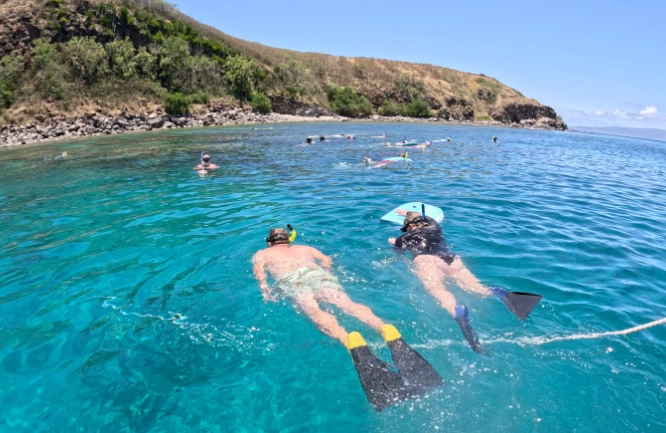
Maui's Marine Life: What You'll See & How to Behave
This is the whole point, right? Here’s what’s in the water with you.
Green Sea Turtles (Honu): Maui's rock stars. You'll see them resting on the sand or swimming gracefully. The rule is 10 feet of distance. Never touch, chase, or surround them. It's stressful, illegal, and carries a hefty fine.
Tropical Fish: You'll see parrotfish (loud crunching sounds), triggerfish, butterflyfish, and maybe a moray eel peeking from a crevice.
Monk Seals & Spinner Dolphins: Rare, special sightings. Monk seals are endangered. Federal law requires you stay 50 feet away. Dolphins are protected too—don't swim with them if approached by a boat.
The biggest mistake I see? People flapping and kicking wildly to chase a turtle. Move slowly, calmly, and let the animals come to you. You'll see more.
Pro Tips for Responsible & Safe Snorkeling
These aren't the standard tips. This is what locals and guides wish every visitor knew.
- Check the Snorkel Report: Don't just go. Sites like The Snorkel Store's Maui Report give daily updates on visibility, wind, and surf for every beach. South side (Kihei, Wailea) is calm in summer. North/West shores (Kapalua, Napili) are calm in winter.
- Enter & Exit Backwards: When waves are present, walk backwards into the water, fins on, holding your mask. It gives you stability. Do the same coming out.
- Never Snorkel Alone: The “buddy system” is real. Ocean conditions change fast.
- Look, Don't Stand: If you're tired, float on your back. Never stand on coral. It's alive, fragile, and takes decades to grow. A single fin kick can destroy it.
- Hydrate Like Crazy: Snorkeling in salt water and sun is dehydrating. Drink a liter of water before you go out and another after. It prevents headaches and cramps.
Your Maui Snorkeling Questions Answered
Maui's underwater world is its greatest treasure. With the right spot, the right gear, and a respectful approach, your snorkeling adventure here won't just be a checklist item—it'll be the story you tell for years. Now get out there and float.
Reader Comments