Quick Navigation
You know that feeling. You're on a trip, you rent some snorkel stuff from a shack on the beach. The mask leaks. The snorkel tastes like plastic and salt. The fins are these floppy, useless things that make your calves burn after five minutes. You see a few fish, but your face is cramping, you're swallowing water, and you spend half the time fiddling with the gear instead of enjoying the reef.
That's the tourist experience. It's fine for a one-off dip. But if you find yourself drawn back to the water, if you plan trips around snorkeling spots, or if you just want to actually see things clearly and move through the water with ease... you start thinking about getting your own kit. Not just any kit, but proper professional snorkeling gear.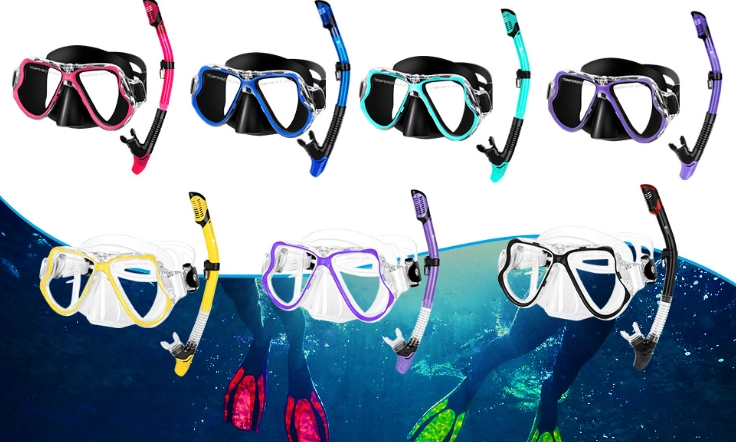
But what does "professional" even mean here? We're not talking about commercial divers. For us recreational folks, "pro" gear means equipment designed for performance, comfort, and durability. It's the stuff that removes the barriers between you and the underwater world. It's an investment in your enjoyment.
I remember buying my first real mask. I'd always used cheap ones. This time, I went to a proper dive shop, not a tourist store. The difference was night and day. The silicone was softer, the seal was perfect, and the field of view... I couldn't believe how much more I could see. It changed everything. That's what we're after.
What Makes Gear "Professional" Anyway?
Let's clear this up first. When I say professional snorkeling gear, I don't necessarily mean the $2,000 setup a marine biologist uses for eight-hour survey dives (though some principles overlap). I'm talking about gear that borrows the engineering and materials from the scuba world and applies it to surface swimming.
Think of it like hiking boots vs. flip-flops. Both get you from A to B, but one is built for the journey, to protect you and enhance the experience. Professional snorkeling equipment is your hiking boot for the ocean.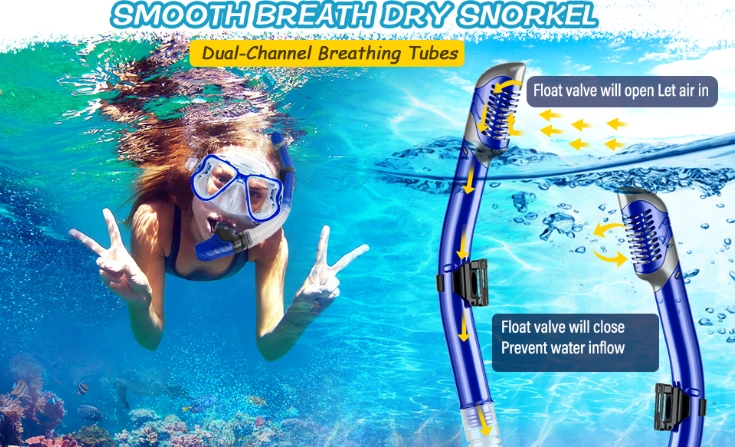
Here’s the breakdown of where the money and thought goes:
- Materials: High-grade, hypoallergenic silicone for seals (softer, longer-lasting). Tempered or optical glass lenses (not plastic). Durable, flexible polymers for fins and snorkels. Corrosion-resistant components.
- Engineering: Masks with lower internal volume (easier to clear). Fins with channels, vents, and specific flex patterns for efficient propulsion. Snorkels with advanced purge valves and dry-top mechanisms.
- Fit & Adjustability: Multiple strap points, wide size ranges, and customizable features. A pro mask strap, for example, will often have a silicone coating so it doesn't pull your hair.
- Durability & Serviceability: These are built to last for years, not a season. You can often replace individual parts like straps, buckles, or mouthpieces.
It’s not about flashy colors (though that's fun). It’s about solving problems you didn't know you had until you try the good stuff.
The Holy Trinity: Mask, Snorkel, Fins
This is your core system. Get these three right, and 90% of your hassles disappear. Let's go deep on each.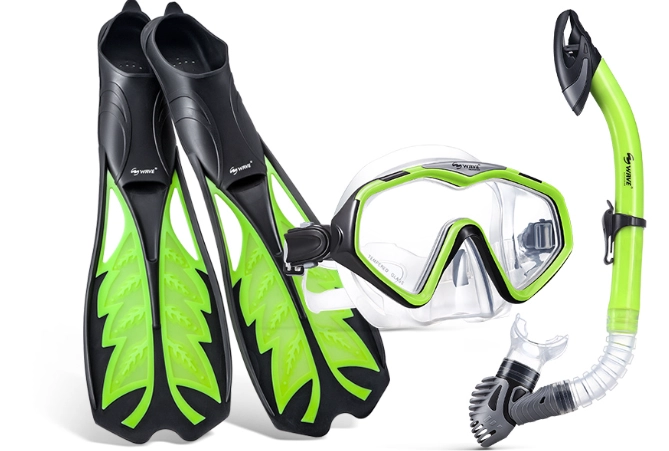
The Mask: Your Window to Another World
This is the single most important piece. A bad mask ruins everything. A great mask makes you forget you're wearing it.
Fit is Everything (Forget Brand, For Now): The fanciest, most expensive mask is worthless if it doesn't seal on your face. Here's the real test: Place the mask on your face without using the strap. Inhale gently through your nose. If it stays suctioned to your face for a few seconds without you holding it, you've got a candidate. Now check for pressure points on your forehead or bridge of your nose. It should feel evenly snug, not pinchy.
Key Features of a Pro Mask:
- Low Volume: Less air space inside the mask. Why? It's easier to clear if water gets in (less air needed from your lungs to blow it out). It also sits closer to your face, reducing drag and improving the field of view at the edges.
- Tempered Glass Lens: Non-negotiable. It's safer (shatters into small, dull pieces) and is much more scratch-resistant than plastic. For those who wear glasses, prescription masks or stick-on lenses are a game-changer. Trust me, seeing the coral polyps clearly is worth it.
- Double Feathered Edge Skirt: The skirt is the part that seals. A double edge creates two sealing surfaces, dramatically reducing the chance of leaks. Look for soft, pliable silicone.
- Wide Field of View: Some masks have side windows or a curved, single-lens design. This reduces the "tunnel vision" effect. It's not essential, but it's a lovely upgrade.
Anti-fog coating? They all have it, and it wears off. The real pro move is using a proper defogging solution (baby shampoo works in a pinch) and learning not to spit in your mask (it leaves a film).
The Snorkel: Your Lifeline to Air
The humble snorkel has seen more innovation than any other piece of basic gear. The goal? Keep water out so you can breathe without thinking about it.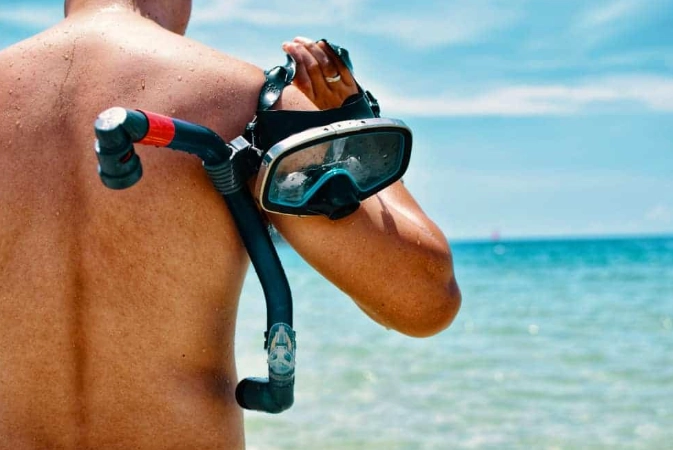
Types of Pro Snorkels:
- Dry Snorkel (Top Choice for Most): Has a floating mechanism or a valve at the top that seals the tube when submerged. Wave splashes over the top? No water gets in. You dive down? It seals. When you surface, you just blow out any residual water through the purge valve at the bottom. It's brilliant for relaxed, surface-based snorkeling. The best professional snorkeling gear setups often start here.
- Semi-Dry Snorkel: Has a splash guard (a cleverly designed top) that deflects most water but doesn't fully seal. Usually simpler, lighter, and less expensive. A great, reliable choice.
- Traditional J-Snorkel: Just a tube and a mouthpiece. It requires you to clear it with a sharp exhale when you surface. This is what freedivers and many scuba divers (who don't use snorkels underwater) prefer because it's minimal, no moving parts, and creates less drag. It's "pro" in its simplicity and reliability, but demands more skill.
The mouthpiece is critical. It should be soft silicone and fit your jaw comfortably without making you bite down hard. An angled or rotating swivel can help align it perfectly with your mouth, reducing jaw fatigue on long days.
The Fins: Your Underwater Engine
Good fins turn effort into motion. Bad fins turn effort into sore legs. The difference is shocking.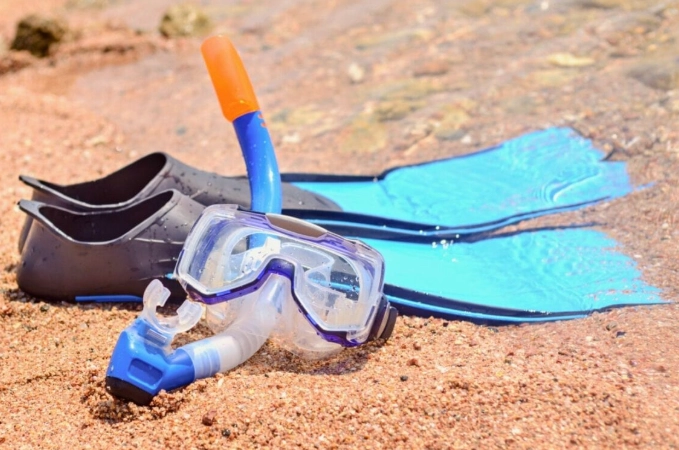
Key Design Elements:
- Blade Stiffness & Length: Stiffer, longer blades provide more powerful thrust but require stronger legs. More flexible, shorter blades are easier on the calves and better for casual snorkeling or people with less leg strength. Many pro-level fins offer different stiffness options.
- Channels & Vents: These are grooves or holes in the blade near the foot pocket. They help channel water efficiently, reduce turbulence, and can make the fin feel lighter during the recovery stroke (when you bring your leg back up).
- Split Fins vs. Paddle Fins: This is a big debate. Split fins (with a division down the middle) work like a propeller, claiming to be more efficient and reduce fatigue. Paddle fins (a solid blade) are like paddles, giving more direct power and better control for maneuvering or kicking against a current. I've used both. For pure, easy cruising, I like a good split fin. For versatility and power, especially if you might do a bit of diving down, a paddle fin feels more responsive.
- Foot Pocket: This is where comfort lives. It should fit your bare foot or dive bootie snugly without pinching your toes or rubbing your heel. A comfortable foot pocket is the difference between a great day and wanting to get out after an hour.
Here’s a quick comparison to help visualize the choices for your professional snorkel fins:
| Fin Type | Best For | Power / Thrust | Leg Fatigue | Maneuverability |
|---|---|---|---|---|
| Paddle Fin (Stiff) | Strong swimmers, currents, diving down | High | Higher | Excellent |
| Paddle Fin (Medium Flex) | Most snorkelers, all-around use | Medium-High | Medium | Very Good |
| Split Fin | Long-distance cruising, easy kicking, weak knees/calves | Medium (but high efficiency) | Low | Good |
| Shorter Travel Fin | Travel, backpacking, casual use | Low-Medium | Low | Good |
My go-to for tropical trips is a medium-flex paddle fin. It gives me enough oomph to play in a mild current but doesn't murder my calves. For a lake or super calm bay, I might grab the splits just for that effortless glide.
Beyond the Basics: The Pro Add-Ons
Once you've got the core trio locked in, these extras can elevate your experience from great to sublime.
Exposure Protection (aka Wetsuits/Rash Guards): This isn't just about warmth. A 1mm or 2mm neoprene "shorty" or full suit protects you from sunburn, jellyfish stings, and coral scrapes. It also provides a surprising amount of buoyancy, making it easier to float. For professional snorkeling in cooler waters, a proper 3mm or 5mm wetsuit is essential. A good fit is key—too loose and it flushes with water, too tight and you can't breathe.
Dive/Snorkel Computer Watch: Seems overkill? Maybe. But a basic one does three useful things: tells you the time (easy to lose track underwater), shows water temperature, and most importantly, has a depth gauge. It's fascinating to know how deep that drop-off really is, and it adds a layer of safety awareness. You don't need the $1,000 scuba model; a simple snorkeling watch will do.
Anti-Fog Solutions: As mentioned, the factory coating is temporary. Get a small bottle of dedicated defog gel. Apply it, rinse it lightly as directed, and you're good for hours. It's cheap and effective.
Gear Bag: A mesh bag is perfect. It lets everything drain and dry, preventing mildew. Don't store wet gear in a sealed bag or your car trunk—you'll regret the smell.
Putting It All Together: Building Your Kit
You don't have to buy it all at once. Start with the mask. Get the perfect fit. Then add a snorkel that pairs with it well (some are sold as sets, which can be a good deal if both pieces are quality). Fins are usually the last big purchase.
Budget-wise, a truly professional snorkeling gear setup will run you:
- Mask: $60 - $150
- Snorkel (Dry/Semi-Dry): $40 - $100
- Fins: $80 - $200
- Total Core: ~$180 - $450
It's an investment. But spread over 5-10 years of use (this gear lasts), it's pennies per amazing underwater hour.
Caring for Your Investment
Good gear treated poorly becomes bad gear quickly.
- Rinse Thoroughly: After every use, in fresh water. Especially after ocean use. Salt and sand are the enemies of silicone, seals, and moving parts.
- Dry in Shade: Never leave your gear in direct sunlight to bake. UV rays degrade silicone and plastics faster than anything.
- Store Properly: Keep masks in a protective case to avoid scratching the lens. Don't store fins bent or under weight. Let everything air dry completely before packing away.
- No High Heat: Don't use hot water to rinse or try to dry gear with a hairdryer.
Simple habits that double the life of your equipment.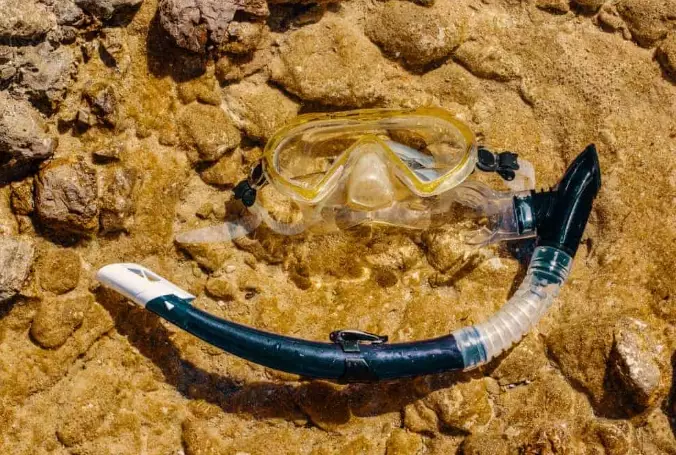
Answers to Questions You're Probably Asking
Do I really need my own gear if I only snorkel on vacation once a year?
Honestly? Maybe not a full set. But consider buying your own mask. It's the most personal item, a poorly fitted rental mask can ruin your day, and it's small to pack. A mask, a dry snorkel, and maybe a rash guard can drastically improve that annual trip.
Can I use scuba gear for snorkeling?
Absolutely. In fact, that's what a lot of this "pro" snorkeling gear is—it's often from scuba brands. Scuba masks and fins are perfect for snorkeling. A scuba regulator... not so much (you can't breathe from it on the surface). The lines are very blurred, which is good for us.
What's the biggest mistake people make when buying gear?
Prioritizing looks or brand name over fit. That, and buying fins that are too stiff because they think it means more power, then getting crippling calf cramps. Start with a medium flex unless you're very confident in your leg strength.
Where can I learn more about snorkeling safety and best practices?
This is crucial. Snorkeling is safe if you're smart, but it has risks. Always snorkel with a buddy. Learn about local currents. Don't touch marine life. For comprehensive safety guidelines, the Professional Association of Diving Instructors (PADI) has great snorkeling-specific resources, and as mentioned, DAN is the gold standard for dive (and snorkel) medicine and safety.
Final Thoughts
Upgrading to professional snorkeling gear isn't about being elitist. It's about removing friction. It's about spending your mental energy on watching turtles and eagle rays, not on fighting a leaky mask or aching legs.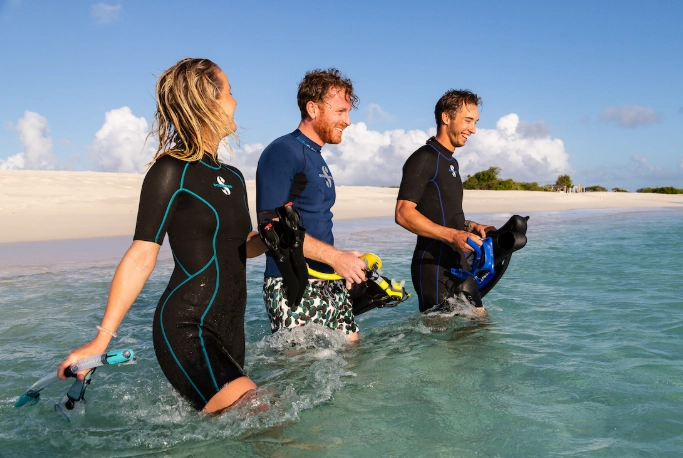
The water is a magical place. The right equipment is your ticket to enjoying it more deeply, more comfortably, and for longer.
Start with your face. Find that perfect mask. The rest will follow. You might be surprised how much more of the underwater world you start to see, both literally and figuratively, when you're not battling your gear.
See you out there.
Reader Comments