Quick Guide
Let's cut straight to the point, because that's what you're here for. If you're planning a trip and asking yourself, "What time of year is best to snorkel in Fiji?" the short, no-nonsense answer is the dry season. Specifically, the window from late May through early October. That's your golden period. The water is ridiculously clear, the sun is out most days, the rain takes a hike, and the underwater world is just showing off.
But hang on. If it were that simple, you wouldn't need a guide this detailed, right? The "best" time isn't a single day on a calendar. It's a sliding scale that depends on what you're after. Are you a photographer chasing perfect visibility? A family wanting calm, safe waters for the kids? A marine life nerd desperate to see a specific creature? Your personal "best" might shift by a month or two.
I've spent a good chunk of time in Fiji, both in the water and talking to local dive masters and resort staff. The advice you get from a brochure is one thing. The reality you experience, with all its little nuances, is another. We're going to dig into all of it. We'll break down the seasons month by month, talk about what you'll actually see, and I'll even share a few things that didn't quite go to plan for me—because that's part of travel, too.
The Core Answer: For the majority of snorkelers, the absolute peak season—the time that answers the question "what time of year is best to snorkel in Fiji?" most definitively—is the heart of the dry season: July, August, and September. This is when conditions align most consistently for fantastic underwater visibility, comfortable air temperatures, and minimal weather disruptions.
Fiji's Two Faces: Dry Season vs. Wet Season
Fiji's climate isn't complicated. It basically has two moods: sunny and pleasant, or warm and rainy. Your snorkeling experience is completely shaped by which mood you catch.
The Dry Season (May to October) is your friend. It's characterized by southeast trade winds, lower humidity, less rainfall, and cooler nighttime temperatures. The ocean is still warm, mind you. We're talking 75-80°F (24-27°C). But the real magic happens above the surface. High pressure systems settle in, meaning fewer clouds and more sunshine. This stability is what makes the water so clear. Less rain runoff from the islands, less wind stirring up sediment—it's like someone turns on the high-definition filter for the entire ocean.
The Wet Season (November to April) is a different beast. It's hotter, more humid, and receives the bulk of Fiji's annual rainfall. This is also the official cyclone season, with the highest risk from January to March. Now, don't let that scare you off completely. A lot of people have great trips during this time. The water is warmer (often over 82°F/28°C), the landscapes are lush and green, and you can find better deals. But you trade that for consistency. Rain showers can reduce visibility near shore, and the occasional storm can chop up the sea.
Here’s a quick side-by-side to make it crystal clear: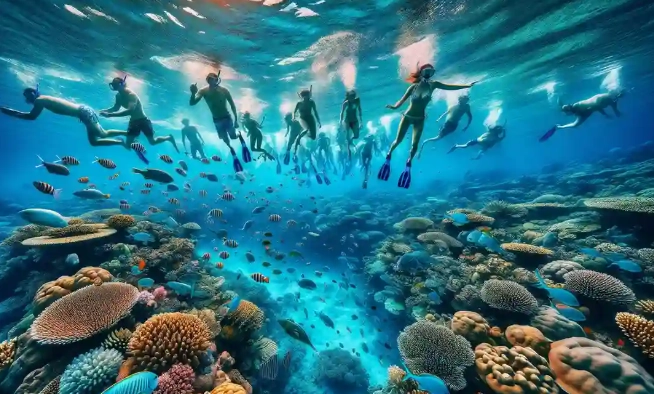
| Factor | Dry Season (May-Oct) | Wet Season (Nov-Apr) |
|---|---|---|
| Weather | Sunny, low humidity, cooler nights. Southeast trade winds. | Hot, humid, frequent rain showers. Cyclone risk (Jan-Mar). |
| Water Temp | 75-80°F (24-27°C). Comfortable with a light suit. | 82-86°F (28-30°C). Like a warm bath. |
| Visibility | Excellent to Outstanding (80-150+ ft / 25-45+ m). The big selling point. | Good to Variable (50-100 ft / 15-30 m). Can be reduced after heavy rain. |
| Crowds & Cost | Peak tourist season. More crowds, higher prices (esp. Jul-Aug). | Shoulder/Low season. Fewer people, better deals (exc. Christmas). |
| Marine Life | Manta rays (May-Oct in Yasawa), cooler water pelagics. | Coral spawning (Nov), higher chance of seeing whalesharks? (Debated). |
| Best For | First-timers, photographers, those prioritizing guaranteed calm seas & clarity. | Budget travelers, warm-water lovers, those flexible with plans. |
See the trade-offs? The dry season offers predictability. The wet season offers value and a different kind of vibrancy, with a side of unpredictability. When you're figuring out what time of year is best to snorkel in Fiji for *you*, this table is the first place to look.
A Month-by-Month Snorkeling Breakdown
Let's get granular. The dry season isn't one monolithic block. Each month has its own little personality.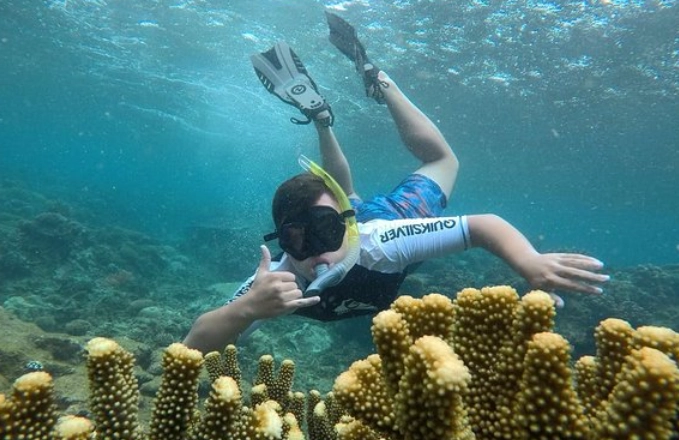
May & June: The Season's Grand Opening
This is where the magic starts. The rains have usually tapered off by May, and the trade winds establish themselves. Water clarity begins its dramatic improvement. June is particularly lovely—the heart of the dry season is just beginning, but the peak holiday crowds from Australia and New Zealand haven't fully arrived yet. It's a sweet spot. I remember a June trip to the Coral Coast where the visibility was so good, I could see the intricate patterns on a giant clam from the surface.
What's Special: This is the start of the manta ray season in the Yasawa Islands, around places like Drawaqa Island (often called Manta Ray Island). The Manta Trust, a fantastic conservation organization, has info on these gentle giants. The water might still be warming up from the wet season, so it can be a touch cooler than later months.
Local Tip: Early dry season can sometimes have lingering breezes. If you're prone to chill, a 2mm or 3mm shorty wetsuit is a worthwhile investment, not just for warmth but also for sun and coral protection.
July, August & September: The Peak of Perfection
If there's a poster child for the answer to "what time of year is best to snorkel in Fiji?", this is it. These are the coolest, driest months. The trade winds are steady, keeping the humidity low and the skies bright blue. Visibility is frequently at its annual peak. It's no coincidence that this is also the busiest and most expensive time to visit.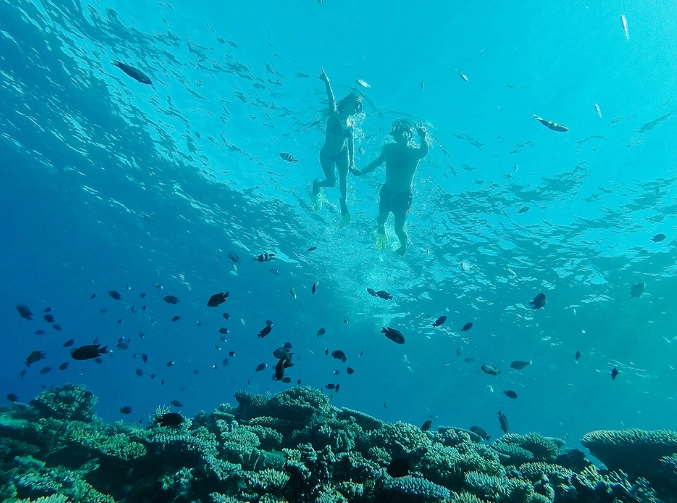
Australian and New Zealand school holidays fall in July, so families flood the resorts. If you want peace and quiet, you'll pay a premium for it or need to seek out smaller, more remote properties.
The Flip Side: I found the water in August to be the coolest of my visits. It was by no means cold, but after an hour in the water, I was glad for a break in the sun. The constant wind, while keeping things pleasant on land, can also create a bit more surface chop on windward sides of islands. It's not a deal-breaker, but it's something to be aware of—leeward sides and lagoons will be much calmer.
Marine Life Highlight: Manta ray activity is usually very reliable in the Yasawas during these months. You might also spot larger pelagic fish cruising the channels in the cooler, nutrient-rich water.
October: The Sweet Closing Act
October is a gem. The weather is still largely dry and stable, but the crowds from the peak months start to thin out. The ocean has had all summer to warm up, so water temperatures are very comfortable. It feels like the dry season's last, glorious hurrah before the humidity starts to creep back in. For balancing great conditions with slightly lower pressure, October is a top contender.
So, is October the best time to snorkel in Fiji? For many, it's a very strong argument.
The Wet Season Months (November - April)
Let's give the wet season its due. It's not all grey skies and poor viz.
November & December: Early wet season. You can get stunning weather mixed with brief, intense tropical downpours. The risk of cyclones is still relatively low. Water is warm, and the famous Fijian friendliness seems to shine even brighter. Christmas and New Year are, of course, major exceptions—they're packed and pricey.
January - March: The core of the wet and cyclone season. This is the most challenging time for guaranteed snorkeling. Heavy rain can dump freshwater and sediment into coastal areas, murking up the water for days. The sea can be rougher. However, on a good day, between weather systems, it can be spectacular. The Fiji Meteorological Service is an essential resource if you're traveling during this period.
A Unique Spectacle: Coral spawning often occurs after the full moons in November and sometimes December. It's a nocturnal event that's hard to witness, but it signifies a time of incredible reef activity.
April: The transition month. The rains begin to ease, the cyclone risk drops significantly, and the landscape is incredibly lush. It's a shoulder month that can offer the best of both worlds—warm water, lower prices, and improving weather.
My Personal Wet Season Story: I once went in late February. We had three days of breathtaking sunshine and calm, clear water. Then a tropical depression swung by. We didn't snorkel for two days due to wind and rain, and when we did get back in, the visibility near our resort was terrible from runoff. It was a stark reminder that the wet season is a roll of the dice.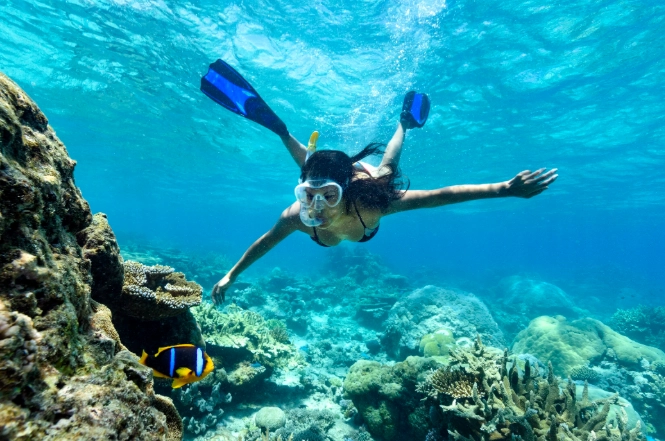
Beyond the Weather: What You'll Actually See (And Where)
Figuring out what time of year is best to snorkel in Fiji isn't just about water clarity. It's about what's *in* that clear water.
Marine Life Calendar
- Manta Rays: The headline act for the dry season. They congregate to feed on plankton in channel passes, primarily in the Yasawa Islands (May-Oct is the core season). Places like the Manta Ray Passage are famous for it.
- Reef Sharks & Rays: White-tip and black-tip reef sharks, along with stingrays and eagle rays, are common residents year-round. You'll see them resting on sandy bottoms or cruising the reef edges.
- Tropical Fish: Fiji's reefs are packed with life every single day. Parrotfish, clownfish (anemonefish), butterflyfish, angelfish, wrasse—it's a constant, dazzling parade. The health of the reef can vary by location, so do a little research. Organizations like The Coral Triangle Initiative highlight the importance of this region, which Fiji is part of.
- Soft Corals: Fiji isn't called the "Soft Coral Capital of the World" for nothing. While hard corals provide the reef structure, the soft corals (sea fans, whips, trees) are what add the breathtaking movement and color. They are present year-round but can look more vibrant in strong, clear current.
- Pelagics (Tuna, Trevally, etc.): More common in cooler water months (dry season) and around deeper channel drops.
- Whale & Dolphin Sightings: Humpback whales migrate through Fijian waters between July and October. Seeing them from a boat is possible; hearing their song while snorkeling is a rare, magical event. Dolphins can appear anytime.
Location, Location, Location
Fiji is an archipelago of over 300 islands. Where you go matters as much as when.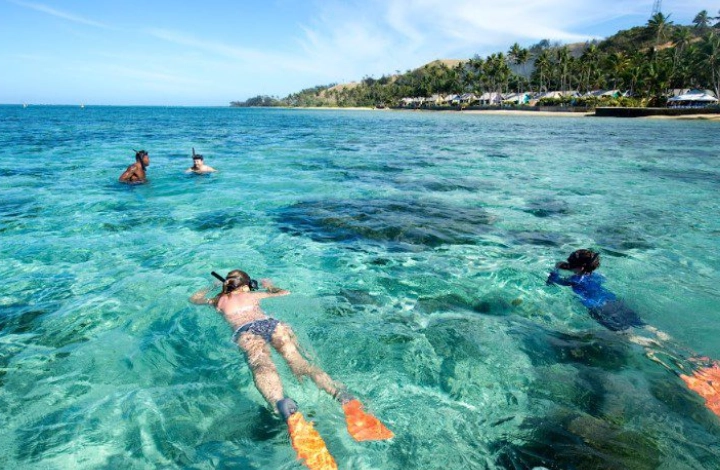
The Mamanuca & Yasawa Islands: The classic tourist circuit. Easy access from Nadi, with resorts for every budget. The Mamanucas have great, accessible reefs (like the famous reefs around Malolo Island). The Yasawas are more rugged and known for specific events like the manta ray cleaning stations. The dry season is ideal here for calm boat transfers and clear water.
The Coral Coast (Viti Levu): The main island's long southern coast. Offers fantastic shore snorkeling right from many hotels (like the Sigatoka Sand Dunes area or the reefs near Pacific Harbour). The wet season can affect visibility here more quickly due to river runoff, so the dry season is strongly recommended.
Vanua Levu & Taveuni: The "Garden Island." This is for adventurers. The snorkeling and diving around the Rainbow Reef and Somosomo Strait is world-class, famous for its colorful soft corals and strong currents (which bring in the nutrients and pelagics). The best time to visit is during the dry season when currents are more predictable and visibility is at its peak. This is serious snorkeling territory.
Remote Islands (Kadavu, Lau Group): For the ultimate getaway. Pristine reefs, few people. Travel is harder and more weather-dependent. The dry season is virtually essential for safe and reliable travel to these outer islands.
Pulling It All Together: Your Decision Checklist
Stop searching for a single perfect answer. Ask yourself these questions instead:
- What's my top priority? Is it crystal-clear water above all else? Then dry season, no question. Is it budget or avoiding crowds? Look at shoulder months (May, June, October, April).
- What's my comfort level with uncertainty? Can you handle a 30% chance of a rainy day messing with your plans? If not, stick to the dry season.
- Is there a specific animal I must see? Mantas? Dry season. Whales? July-October.
- Who am I traveling with? With young kids or nervous snorkelers, the calm, predictable conditions of the dry season are worth every penny for peace of mind.
- What's my budget? Be honest. The difference between peak dry season and shoulder/wet season rates can pay for extra tours or a longer stay.
Once you've answered these, the question of "what time of year is best to snorkel in Fiji?" answers itself. It becomes *your* best time.
Practical Tips for Your Fiji Snorkel Trip
A few hard-earned bits of advice, regardless of when you go.
- Protect the Reef: Please, no standing on coral. Use reef-safe sunscreen (mineral-based, without oxybenzone/octinoxate). A rash guard or wetsuit is better than slathering on lotion. Fiji's reefs are resilient but need our help.
- Guided Tours vs. DIY: For the best sites, especially those in channels or with currents, go with a local guide. They know the tides, the currents, and where the animals hang out. Your resort's snorkeling trip is usually a safe bet.
- Gear: Most resorts provide basic gear. If you're picky or snorkel a lot, bring your own mask and snorkel. Fins are bulky but can be worth it for a good fit.
- Safety: Never snorkel alone. Be aware of currents, especially on outer reef slopes. Don't touch anything. Seriously. The pretty cone shell can kill you. The cute octopus might be a blue-ringed octopus. Admire with your eyes.
Common Questions (Stuff People Really Ask)
The search for the best time to snorkel in Fiji ends with a simple truth: there are many great times, and one perfect time for you.
Look, I love the dry season. The reliability, the clarity, the energy in the resorts. It's a fantastic experience. But I also have a soft spot for the quiet, emerald-green intensity of the wet season, when you feel like you have the whole reef to yourself. Both are Fiji. Both are unforgettable.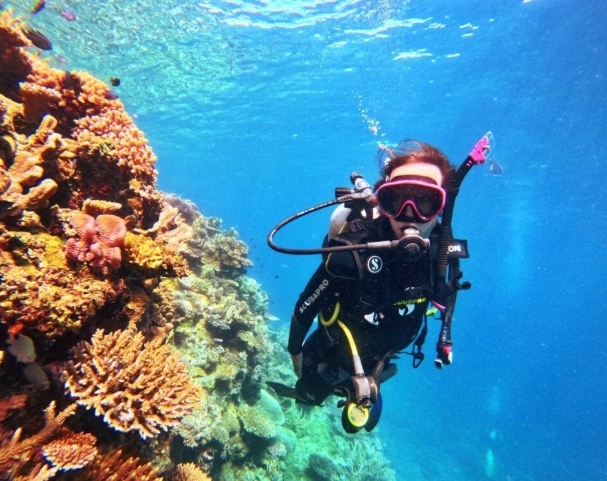
So, stop worrying about finding the one universal "best" time. Use this guide to match a season to your personal travel style, your budget, and your underwater dreams. Then book the trip. The warm, welcoming water and those impossibly colorful corals are waiting for you, pretty much whenever you decide to show up.
Just remember your sunscreen.
Reader Comments