Let's talk about the single most important upgrade you can make to your basic snorkeling gear. It's not a fancy mask or expensive fins. It's a small, often overlooked component on your snorkel: the purge valve. If you've ever surfaced from a dive with a snorkel full of water, coughing and sputtering as you try to clear it with a forceful blast of air, you know the problem. A snorkel set with a purge valve solves that. It turns a potentially panicky moment into a non-event. This isn't just about convenience; it's a fundamental safety feature that separates frustrating gear from gear that lets you relax and actually enjoy the reef.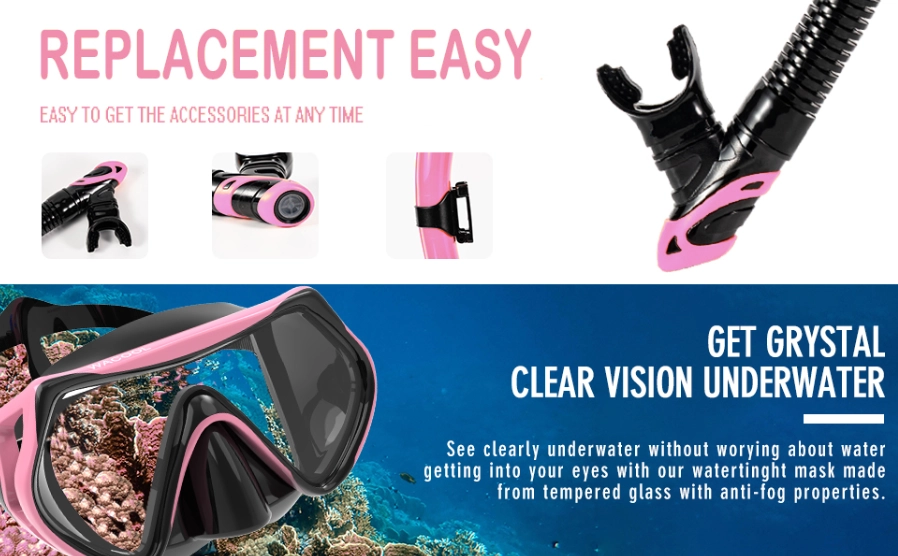
What's Inside: Your Quick Guide
Why the Purge Valve is Non-Negotiable for Safety
Think back to your first time snorkeling. The mask fogged, your fins felt awkward, and then a wave splashed into your snorkel. Instinct tells you to blow hard to clear it. But if you're out of breath or a beginner, that forceful exhale can be difficult. You inhale a bit of salty water, you cough, and the cycle of panic begins. Organizations like PADI (Professional Association of Diving Instructors) emphasize managing stress in the water as a core safety principle. A purge valve directly addresses this.
It's a one-way exit door for water, located in a dedicated chamber at the very bottom of the snorkel. When water enters—whether from a wave, a splash, or submerging the tip—it collects in this lower chamber. To clear it, you don't need a powerful blast. A gentle, normal exhale is enough. The air pushes the water down and out through the valve's silicone flap. The physics are simple, but the psychological impact is huge. You stay calm. Your breathing rhythm stays steady. This is especially critical for children, less confident swimmers, or anyone snorkeling in choppier conditions.
My Take: I've guided hundreds of first-timers. The ones with basic J-tube snorkels spend 30% of their mental energy worrying about clearing water. The ones with a good purge valve snorkel forget about the mechanism entirely within minutes. They're the ones who come back raving about the turtles they saw, not the water they swallowed.
How a Snorkel Purge Valve Actually Works (It's Not Magic)
Let's demystify it. A purge valve isn't a complex machine. It's elegant in its simplicity.
At the lowest point of the snorkel's curved section, you'll find a secondary chamber, slightly bulbous in shape. At the bottom of this chamber is a hole covered by a soft, flexible silicone flap. This flap is the valve. It's designed to seal shut under very light pressure from the outside (like water wanting to get in) but to open easily when pressure comes from the inside (your exhale).
Here's the sequence when things go right:
- Water Entry: Water flows down the main barrel of the snorkel.
- Collection: Gravity pulls it into the lower purge chamber.
- Your Action: You exhale gently.
- The Clear: The exhaled air travels down, pressurizes the chamber, and pushes the silicone flap open. The water is ejected downward and away from you.
- Reseal: The moment the pressure stops, the flap's elasticity and the outside water pressure snap it shut, sealing the snorkel again.
The entire system relies on that silicone flap maintaining a perfect seal. This is where quality matters. A cheap, stiff, or poorly molded flap will leak, letting a constant trickle of water into the chamber, which defeats the whole purpose.
Choosing Your Snorkel Set with Purge Valve: A Buyer's Checklist
Not all purge valves are created equal. When you're looking for a snorkel set, you're usually evaluating a mask, snorkel, and sometimes fin package. The snorkel is where you need to focus your purge valve scrutiny. Here’s what to look for, moving beyond the marketing speak.
1. The Snorkel Type: Dry, Semi-Dry, or Wet?
Purge valves are commonly found on dry and semi-dry snorkels. Understanding the difference is key.
| Type | Key Feature | Best For | With Purge Valve? |
|---|---|---|---|
| Dry Snorkel | Has a float valve mechanism at the top that seals the tube when submerged. | Beginners, choppy water, surface swimming. Prevents most water entry. | Almost always. The purge valve clears the small amount that gets past the float valve. |
| Semi-Dry Snorkel | Has a splash guard (baffles) at the top to deflect waves, but not a full seal. | All-around use, snorkelers who dive down frequently. More versatile. | Very common. Essential for clearing water after a dive. |
| Wet Snorkel (Classic J-tube) | Open tube. No top-side mechanism. | Freedivers, experienced snorkelers who want simplicity. | Rarely. Defeats the simplicity purpose. |
My personal preference leans towards a semi-dry snorkel with a purge valve. It offers the best balance. The splash guard keeps out most surface chop, and the purge valve makes clearing effortless after I dive down to look at something. A full dry snorkel's float valve can sometimes be annoying if you're diving up and down constantly, as it can make a slight “pop” sound as it opens and closes.
2. The Purge Valve Inspection
When you have the snorkel in hand, do this:
- Feel the Flap: Press the silicone flap with your finger. It should be very soft and supple, not stiff or plasticky.
- Check the Chamber: Look inside the purge chamber. It should be smooth, with no visible seams or molding defects that could trap sand or debris.
- Mounting System: Is the snorkel attached to the mask strap with a simple clip or a more secure, adjustable locking mechanism? The latter is better—it prevents the snorkel from swinging wildly and helps keep the mouthpiece in place.
3. The Rest of the Set
Don't get so fixated on the snorkel that you ignore the mask. A leaky mask will ruin your day faster than a missing purge valve. Ensure the mask skirt is soft silicone, fits your face well (suction test it without the strap!), and has a comfortable, wide field of view. The fins in a set are often basic, but they should at least have an adjustable heel strap for a secure fit.
Brands like Cressi, Aqua Lung, and TUSA consistently make reliable snorkel sets with well-engineered purge valves. You can find a good quality set for between $50 and $120. The $30 sets from a generic big-box store? The purge valves in those tend to fail or leak within a season.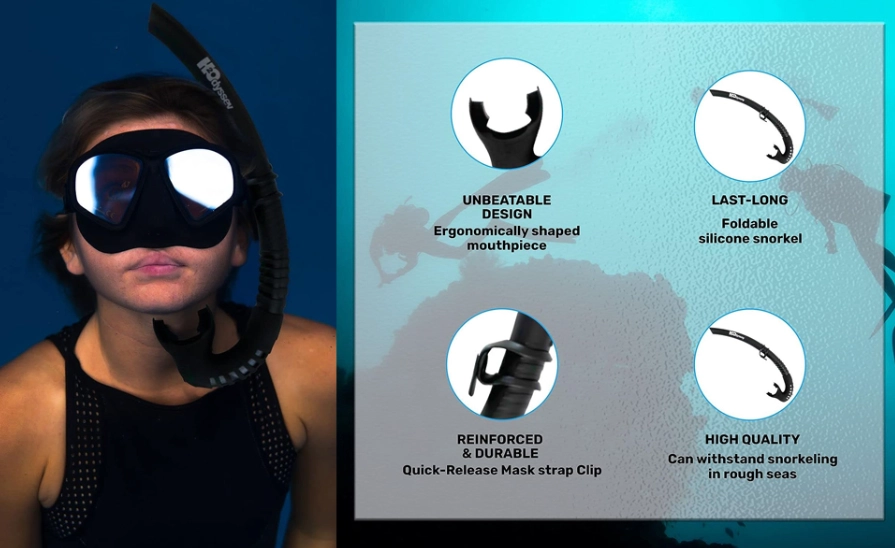
Using and Maintaining Your Purge Valve Snorkel: Pro Tips
Buying it is half the battle. Using and caring for it properly is the other half. Here’s where most people go wrong.
Before Your First Dip
Practice in a pool or even in the shallows of a calm beach. Put your face in the water and deliberately let some water into the snorkel. Get used to the feeling of exhaling gently to clear it. This builds muscle memory so you don't revert to a panicked blast when it happens for real.
The Right Clearing Technique
It’s a controlled exhale, not an explosion. Think of saying a long “hoooo” sound, not a sharp “HUH!”. Start the exhale as you begin to lift your head back to the surface. By the time your face breaks the surface, the purge valve should have done its job.
Maintenance: The Silent Killer of Purge Valves
Salt, sand, sunscreen, and algae are the enemies. That soft silicone flap can get gummed up or stiffened by residue.
- Rinse Immediately: After every saltwater use, soak and swish the entire snorkel in fresh water. Don't just rinse the outside. Submerge it and shake it to get water flowing through the purge chamber.
- Dry Properly: Shake out excess water and let it air dry completely in the shade before storing. Don't leave it in a sealed, damp bag.
- Deep Clean Monthly: Soak the snorkel in a bucket of lukewarm water with a few drops of mild dish soap or baby shampoo. This cuts through oils and biofilm. Rinse thoroughly.
- Never Oil It: Do not apply silicone spray or any lubricant to the flap. This attracts dirt and degrades the material.
I learned this the hard way. I neglected a snorkel over a winter, and the purge valve flap essentially glued itself shut with crystallized salt and gunk. It was useless the next season.
Your Purge Valve Snorkeling Questions Answered
 At the end of the day, a snorkel set with a well-designed purge valve removes a major point of friction from your underwater experience. It’s a tool that works quietly in the background, letting you focus on the wonder in front of your mask, not the mechanics in your mouth. It’s one of those pieces of gear where, once you use a good one, you’ll never want to go back.
Reader Comments