You’re floating over a coral reef, a turtle glides past, and you fumble with a camera inside a murky plastic bag. The moment’s gone. I’ve been there. The truth about snorkeling photography isn’t found in the latest camera megapixel count; it’s in a system that lets you breathe, see, and stay stable long enough to compose a shot. The right snorkeling gear for underwater photography isn't just about the camera—it's about everything that supports it.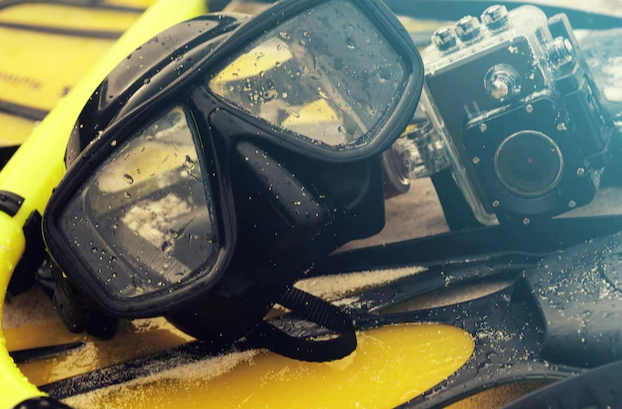
What You'll Learn in This Guide
Your Foundation: Mask, Snorkel, and Fins
Get this wrong, and no camera will save you. This is the most overlooked part of the setup.
The Mask: This is your viewfinder. A low-volume mask (less air inside) is easier to clear and sits closer to your face, giving you a wider field of view. Tempered glass is mandatory for safety. But here’s the pro tip everyone misses: fit is about the skirt, not the frame. Press the mask to your face without the strap, inhale slightly through your nose, and let go. It should stay suctioned for a few seconds. If it falls, it will leak. Try different skirt materials (silicone is best). A foggy mask ruins everything—use a proper defog gel or the old diver’s trick: a drop of baby shampoo rubbed in and rinsed.
The Snorkel: A simple J-shaped snorkel is often better than a complex dry snorkel for photography. Why? Dry snorkels have a float valve that can stick, causing a sudden blockage just as you dip your head to shoot. The purge valve at the bottom of a semi-dry model is more reliable for clearing water with a sharp exhale. You want predictability, not gadgets.
Fins: You’re not racing. You’re maneuvering. Shorter, more flexible snorkeling fins are better than long, stiff diving fins. They allow for small, efficient kicks to hold position against a current without stirring up sand. Full-foot fins (like booties) are great from a boat or sandy beach; open-heel fins with booties are essential for rocky entries. Good fins prevent you from kicking the coral and destroying the scene you want to photograph.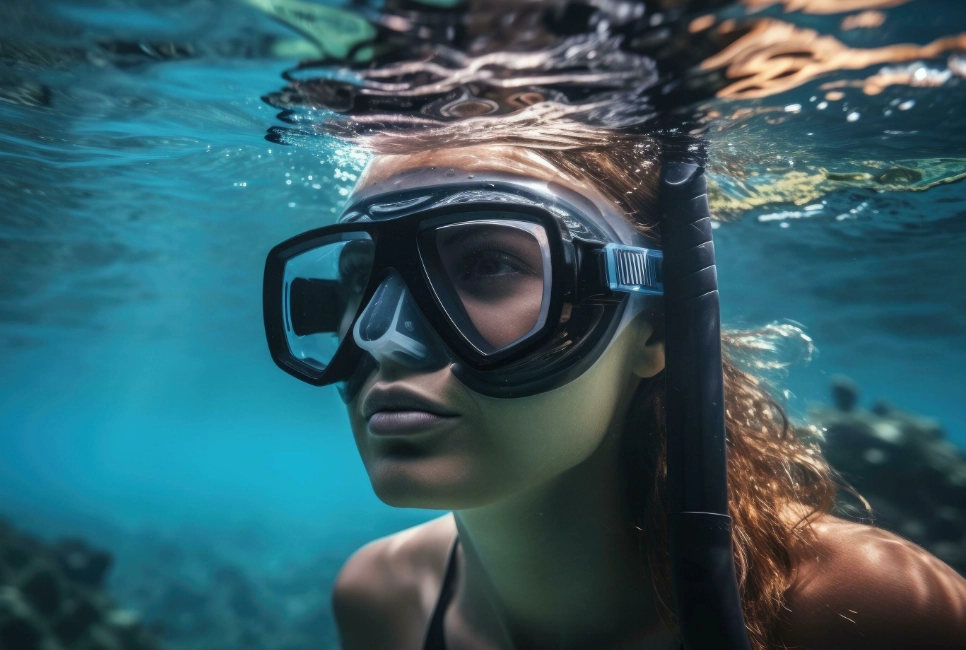
The Camera: Your Three Main Paths
This is where choices explode. Let’s simplify it into three lanes.
1. The Action Camera Route (GoPro, DJI Osmo Action)
For 90% of snorkelers, this is the best starting point. They’re small, simple, and deliver great video and decent wide-angle photos.
The Good: Incredibly portable, rugged, and you can buy a bundle with a housing, floaty grip, and filters for under $400. The hyper-stabilization is a game-changer for shaky snorkelers. Perfect for selfies, wide reef scenes, and following fast-moving fish.
The Limitation: You’re stuck with a wide-angle, fixed lens. You can’t zoom optically on a fish hiding in a crevice. Low-light performance is mediocre. It’s a point-and-shoot experience.
My Pick: A used GoPro Hero 10 or newer in its Super Suit housing. The newer processors handle color correction better underwater. Get a red filter (Magenta for green water, red for blue) for depths below 10 feet, and a tray or grip—holding a tiny cube steady is hard.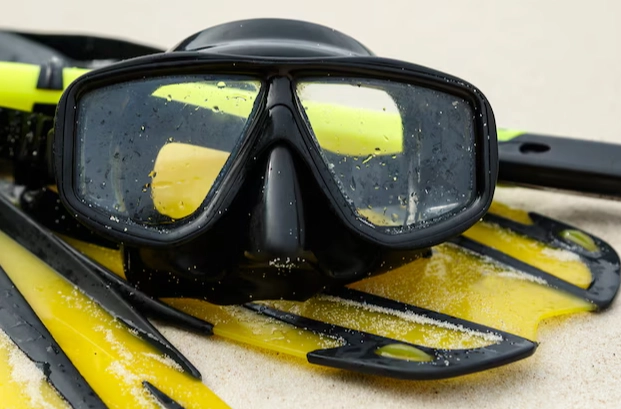
2. The Tough Camera Route (Olympus TG-7, Nikon W300)
These are compact cameras built to be waterproof without a housing (usually down to 15m/50ft). They’re the sweet spot for still photographers.
The Good: Full camera controls (aperture, shutter speed), optical zoom (crucial!), and macro modes that can capture the eye of a tiny shrimp. The Olympus TG-7 is legendary for its microscope mode. No housing needed for snorkeling means one less point of failure.
The Limitation: Image sensor is small, so low-light noise can be an issue. They can feel slow to focus compared to a DSLR.
My Pick: The Olympus Tough TG-7. Its macro capability is unmatched in this category, and it has dedicated underwater shooting modes. Pair it with a wrist strap or a small tray.
3. The Interchangeable Lens Route (Camera in a Housing)
This is for the dedicated. You put a mirrorless or DSLR camera inside a polycarbonate or aluminum housing. It’s a big investment but offers the ultimate quality.
The Good: Your camera’s full sensor and lens quality. You can use wide-angle domes for split shots, macro lenses for tiny critters, and strobes for professional lighting.
The Reality Check: The housing often costs more than the camera. It’s bulky. You need to maintain o-rings meticulously. A leak means a dead camera. This is overkill for casual snorkeling but perfect if you’re transitioning into scuba or are a serious photographer.
Brands to Look At: Ikelite (great value, polycarbonate), Nauticam (high-end, aluminum). A popular starter combo is a Sony a6000-series camera in an Ikelite housing.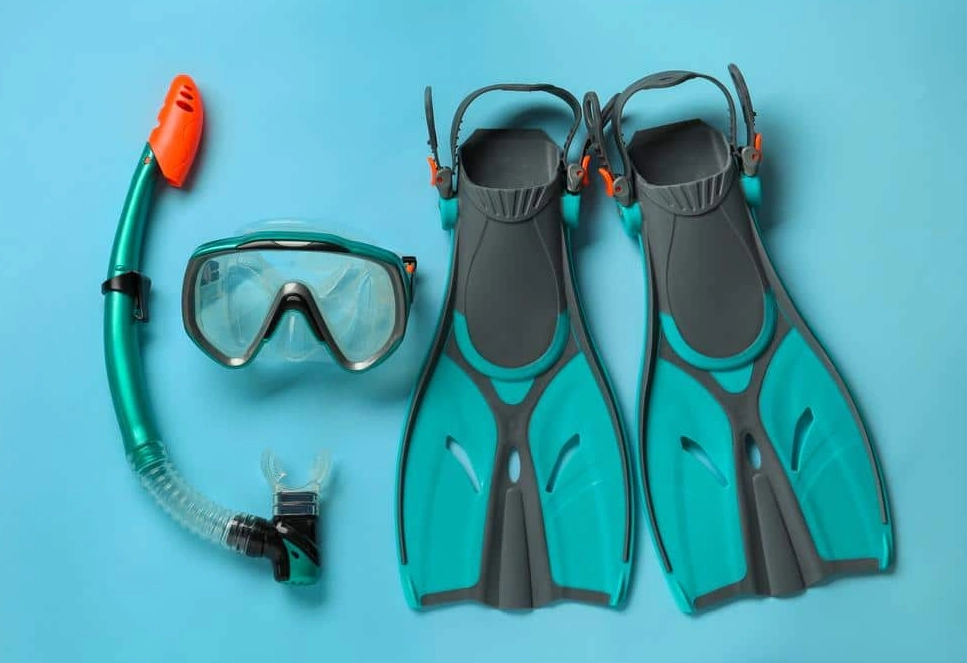
Personal Story: I started with a GoPro, frustrated by the lack of zoom. I moved to an Olympus TG-5 and loved the macro. Only after years of snorkeling did I invest in a micro four-thirds camera in a housing. Start simple. Master buoyancy and composition with an action or tough camera first. The gear won’t make you a better photographer; practice will.
Lighting & Essential Accessories
Water acts like a filter, sucking out reds and oranges within the first few meters. Your camera’s flash is useless—it’ll light up backscatter (floating particles) like a snowstorm.
Video Lights: A constant LED light is the single biggest upgrade for color. It restores reds, allows for faster shutter speeds to freeze motion, and helps with focus. Even in shallow water, it makes a difference on overcast days or under reef ledges.
What to look for: 2000+ lumens, a wide beam angle, and a high CRI (Color Rendering Index) for accurate colors. Brands like Bigblue and Orcatorch offer good value. Start with one on a tray opposite your camera.
Floats, Trays, and Grips: Cameras sink. Get a floaty wrist strap or a float arm attached to your housing. A tray or handle makes holding the camera stable infinitely easier, especially with a light attached. It changes the game from a shaky snapshot to a deliberate composition.
| Gear Category | Budget Option (~$300-500) | Enthusiast Option (~$800-1500) | Performance Focus |
|---|---|---|---|
| Core Camera | GoPro Hero 11/12 + Housing | Olympus TG-7 | Stabilization, Ease of Use |
| Foundation Gear | Cressi Palau Mask/Snorkel Set, Short Snorkeling Fins | Low-Volume Mask (e.g., Scubapro Synergy), Simple J-Snorkel, Open-Heel Fins | Comfort, Field of View, Maneuverability |
| Key Accessory | Floaty Hand Grip, Red Filter Set | Small Tray, Single 2000lm Video Light | Stability, Color Restoration |
| Best For | Beginners, families, video-focused users. | Photographers wanting zoom & macro, better stills quality. |
Putting It All Together: Sample Setups
Let’s follow a hypothetical snorkeler, Maria.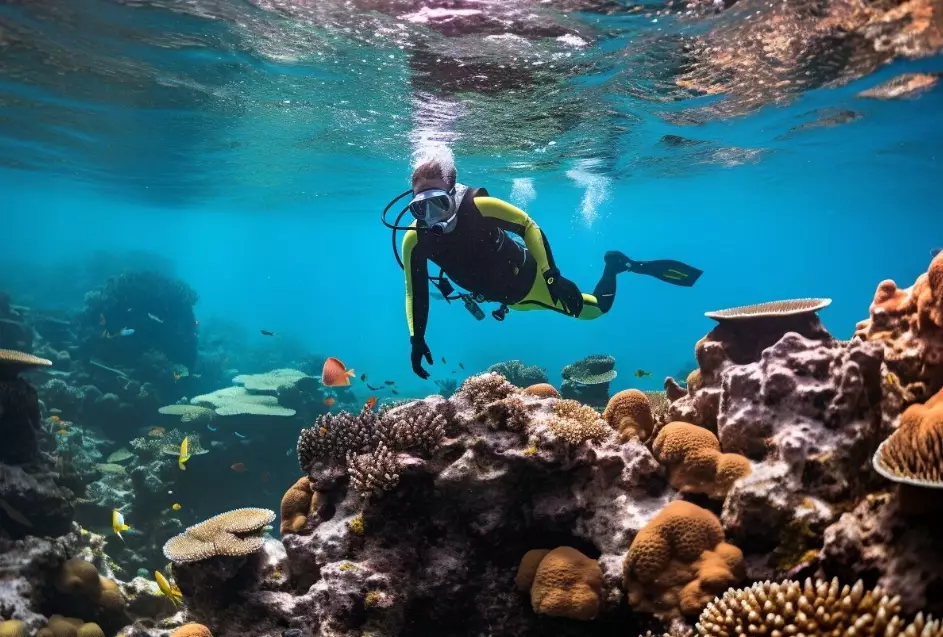
Maria’s Goal: Capture clear photos of fish and coral on her trip to Hawaii, budget-conscious.
Maria’s Setup: Mask/Snorkel/Fins: She visits a local dive shop, tries on masks until one seals perfectly (a Cressi F1). She buys a basic J-snorkel and rented fins. Camera: She already owns a GoPro Hero 10. She buys the official Super Suit housing ($50) and a 2-in-1 red/magenta filter from a brand like PolarPro ($40). Stability: Instead of a selfie stick, she gets a GoPro 3-Way Grip ($50)—it’s a grip, tripod, and extension arm. Total New Spend: ~$140. She now has a stable, color-corrected system that fits in a small pouch.
If Maria had a $1000 budget and loved macro, she’d swap the GoPro for an Olympus TG-7, add a Fantasea tray and handle, and a Bigblue VL4200P video light.
Quick-Fire Tips & The Mistakes I Made
Here’s the condensed wisdom from years of getting it wrong so you don’t have to.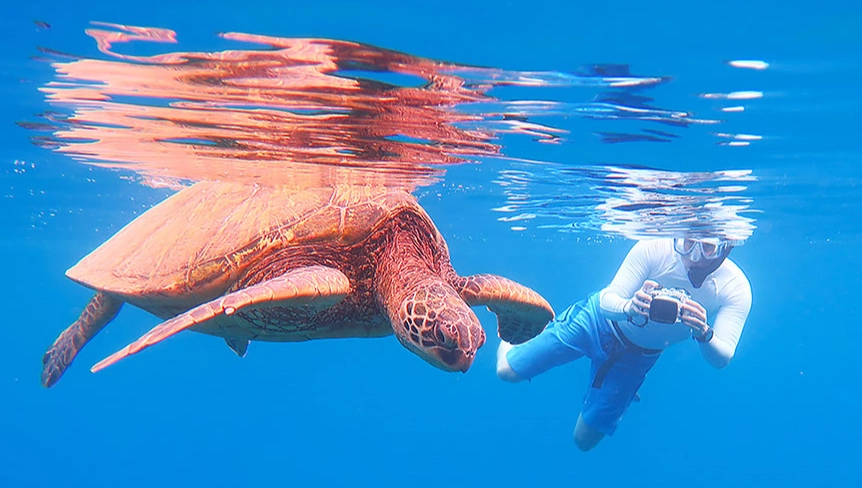
Buoyancy is Key. Don’t kick the reef. Practice hovering by taking a full breath to rise, exhaling to sink. Use minimal fin movements.
Get Close. Then Get Closer. Water reduces contrast, color, and sharpness. Most first shots are taken from too far away. If you think you’re close enough, move in another meter.
Shoot Upwards. The most compelling shots have the subject against the blue water or surface, not the messy reef bottom. It creates separation and drama.
My Biggest Mistake: I bought a cheap, universal “waterproof” phone pouch on my first trip. It leaked at 3 feet. Phone destroyed, photos lost. The $20 I saved cost me $800. Never trust critical gear to no-name Amazon accessories. Stick to brands with a reputation in the dive industry.
Final Thought: The best snorkeling gear for underwater photography is the gear you’re comfortable with and that doesn’t distract you from the experience. Start with a solid foundation—a great mask and a simple, reliable camera system. Master that. The photos will follow.
 How do I prevent blurry photos in low-light snorkeling conditions?
Reader Comments