I remember my first time snorkeling from a beach in Bali. I had these fancy, long-bladed fins—looked great in the shop. But walking into the water? Disaster. The sand sucked them in, I stumbled, and my snorkel trip started with a mouthful of seawater. That's when I realized: snorkeling fins for beach entry aren't just about swimming; they're about getting from shore to sea without looking like a clumsy tourist. If you're tired of tripping over your own feet or dealing with foot cramps, you're in the right place. This guide dives deep into picking the right fins for shore snorkeling, based on years of trial and error.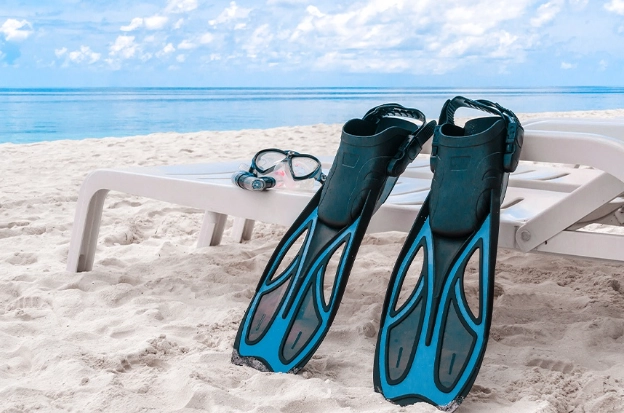
What You'll Learn in This Guide
Why Beach Entry Fins Are Different
Most snorkelers focus on blade design for speed, but for beach entry, it's all about the sole. Regular fins have thin, flexible soles that work in pools or off boats. On a beach, though, you're walking on sand, rocks, or coral. That changes everything.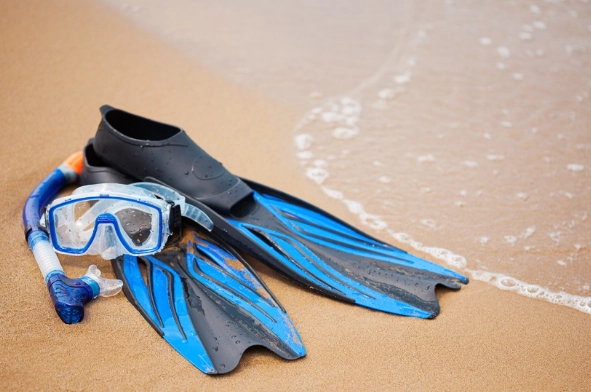
The Sandy Struggle: A Common Pain Point
Sand is deceptive. It looks soft, but it grips flimsy soles, making each step a workout. I've seen people drag their fins through the sand, wasting energy before they even start snorkeling. According to PADI guidelines for shore diving, footwear with traction is key to prevent slips—same logic applies here. Fins with reinforced soles distribute your weight, so you don't sink.
Rocky Entries and Other Challenges
Rocky beaches are worse. One misstep, and you could twist an ankle or damage your fins. I snorkeled in Greece last summer; the pebble beaches tore up my old fins' soles. That's when I switched to models with rugged, non-slip treads. Coral beaches add another layer—you need fins that minimize impact to protect fragile ecosystems. The Ocean Conservancy often highlights how gear choice affects marine life, so it's not just about comfort.
How to Choose the Best Snorkeling Fins for Beach Entry
Picking fins isn't rocket science, but most people overcomplicate it. Forget the marketing hype; focus on these practical features.
Sole Design: The Make-or-Break Feature
The sole is your foundation. Look for:
- Thickened rubber soles: These provide cushioning and grip. I prefer soles that feel like hiking shoes—durable yet flexible.
- Integrated booties: Some fins come with attached neoprene booties. They're great for warmth and protection, but test the fit; too tight, and your toes go numb.
- Non-slip patterns: Deep treads or grooves help on wet surfaces. A friend swears by fins with hexagonal patterns—they grip like gecko feet.
Material Matters: Flexibility vs. Durability
Material affects how the fin performs in water and on land. Thermoplastic rubber is my go-to: it's flexible enough for walking but stiff enough for efficient kicks. Silicone blends are softer, ideal for rocky entries where you need give. Avoid hard plastic; it cracks under pressure. I once bought cheap plastic fins for a beach trip—they snapped on a coral chunk. Lesson learned.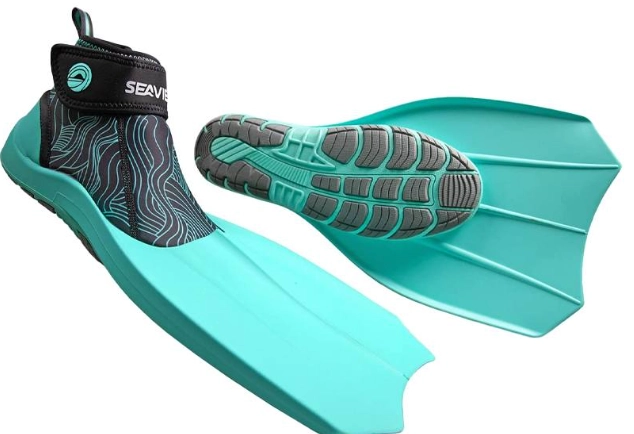
Other Key Factors
Don't ignore these:
- Adjustable straps: Crucial for comfort. Velcro straps are easy to adjust with wet hands, but buckle straps offer more security. I lean toward buckles after losing a fin in current.
- Blade length: Shorter blades are better for beach entry—they're easier to walk in and still provide good thrust. Long blades are overkill unless you're diving deep.
- Weight: Lighter fins reduce fatigue. My current pair weighs under 2 pounds per fin; I can hike to remote snorkel spots without feeling burdened.
| Feature | Why It Matters for Beach Entry | What to Look For |
|---|---|---|
| Sole Thickness | Prevents sinking in sand and protects from sharp objects | At least 5mm rubber, with treads |
| Material Flexibility | Allows natural walking motion without strain | Thermoplastic rubber or silicone blends |
| Strap Type | Ensures secure fit during entry and exit | Adjustable buckles or Velcro with quick-release |
This table sums it up, but let's get into specifics with real-world picks.
My Top Picks for Snorkeling Fins for Beach Entry
After testing dozens of fins, here are three that stand out. I've used them in various beach conditions—from sandy shores in Florida to rocky coasts in Australia.
1. Mares Avanti Quattro+
These are my all-rounders. The sole is reinforced with a ribbed pattern that grips sand well. Material is a blend of thermoplastic rubber—flexible for walking, yet the blade gives powerful kicks. Price around $120. I used them in Maui; walking over lava rocks was a breeze, and the adjustable buckle kept them snug. Downside? They're a bit bulky for packing.
2. Cressi Pro Light
Perfect for travelers. Lightweight (about 1.5 pounds per fin) with a comfortable foot pocket. The sole isn't as thick as the Mares, but it has a non-slip coating that works on wet sand. Price around $80. On a budget trip to Mexico, these saved my feet from hot sand. However, on very rocky entries, I'd want more cushioning.
3. Scubapro Seawing Nova
A premium choice. The sole is integrated with a bootie-like lining, so you can wear them barefoot. Material is eco-friendly—partially made from recycled materials. Price around $150. I tested them in Thailand; the sole protected against coral abrasion, and the blade design reduced leg fatigue. But they run small; size up if you have wide feet.
Each has its niche. For most beach snorkelers, the Cressi Pro Light hits the sweet spot of price and performance.
Common Mistakes to Avoid
I've made plenty of errors, so you don't have to. Here's the lowdown.
Mistake 1: Prioritizing blade length over sole comfort. New snorkelers often think longer fins mean better snorkeling. Not true for beach entry. I once bought extra-long fins for a shore dive in the Bahamas—walking back to shore with tired legs was a nightmare. The long blades caught on every wave.
Mistake 2: Ignoring fit with socks. If you snorkel in cooler waters, you'll wear neoprene socks. Test fins with them on. I didn't, and on a California trip, my fins rubbed blisters through the socks. Now, I always bring socks to the store.
Mistake 3: Overlooking environmental impact. Many fins use non-recyclable plastics. It's a small thing, but choosing sustainable options matters. I switched to eco-fins after seeing plastic debris on a beach in Indonesia. Brands like Aqualung are stepping up here.
A pro tip from a local guide in the Philippines: practice walking with your fins on dry land before hitting the water. It sounds silly, but it builds muscle memory and prevents stumbles.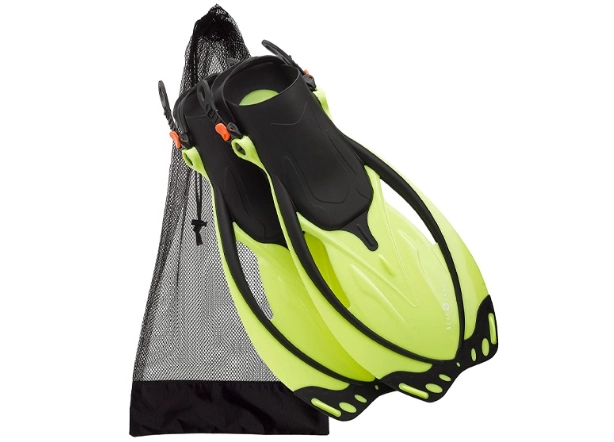
Frequently Asked Questions
Wrapping up, snorkeling fins for beach entry are about blending land and sea performance. Don't settle for generic gear; invest in fins that make your shore adventures smooth. Start with the Cressi Pro Light if you're unsure—it's a reliable workhorse. And remember, the best fin is the one that gets you into the water without a fuss. Happy snorkeling!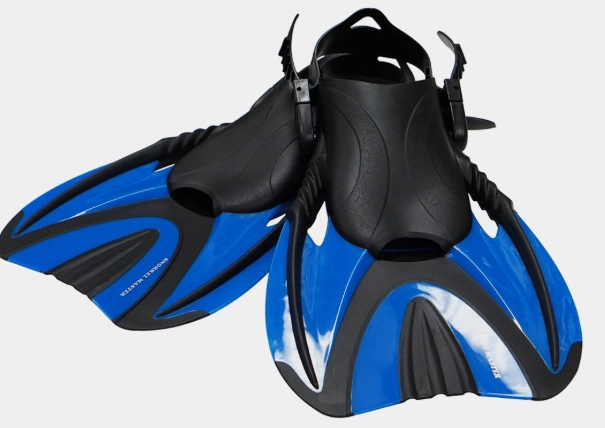
Reader Comments