I remember the first time I dipped my face into Bora Bora's lagoon. It wasn't just clear water. It felt like floating in a giant, warm aquarium. The colors were unreal—electric blue parroffish, blacktip reef sharks gliding like shadows, and corals in shapes I'd only seen in books. Bora Bora snorkeling is the reason many people save up for years to visit French Polynesia. But here's the thing most blogs don't tell you: not every spot is created equal, and timing your visit wrong can mean missing the magic entirely.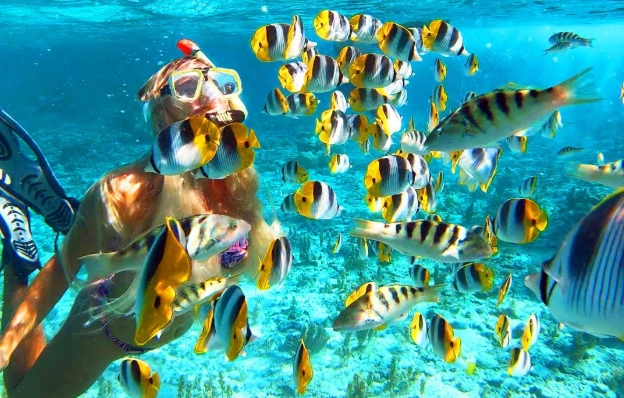
What’s Inside This Guide?
The 4 Must-Visit Snorkeling Spots in Bora Bora (Ranked)
Forget just following the hotel boat. These are the places where the underwater action happens. I've ranked them based on accessibility, marine life diversity, and that "wow" factor.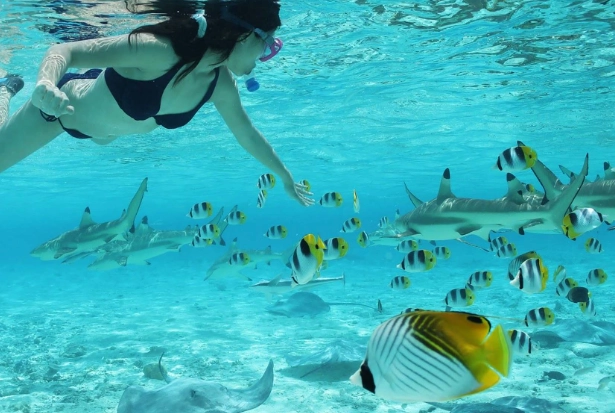
| Spot Name | Best For | How to Get There | Key Marine Life |
|---|---|---|---|
| 1. The Coral Gardens (North of Motu Toopua) | Beginners & vibrant coral fans | Booked via a lagoon tour or private motu picnic excursion. Most half-day tours include it. | Staghorn & brain coral, clownfish, butterflyfish, giant clams. |
| 2. Manta Ray Cleaning Station (Near Motu Tane) | Thrilling encounters with large pelagics | Specific manta ray safari tours, usually in the morning. Requires a guide. | Manta rays (seasonal), eagle rays, trevally. |
| 3. The Lagarium (Conrad Bora Bora Nui) | Easy access & shark sightings | Public area accessible from the main island near the Conrad. You can swim from shore. | Blacktip reef sharks, lemon sharks, stingrays, colorful reef fish. |
| 4. The Outer Reef Passes (e.g., Teavanui Pass) | Experienced snorkelers seeking adrenaline | Strictly via guided drift snorkel tours with reputable operators like Topdive or Bora Bora Lagoonarium. | Grey reef sharks, Napoleon wrasse, large schools of barracuda, occasional dolphins. |
Let me break down why the Coral Gardens is my top pick. It's shallow, maybe 3-6 feet deep, so the sunlight makes everything explode with color. You're literally swimming through a maze of coral heads. It's safe, it's stunning, and it's what people imagine when they dream of Bora Bora. The Manta Ray spot is a close second, but it's fickle. You need the right tide and season (May to October is best). When it's on, it's life-changing. When it's not, you're just floating in deep blue water.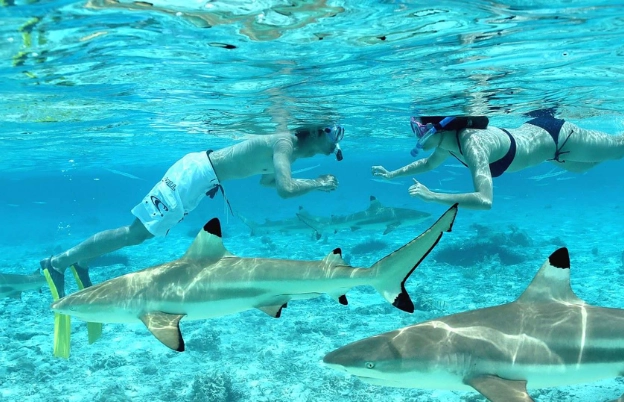
Pro Tip: At the Lagarium, go during the late afternoon hotel fish feeding session (usually around 4-5 PM). The sharks and rays come in close, offering an incredible spectacle even from the sandy shore. It's free and one of the island's best-kept secrets.
When is the Absolute Best Time to Go Snorkeling?
This is where most generic advice fails. They'll tell you "dry season" (May to October) and leave it at that. True, you get less rain and calmer seas then. But the real secret is in the tides and time of day.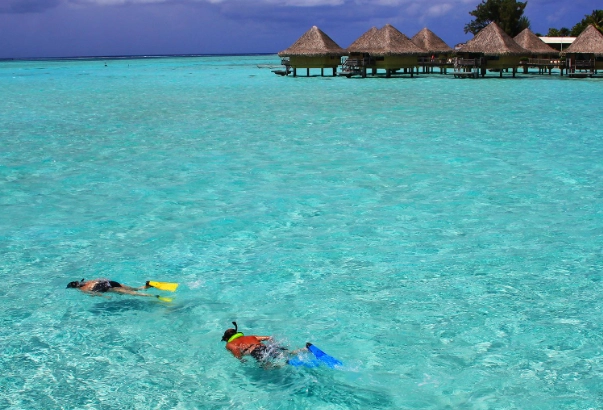
Water clarity is king for snorkeling. In Bora Bora, the lagoon can get stirred up by wind and currents. The clearest water is almost always on an incoming tide. The ocean pushes clean, clear water into the lagoon from the passes. Check a simple tide app. Aim to be in the water an hour before high tide until an hour after. The difference is night and day—you'll see 50% further.
Time of day? Early morning. Not just for calm water, but because the fish are most active. The tour boats haven't churned up the sand yet. By 11 AM, the most popular spots can feel a bit crowded. My favorite snorkel was at 8 AM at the Coral Gardens, with just our small group and a curious octopus.
Watch Out: The midday South Pacific sun is brutal. Even with a rash guard, reapply waterproof sunscreen to your neck, backs of your knees, and ankles every 90 minutes. A bad burn on day one can ruin your whole trip. I learned this the hard way.
Your Practical Snorkeling Guide: Gear, Tours & Logistics
Do You Need to Bring Your Own Gear?
Most tours and resorts provide basic masks, snorkels, and fins. The quality is... fine. But if you're serious about comfort and hygiene, bring your own mask. A leaky mask is the fastest way to ruin a snorkeling trip. I pack a lightweight, frameless mask that fits my face perfectly. Fins are less critical, but if you have room, your own open-heel fins with booties are far better than the often-ill-fitting full-foot fins provided.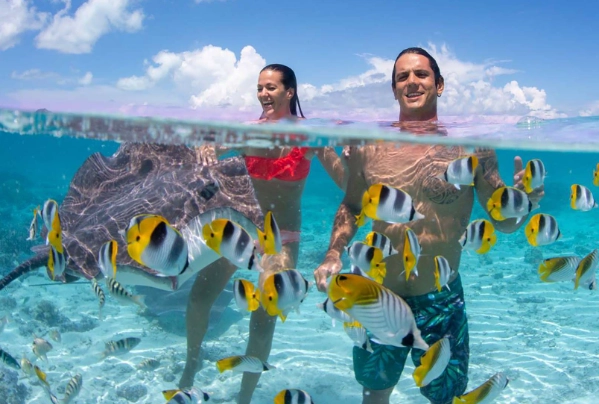
Essential Packing List:
- A high-quality, UV-protection rash guard (long-sleeved). It protects from sun and occasional jellyfish.
- Reef-safe sunscreen (brands like Stream2Sea or Raw Elements). It's better for the coral you've come to see.
- GoPro or underwater camera. You'll want proof of those sharks.
- A mesh gear bag to carry wet items.
Choosing the Right Tour vs. Going Solo
For spots like the Manta Ray Cleaning Station or the Outer Reef Passes, a guided tour is mandatory. They know the locations, currents, and safety protocols. For the Lagarium or shallow areas near your resort, you can go solo.
When booking a tour, don't just pick the cheapest. Look for operators that cap group sizes. A boat with 30 people is chaotic. I had a great experience with a small operator that limited groups to 8. The guide pointed out tiny nudibranchs and explained fish behavior we'd have missed otherwise.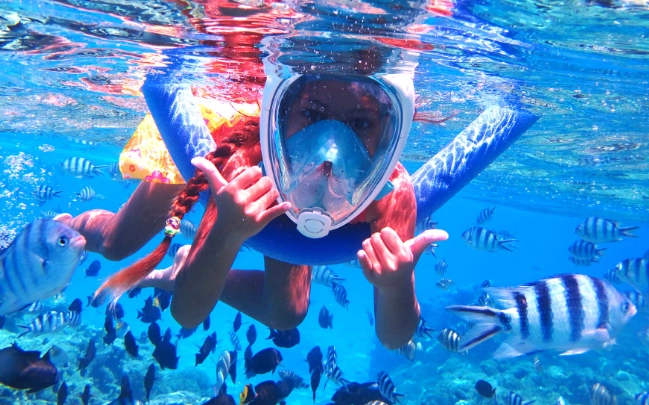
Expect to pay between $80 to $150 USD for a half-day group tour. Private charters start around $400. Always confirm what's included: gear, drinks, snorkel instruction, and hotel pickup.
Avoiding the 3 Most Common Snorkeling Mistakes
After a decade of guiding trips here, I see the same errors repeatedly.
Mistake 1: Chasing the Sharks. You see a blacktip reef shark and swim frantically after it for a photo. You'll scare it away, exhaust yourself, and drift away from your group or boat. Instead, relax, float, and let the wildlife come to you. They're curious. Hold still, and you'll have a much closer encounter.
Mistake 2: Ignoring the Current. Especially near the reef passes, currents can be strong and change quickly. Even good swimmers can get into trouble. Always listen to your guide's briefing on entry and exit points. If snorkeling alone, never go out in water over your head if there's any noticeable pull.
Mistake 3: Touching Anything. This isn't just an environmental plea; it's a safety one. That beautiful cone-shaped shell could house a deadly cone snail. That seemingly dull rock might be sharp coral or a stonefish. The golden rule: look with your eyes, not your hands.
Your Bora Bora Snorkeling Questions Answered
Do I need to worry about sharks while snorkeling in Bora Bora?
The sharks you'll see (mostly blacktip and lemon sharks) are not interested in humans. They're reef feeders. In over a thousand snorkels, I've never seen aggressive behavior. The real concern is accidentally kicking or cornering one, which is why guides tell you to keep a calm, vertical position in the water. They're a highlight, not a hazard.
Is snorkeling in Bora Bora suitable for complete beginners who aren't strong swimmers?
Absolutely, if you pick the right spot. The Coral Gardens and many shallow lagoon areas near resorts are perfect. Use a flotation vest (most tours provide them), and stick with a guide. Communicate your comfort level. The lagoon is generally calm, but being honest about your abilities ensures you're placed in the right conditions. I've seen many nervous first-timers become obsessed after a gentle introduction in the shallows.
What's the one piece of gear most people forget that would massively improve their experience?
A rash guard. Everyone thinks of sunscreen, but the sun's reflection off the water is intense. A rash guard provides constant protection, prevents chafing from the snorkel vest, and offers a bit of warmth. It also minimizes the amount of sunscreen that washes off into the reef. I never get in the water without mine.
Can I see manta rays all year round, or is it seasonal?
It's highly seasonal and tide-dependent. The clearest season is during the Southern Hemisphere winter, from May through October, when plankton concentrations attract them. Even then, sightings are never guaranteed. A good tour operator will check with other guides in the morning before heading out. If manta rays are your top priority, plan your trip for July or August and book a dedicated tour, but have a backup plan.
How does snorkeling in Bora Bora compare to other islands like Moorea or Rangiroa?
Bora Bora wins for sheer scenic beauty—the iconic mountain backdrop while you snorkel is unbeatable. Its lagoon is protected and consistently calm. Moorea has excellent snorkeling, often with more wild dolphins and humpback whales (in season), but the backdrop is different. Rangiroa is for advanced snorkelers and divers; it's about deep, adrenaline-filled drift dives in ocean passes with huge pelagic life. Bora Bora is the best all-around package for beauty, accessibility, and diverse marine life in a single, stunning setting.
Snorkeling in Bora Bora isn't just an activity; it's the centerpiece of the experience. By knowing where to go, when to go, and how to prepare, you move from being a passive tourist to an engaged explorer. You'll spend less time figuring things out and more time floating in that perfect, warm water, surrounded by colors that don't seem real. That's the magic you're coming for. Now you know exactly how to find it.
Reader Comments