Quick Navigation
- Why Bother with Snorkeling Gloves and Socks?
- How to Choose the Right Snorkeling Gloves and Socks
- Top Picks: Best Snorkeling Gloves and Socks I've Tried
- Using Your Snorkeling Gloves and Socks: Practical Tips
- Care and Maintenance: Making Your Gear Last
- Common Questions About Snorkeling Gloves and Socks Answered
- The Environmental Impact: Choosing Responsibly
So, you're planning a snorkeling trip? That's awesome. I've been there—standing on the beach, excited to jump into the water, but then realizing my hands and feet are freezing or getting scraped on coral. It's not fun. That's where snorkeling gloves and socks come in. They're not just fancy accessories; they're game-changers for comfort and safety. But let's be real: with so many options out there, how do you choose? And do you even need them? I used to skip them to save money, but after a few painful experiences, I learned my lesson. In this guide, I'll walk you through everything about snorkeling gloves and socks, from why they matter to how to pick the best pair. I'll even throw in some personal blunders and recommendations. By the end, you'll be ready to make an informed decision—no fluff, just practical stuff.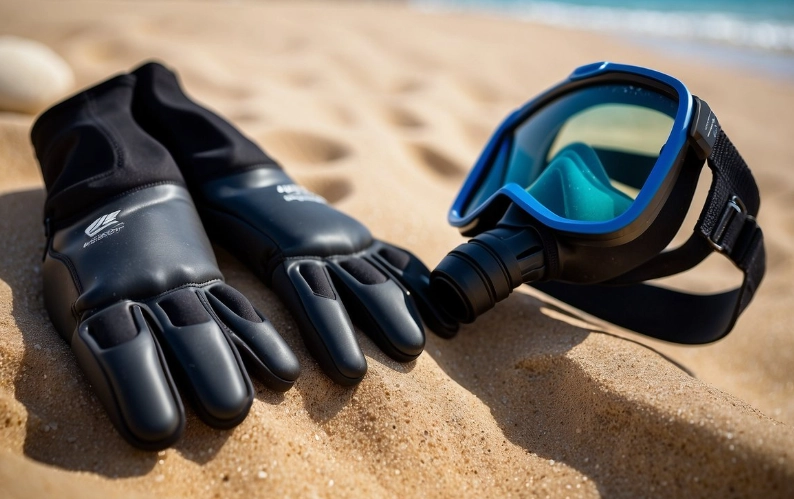
Think of snorkeling gloves and socks as your underwater armor. They protect you from cuts, cold, and creepy-crawlies, while giving you better grip on rocks or your gear. But here's the thing: not all gear is created equal. I once bought a cheap pair of snorkeling socks online, and they fell apart after one use. Total waste. So, let's dive deep into what makes good snorkeling gloves and socks worth it.
Why Bother with Snorkeling Gloves and Socks?
Okay, let's start with the basics. Why should you care about snorkeling gloves and socks? I mean, can't you just go bare-handed? Sure, you can, but you might regret it. Here's why these pieces are more than just extras.
Protection from the Elements
The ocean isn't always friendly. Coral, rocks, and even some marine life can give you nasty cuts or stings. I remember snorkeling in Hawaii without gloves—I brushed against some coral, and my hand was sore for days. Snorkeling gloves act as a barrier. They shield your hands from abrasions and jellyfish tentacles. Similarly, snorkeling socks protect your feet from sharp shells or hot sand on the beach. Plus, if you're in cooler waters, they keep you warm. Ever had your toes go numb? It ruins the fun. According to the National Oceanic and Atmospheric Administration (NOAA), proper protective gear can prevent injuries and enhance your snorkeling experience. It's a no-brainer.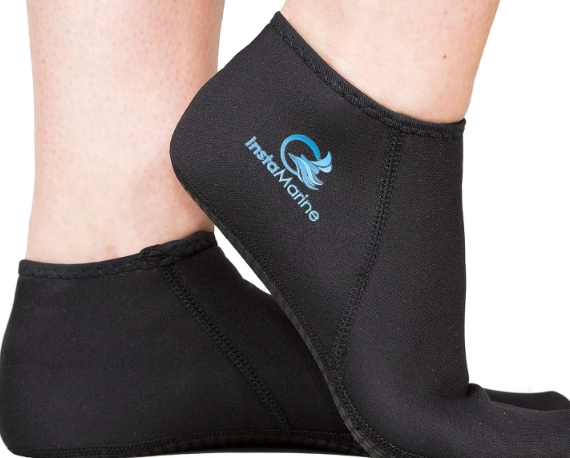
Better Grip and Mobility
Ever tried holding onto a boat ladder or adjusting your mask with wet, slippery hands? It's frustrating. Snorkeling gloves often have textured palms that improve grip. I find they help me handle my camera or scoop up interesting shells without dropping them. Snorkeling socks, on the other hand, give you traction on slippery surfaces. Some even have rubber soles for walking on rocky shores. It's like having superpowers underwater—you feel more confident and in control.
How to Choose the Right Snorkeling Gloves and Socks
This is where it gets tricky. Walk into a store or browse online, and you'll see dozens of options. Neoprene, latex, three-finger designs—it's overwhelming. I've made mistakes here, so learn from me. Let's break it down.
Material: What Are They Made Of?
The material determines comfort, durability, and warmth. Here's a quick comparison to help you out. I've used all these types, and each has pros and cons.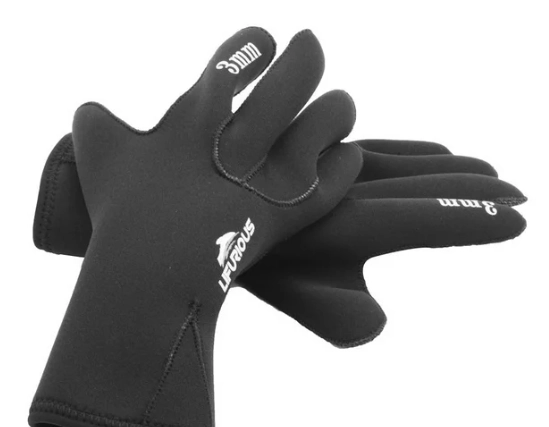
| Material | Best For | Pros | Cons | My Personal Take |
|---|---|---|---|---|
| Neoprene | Cold water, frequent use | Excellent insulation, durable, flexible | Can be bulky, takes time to dry | My go-to for most trips. Keeps me warm, but I've had some that felt too tight. |
| Latex or Rubber | Warm water, budget options | Lightweight, cheap, good grip | Less durable, can tear easily | I avoid these now—they ripped on me once, and I had to cut my snorkeling short. |
| Lycra or Spandex | Warm water, sun protection | Breathable, dries fast, UV protection | Minimal insulation, less protection | Great for tropical trips, but don't rely on them for sharp objects. |
| Hybrid (e.g., neoprene with silicone) | All-round performance | Balanced warmth and grip, versatile | More expensive | Worth the investment if you snorkel often. My current pair is hybrid, and I love it. |
See? It's not just about picking the prettiest color. For snorkeling gloves and socks, material matters a lot. If you're in colder spots, neoprene is your friend. For tropical vacations, lycra might suffice. But honestly, I lean toward neoprene for gloves and hybrid for socks—they've served me well.
Fit and Sizing: Don't Guess This One
Ill-fitting snorkeling gear is a nightmare. Too tight, and your circulation gets cut off; too loose, and water sloshes in, making you cold and uncomfortable. I learned this the hard way with a pair of snorkeling socks that were too big—they kept slipping off my fins! Here's what to do:
- Measure your hands and feet: Use a tape measure. For gloves, measure around your palm and length of your hand. For socks, measure your foot length and circumference. Most brands have size charts—follow them.
- Consider the thickness: Thicker materials like neoprene might require sizing up. Check the product description for advice.
- Try them on with your gear: If you wear fins, test the socks with them. Some snorkeling socks are designed to fit snugly inside fins.
And here's a pro tip: Look for snorkeling gloves with adjustable wrist straps. They help keep water out and improve fit. For socks, elastic cams are a plus to prevent slipping.
Top Picks: Best Snorkeling Gloves and Socks I've Tried
Now, let's talk specifics. I've tested a bunch of snorkeling gloves and socks over the years—some great, some terrible. Here's my unofficial ranking based on performance, comfort, and value. Remember, this is just my opinion, but it might save you some trial and error.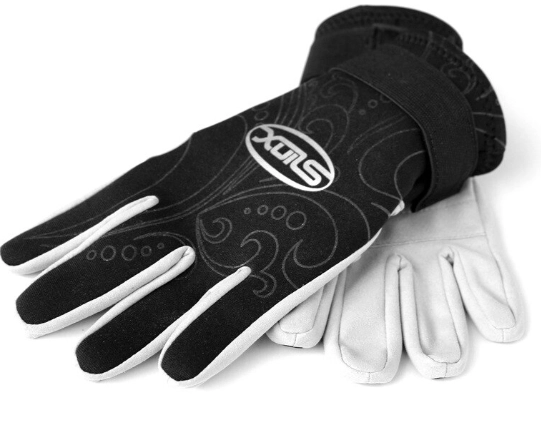
Best Overall: Cressi Neoprene Gloves and Socks Set
I've used Cressi gear for a while, and their neoprene snorkeling gloves and socks combo is solid. The gloves are 3mm thick, keeping my hands warm in cooler waters, and the socks have reinforced soles for walking. They're durable—I've had mine for two seasons, and they're still holding up. The grip is decent, though not the best for very slippery surfaces. Price-wise, they're mid-range, but worth it for regular snorkelers.
Best for Warm Water: Aqua Lung Lycra Gloves and Socks
If you're snorkeling in the tropics, Aqua Lung's lycra set is a winner. They're lightweight, dry quickly, and offer UPF 50+ sun protection. I wore these in the Caribbean, and my hands didn't overheat. The socks are thin but provide enough cushioning for fins. My only gripe? They're not very protective against sharp objects, so avoid rocky areas.
Best Budget Option: Seavenger 3-Finger Gloves and Basic Socks
On a tight budget? Seavenger's 3-finger snorkeling gloves are affordable and functional. They're made of neoprene, so they offer some warmth, and the three-finger design gives you more dexterity. The socks are basic but get the job done. I found them a bit stiff at first, but they softened after a few uses. Don't expect them to last forever, though—they're good for occasional trips.
But wait, there's more. I've also tried high-end brands like Scubapro, but honestly, for most recreational snorkeling, mid-range options like Cressi work just fine. It's all about your needs.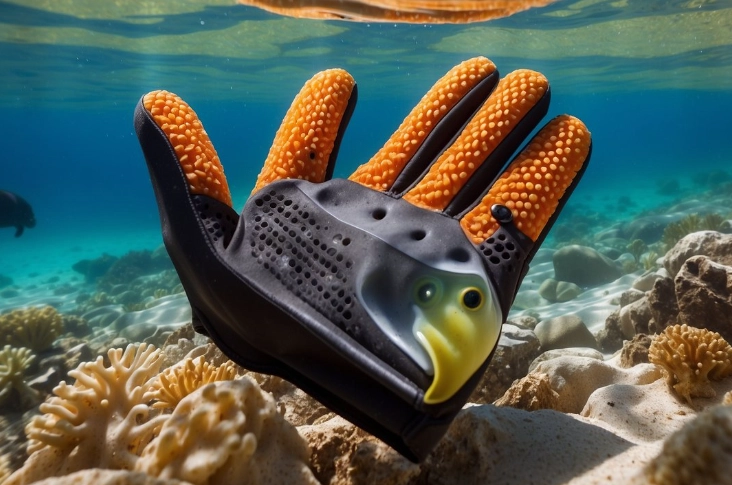
Using Your Snorkeling Gloves and Socks: Practical Tips
So, you've got your snorkeling gloves and socks. Now what? Using them effectively can make or break your experience. Here are some things I've picked up along the way.
Pre-Snorkeling Prep
Before you hit the water, make sure your snorkeling gloves and socks are clean and dry. Wet gear is uncomfortable to put on. I usually rinse mine with fresh water after each use to prevent salt buildup. Also, check for any tears or wear—especially if you're using older gear. A small hole can let in water and ruin your warmth.
When putting them on, take your time. For gloves, wiggle your fingers in gently to avoid straining the seams. For socks, ensure they're smooth against your feet to prevent blisters. If you're wearing fins, put the socks on first, then the fins. It sounds obvious, but I've seen people struggle with this.
During Snorkeling: Maximizing Comfort
Once you're in the water, adjust as needed. If water gets into your snorkeling gloves, try tightening the wrist straps. For socks, make sure they're not bunching up inside your fins—that can cause chafing. I like to take a moment to flex my hands and feet to ensure everything feels right.
And here's a cool trick: Use your snorkeling gloves to handle marine life gently if you're exploring, but always follow local guidelines. Organizations like the PADI AWARE Foundation emphasize responsible interactions to protect ocean ecosystems. Your gloves can help you avoid direct contact.
Care and Maintenance: Making Your Gear Last
Snorkeling gloves and socks aren't disposable. With proper care, they can last for years. I've ruined a pair by neglecting them, so listen up.
- Rinse after use: Always rinse with fresh water to remove salt, sand, and chlorine. Salt can degrade materials over time.
- Dry properly: Avoid direct sunlight or heat sources, which can cause cracking. Hang them in a shaded, well-ventilated area. I use a drying rack indoors.
- Store correctly: Keep them flat or loosely rolled. Don't fold them tightly, as that can create creases or weaken the material. I store mine in a mesh bag to allow airflow.
- Inspect regularly: Check for signs of wear, like thinning areas or loose seams. Repair small tears with aquaseal or similar products before they worsen.
It might seem like a hassle, but it's worth it. Well-maintained snorkeling gloves and socks save you money and ensure you're always ready for your next adventure.
Common Questions About Snorkeling Gloves and Socks Answered
I get a lot of questions from friends about snorkeling gear. Here are some frequent ones, based on what people search for online.
Do I really need snorkeling gloves and socks?
It depends. If you're snorkeling in warm, calm waters with no sharp objects, you might skip them. But for most situations—especially cooler temperatures, rocky areas, or longer sessions—they're highly recommended. They enhance safety and comfort, so I'd say yes, you probably need them.
Can I use regular gloves or socks instead?
Not really. Regular gloves aren't designed for water—they get heavy, lose grip, and can be dangerous. Snorkeling gloves and socks are made from materials that handle moisture and provide specific features like UV protection or textured palms. It's better to invest in purpose-built gear.
How do I choose between 3-finger and 5-finger gloves?
3-finger snorkeling gloves (where two fingers are grouped) offer more warmth and are easier to put on, but less dexterity. 5-finger gloves give you better movement for tasks like adjusting gear. I prefer 5-finger for versatility, but if warmth is your priority, go for 3-finger.
Are snorkeling socks necessary if I wear fins?
Yes, often. Fins can rub against your feet, causing blisters. Snorkeling socks act as a buffer, providing cushioning and preventing chafing. They also keep your feet warm in cold water. Some fins are designed to be worn barefoot, but socks add an extra layer of comfort.
What about eco-friendly options?
Great question! More brands are offering eco-friendly snorkeling gloves and socks made from recycled materials or sustainable neoprene. Look for certifications or check the brand's environmental policies. Supporting these options helps reduce ocean pollution.
The Environmental Impact: Choosing Responsibly
Let's talk about the elephant in the room: gear waste. Snorkeling equipment, including gloves and socks, can contribute to plastic pollution if not disposed of properly. I've become more conscious of this over time. When selecting snorkeling gloves and socks, consider brands that prioritize sustainability. For example, some use limestone-based neoprene instead of petroleum-based, which has a lower carbon footprint.
Also, think about longevity. Buying durable snorkeling gloves and socks means you replace them less often, reducing waste. And when they do wear out, recycle them if possible—some outdoor gear stores take back old neoprene products. The Surfrider Foundation has resources on recycling dive gear, which can apply to snorkeling accessories too.
At the end of the day, snorkeling is about enjoying the ocean, so let's protect it. Choosing the right snorkeling gloves and socks isn't just about you—it's about the environment too.
Wrapping up, snorkeling gloves and socks might seem like small additions, but they make a huge difference. From my own mishaps to happy discoveries, I've learned that investing in good gear pays off. Whether you're a beginner or a seasoned snorkeler, take the time to pick the right pair. Measure carefully, consider the material, and don't skimp on maintenance. And remember, it's okay to start with a budget option—just know what you're getting into.
So, next time you pack for a snorkeling trip, don't forget those gloves and socks. Your hands and feet will thank you, and you'll focus more on the amazing underwater world instead of discomfort. Happy snorkeling!
Reader Comments