Your Fog-Free Snorkel Guide
- Why Does Your Snorkel Mask Fog Up? (The Simple Science)
- The Foundational Step: Prepping a New Mask (Non-Negotiable)
- Your Arsenal of Anti-Fog Solutions: From DIY to Pro
- In-Water Fog? Quick Fixes That Actually Work
- Beyond Fog: Ensuring a Clear Seal and Spotless Lens
- Answering Your Top Snorkel Mask Clarity Questions
- Wrapping It All Up: Your Crystal-Clear Action Plan
Let's be honest. Nothing kills the vibe of a perfect snorkeling day faster than a mask that fogs up the moment you hit the water. One minute you're about to glide over a stunning coral garden, the next you're peering through a milky haze, completely missing the parade of fish. It's frustrating, it's common, and honestly, it's often avoidable. I've been there, fumbling with my mask while my buddy points excitedly at a sea turtle I can't see. Not fun.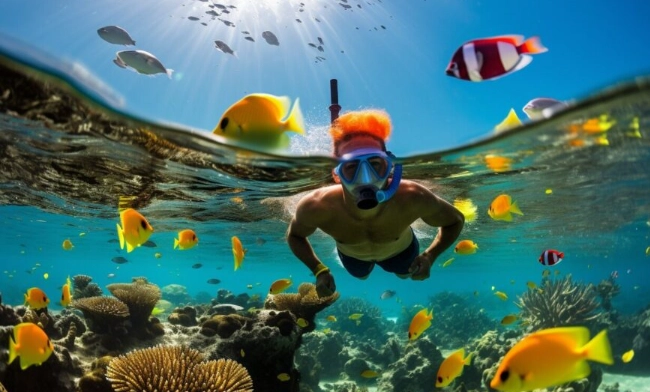
Over the years, and after more foggy masks than I care to admit, I've collected, tested, and refined a whole arsenal of clear snorkel mask tips and tricks. This isn't just about one magic solution. It's a system—from what you do the night before your trip to what you do when you're actually in the water and the fog starts to creep in. We'll cover the science of why it happens (it's simpler than you think), the pre-dive rituals, the in-the-moment fixes, and the long-term care that keeps your mask crystal clear for years. Forget the gimmicks. Let's talk about what actually works.
Why Does Your Snorkel Mask Fog Up? (The Simple Science)
Before we jump into the fixes, understanding the "why" makes all the "how-tos" click into place. Fogging isn't a sign of a bad mask. It's basic physics. The inside lens of your mask is cool. Your face, and especially your breath and skin, are warm and humid. When that warm, moist air hits the cool glass, the water vapor in it condenses into tiny droplets on the surface. Those droplets scatter light, creating that annoying foggy film.
New masks have a factory-applied silicone coating that makes them fog-prone. That's the layer you need to deal with first. Once it's gone, maintaining a fog-free view is much easier. Some people think saliva is the ultimate answer. It can work in a pinch, but is it the best? We'll get to that.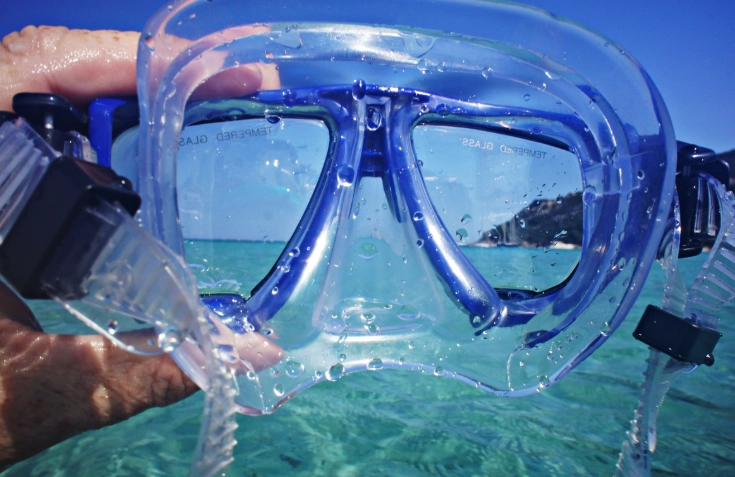
The Foundational Step: Prepping a New Mask (Non-Negotiable)
If your mask is straight out of the box, stop. Do not pass go, do not try to snorkel with it. That invisible silicone film is public enemy number one for clear vision. You must remove it. This is the single most important of all pre-dive clear snorkel mask tips and tricks.
Here’s the foolproof method I use every single time:
- Toothpaste Scrub: Get a small blob of plain, white toothpaste (not gel, not whitening, just basic paste). Smear it all over the inside of the dry lenses. Use your fingers to rub it in thoroughly, creating a mild abrasive paste. Scrub for a good 2-3 minutes, covering every square millimeter. The mild grit in the toothpaste is perfect for scouring off that silicone layer without scratching the tempered glass.
- Let it Sit: This part is often skipped. After scrubbing, don't rinse it off immediately. Let the toothpaste paste sit on the lens for another 5-10 minutes. I usually do this while packing other gear.
- Rinse & Repeat: Rinse the mask completely under warm water until all toothpaste is gone. Now, do the ultimate test. Breathe into the mask. If you still see faint fogging, repeat the toothpaste process one more time. For some stubborn masks, two rounds are needed.
- The Lighter Test (Optional but Telling): After the final rinse and dry, hold a lighter flame a few inches from the outside of the clean, dry lens for a second. If the silicone residue is truly gone, the soot from the flame will wipe off easily with a soft cloth. If it smears and sticks, there's still residue. Back to the toothpaste.
Once that factory film is gone, your mask is a blank canvas, ready to be treated properly for fog-free diving.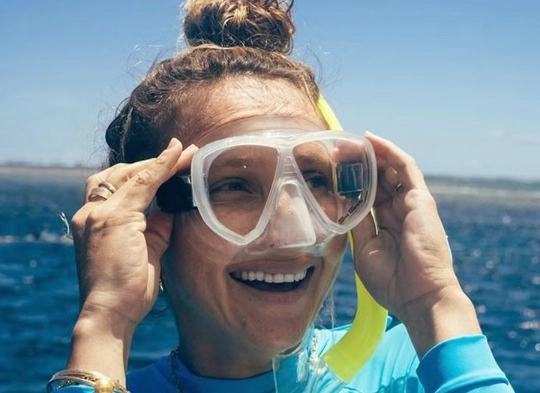
Your Arsenal of Anti-Fog Solutions: From DIY to Pro
Now for the main event. With a prepped mask, you have choices. Different situations call for different solutions. Here’s a breakdown of the most common methods, ranked by effectiveness and convenience in my experience.
| Method | How to Apply | Pros | Cons / My Take |
|---|---|---|---|
| Commercial Anti-Fog Gel/Spray (e.g., Sea Gold, McNett Sea Drops) | Apply 1-2 drops per lens, spread thinly with finger, rinse lightly with seawater just before diving. | Highly effective, long-lasting, formulated not to sting eyes. The most reliable option. | Costs money, another item to pack. Some cheaper brands can be gummy. Worth the investment for serious snorkelers. |
| Baby Shampoo (No-Tears Formula) | Mix a few drops with fresh water in a small spray bottle. Spray on lenses, spread, do a very light rinse. | Very effective, cheap, readily available worldwide, gentle on eyes. | Can leave a slight residue if not rinsed enough. The "go-to" backup for many divers. Honestly, it works nearly as well as pro gel. |
| Saliva (The Classic) | Spit on each lens, rub it all over with your finger, give it a quick dip/swish in the water. | Always available, free, works surprisingly well in a pinch. | Unhygienic if sharing gear, effectiveness is short-lived, can be gross. I use it only if I've forgotten everything else. It's a temporary fix. |
| Potato or Raw Potato Slice | Cut a raw potato and rub the wet, starchy side thoroughly over the dry lens. | A classic DIY trick. The starch leaves a thin, clear film. | Messy, requires a potato, effectiveness is mediocre and very short-term. I tried this once on a boat with no other options. It worked for about 10 minutes. Not my favorite. |
| Toothpaste (As a Treatment) | Apply a tiny dab, rub in, let dry, then buff off completely with a soft cloth. | Can provide a light, lasting anti-fog layer after the initial prep. | Must be buffed to absolute clarity. If you don't, you'll be looking through a haze. Risky if you're in a hurry. |
See? Options. You're not stuck with just one.
My personal routine? For a planned trip, I use a commercial anti-fog gel. I apply it at home, let it dry on the lens, and just give it that quick seawater dip right before I put it on. It lasts for hours. In my gear bag, I always have a tiny bottle of diluted baby shampoo as a backup. It has saved the day more than once when my primary gel ran out.
The Critical Rinse: Don't Skip This Step
Here's a mistake I see all the time. People apply anti-fog, then rinse it thoroughly under a freshwater tap on the boat. Wrong. Most anti-fogs (gels, shampoo) work by leaving a microscopic surfactant layer on the glass. Rinsing them too much washes that layer away.
In-Water Fog? Quick Fixes That Actually Work
So you prepped, you treated, but somehow, a bit of fog is forming in the corners. Don't panic and don't surface yet. Try these in-water clear snorkel mask tips and tricks first.
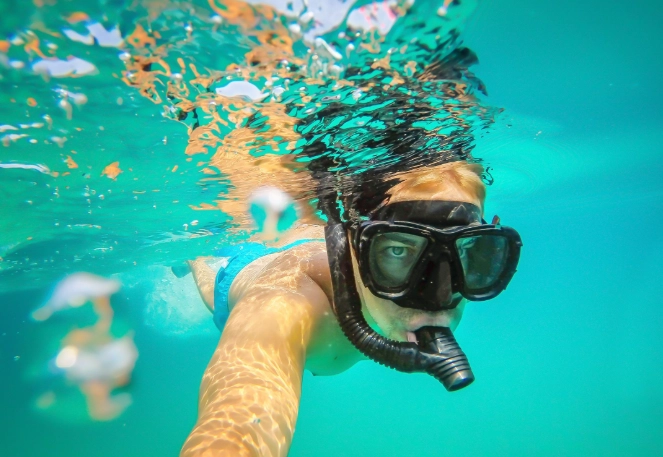
- The Controlled Flood: This is the most useful skill. Tilt your head back slightly, press the top of the mask frame against your forehead, and breathe out slowly through your nose. This will allow a small amount of water to seep into the bottom of the mask. Then, tilt your head forward and look down, letting the water wash over the inside of the lens. Press the top of the mask frame again to seal it and clear the water out through the bottom or by exhaling through your nose. The water will redistribute the anti-fog layer and clear the fog. Practice this in shallow water first!
- Nose Exhale: Sometimes, just a gentle, steady exhale through your nose can direct enough warm, moist air over the lens to temporarily clear a small patch of fog. It's not a permanent fix, but it can buy you a clearer view for a minute to spot something cool.
If you have to surface, a tiny drop of seawater rubbed on the inside lens with your finger can act as a temporary clearer, though it's less ideal.
Beyond Fog: Ensuring a Clear Seal and Spotless Lens
Fog isn't the only clarity killer. A leaking mask or scratched, dirty lenses are just as bad. Let's tackle those.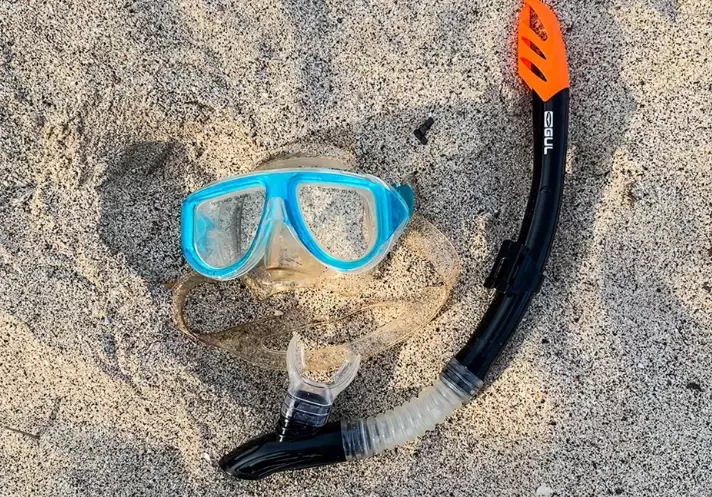
Getting the Perfect Seal (No More Leaks)
A mask that constantly floods is miserable. Often, it's not the mask's fault—it's the fit or hair.
- Fit Test (Do this dry, in the shop): Place the mask on your face without putting the strap over your head. Inhale gently through your nose. The mask should suction to your face and stay put without you holding it when you stop inhaling. If it falls, try a different model or size. Faces are different; my perfect mask might leak on you.
- Strap Position: The strap should sit high on the back of your head, not around the base of your skull. This pulls the mask into your face at the correct angle.
- The Hair Culprit: This is the #1 cause of leaks for people with longer hair. Even a single strand under the skirt breaks the seal. Before putting the mask on, slick all hair away from your forehead and temples. I'm serious—get it all. Run your fingers around the skirt after it's on to check.
- Sunscreen & Oil: Sunscreen, moisturizer, and oil on your skin can prevent the silicone skirt from sealing properly. Wipe your forehead and the area around your eyes with a towel before donning your mask.
Cleaning & Storage: The Long-Term Game
How you treat your mask after the dive dictates its performance next time. Good clear snorkel mask tips and tricks include aftercare.
- Post-Dive Rinse: Always, always rinse your mask thoroughly in fresh water after use. Salt crystals, sand, and sunscreen residue are abrasive and can degrade the silicone and attract grime.
- Drying: Let it air dry completely, out of direct sunlight. UV rays are the enemy of silicone, making it brittle and cracked over time. Don't store it wet in a sealed bag—that's a recipe for mold.
- Storage: Keep it in a protective case or a soft cloth bag. Don't just throw it in a gear bag where the lenses can get scratched by other items. I keep mine in the original box it came in.
- Deep Clean (Occasionally): Every few months, or if it starts to look dingy, give it a soak in a mild solution of warm water and a few drops of mild dish soap. Rinse thoroughly. This removes oils and built-up residues that can affect clarity and seal.
Answering Your Top Snorkel Mask Clarity Questions
Wrapping It All Up: Your Crystal-Clear Action Plan
It looks like a lot, but once you have a system, it takes seconds. Here’s your quick-reference cheat sheet, combining all these clear snorkel mask tips and tricks:
Before Every Snorkel: Apply your chosen anti-fog (gel, baby shampoo). Spread thin. Give it a very light rinse with water (seawater is fine).
When Putting It On: Ensure all hair is out of the skirt. Strap goes high on the head.
If It Fogs In-Water: Stay calm. Use the controlled flood technique to clear it.
After the Snorkel: Rinse thoroughly with fresh water. Dry in shade. Store in a safe place.
The bottom line? A foggy mask is a solvable problem. It doesn't require expensive gadgets, just a bit of knowledge and the right routine. By mastering these clear snorkel mask tips and tricks, you're not just fixing a piece of gear—you're unlocking the full, vibrant, breathtaking beauty of the underwater world. No more guessing what you're missing. Every dive, every snorkel, becomes that much more vivid. Now go get your face wet and see everything clearly.
Reader Comments