You booked the all-inclusive resort for the crystal-clear water and vibrant reefs right off the beach. The brochure promised free snorkeling gear. Sounds perfect, right? Here's the reality most blogs won't tell you: the quality of that "free" gear is the single biggest variable between a magical underwater experience and a frustrating one. I've spent over a decade hopping between resorts from Mexico to the Maldives, and I've learned the hard way what to trust and what to pack myself.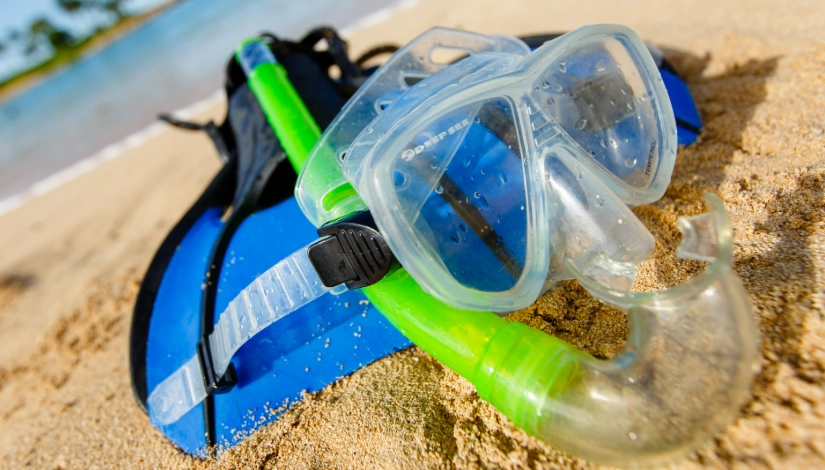
Let's cut through the marketing. This isn't about discouraging you from using resort gear. It's about making an informed choice so you can maximize your time in the water, not fiddling with a leaky mask.
What You’ll Find in This Guide
What the "Free Snorkel Gear" Actually Looks Like
Resort gear falls into a broad spectrum, loosely tied to the resort's star rating and location. Don't assume a 5-star price tag means 5-star equipment.
Here’s a breakdown of what you can typically expect, categorized by resort tier. This is based on my personal observations across dozens of properties.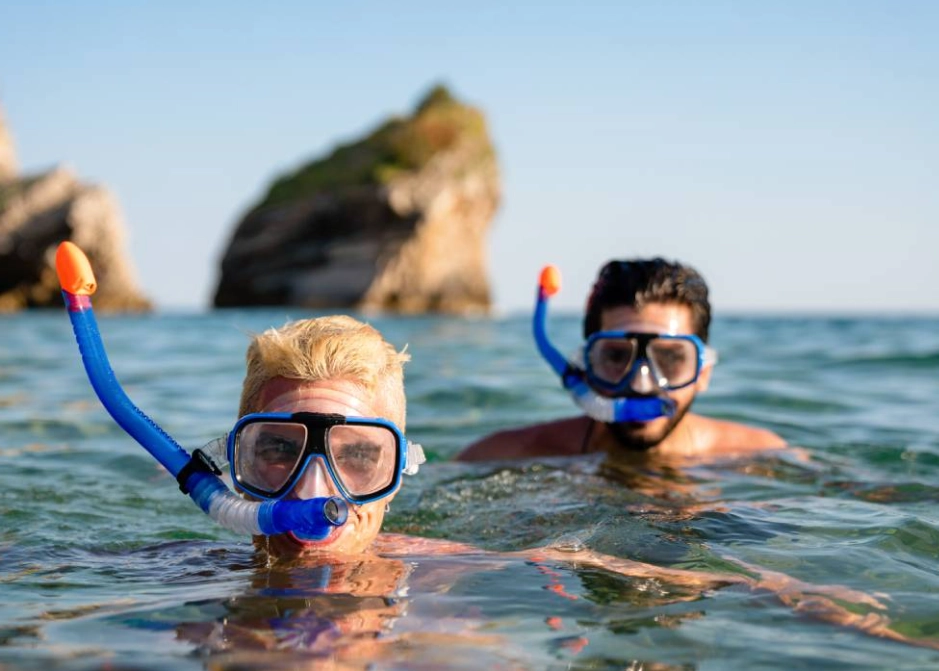
| Gear Item | Budget/Mid-Tier Resorts | Premium/Luxury Resorts | The Common Flaw |
|---|---|---|---|
| Mask | Basic, single-lens, often scratched. Silicone skirt is stiff from overuse and UV exposure. One-size-fits-all (which fits few). | Better quality silicone, sometimes with dual lenses. May offer a few size options (S/M/L). Still shows wear. | Leaking. The skirt loses its pliability, and the fit is generic. This is the #1 complaint. |
| Snorkel | Simple J-tube or very basic dry-top snorkel. Mouthpiece is hard plastic or low-grade silicone. | Semi-dry or dry-top snorkels are common. Mouthpiece is softer. May have a purge valve. | Hygiene & Comfort. Even when sanitized, the mouthpiece has been in countless mouths. Cheap ones can jaw fatigue. |
| Fins | Short, full-foot fins (like pool fins). Rubber is often cracked. Sizing is limited (S-XL). | Longer, open-heel fins with adjustable straps are more likely. Better materials, more size gradation. | Blisters & Fit. Full-foot fins in the wrong size cause instant blisters. Straps can be brittle. |
| Vest/Life Jacket | Mandatory at most resorts. Often bulky, non-adjustable horse-collar styles. | More likely to be adjustable, lower-profile snorkel vests you can partially inflate. | Bulkiness. Can restrict movement and feel awkward, but they are a non-negotiable safety rule. |
I remember a week at a well-known resort in Punta Cana. The mask leaked so persistently I spent more time clearing water than watching fish. The fins were so stiff they gave me calf cramps after 20 minutes. That was the trip that convinced me to never fully rely on resort gear again.
The One Thing Resorts Get Right (And You Should Use)
The flotation device. Love them or hate them, these are non-negotiable for insurance and liability reasons. Even strong swimmers must use them. Don't fight it. A good resort will have staff checking. Instead of seeing it as a hindrance, use it to your advantage. You can relax and float effortlessly for hours, conserving energy. It's a safety net that lets you focus on the scenery, not treading water.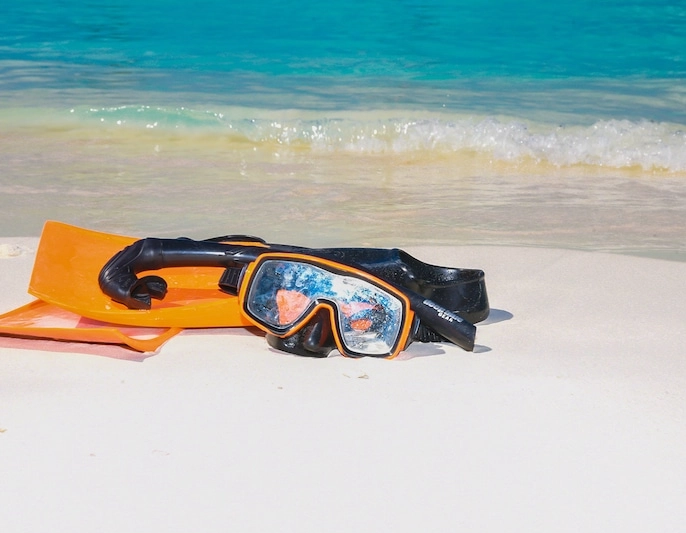
The Smart Traveler's Pack vs. Don't Pack Strategy
Packing your entire dive bag defeats the purpose of an all-inclusive. The goal is strategic minimalism. You bring the items that make the biggest difference in comfort and hygiene, and you rely on the resort for the bulky, "good enough" items.
Must Pack: Your Personal Core Kit
1. Your Own Mask. This is non-negotiable for me. A mask that fits your face perfectly is the foundation of the entire experience. It won't fog as easily (especially if you pre-treat it), and it won't leak. Look for a low-volume, dual-lens mask with a soft silicone skirt. Go to a dive shop and try them on—without the strap, inhale gently through your nose; the one that stays on your face with no air leaking in is your goldilocks mask. Pack it in its protective box.
2. Your Own Snorkel. Primarily for hygiene. A simple, flexible silicone snorkel with a comfortable mouthpiece takes up negligible space. If you want to splurge, get a dry snorkel with a splash guard—it makes a difference when small waves roll over. This is a $30 item that guarantees no one else's germs have been on it.
3. Rash Guard or Swim Shirt. This isn't just gear; it's your primary defense against sunburn. Applying sunscreen repeatedly over saltwater is a hassle, and it's terrible for coral reefs. Chemical sunscreens are banned in many destinations like Hawaii, Key West, and parts of Mexico. A UPF 50+ rash guard is sustainable, effective, and also protects against minor scrapes and jellyfish. Pack two.
Leave at Home: The Resort-Can-Handle-It Items
Fins. Unless you have unusually sized feet or require specific finning power, resort fins are usually adequate for casual snorkeling. They are the bulkiest item. Save the space.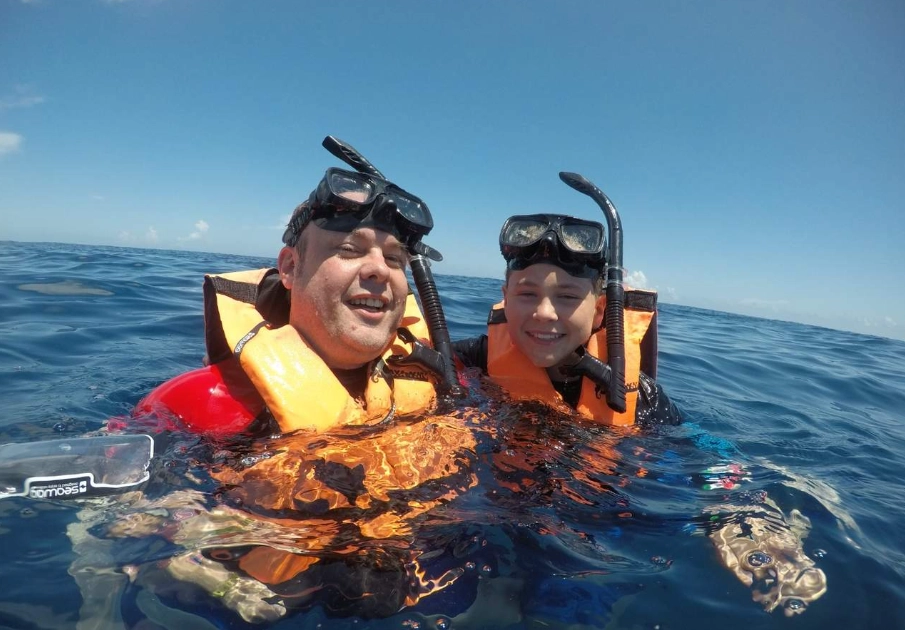
Snorkel Vest. You have to use theirs anyway. Don't bother.
Weight Belts or Complex Gear. You're snorkeling, not doing a tech dive. Keep it simple.
The "Nice to Have" Optional Extras
Anti-Fog Spray or Gel. Even with your own mask, a drop of baby shampoo in fresh water works miracles.
Neoprene Socks. If you're using resort full-foot fins, thin neoprene socks prevent blisters dramatically.
Waterproof Phone Case or Compact Camera. For those unforgettable shots.
A Mesh Gear Bag. To carry your personal kit and the resort fins/mask to the beach. It drains sand and water.
Making It Work: Pro Tips & Your Pre-Trip Checklist
Knowing what to pack is half the battle. Knowing how to use the system is the other half.
Inspect Before You Accept. When you get gear from the resort shack, don't just walk away. Hold the mask up to the light and look for scratches inside the lens. Check the snorkel mouthpiece for cracks. Bend the fin straps to see if they're brittle. Politely ask for a swap if something looks overly worn.
Ask About Gear for Excursions. If you book a boat snorkel trip through the resort, ask if they provide gear on the boat or if you need to bring what you got from the beach shack. It's often separate.
Rinse Everything, Always. Rinse your personal gear AND the resort gear with fresh water after every use. Salt and sand destroy equipment. It also shows respect for the next user.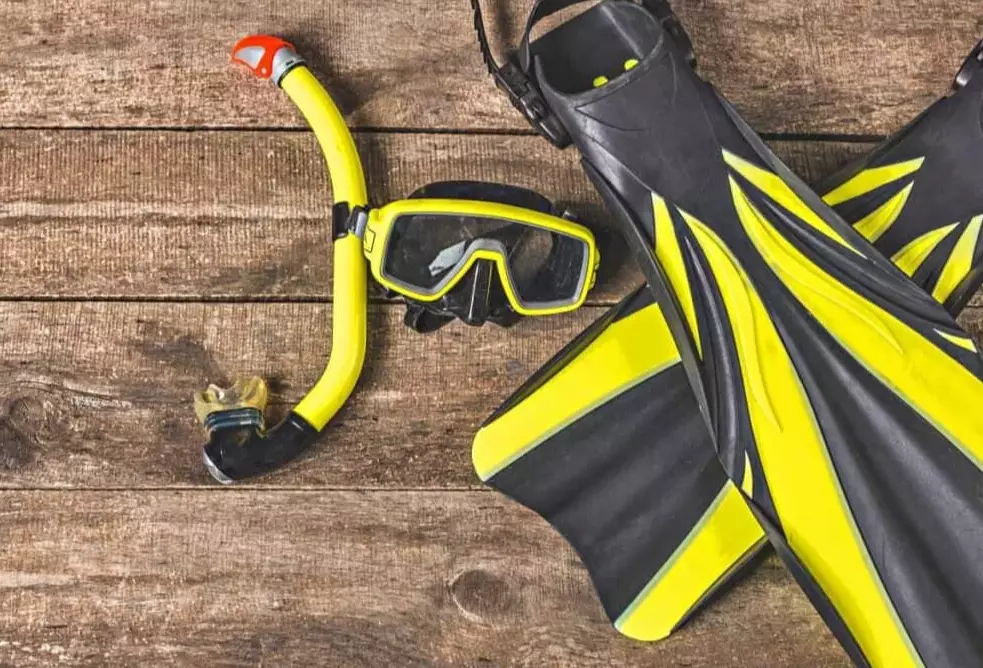
Your 1-Week Pre-Travel Snorkel Gear Checklist
□ Personal mask (in its box)
□ Personal snorkel
□ Rash guard / swim shirt (x2)
□ Swimsuits & cover-up
□ Biodegradable sunscreen (for face/hands)
□ Anti-fog solution
□ Neoprene socks (optional)
□ Mesh gear bag (optional)
□ Waterproof camera/phone case
□ Confirm resort's snorkel vest policy (it's mandatory)
□ Confirm reef-safe sunscreen regulations for your destination (e.g., Hawaii's Department of Land and Natural Resources has clear guidelines)
The bottom line is this: you're investing in a vacation for relaxation and wonder. Don't let subpar gear be the thing that undermines it. A small upfront investment in your own mask and snorkel pays dividends in comfort, hygiene, and pure enjoyment. You'll see more fish, spend less time troubleshooting, and create better memories.
Trust me, the first time you effortlessly descend to follow a turtle because your mask isn't flooding, you'll thank yourself.
Questions You Might Still Have
Is the free snorkeling gear at all-inclusive resorts safe and hygienic to use?
What is the one piece of snorkel gear most people regret not bringing to a resort?
 Can I use my own full-face snorkel mask at an all-inclusive resort?
How do I pack snorkel gear without taking up my entire suitcase?
Reader Comments