You've seen the ads. People gliding effortlessly through crystal water, breathing normally as if they're walking on land. The promise of the full face snorkel mask is seductive: no mouthpiece biting your gums, a panoramic view, and supposedly, easier breathing. But are full face snorkel masks actually better than the traditional separate mask and snorkel setup? The short answer is: it depends entirely on you, your snorkeling style, and a few critical safety factors most reviews gloss over. After testing both types in everything from calm Caribbean bays to choppy Mediterranean waters, I'll give you the unvarnished truth.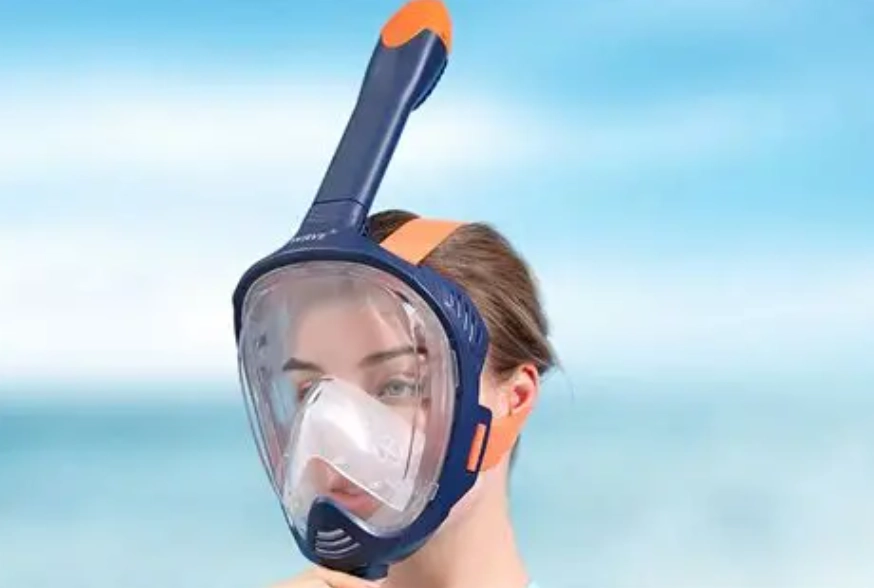
What You'll Find in This Guide
What Exactly Is a Full Face Snorkel Mask?
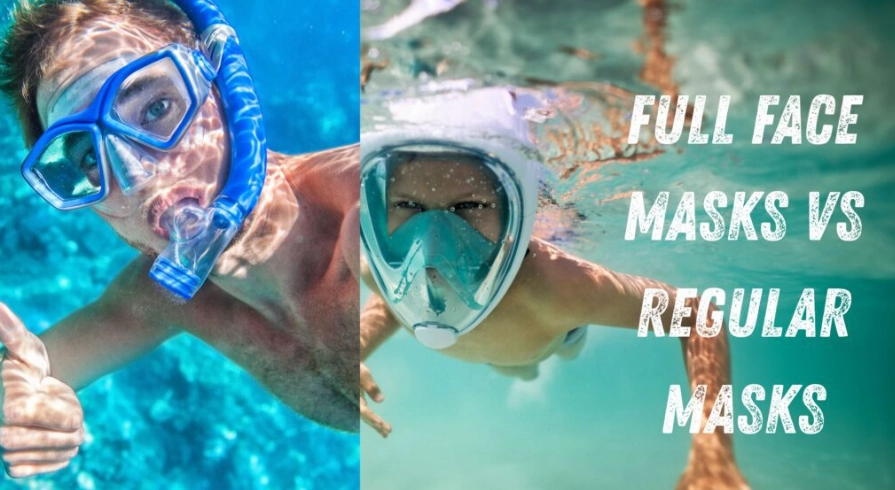
Let's be clear about what we're talking about. A full face snorkel mask is a single unit that covers your entire face—eyes, nose, and mouth. The snorkel tube is attached at the top, often with a dry-top mechanism to prevent water entry. You breathe in and out through your nose and mouth naturally inside the sealed chamber. The design aims to eliminate the jaw fatigue from biting a mouthpiece and reduce fogging by separating the breathing chamber from the viewing lens.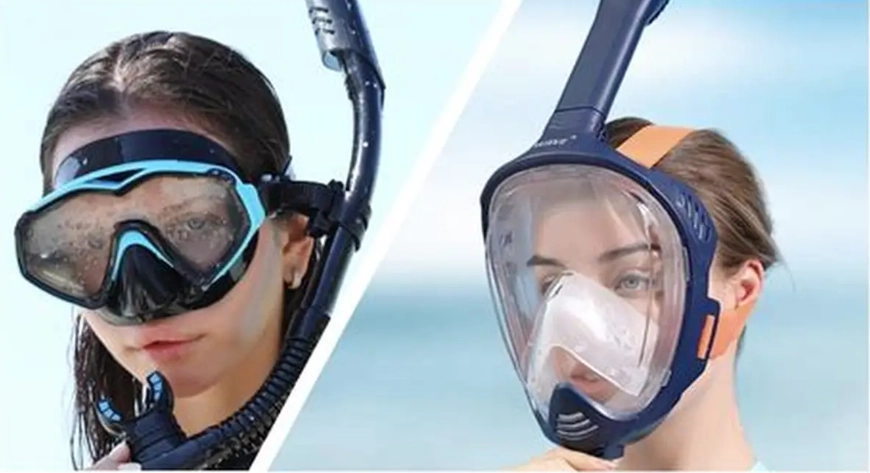
The Honest Pros and Cons Breakdown
Forget the marketing fluff. Here’s what you actually gain and lose with a full face design, based on side-by-side use.
r>Field of ViewExcellent panoramic view. It feels more immersive, like you're not wearing a mask.Good, but limited by the frame. Peripheral vision is slightly obstructed.| Feature | Full Face Mask | Traditional Mask & Snorkel |
|---|---|---|
| Comfort & Learning Curve | Major Pro. For beginners or those who gag on mouthpieces, this is the biggest win. You can talk, smile, and breathe normally. No jaw pain. | Requires practice to breathe calmly through the mouth. Can cause jaw fatigue on long sessions. Some never get used to the mouthpiece. |
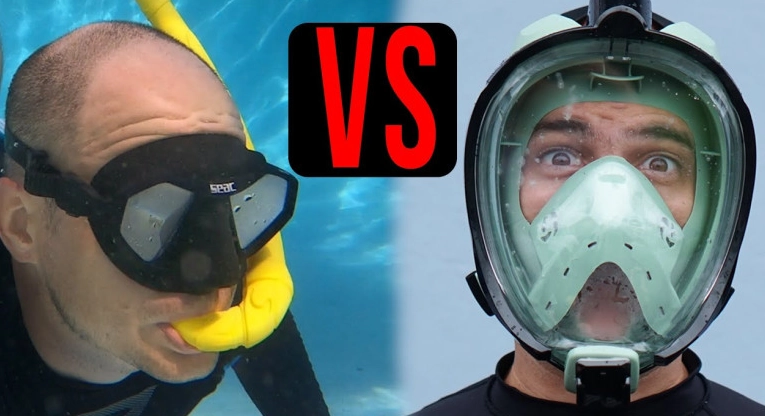
| Fogging | Theory: Shouldn't fog because exhaled air goes out the top. Reality: Can still fog if not perfectly dry inside or if you have a leak. Harder to clear without removing the whole mask. |
Will fog if not treated with anti-fog or saliva. Easy to clear by letting a little water in and flushing. |
| Breathing Resistance | Can feel easier at first. But on a hot day or during exertion, the air inside can get warm and humid. Some report a slight "stuffiness." | Direct, low-resistance airflow. You get fresh air with each breath. Less feeling of re-breathing air. |
| Diving & Freediving | Major Con. You cannot equalize your ears by pinching your nose. This makes diving below 3-4 feet painful and dangerous. Most manuals forbid it. | The clear winner. Easy equalization by pinching the nose through the mask skirt. Essential for duck dives to see deeper reefs. |
| Potential for Leaks | More sealing surface around the entire face. A single hair or improper fit can cause a big leak, which is harder to ignore. | Smaller skirt to seal. Leaks are usually minor and easier to manage with a quick mask clear. |
I remember my first time with a full face mask in Hawaii. The ease was incredible for the first 20 minutes—just floating and looking. But then I saw a turtle swimming down. Instinctively, I tried to dive. That's when I hit the wall. Fumbling to pinch a nose that was covered by hard plastic, I realized a fundamental limitation. If your goal is surface-only touring, fine. If you want to interact with the underwater world, it's a deal-breaker.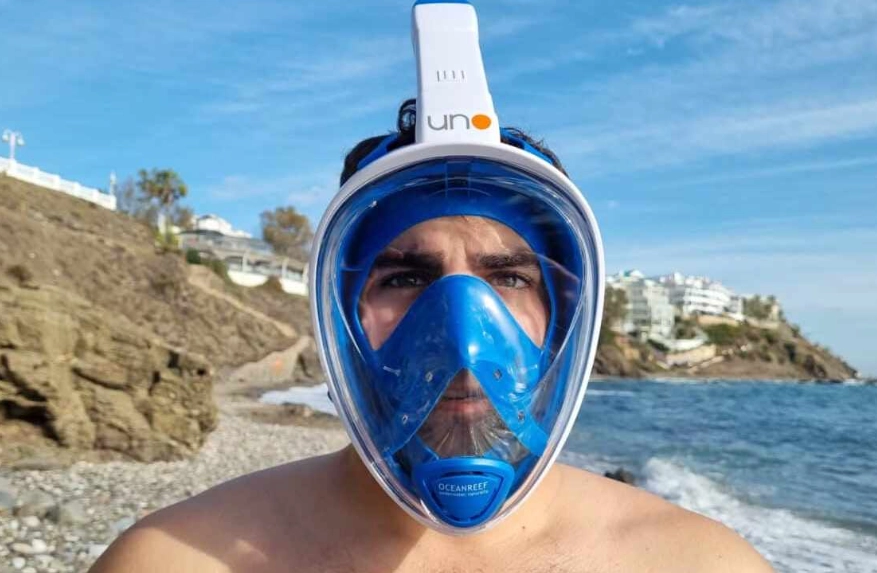
The Big Safety Debate: CO2 and Drowning Risks
This is the elephant in the room and where most generic reviews fail. There have been concerning reports, including investigations by authorities like the U.S. Consumer Product Safety Commission (CPSC), linking some full face mask designs to incidents of dizziness, loss of consciousness, and even drowning.
What's the Theory?
The fear is carbon dioxide (CO2) buildup. In a poorly designed mask, the exhaled air (rich in CO2) might not be fully expelled from the breathing chamber before you take your next breath. You could start re-breathing your own exhaust, leading to hypercapnia—elevated CO2 in the blood. Symptoms include shortness of breath, confusion, headache, and in severe cases, blacking out. Underwater, that's catastrophic.
Is It a Real Danger with Modern Masks?
It's nuanced. Reputable brands now design with separate inhalation and exhalation channels and efficient one-way valves to minimize this risk. The problem? The market is flooded with cheap, uncertified knock-offs with questionable valve systems. A 2018 study published in the journal *Diving and Hyperbaric Medicine* found significant variations in CO2 levels between different full face mask models.
My advice: If you choose a full face mask, buy from a known brand (Tribord, Ocean Reef, Cressi) that explicitly details its CO2 safety features. Avoid no-name brands on discount marketplaces. Your safety isn't worth saving $30.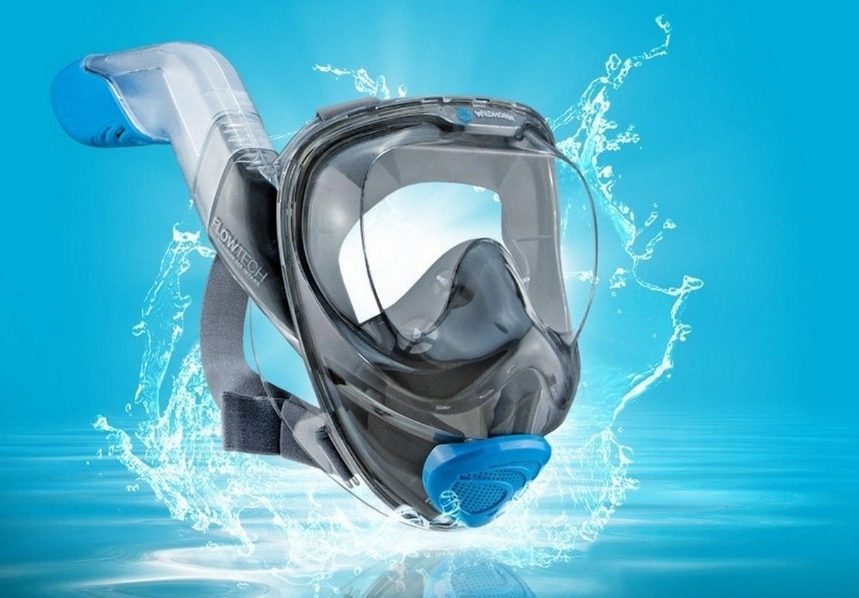
Who is a Full Face Mask Actually Good For?
Based on everything above, here’s the profile of the ideal user:
- The Absolute Beginner: Someone intimidated by the ocean or the technique of traditional snorkeling. It gets them in the water with less stress.
- The Surface-Only Sightseer: You're happy floating above a reef, watching fish from above. You have no desire to dive down.
- People with Strong Jaw or Dental Issues: For whom a mouthpiece is genuinely painful or impossible.
- Very Casual, Calm-Water Snorkelers: Think resort lagoons, protected bays, or lakes on a still day.
Who Should Stick to a Traditional Mask?
If any of these sound like you, the traditional setup is your reliable friend.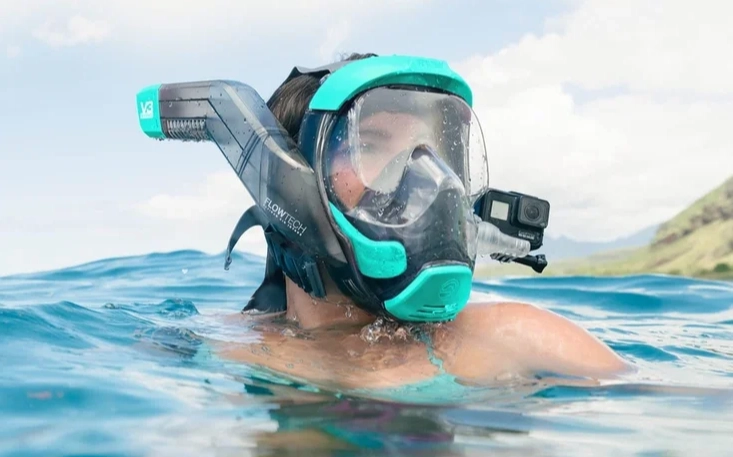
- Anyone Who Wants to Dive: Even just a few feet to get a closer look. Equalizing is non-negotiable.
- Active Snorkelers & Strong Swimmers: If you cover distance, swim in currents, or your heart rate goes up, the simpler airflow of a traditional snorkel is safer.
- Those Snorkeling in Choppy Water: Waves increase the chance of a full face mask flooding, which is a much bigger hassle to clear.
- People Who Wear Glasses: While some full face masks offer optical lens inserts, the fitting is more complex and expensive. With a traditional mask, prescription lens bonding is a mature, affordable service.
- Budget-Conscious Buyers: A high-quality traditional mask and dry snorkel set is often cheaper and will last for years and countless adventures.
How to Choose the Right Mask for You
Don't just buy the prettiest one. Follow this decision tree.
First, ask yourself: "Will I be content staying on the surface, or is diving down part of the fun for me?" If the answer is "diving," traditional wins instantly.
If you're leaning full face:
- Prioritize Safety Design: Look for explicit mentions of "360° airflow," "separate breathing chambers," or "anti-CO2 system." Check for relevant safety standards.
- Fit is King (More Than Ever): Place the mask on your face without the strap. Inhale gently through your nose. It should suction and stay on your face with no air leaks, especially across the forehead and cheeks. Move your jaw like you're talking. It should stay sealed.
- Check the Valves: Look at the exhalation valve inside. It should open and close easily. Feel the silicone skirt—it should be soft and pliable.
If you're going traditional:
- Mask Fit First: Use the same suction test. The skirt should seal evenly. No pressure points on the bridge of your nose.
- Get a Dry Snorkel: This is non-negotiable for comfort. A splash guard or dry-top valve prevents water from pouring in when you're on the surface.
- Consider a Purge Valve: A small one-way valve at the bottom of the snorkel makes clearing water out much easier.
Your Top Snorkel Mask Questions Answered
 Are full face masks harder to keep from fogging?
So, are full face snorkel masks better? They're better at specific things: initial comfort and ease for pure surface observation in ideal conditions. But "better" in a general sense? No. The traditional mask and snorkel combo remains the more versatile, safer-for-active-use, and skill-respecting tool. It's the difference between a comfortable observation pod and a key to the whole underwater realm. Your choice depends on which of those you're really after.
Reader Comments