Let's be honest. The single biggest annoyance in snorkeling isn't the cold water or the foggy mask—it's that sudden, salty gulp of seawater that shoots down your throat when a wave rolls over you. You're floating peacefully, watching fish, and then glug. It ruins the moment. For decades, we just accepted it as part of the deal. Then came snorkel dry top technology, promising an end to that misery. But does it work? Is it worth it? And why do some snorkelers swear by it while others have a dusty one in their garage? I've tested over a dozen models in conditions from calm Caribbean bays to choppy Mediterranean coasts. Here’s the unfiltered, expert breakdown you won't find in a marketing brochure.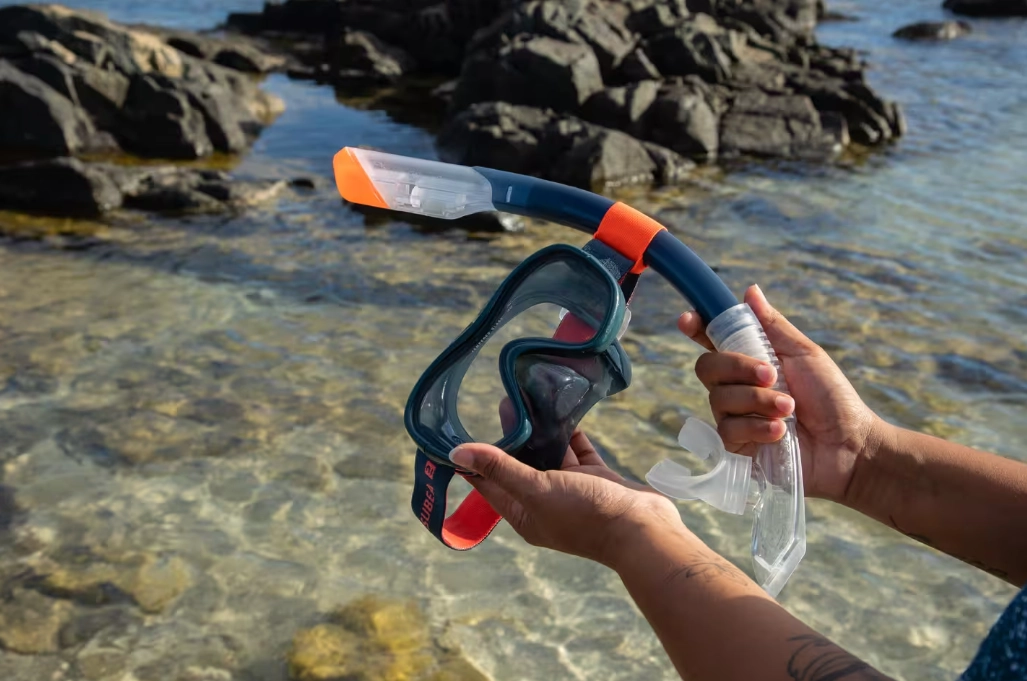
What You'll Learn in This Guide
How Dry Top Snorkel Technology Actually Works
Forget the complex jargon. The principle is beautifully simple: keep water out of the tube so you never have to clear it. A traditional J-snorkel is just an open tube. A dry top snorkel adds a smart, sealed chamber at the top with two key components working together.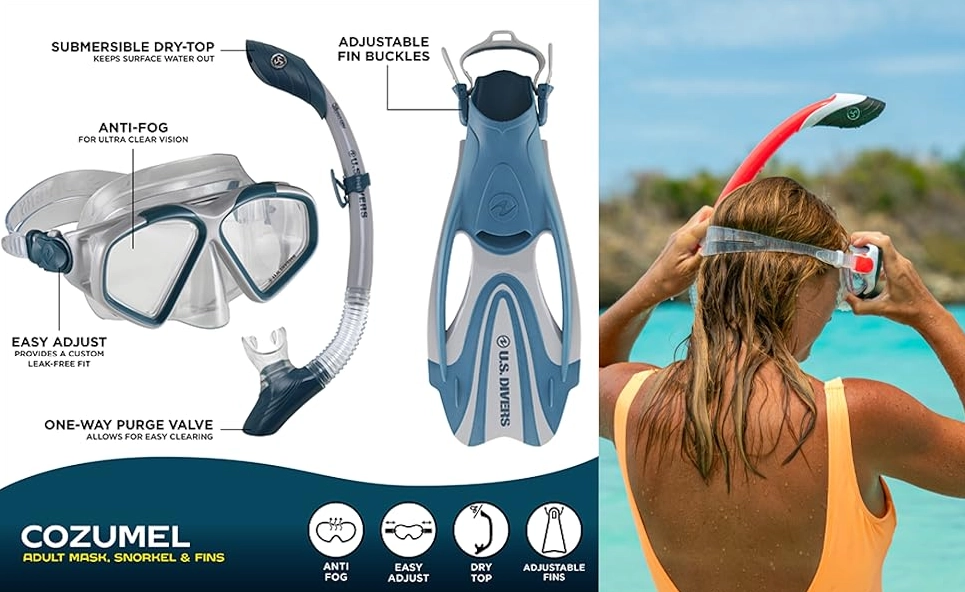
The Float Valve: The Heart of the System
Inside the top chamber, there's a small buoyant float. When the snorkel is above water, the float sits down, keeping the valve at the bottom of the chamber open. Air flows freely. The moment the top goes underwater—whether from a dive or a wave—the float rises and plugs that valve shut. It's a physical barrier. Water can't get into the main tube from the top.
Here's the nuance most reviews miss: the sensitivity of this float matters. A super-sensitive float might seal prematurely if you just tilt your head back quickly, causing a momentary suction sensation. A heavier float might be slower to react. Good designs find a middle ground.
The Splash Guard: The First Line of Defense
Beneath the float chamber, there's usually a flexible silicone diaphragm or a one-way valve system. This is the splash guard. Its job is to deflect minor splashes and spray that come from the side or from waves breaking near you. Water that gets past this guard collects in a lower chamber (often around the purge valve) where it can be easily blown out.
Think of it as a two-stage defense: the splash guard handles the light rain, and the float valve slams the door shut during a storm.
How to Choose the Best Dry Snorkel for You
Not all dry tops are created equal. Walking into a dive shop can be overwhelming. Your choice should hinge on your primary snorkeling style.
| Model Type | Best For | Key Feature | Price Range | Consideration |
|---|---|---|---|---|
| Basic Dry Top (e.g., generic brands) | Calm, protected waters; occasional snorkelers. | Simple float valve, basic purge. | $20 - $35 | Prone to jamming if not cleaned well. A good "try-it" option. |
| Advanced Dry Top (e.g., Cressi Supernova, Aqua Lung Impulse 3) | Active snorkelers, mild currents, boat trips. | Optimized float sensitivity, efficient purge, streamlined shape. | $35 - $60 | Better materials, more reliable sealing. The sweet spot for most enthusiasts. |
| Flex / Semi-Dry Hybrid (e.g., many sub-$30 models) | Those who dive down frequently. | Flexible tube, dry top with a less sensitive seal. | $25 - $40 | The "dry" feature is secondary; it's more about comfort and splash protection. |
My personal workhorse for the last four years has been the Cressi Supernova Dry. Why? The purge valve is massive and clears water with the tiniest exhale. The float mechanism has never stuck on me, even after rough use in Hawaii. It's not the cheapest, but reliability is worth every penny when you're 100 meters from shore.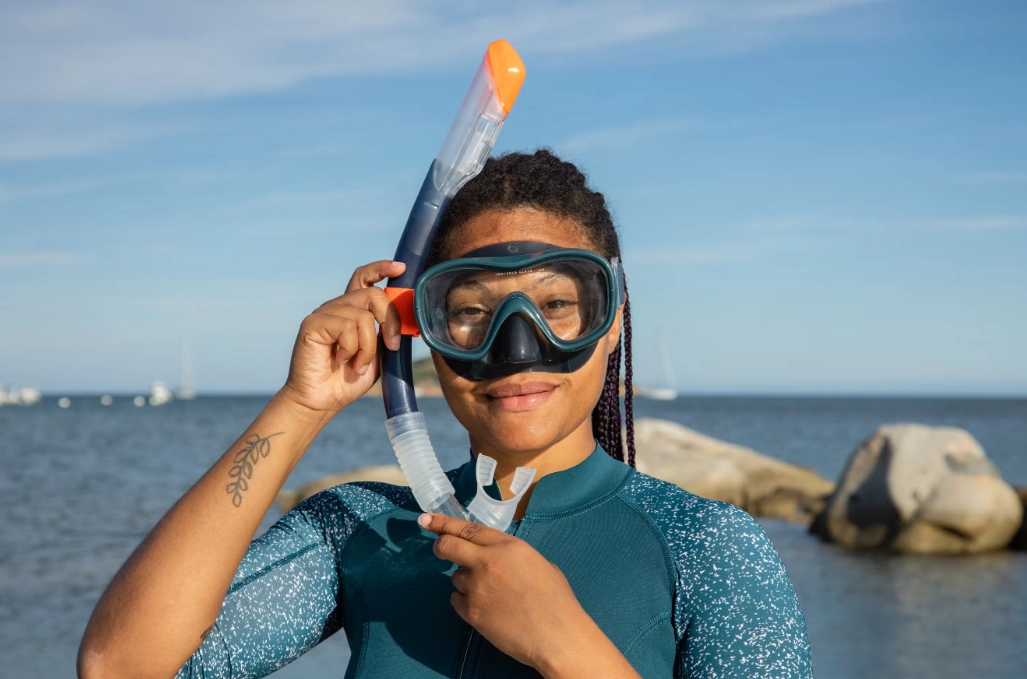
Here’s what you should physically check before buying, even online:
- Purge Valve Size: Look at the bottom of the J-bend. A bigger, flapper-style silicone valve clears water easier than a tiny pinhole valve.
- Tube Diameter: A wider tube (like ~¾ inch) offers less breathing resistance than a narrow one. This matters more than you think on long snorkels.
- Mask Clip: Is it a simple, rigid plastic clip or a flexible silicone strap? Silicone straps are gentler on your mask strap and adjust easier.
How to Use a Dry Top Snorkel Correctly (Most People Don't)
This is where the magic happens or fails. Using a dry top snorkel isn't just "put it in your mouth and go." There's a technique.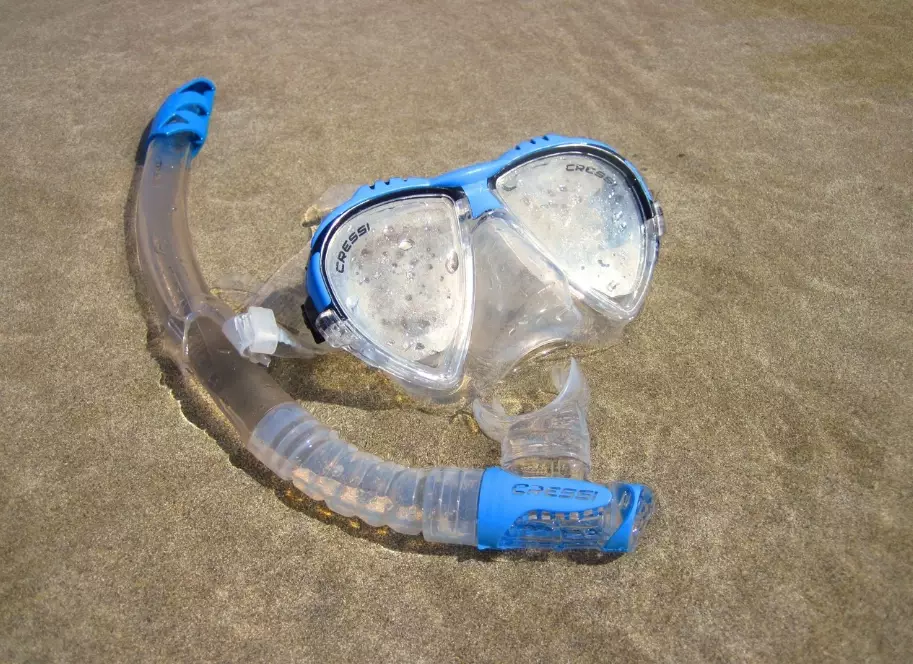
Step 1: The Pre-Snorkel Check. Before you even get in the water, put the snorkel in your mouth, cover the top with your palm, and try to inhale. You should feel a strong seal—no air should get in. Now blow out hard through the snorkel. You should hear the purge valve at the bottom open with a *flub* sound. Do this every time. It takes five seconds and confirms your gear is working.
Step 2: Entering the Water. Do NOT jump in feet-first with the snorkel in your mouth if the top is above water. The impact can force the float up prematurely, creating a vacuum. Either enter gently, or put the snorkel in after you're floating.
Step 3: The First Breath. Once you're floating face-down, take your first breath gently and slowly. Don't gasp. If a little water is in the tube (from entry), a gentle exhale will send it out the purge valve. You shouldn't need a powerful blast.
Step 4: When a Wave Hits. Even with a dry top, in rough conditions, some spray might get in. You'll feel a slight gurgle. Don't panic. Just exhale steadily and firmly—not explosively—through your nose and mouth. The purge valve will do its job. This rhythmic breathing is the key to zen-like snorkeling.
Step 5: Maintenance is Non-Negotiable. Rinse it thoroughly with fresh water after every single use, especially the dry top chamber. Shake out the water and let it air dry completely, top-open, before storing. I once left a damp one in my gear bag for a week. The mildew that grew in the float chamber made it unusable. A lesson learned.
The Real Pros and Cons: Is a Dry Top Right For You?
Let's cut through the hype.
The Undeniable Pros:
- Complete Peace of Mind: On the surface in calm to moderately choppy water, it works incredibly well. You can focus on the fish, not your breathing.
- Great for Beginners: It removes the most frustrating part of learning—inhaling water. This alone can make someone's first snorkel enjoyable instead of scary.
- Less Fatigue: You're not constantly clearing the tube, so you conserve energy and air.
The Often-Overlooked Cons:
- Not for Divers: If your snorkeling involves frequent dives down to follow a turtle or look at a coral head, it's a poor choice. The moment you go deeper than a foot or two, water pressure seals the valve. You'll surface with a tube full of water. For this style, a simple J-snorkel is superior.
- Can Feel "Stuffy": Some models, especially cheaper ones, have higher breathing resistance. It feels like breathing through a slightly pinched straw.
- Another Point of Failure: More moving parts mean more things that can theoretically fail, jam with sand, or get damaged. Simplicity has its virtues.
- Performance in Big Waves: In serious, rolling surf, the system can be overwhelmed. A powerful wave crashing directly on top can force water past the seal. It becomes a very good splash guard, not a perfect seal.
So, who is it for? The surface snorkeler. The person who spends 95% of their time floating, looking down, moving slowly. If that's you, a quality dry top snorkel is a transformative investment. If you're a duck-diver, save your money for a good mask and fins instead.
The Professional Association of Diving Instructors (PADI) includes dry snorkel use in their basic snorkeling programs, highlighting its benefit for beginner comfort and safety. It's a endorsed technology, but with the understood context of its limitations.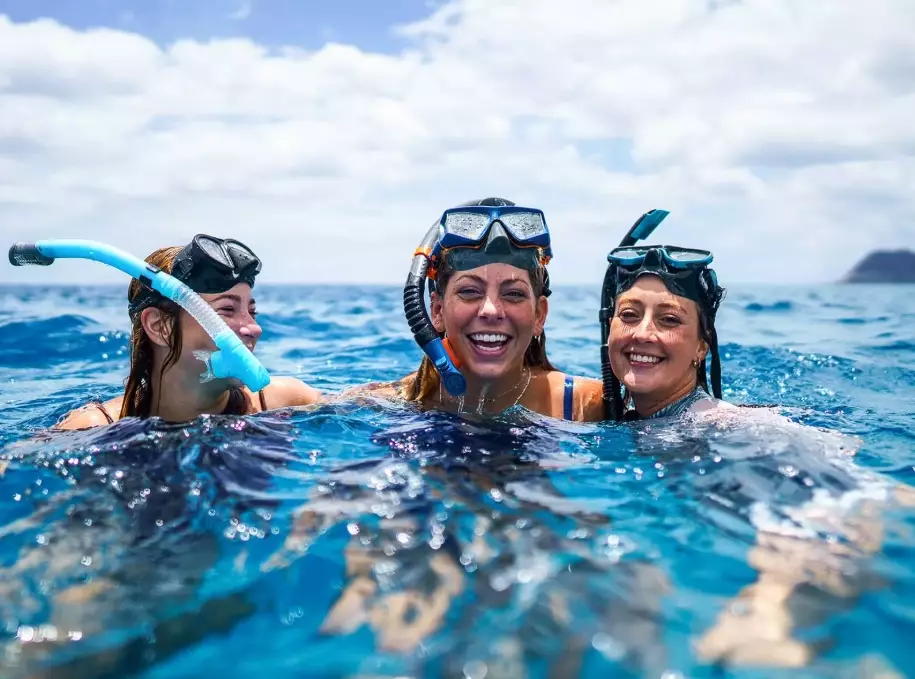
My final thought? I own both. A trusted dry top for lazy reef explorations and a simple, curved snorkel for more active days involving diving. For most people starting out or sticking to the surface, the dry top's benefit—a truly dry, worry-free breath—is absolutely worth navigating its small quirks. Just buy a good one, learn how to use it, and maintain it. The ocean is much more beautiful when you're not choking on it.
Your Dry Top Snorkel Questions, Answered
Is a dry top snorkel suitable for freediving or deep dives?
How do I properly clean and maintain my dry top snorkel to prevent mold?
My dry top snorkel lets in water in choppy conditions. Is it broken?
Can I use a dry top snorkel with a full-face snorkel mask?
Reader Comments