In This Guide
- The Big Three: Morning, Midday, and Afternoon Compared
- Why Seasons Throw a Wrench in the Plan
- Location, Location, Location: Where You Snorkel Changes When You Should Go
- The Safety & Comfort Factors You Can't Ignore
- Your Practical Game Plan for the Perfect Snorkel Day
- Answering Your Burning Questions (FAQ)
- Final Thought: It's About Maximizing Your Chance of Magic
Let's be honest. You're planning a trip to Hawaii's Big Island, you've got your snorkel gear ready (or you're about to rent some), and you're staring at your itinerary wondering: when do I actually get in the water? Is there a magic hour? The short answer is yes, usually, but the real answer is a bit more interesting. It depends on what you're after, where you're going, and honestly, what time of year you're visiting.
I've spent a lot of time floating face-down around this island. I've had mornings so calm and clear it felt like swimming in an aquarium, and I've also shown up in the afternoon to find the water churned up like a washing machine. It's frustrating when it happens. So figuring out the best time of day to snorkel Big Island isn't just a travel tip—it can make or break your underwater experience.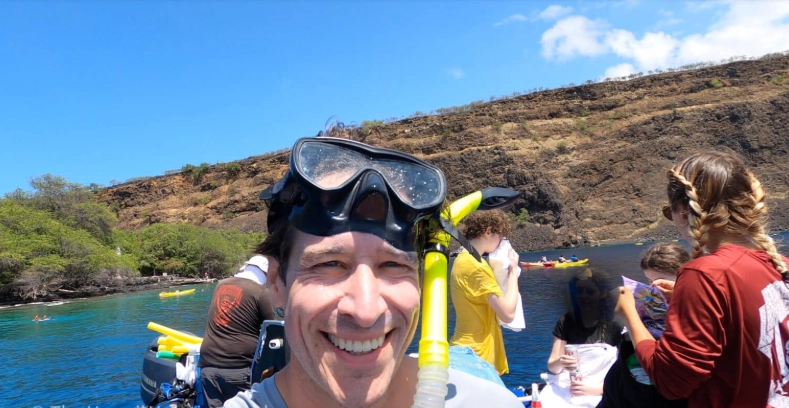
The Big Three: Morning, Midday, and Afternoon Compared
Most people frame the debate as morning versus afternoon. I think midday deserves its own category, because it's a distinct experience. Let's break down what you can typically expect during each window. This is the general pattern, and we'll get into the exceptions and location-specific details later.
| Time of Day | Water Clarity & Conditions | Marine Life Activity | Crowd Factor | Best For... |
|---|---|---|---|---|
| Early Morning (7 AM - 10 AM) | Often the calmest. Light offshore winds, minimal surface chop. Visibility is usually at its peak. Sun angle is lower, reducing glare and offering great light for photos. | Fish are active and feeding. Reef life is vibrant. You might spot more pelagic (open water) fish cruising near shore. | Lightest crowds. You'll often have popular spots nearly to yourself if you're an early bird. | Serious snorkelers, photographers, anyone seeking tranquility and the highest chance of optimal conditions. |
| Late Morning to Midday (10 AM - 1 PM) | Wind often starts to pick up (the trade winds fill in). Surface can get a bit choppy. Sun is high overhead, providing the brightest light penetrating the water, which can be stunning. | Still very active. The bright light makes colors pop brilliantly. | Peak crowds arrive. Tour boats, families, and first-timers all hit the water. | Those who don't mind company, want the warmest water and brightest light, and are snorkeling at more protected coves. |
| Afternoon (1 PM - 5 PM) | This is when wind and swell often peak. Sand gets stirred up near shore, reducing visibility. Water can be rougher, requiring more energy to swim. | Some fish become less active. However, this can be a good time to see turtles coming in to rest on the reef or beach. | Crowds start to thin out after 3 PM, but conditions are often deteriorating. | Late sleepers, turtle seekers (with caution), or snorkeling at exceptionally sheltered locations only. |
See the pattern? The classic advice to go early exists for a solid reason. Calm seas and clear water are almost synonymous with the early morning hours. It's the closest thing to a guaranteed good experience. If you're asking for the single best time of day to snorkel Big Island, I'd point to that 8 AM to 10 AM window without much hesitation.
Why Seasons Throw a Wrench in the Plan
If you're visiting in winter versus summer, the whole "best time" equation shifts. The Big Island's weather isn't static, and the ocean sure isn't.
Summer (May to October)
This is the drier, calmer season on the leeward (Kona) side, where most snorkeling happens. The trade winds are more consistent but often lighter. What does this mean? That afternoon wind pickup is less dramatic. You might find perfectly acceptable conditions well into the early afternoon at many spots. The water is also generally calmer. So while morning is still prime, you have a bigger window of opportunity. This is a great time for beginners to have more flexibility.
Winter (November to April)
Winter brings larger north swells to the islands. This primarily affects north and west-facing shores. A spot that's placid in August can have big, dangerous surf in January. The afternoon winds can also feel stronger. In winter, the morning advantage is even more critical. Not only are you chasing calm winds, but you're also trying to snorkel before any north swell that's forecasted builds during the day. Always, always check the National Weather Service Honolulu forecast for surf advisories. A spot like Hapuna Beach's reef is a summer-only proposition; in winter, it's a surfer's domain.
Location, Location, Location: Where You Snorkel Changes When You Should Go
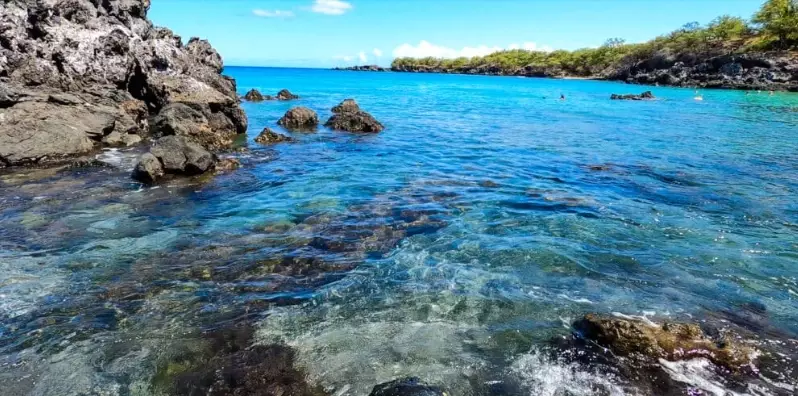
This is the part most generic guides miss. The Big Island isn't one big bathtub. A bay on the Kona coast behaves totally differently from a lagoon near Hilo. You have to pair your timing with your location.
Kahalu'u Beach Park: This is a super-protected, beginner-friendly cove. It's shielded by a large rock wall. Because of this, it handles afternoon winds better than almost anywhere. Morning is still calmer and clearer, but you can often have a perfectly good snorkel here at 2 PM when other spots are blown out. It will, however, be crowded with families.
Beaches like Mauna Kea Beach (Kauna'oa) or Hapuna: These are wide-open beaches. They are completely exposed to afternoon winds and swells. For these, you must go in the morning, preferably early morning, and only in the summer months when north swells are absent. Their visibility deteriorates rapidly as the wind picks up.
The Kohala Coast Hotel Lagoons (e.g., Waikoloa, Mauna Lani): These are man-made, protected lagoons. They are designed to be calm. The time of day matters less for safety and visibility here, though morning will still be quieter. They're a fantastic afternoon alternative if the open ocean is rough.
Hilo Side (East Side) Spots like Richardson Ocean Park: The wind pattern is often reversed here! The Hilo side gets afternoon *offshore* winds sometimes, which can actually calm the surface. Morning can be rainier on this side. The best time here might actually be a sunny afternoon after the morning rains clear. It's the exception that proves the rule—you must research your specific spot.
The Safety & Comfort Factors You Can't Ignore
Choosing the best time of day to snorkel Big Island isn't just about seeing fish. It's about staying safe and having fun, not struggling.
Wind and Current: As the day progresses, increased wind creates surface chop. This makes it harder to breathe through your snorkel (you swallow more water), requires more energy to swim, and can push you around. For beginners or weaker swimmers, this turns a fun activity into a stressful one. Morning calm is inherently safer.
Fatigue: Snorkeling is more tiring than people think. Starting early means you're fresh. Trying to fight afternoon waves when you're already tired from a day of hiking or touring is not ideal.
The state of Hawaii's Division of Boating and Ocean Recreation offers great general ocean safety resources that emphasize understanding conditions before you go—and timing is a major part of those conditions.
Your Practical Game Plan for the Perfect Snorkel Day
Okay, so how do you actually apply all this? Here's my step-by-step, no-nonsense approach.
- Check the Forecast the Night Before: Don't just look for sun icons. Look at the wind forecast. Websites like the NOAA National Data Buoy Center have data from buoys near the island (like Buoy 51202). Look for wind speed. Under 10 knots is ideal. Over 15 knots, especially in the afternoon forecast, means plan for a very early start.
- Check the Surf Report: Look at the swell direction and size for the coast you're targeting. A 2-foot north swell is fine for Kona in summer but could close out north-facing beaches in winter.
- Pick Your Spot Based on #1 and #2: If the forecast calls for strong afternoon trades, choose a protected cove like Kahalu'u for a later trip, or commit to an early dash to Two-Step.
- Pack the Night Before: Have your gear, towels, water shoes, reef-safe sunscreen, and a gallon of drinking water ready to go. Fumbling in the morning makes you late.
- Get There Early: Target being in the water within 30 minutes of sunrise for the most popular spots. For others, by 9 AM is a good goal. This is the single most effective tactic to find the best time of day to snorkel Big Island.
- Have a Backup Afternoon Plan: If you sleep in or conditions look poor, have a plan B. This could be a protected hotel lagoon, a snorkel boat tour (they often go to leeward spots less affected by wind), or a different activity altogether.
Answering Your Burning Questions (FAQ)
Final Thought: It's About Maximizing Your Chance of Magic
At the end of the day, the ocean does what it wants. I've seen glassy afternoons and windy mornings. But over hundreds of snorkels, the pattern is undeniable. If you want to stack the odds heavily in your favor for clear, calm, crowd-free water teeming with life, you get up early.
That feeling of slipping into a quiet, turquoise bay as the sun just starts to warm the air, with maybe one or two other people around, and seeing the reef come alive in the crystal-clear morning light... that's what you're optimizing for. That's the experience that makes you understand why people rave about Big Island snorkeling.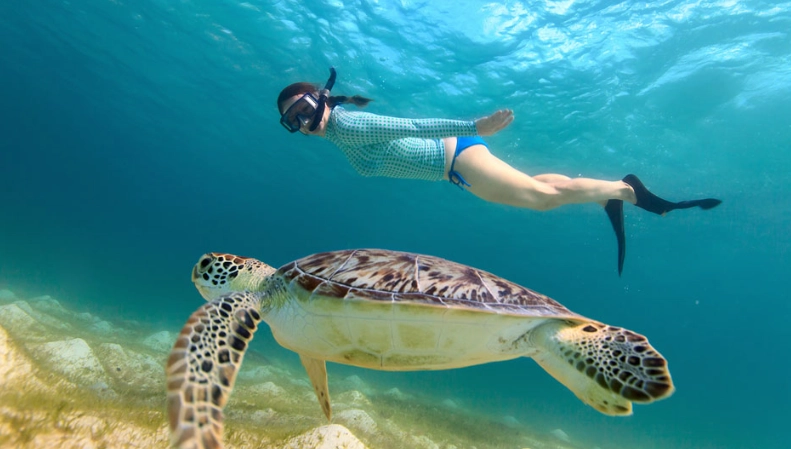
By understanding the interplay of time, season, and location, you're no longer just guessing. You're making an informed decision that will lead you to your own personal best time of day to snorkel Big Island. And trust me, when you're floating over a turtle in perfect visibility, you'll be glad you did the homework.
Reader Comments