Your Snorkeling Guide at a Glance
Let's get this out of the way right at the start. If you're reading this, you've probably seen those jaw-dropping pictures of the Maldives—crystal clear water, colorful fish dancing around coral, maybe a turtle gliding by. And you've thought, "That looks incredible. But me? I can't really swim." Then a wave of doubt hits. Is snorkeling in the Maldives for non-swimmers even a thing, or is it just for the fish-people and confident swimmers?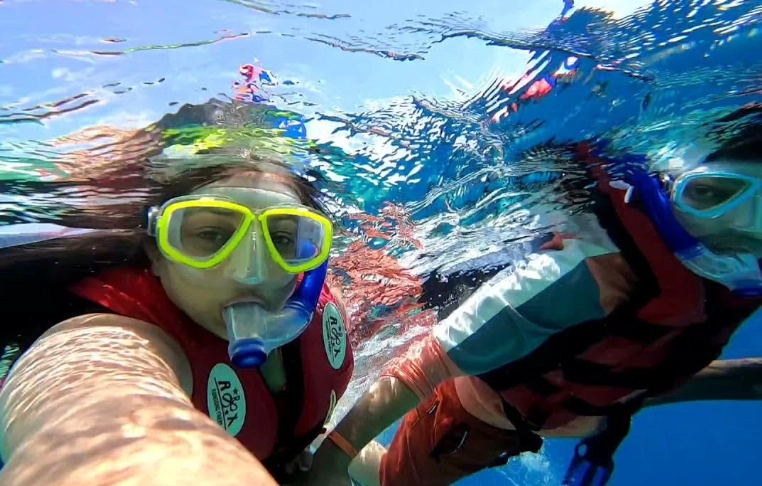
I'm here to tell you, with complete certainty, that it is not only a thing, it's one of the best places on the planet for someone who isn't a swimmer to experience the underwater world. Seriously. The natural geography of the Maldives, which is essentially a chain of coral atolls, creates these incredibly calm, shallow, and protected lagoons right off the beach of many resorts. It's like the ocean built its own beginner's pool.
I've worked in travel in this region for years, and I've seen firsthand the sheer joy on the face of someone who thought they'd never be able to do this. The key isn't being a strong swimmer; it's about preparation, the right location, and using the right gear. This guide is going to walk you through every single step, every worry, and every "what if" to turn that dream into a reality. We're going to talk about how to choose your resort, what gear is non-negotiable, how to practice, and what that first magical moment with a school of blue fusiliers will feel like.
Forget the anxiety. Let's talk about the adventure.
Busting the Biggest Myth: You Don't Need to Be a Swimmer to Snorkel
This is the mental block we need to dismantle first. Swimming and snorkeling, while related, demand different skillsets.
Swimming is about propulsion, stroke technique, and keeping your body moving and afloat in deeper water. Snorkeling, especially the way we're talking about for non-swimmers, is about floating and observing. It's a much more passive activity. You're supported by buoyancy aids, you're in water shallow enough to stand up in (a crucial point), and your only job is to breathe calmly through a tube and look down.
The Core Idea: Think of it not as swimming, but as underwater window shopping. You're floating on the surface, peering into a vibrant, living world below. Your arms and legs might give a gentle kick or paddle for minor steering, but they are not your primary source of staying up. The equipment and the water's natural salinity are.
The Maldives' water is also famously salty—more than many other seas. This higher salinity increases buoyancy, making you float more easily. It's a natural assist!
Your Essential Non-Swimmer Snorkeling Toolkit
Your confidence will come from your gear. Do not, I repeat, do not try to snorkel without these items if you're not a confident swimmer. A good resort will have all of this, but knowing what to ask for is power.
- Buoyancy Aid (Life Jacket or Snorkel Vest): This is your #1 piece of safety equipment. It's not just for emergencies; you will wear it inflated the entire time. It keeps you comfortably on the surface with zero effort. Some vests can have a little air let out for a more submerged feel once you're comfortable, but start fully inflated. No arguments.
- Full-Face Snorkel Mask (Optional but Highly Recommended for Some): Traditional snorkels require you to clamp a mouthpiece with your teeth and breathe only through your mouth. For many beginners, this feels unnatural and can cause panic or jaw fatigue. A full-face mask covers your eyes, nose, and mouth, allowing you to breathe normally through both your nose and mouth. It reduces fogging and feels more intuitive. A note of caution here: While many non-swimmers find these masks a game-changer for comfort, ensure you get a quality one with separate breathing and viewing chambers to prevent CO2 buildup. Test it in a pool first. Some purists hate them, but for absolute beginners focused on relaxation over technique, they can be brilliant.
- Snorkel with a Dry-Top Valve: If you go the traditional route, get a snorkel with a splash guard and a dry-top valve that seals shut if the tube goes underwater. This prevents you from getting a mouthful of seawater if a small wave rolls over you.
- Fins: These aren't for speed. For a non-swimmer, fins are for stability and gentle maneuvering. A slow, easy flutter kick with fins gives you a sense of control and helps you glide smoothly without using your arms. Short, adjustable fins are best for beginners.
- The Snorkel Buddy / Guide / Patient Partner: This isn't gear, but it's essential. Never go alone. Always have someone with you, ideally a strong swimmer or a resort guide who knows the spot.
Choosing Your Maldives Resort: The Make-or-Break Decision
Not all Maldives resorts are created equal for the non-swimmer snorkeler. Picking the right one is 80% of your success. You're looking for specific geographical features.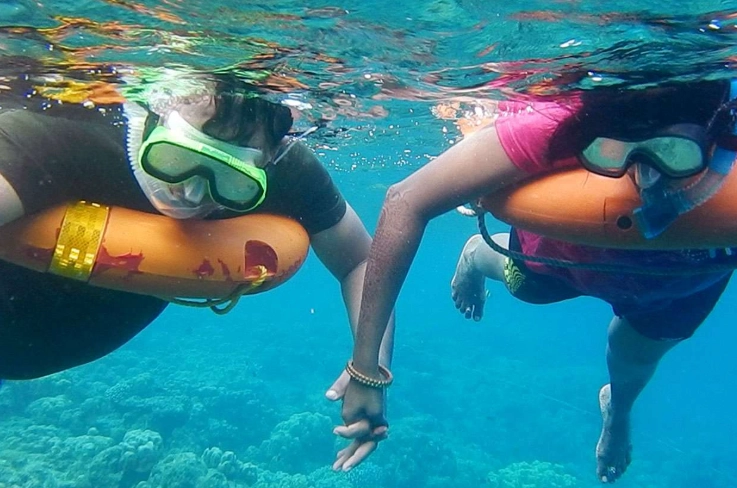
1. A Vast, Shallow House Reef Lagoon
This is the holy grail. Many resorts are built on their own small island, surrounded by a ring of coral—the "house reef." Inside this ring is a lagoon. The water here is typically calm, protected from ocean waves, and very shallow (often waist-to-chest deep for hundreds of meters from the beach). The sandy bottom slopes gently.
You can literally walk out from your villa, put on your gear in water you can stand in, and start floating over coral patches and fish. The depth increases so gradually that you can build confidence at your own pace. If you get tired or nervous, you just stand up. It's that simple.
2. A Long, Protective Jetty or Overwater Bungalow Pathway
Some resorts have long wooden jetties stretching out to deeper water where the house reef starts. The area directly alongside and underneath these jetties often becomes a magnet for marine life. You can enter the water using ladders from the jetty, often with a guide right there to help you in and out. The jetty itself acts as a handrail you can swim back to.
Here’s a comparison of resort types to look for, based on what I've seen and client feedback over the years.
| Resort Feature | Why It's Great for Non-Swimmers | What to Look For / Ask |
|---|---|---|
| Large, Sandy Lagoon | Ultimate safety. You can always stand up. Minimal current. Perfect for first-time gear practice. | Look for phrases like "gentle lagoon," "shallow waters," "sandy bottom." Email the resort and ask: "How deep is the lagoon 50m from the beach?" |
| Vibrant & Accessible House Reef | Amazing marine life just steps from shore. No boat needed for a great experience. | Look for "house reef accessible from beach." Ask: "Is the house reef in the lagoon, or do I need to swim over a deep channel to reach it?" (You want the former). |
| Resort with a Coral Regeneration Project | Often means they have nurtured coral gardens in safe, shallow areas. Fish are plentiful here. | Check the resort's sustainability page. These areas are often in calm, designated spots perfect for beginners. |
| Dedicated Snorkeling Guides & Classes | Professional help is invaluable. They provide gear, safety briefings, and constant reassurance. | Ask if they offer "guided snorkeling for beginners" or "non-swimmer snorkel sessions." This is a huge green flag. |
| Overwater Villa with Direct Ladder Access | Private, controlled entry. You can start your session right from your deck, often in a protected area. | Ensure the water below your villa is deep enough to be safe for entering but also has something to see! Ask about marine life presence. |
Based on consistent feedback from travelers with similar needs, resorts in the North Malé Atoll and Ari Atoll often have great options with accessible lagoons. But always do the research for the specific island.
Your Pre-Trip and On-Site Practice Plan
Don't wait until you're in the ocean to figure things out. A little prep goes a long way in building confidence for your snorkeling in the Maldives for non swimmers experience.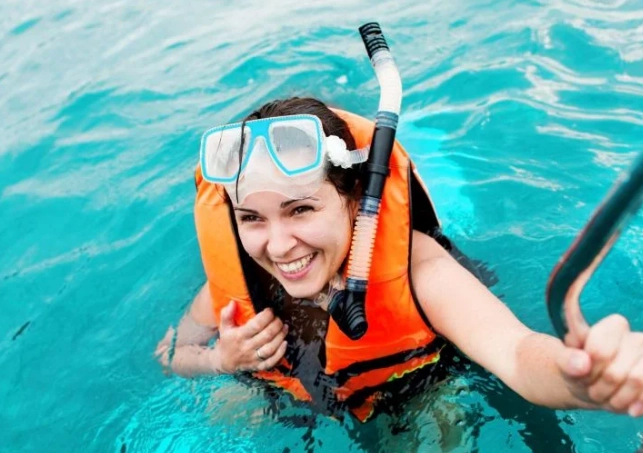
Before You Go: Buy a cheap snorkel and mask (or full-face mask) and try it in a swimming pool. Even just sitting on the steps in the shallow end, put your face in the water and practice breathing. The goal is to make the sensation of breathing through a tube feel normal and rhythmic. If you have access to a pool where you can wear a life jacket and float around on the surface, that's gold-standard practice.
Day 1 at the Resort (The Acclimation Day):
- Forget snorkeling. Just go to the beach or the infinity pool. Get used to the water temperature. Float around with your life jacket on. Play. Remember what it feels like to be buoyant.
- Chat with the water sports or dive center staff. Tell them plainly: "I'm not a swimmer, and I want to try snorkeling safely." Good staff will light up—they love introducing people to the water. They will show you their gear, explain the best spots, and probably offer to keep an eye out for you.
- Do a "dry run" with your gear while sitting in ankle-deep water. Adjust all straps. Practice putting your face in and breathing.
The First Real Snorkel: A Step-by-Step Script
Let's say you've found your perfect shallow lagoon spot. Here's how the first session should go.
Step 1: Gear Up on Dry Land. Put on your swimwear, then your life jacket (snug but not tight), then any swim shirt/rash guard for sun protection. Carry your mask, snorkel, and fins.
Step 2: Wade In. Walk into the water until it's about chest deep. You should still be able to stand comfortably with your head well above water.
Step 3: The Entry Protocol. Put your fins on last, while you're still standing. It's easier to walk backwards in fins. Have your buddy nearby.
Step 4: The Float Test. Lean forward into a horizontal position. Let the life jacket do its work. You should pop to the surface. Just float there, holding your buddy's hand if you like. Get used to the feeling of being supported. Kick your feet gently if you want.
Step 5: Mask & Breathe. Now, put your mask on. Ensure no hair is under the skirt. Put the snorkel in your mouth (or position the full-face mask). Keep your face above water first. Breathe slowly and deeply through the tube. In through your mouth, out through your mouth. Listen to the sound of your breath. It's a Darth Vader sound—that's normal!
Step 6: Face In. When you're ready, gently put your face into the water. Keep breathing. Look at the sandy bottom below you. Just breathe and look. Your body is floating, your face is in the water, and you are breathing. You are now snorkeling.
Step 7: The Magic Moment. Now, with gentle fin kicks, slowly propel yourself towards a patch of coral or rocks you saw from above. Go slow. And there it is—your first fish. Maybe it's a curious clownfish in an anemone. Maybe it's a shimmering parrotfish crunching on coral. You're doing it.
Rule You Must Never Break: Always be aware of the current. Even in a lagoon, there can be a slight pull. Before you start, look at a fixed point on the shore (a tree, a villa). Every few minutes, look up, find that point, and see if you've drifted. If you have, swim calmly back against it, or better yet, stand up and walk. If you feel tired, stop. Stand up. The experience is meant to be relaxing, not an endurance test.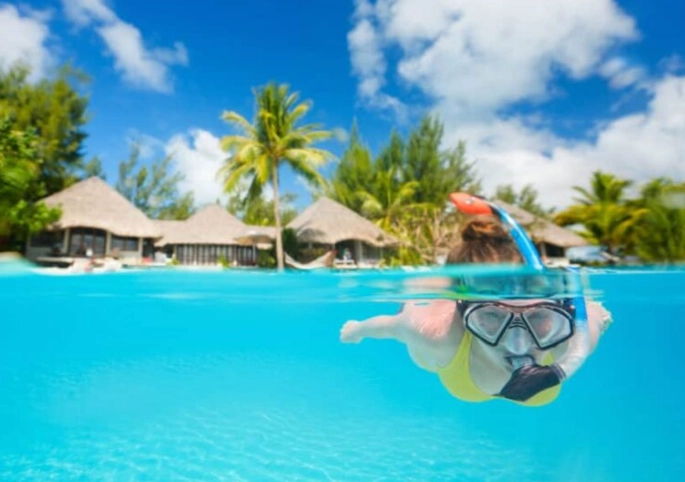
Answering Your “What If…” Questions
These are the questions that swirl in your head at 2 a.m. Let's tackle them.
Beyond the Basics: Making the Most of Your Experience
Once you've mastered the lagoon, you might feel a spark of curiosity. What's next?
- Snorkel with a Manta Ray or Turtle: Some resorts have known cleaning stations or feeding areas for manta rays or turtles that are in relatively shallow, calm bays. These are often accessed by a short, gentle boat ride where you enter the water from the boat (with a ladder) and hold onto a buoy line while observing. Guides are in the water with you. It's a structured, safe way to see megafauna. The Marine Megafauna Foundation does great research on these creatures, and many Maldivian resorts partner with such organizations for responsible tourism.
- Use an underwater camera: A GoPro or a simple waterproof phone case can help you focus on finding cool things to film, which takes your mind off any lingering nerves. It's also a fantastic souvenir.
- Learn a little about the fish: Grab a fish ID card from the dive center. Trying to spot a Picasso Triggerfish or an Emperor Angelfish turns the activity into a real-life treasure hunt.
Look, the goal of snorkeling in the Maldives for non swimmers isn't to become an Olympic swimmer or a free diver. The goal is to experience that unique, weightless peace of floating in warm, clear water and witnessing a silent, colorful world that most people never see. It's about the memory of a trumpetfish hovering vertically, trying to look like a piece of coral. It's about the sound of your own breath being the loudest thing in your ears.
The Maldives is uniquely suited to give you that experience safely and magnificently. Do your resort homework, trust your gear, practice the basics, and listen to the professionals on the island. Your underwater window shopping trip awaits. And honestly? You might just find it's the highlight of your entire vacation.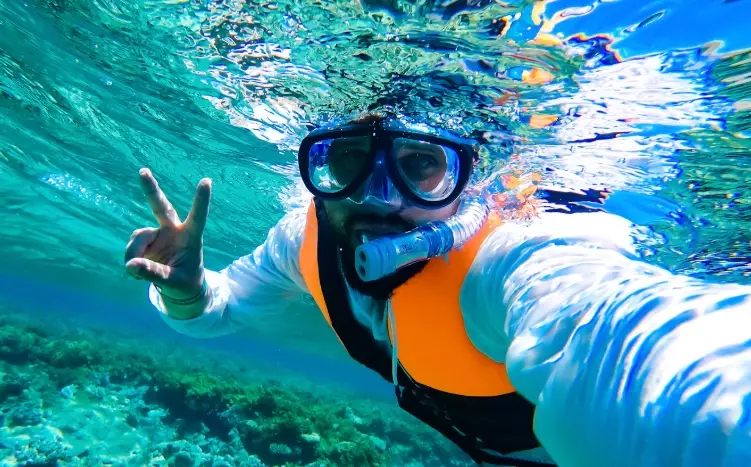
Reader Comments