Let's be honest. Most "best snorkeling gear" lists feel generic. They recommend the same popular brands without explaining why something works for a specific face shape or swimming style. After a decade of guiding snorkel trips and testing countless setups from Hawaii to Thailand, I've learned that the best gear isn't about the flashiest brand. It's about the gear that disappears, letting you focus on the fish, not a leaking mask or aching feet.
This guide cuts through the marketing. We'll look at specific models, explain the trade-offs, and help you build a kit—whether you want a simple all-in-one set for $80 or a high-performance custom setup.
Your Snorkeling Gear Cheat Sheet
Top Picks: Best Snorkeling Sets & Components
Instead of one "best" set, here's a breakdown by need. Think of it like building a sandwich—sometimes a pre-made one is fine, sometimes you want to pick the bread, meat, and cheese separately.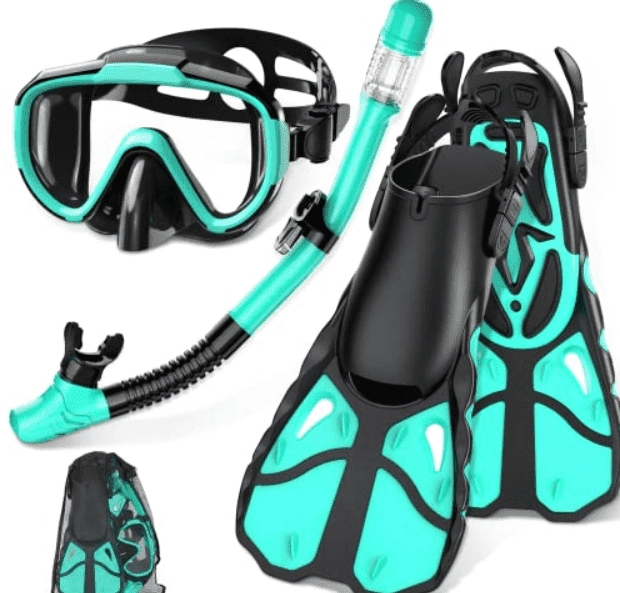
| Category | Our Pick | Key Features | Best For | Price Range |
|---|---|---|---|---|
| Best Overall Adult Snorkel Set | Cressi Palau SAF Set | Wide-view mask, dry-top snorkel, adjustable fins. Proven reliability. | First-time buyers wanting quality without overthinking. | $70 - $90 |
| Best Premium/Performance Set | Aqua Lung Sport Set (or separate components) | Super-soft skirt (SeaClipse mask), efficient flex fins, dry snorkel. | Frequent snorkelers prioritizing comfort and durability. | $120 - $160 |
| Best Budget Set That Doesn't Suck | U.S. Divers Luxe Set | Surprisingly decent dry snorkel, basic but functional fins. | Occasional vacation snorkelers on a tight budget. | $40 - $60 |
| Best Full Face Snorkel Mask | Ocean Reef Aria (or Tribord Easybreath for a cheaper test) | Separate air channels, anti-fog, wide field of view. | Those who struggle with traditional mouthpieces or want a unique view. | $80 - $150 |
| Best Travel Fins | Cressi Travel Fins (or TUSA Imprex Tri-Ex) | Short, lightweight, effective blade design. Fit in a carry-on. | Anyone flying to their snorkel destination. | $50 - $80 |
See the pattern? For most people, a Cressi or Aqua Lung set is a safe, excellent start. But let's get into the details so you know exactly what you're buying.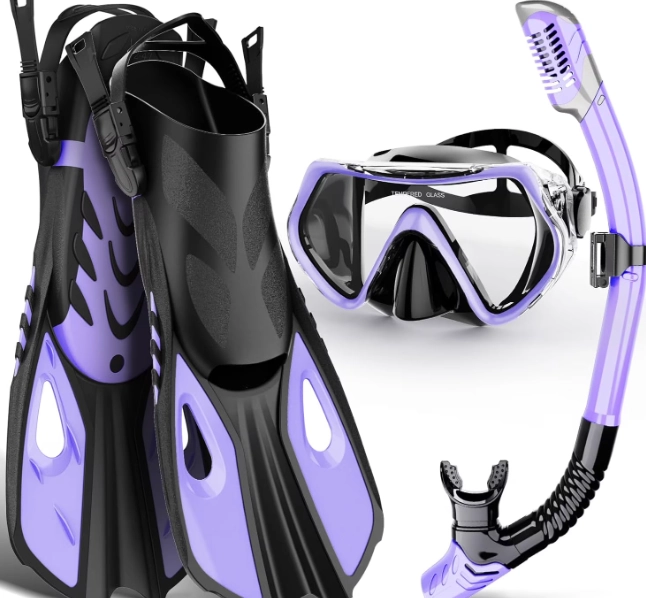
Mask Deep Dive: Finding Your Perfect Seal
The mask is non-negotiable. A leaky mask ruins everything. Forget brand loyalty for a second. The single most important factor is the skirt—the soft silicone part that seals against your face.
How to Choose the Right Snorkeling Mask
Here's the test few people do correctly. Don't strap it to your head. Place the mask gently on your face, inhale slightly through your nose, and let go. It should stay suctioned for a few seconds without the strap. Now check:
- Bridge Fit: Does it press on the bridge of your nose? That's a major red flag; it'll hurt in 10 minutes.
- Skirt Reach: Does the silicone sit flat against your skin from your brow to just above your upper lip? No gaps, especially at the sides (temples).
- Field of View: Look down and side-to-side. Wider is better for spotting marine life.
Pro Tip: If you have a mustache, you will likely get a tiny leak. Don't panic. Apply a tiny dab of silicone-safe grease (like McNett's Sea Drops) to the hair under the skirt. It's a diver's trick that works.
My personal workhorse is the Aqua Lung Lookout. It has a low-volume design (less air to clear if water gets in) and a skirt that fits a wide range of faces. But my partner swears by her Cressi F1 for its panoramic view. It's personal.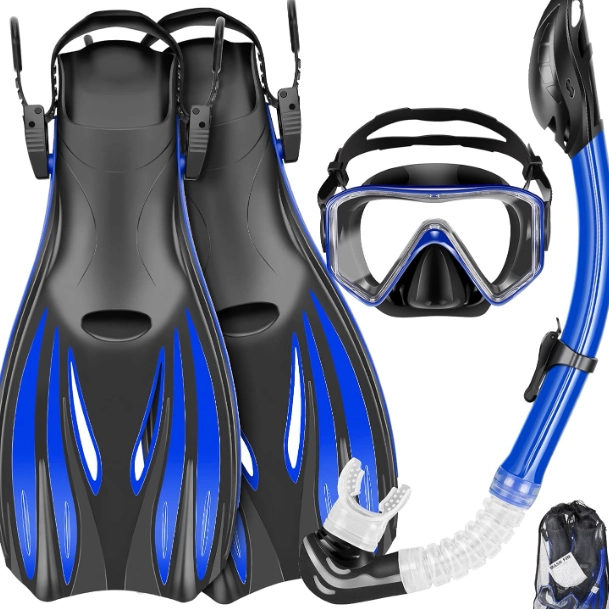
Snorkel Types: Pros, Cons, and Safety
You have three main types. The classic "J" snorkel is mostly obsolete. Let's focus on the two relevant ones.
Dry Snorkel vs. Semi-Dry Snorkel
Dry Snorkel (with a float valve): Has a mechanism at the top that seals shut when submerged. The promise is a completely dry tube. The reality? They're excellent at preventing big splash waves from going down the tube. But if you dive under, a tiny bit of water often sneaks in. They're also slightly bulkier. Best for beginners and surface snorkelers.
Semi-Dry Snorkel (with a splash guard): Has a simple deflector at the top that reduces water entry from waves. It won't seal. If you go under, it floods. Why choose it? It's simpler, lighter, less prone to mechanical failure, and easier to clear with a sharp exhale. Best for confident swimmers who like to duck-dive.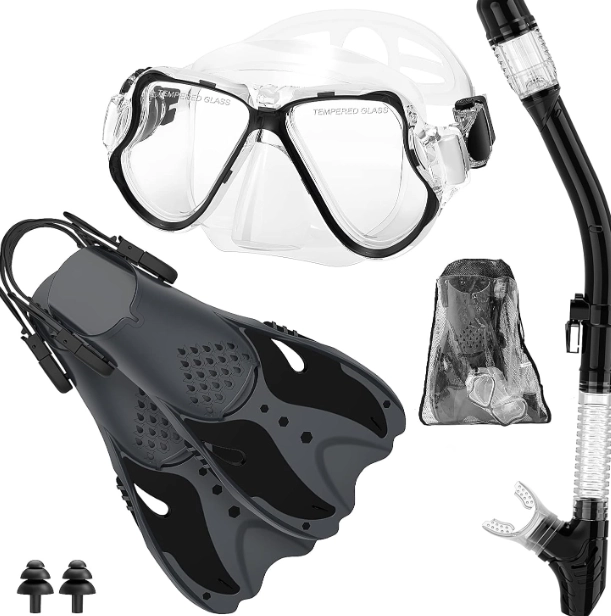
Critical Safety Note on Full Face Masks: These integrate the mask and snorkel. They're popular but controversial. The main risk is CO2 buildup if you breathe heavily. Only buy models with separate inhalation and exhalation channels (like the Ocean Reef Aria). Avoid the ultra-cheap knockoffs on Amazon. And never, ever use one for freediving—they are for surface use only.
Fins: Fit, Blade Tech, and Travel Tips
Bad fins make your calves burn. Good fins feel like an extension of your leg.
Fit is King: Your heel should not slip. Blisters from a loose fin are miserable. If you're between sizes, try the smaller one with thin neoprene socks (they also protect from sunburn and reef scratches). Open-heel fins with adjustable straps are generally more precise than full-foot fins, but full-foot are simpler for warm-water snorkeling.
Blade Stiffness: A common mistake is getting fins that are too stiff. If you're not a strong swimmer, a flexible, shorter fin is easier to kick and causes less fatigue. Stiff, long blades are for power and speed, which most snorkelers don't need.
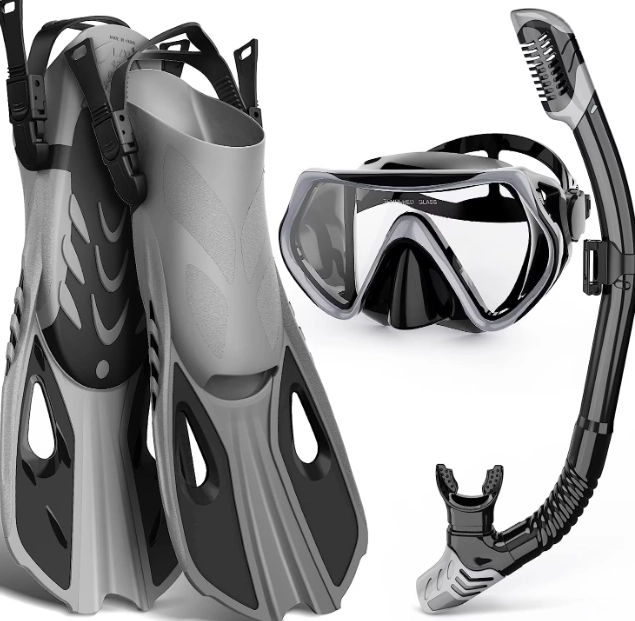
This is why I recommend Cressi Travel Fins so often. They're short (about 16 inches), reasonably flexible, and packable. They provide plenty of thrust for a casual snorkeler without the workout.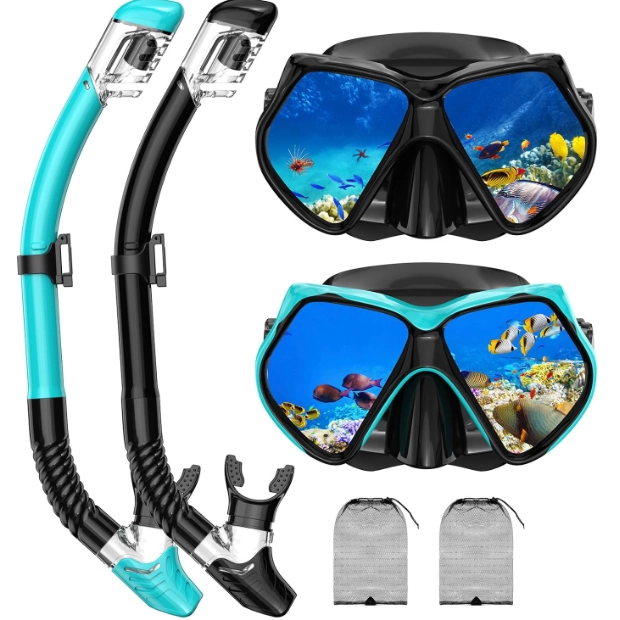
5 Common Gear Mistakes (And How to Avoid Them)
These are the subtle errors I see on every trip.
- Overtightening the mask strap. This is the #1 cause of leaks. It deforms the skirt. The strap's only job is to hold the mask in place; the seal comes from the skirt and suction. Strap should be snug, not tight.
- Choosing a set based solely on color/design. That cute tropical print mask might not fit your face. Fit first, aesthetics second.
- Not defogging properly. Spit, rub, rinse. It works. Commercial defog is better. Baby shampoo diluted with water is a great cheap alternative. Never wipe the inside after applying—just rinse lightly in seawater.
- Assuming a "dry" snorkel is 100% dry. It's a splash guard, not a submarine hatch. You still need to know how to clear it.
- Packing fins that are too long for your luggage. Measure your suitcase. Travel fins exist for a reason.
Reader Comments