Let's be honest. The difference between a magical underwater experience and a frustrating, leaky mess often comes down to your snorkeling equipment. You can be at the most beautiful reef in the world, but if your mask is flooding or your fins are blisters waiting to happen, you're not having fun. This guide isn't just a list of products. It's a deep dive into how to choose, why certain features matter, and the subtle mistakes most beginners make. I've learned this over a decade of guiding trips and watching people struggle with rental gear that just doesn't fit.
What's Inside This Guide?
How to Choose a Snorkel Mask That Won't Leak or Fog
The mask is the single most important piece of your snorkeling kit. Get this wrong, and nothing else matters.
Fit: The Golden Rule
Forget brand names for a second. Fit is everything. Here's the test you must do, even in a store: Place the mask gently on your face without putting the strap over your head. Inhale slightly through your nose. The mask should suction to your face and stay put for a few seconds after you stop inhaling. If it falls immediately, it's not sealing.
Now check the skirt (the soft silicone part). It should sit comfortably across your brow, along your cheekbones, and just above your upper lip—without pressing hard on the bridge of your nose. A common error is cranking the strap tight to stop a leak. If you need to do that, the mask doesn't fit your face shape. A proper seal comes from the skirt, not the strap tension.
Lens Type: Single vs. Dual vs. Panoramic
- Single Lens: Offers an unobstructed view. Great for wide peripheral vision. Can sometimes feel "closer" to your face.
- Dual Lens: The most common. Often allows for prescription lens inserts, which is a game-changer if you wear glasses.
- Panoramic (Low Volume): These sit closer to your face, have less air inside, and are easier to clear of water if they flood. They're fantastic but can be trickier to fit on some face shapes.
My personal go-to is a low-volume dual-lens mask. It fits my face, and I can pop in my prescription.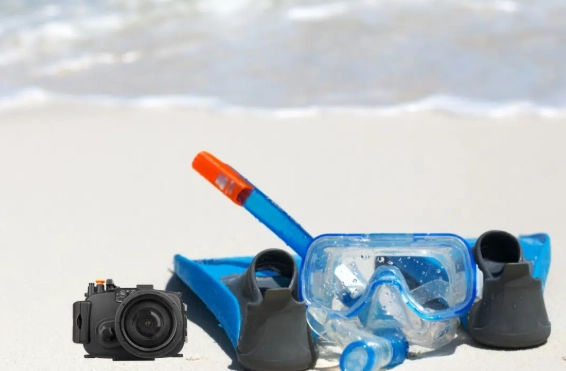
Selecting the Right Snorkel: Keep It Simple
Snorkels seem straightforward, but marketing makes them confusing. You have three main types: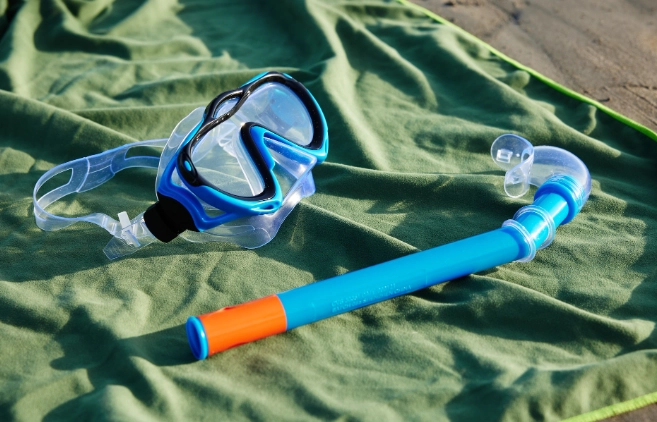
| Type | How It Works | Best For | Watch Out For |
|---|---|---|---|
| Classic (J-Tube) | A simple tube with a mouthpiece. Water will enter if submerged. | Beginners on a budget, calm surface snorkeling. | You must learn the blast clearance technique to blow water out. |
| Semi-Dry | Has a splash guard at the top to deflect small waves. Water can still enter if fully submerged. | Most recreational snorkelers. Offers a good balance. | The splash guard can sometimes make breathing feel slightly more restricted. |
| Full Dry | Has a floating valve that seals the tube the moment it goes underwater. | Snorkelers who dive down frequently or worry about water intake. | Valves can fail or stick. They are bulkier and can be louder to breathe through. |
Here's my non-consensus take: For a true beginner, a simple semi-dry snorkel is often the best choice. Dry snorkels can give a false sense of security—if the valve fails underwater, you might panic because you haven't practiced clearing a traditional snorkel. Learning to clear a little water is a fundamental, safe skill. The mouthpiece is the critical part. It should be soft silicone and fit comfortably without making you bite down hard. A sore jaw ruins the fun fast.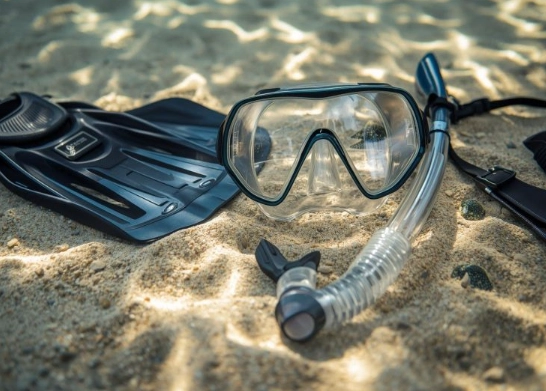
Fins: Your Underwater Engine
Good fins turn effort into glide. Bad fins turn your snorkel trip into a leg-day workout.
The first big choice: Full-Foot or Open-Heel?
- Full-Foot Fins: They slip on like a shoe. Perfect for warm water, boat-to-reef trips, or sandy beach entries. They're simple and often more packable. Example: Cressi Palau Short Fins (around $50).
- Open-Heel Fins: These have an adjustable strap and require neoprene booties. They're more versatile, protect your feet on rocky shores, provide warmth, and offer better power transfer. If you plan to snorkel from varied shorelines or think you might try scuba diving someday, go open-heel. Example: Mares Avanti Quattro+ (around $90).
Length and Stiffness: Longer fins are more powerful but require stronger legs and can be cumbersome. Shorter, more flexible fins are easier for beginners and better for surface snorkeling. Don't get the longest, stiffest fins thinking they'll be "the best." For 95% of snorkelers, a medium-flex, mid-length fin is ideal.
Essential Extras You Shouldn't Overlook
This is where the pros separate themselves from the pack.
The Snorkeling Vest (Buoyancy Aid): This is non-negotiable for safety, not just for weak swimmers. It lets you rest effortlessly on the surface, conserve energy, and feel secure in deeper water. Oral-inflation vests pack down to the size of a soda can. Inflate it just enough to keep you buoyant. It's a game-changer.
Rash Guard or Wetsuit: Even in 80°F (27°C) water, you'll get cold after an hour. A thin 1mm or 2mm neoprene top or full shorty wetsuit does three things: keeps you warm, protects you from sunburn (a major issue when you're floating face-down), and protects from accidental scrapes on coral or rock. I never snorkel without at least a rash guard.
A Waterproof Dry Bag: For your keys, phone, wallet. A simple 5-liter bag is sufficient. Don't leave valuables unattended on a beach.
Anti-Fog Gel: Not spit, not toothpaste. A dedicated gel. It works.
Common Snorkeling Gear Mistakes (And How to Avoid Them)
Let's wrap up with the pitfalls I see every single season.
1. Buying a Set Because It's Cheap. Those boxed mask-snorkel-fin sets at big-box stores are notorious for poorly fitting masks and flimsy fins. Invest in a proper mask first, then build from there.
2. Not Rinsing Gear After Use. Saltwater and sand destroy silicone and mechanisms. Rinse everything thoroughly with fresh water after every use, especially the mask skirt and snorkel mouthpiece.
3. Storing Gear in Direct Sunlight or a Hot Car. Heat degrades silicone and plastic, making them brittle. Store your gear in a cool, dry place.
4. Forgetting the Sunscreen (or Using the Wrong Kind). Apply reef-safe, water-resistant sunscreen to all exposed skin at least 30 minutes before you get in the water. This allows it to bind to your skin and not wash off, polluting the water and harming coral. Pay special attention to the back of your legs, neck, and ears.
Your Snorkeling Gear Questions Answered
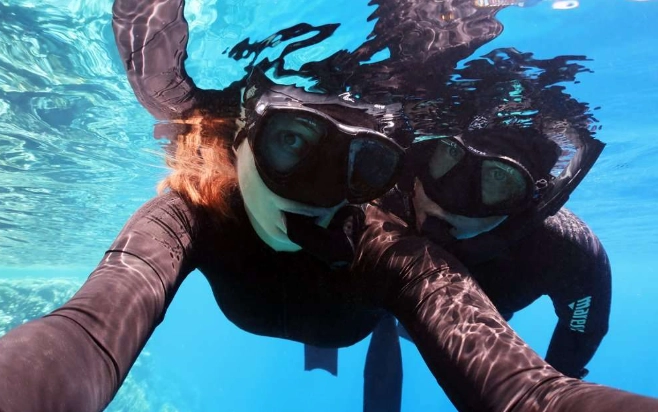
The right snorkeling equipment transforms the activity from a tentative dip into a confident exploration. It's not about having the most expensive gear; it's about having the right gear that fits you and the environment. Start with a mask that seals, add a simple snorkel, supportive fins, and never underestimate the value of a vest and sun protection. Your future self, floating effortlessly above a vibrant reef, will thank you.
For more detailed information on snorkeling safety and techniques, resources from organizations like PADI (Professional Association of Diving Instructors) are invaluable, even for non-divers.
Reader Comments