The short answer? It depends. It’s not a simple yes or no. Asking if you need snorkeling gloves is like asking if you need hiking boots for a walk. For a paved path, no. For a rocky mountain trail, absolutely. Your need hinges entirely on where you're snorkeling, the water conditions, and your personal comfort level.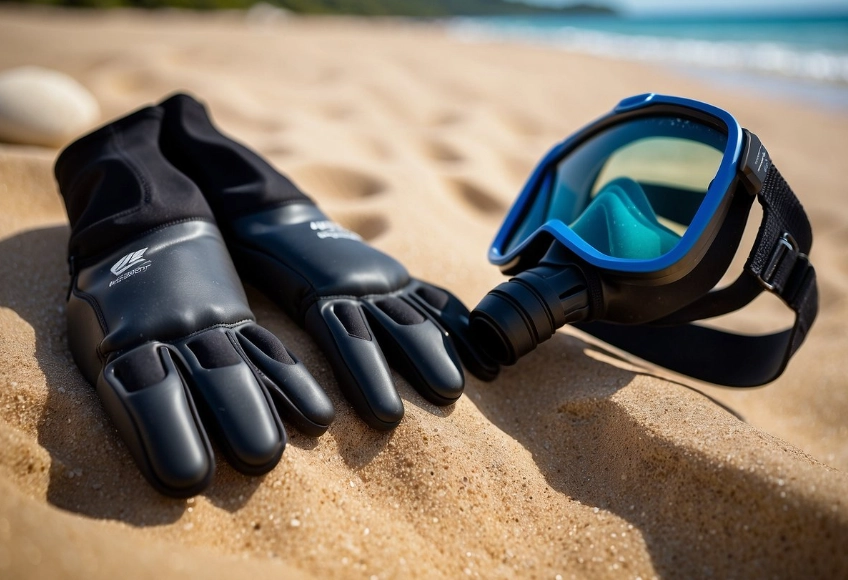
I’ve snorkeled in bathtub-warm Caribbean seas and in the surprisingly chilly waters off the Pacific Northwest. I’ve sliced a finger on sharp coral (lesson learned the hard way) and fumbled with my camera housing because my hands were numb. Through all that, I’ve developed some strong, sometimes contrarian, opinions about snorkeling gloves.
Your Quick Snorkeling Gloves Guide
The Case FOR Wearing Snorkeling Gloves
Let's start with why you might want a pair strapped to your gear bag. The benefits are tangible and, in certain situations, non-negotiable.
Protection From Cuts and Scrapes
This is the biggest reason. The ocean isn't a swimming pool. Coral, while beautiful, is abrasive and sharp. Rocks can be slippery and jagged. Even boat ladders can have rough edges or hidden barnacles.
A thin layer of neoprene or nylon can prevent a minor scrape from turning your vacation into a battle with infection. I learned this snorkeling in Fiji. A playful current pushed me slightly towards a reef wall. I put a hand out to steady myself and felt a sharp sting. No glove. A shallow but painful coral cut. It took weeks to fully heal. A simple 1mm glove would have saved me the trouble.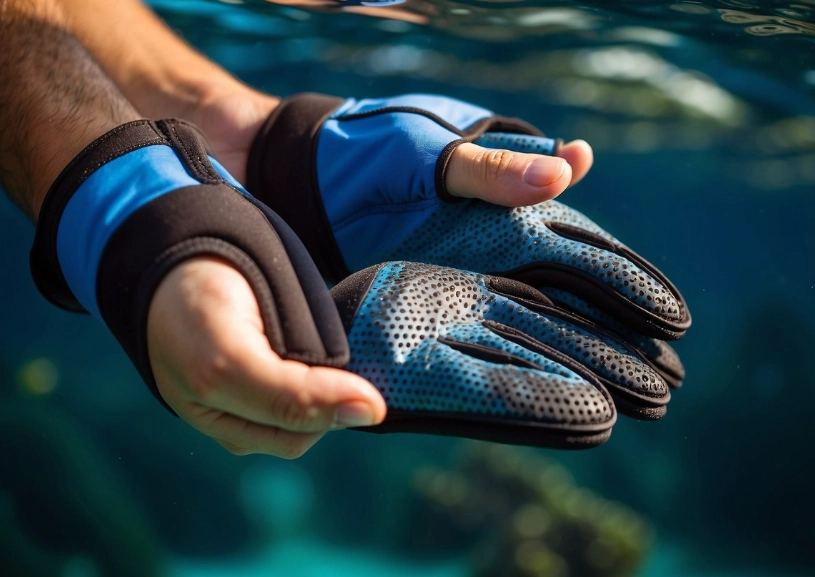
Warmth in Cooler Waters
Your hands lose heat fast. If you're snorkeling in water below 75°F (24°C), you'll feel it. Below 70°F (21°C), cold hands can shorten your session and make you miserable.
Gloves extend your time in the water. They don't need to be thick. A 2mm or 3mm neoprene glove can make the difference between a 20-minute dip and a comfortable 45-minute exploration. This is crucial for snorkeling in places like California, the Pacific Northwest, or even early morning in Hawaii.
Improved Grip and Handling
Wet hands are slippery hands. Gloves provide a textured grip that helps with:
- Adjusting your mask strap on the fly.
- Handling an underwater camera or GoPro housing. The extra grip is a game-changer for getting stable shots.
- Pulling yourself up a boat ladder or holding onto a buoy line in a current.
- Gently steadying yourself on a non-living, sandy bottom if needed (though touching should always be minimized).
The Important Case AGAINST Wearing Gloves
Now, the counter-argument. This isn't just about forgetting to pack them. There are legitimate ecological and practical reasons to go gloveless.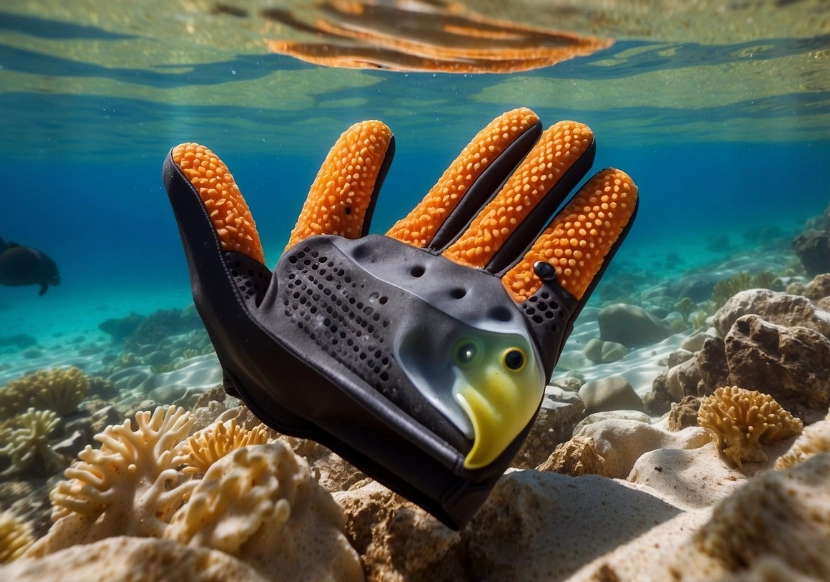
The Ecological "No-Touch" Rule
This is the most critical point and where many snorkeling purists stand firm. The NOAA Coral Reef Conservation Program and most responsible tour operators have a strict "look, don't touch" policy.
Gloves, psychologically, can make you feel invincible. "I can just grab that rock to turn around." That rock is likely covered in fragile, living organisms. Coral polyps can be killed by the oils and pressure from a single touch. Wearing gloves can create a false sense of security that leads to damaging the very ecosystem you came to see.
In many marine protected areas and popular snorkel destinations like Hawaii, some tour companies explicitly ask or require guests not to wear gloves to reinforce this hands-off mentality.
Potential for Reduced Dexterity
Cheap or ill-fitting gloves can turn your hands into clumsy paddles. You might struggle with:
- Fixing a foggy mask by letting a tiny bit of water in and clearing it. >
- Adjusting the buckle on your snorkel keeper.
- Operating the delicate buttons on a camera housing.
Thicker gloves for warmth are the worst offenders here. You trade dexterity for comfort.
They're Not Always Necessary
In warm, calm, sandy-bottom lagoons with minimal hazards, gloves are pure overkill. They become an extra item to pack, dry, and potentially lose. If you're a confident swimmer who practices good buoyancy control (floating horizontally without kicking the reef), your hands shouldn't be near anything dangerous anyway.
Expert Non-Consensus View: Many beginners think gloves are primarily for warmth. I argue that for most recreational snorkelers in tropical destinations, their primary value is actually protection during entry and exit—navigating rocky shorelines or metal boat ladders—not during the snorkel itself. If your entry/exit point is a soft, sandy beach, the need plummets.
| The Case FOR Gloves (Pros) | |
|---|---|
| Protection | Shields hands from sharp coral, rocks, barnacles, and boat ladders. |
| Warmth | Extends snorkel time in water below 75°F (24°C). |
| Grip | Better handling of cameras, gear, and ladders with wet hands. |
| The Case AGAINST Gloves (Cons) | |
| Ecological Risk | Can encourage touching and damage fragile marine life. |
| Reduced Dexterity | Can make fine motor tasks (mask adjustment, camera buttons) harder. |
| Unnecessary Gear | Extra item to pack and manage; superfluous in calm, warm, sandy areas. |
How to Choose Snorkeling Gloves: A Buyer's Checklist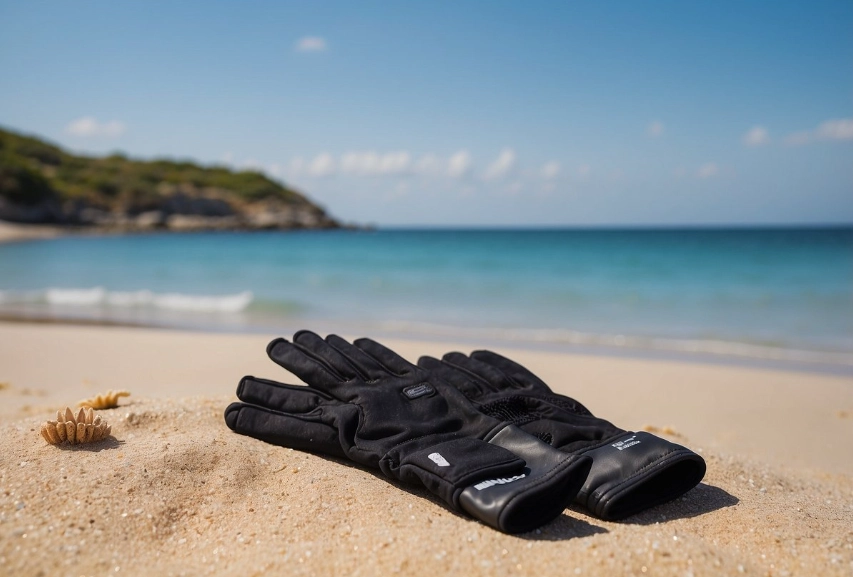
If you've decided gloves are right for your trip, don't just grab the first pair you see. Here’s what to look for, ranked by importance.
1. Material & Thickness: This is your primary decision.
- 1mm-2mm Neoprene: The sweet spot for most. Offers protection and light warmth without sacrificing all feeling. Perfect for tropical to subtropical waters (70-80°F+).
- 3mm-5mm Neoprene: For cold water. You'll lose dexterity, but your hands will stay warm. Think Pacific Northwest, North Atlantic, or winter snorkeling.
- Nylon/Lycra "Skin" Gloves: Minimal protection from sun and very light abrasion. Zero warmth. They mainly offer sun protection and a slight grip. I find them mostly useless except for preventing sunburn on the hands.
2. Fit is Everything. They should be snug but not constricting. Fingers should reach the end without excessive material. A loose glove will fill with water, negating warmth and making your hands feel heavy. Try them on if possible.
3. Closure Type. A simple slip-on is fine for warm water. For colder water, look for a wrist seal—often a neoprene cuff or a light Velcro strap—to prevent flushing (cold water rushing in and out).
4. Grip & Dexterity Features. Look for textured palms and fingers (silicone dots or patterns). Some models have pre-curved fingers or thinner palm material for better feel. For photographers, some brands offer gloves with conductive material on the fingertips so you can still use touchscreens.
Scenario-Based Decisions: When to Wear Them & When to Skip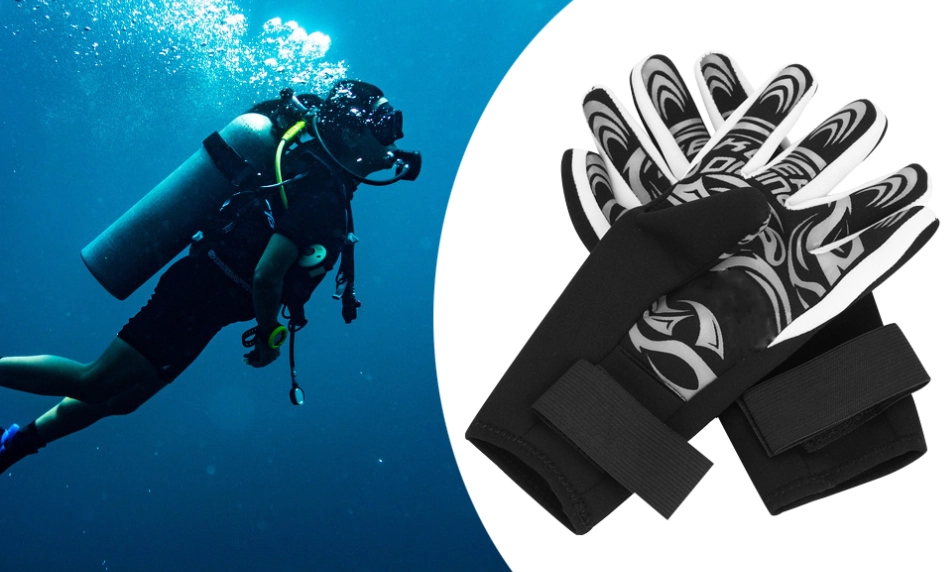
Let’s get practical. Here’s my breakdown for common snorkeling situations.
Wear Them (Pack the Gloves):
- Shore Snorkeling Over a Rocky Bottom: Entering/exiting over slippery, sharp rocks is a hazard. Gloves are safety gear here.
- Cool/Cold Water Destinations: Kelp forests in California, the cenotes in Mexico (freshwater is often cooler), or any location where you know the water temp will be below 72°F.
- Drift Snorkels or Current-Prone Areas: If you might need to grab a guide rope or steady yourself, the extra grip and protection are wise.
- Wreck or Structure Snorkeling: Metal and old wood can be sharp and abrasive.
Leave Them (Save the Bag Space):
- Resort Lagoons or Sandy Bay Entries: You walk in from a soft sand beach into calm, warm water. No need.
- Strict Marine Protected Areas with "No Touch" Policies: Respect the rules. Your buoyancy control is your best tool.
- Super Warm, Crystal Clear Waters: Think parts of the Philippines, the Maldives, or the Red Sea where the main goal is floating and looking. Gloves are an unnecessary fumble.
The "Maybe" Zone (Bring Them, Decide on the Day):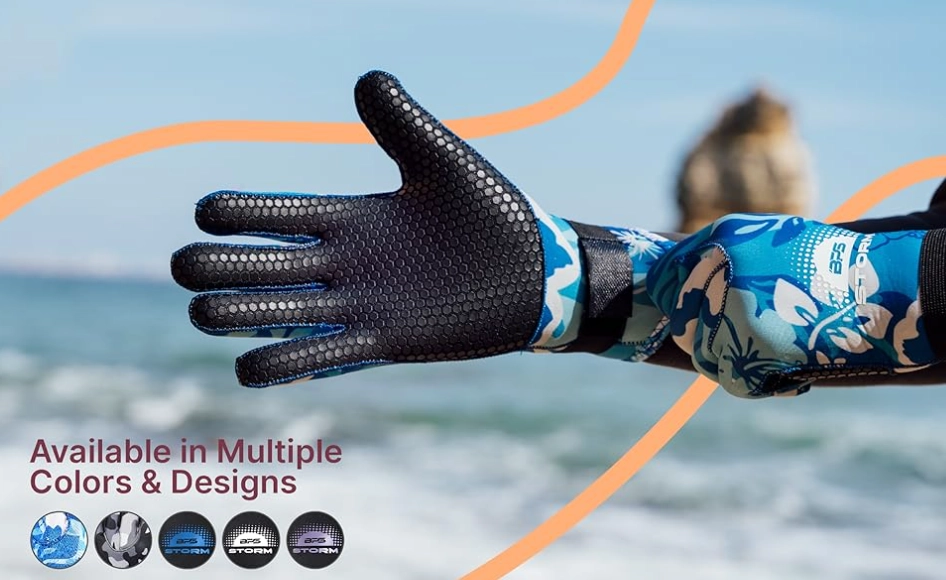
- Boat Trips to Varied Sites: The boat might visit a shallow coral garden (maybe skip) and a deeper, cooler wall (maybe wear). Having the option is key.
- If You're Prone to Cold Hands: Even in 78°F water, some people get cold. If that's you, bring a thin pair just in case.
- First-Time Snorkelers Feeling Anxious: The psychological comfort of having that extra layer of protection can help you relax and enjoy more. Just be hyper-aware of the "no-touch" rule.
Your Snorkeling Gloves Questions, Answered
Are snorkeling gloves allowed everywhere?
No, and this is a crucial check. Some destinations, particularly ecologically sensitive islands and marine parks, actively discourage or ban them to prevent coral damage. Always check with your local tour operator or park authority before packing them. In places like Hanauma Bay in Hawaii, the emphasis is so strong on not touching that gloves are frowned upon.
Can I use diving gloves for snorkeling?
You can, but they're often overkill. Diving gloves are typically thicker (5mm-7mm) for deeper, colder exposure. They'll severely limit your finger movement on the surface. A snorkeler is better served by a thinner, more flexible glove designed for shallower, warmer water use.
 My hands get cold easily, but I hate losing feeling. What's the best glove?
Look for a 2mm neoprene glove with a "seamless palm" or "pre-curved finger" design from brands like Mares or Cressi. These offer a balance of warmth and dexterity. Avoid the cheap, boxy dive gloves—they’ll make your hands feel like clubs.
What's a good alternative if I decide against full gloves?
Consider fingerless gloves or neoprene wrist guards. They keep your core hand and wrist warm (where you lose a lot of heat) while leaving your fingertips free for tasks like adjusting your mask or using a camera. It’s a clever compromise for cooler conditions.
How do I care for my snorkeling gloves?
Rinse them thoroughly in fresh water after every use, inside and out. Hang them to dry away from direct sunlight, which breaks down neoprene. Don't store them folded or crumpled; this creates permanent creases that become weak points. A little talc on the inside before storage prevents them from sticking together.
 The final call on snorkeling gloves is yours. They are a tool, not a mandatory piece of equipment. Weigh the protection and warmth against the ecological responsibility and the simplicity of going without. For rocky entries, chilly waters, or if you simply feel more secure with them, a good pair of thin neoprene gloves is a smart investment. For calm, warm, sandy paradises, feel the water on your skin and focus on perfecting your float. The best gear decision is always the one that lets you enjoy the underwater world safely and responsibly.
Reader Comments