Let's be real. You've probably seen those impossibly blue water photos from the Cayman Islands. Crystal clear, teeming with colorful fish, maybe a stingray or two gliding by. It looks like a screensaver, right? I thought the same thing before my first trip. I figured it was all clever photography. Then I stuck my face in the water at a place called Cemetery Reef, and my jaw literally dropped. I'm not exaggerating. The visibility was like swimming in distilled water, and the coral gardens were bursting with life. It was that moment I understood why people keep coming back, and why the debate over the best snorkeling in the Cayman Islands is such a passionate one among travelers.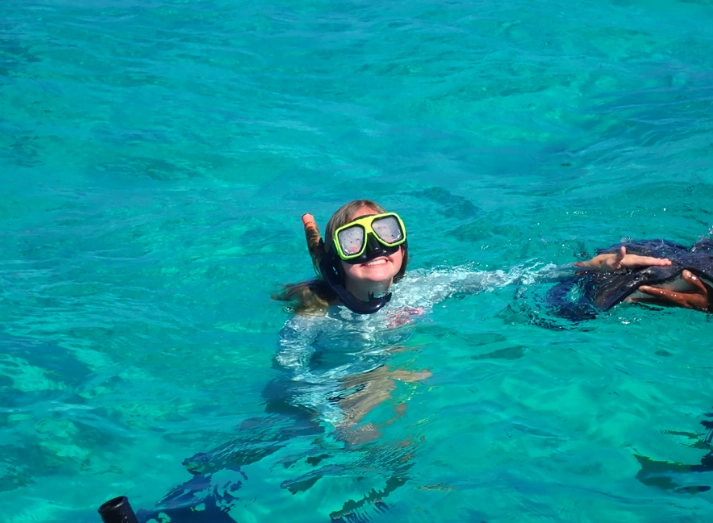
It's not just one magical spot. The beauty of these islands—Grand Cayman, Cayman Brac, and Little Cayman—is that the snorkeling experience changes dramatically depending on where you go. You've got the famous, bustling sandbars where you can interact with wildlife. You've got serene, shallow reefs perfect for beginners and kids. And then you've got the more adventurous wall drop-offs for when you're feeling a bit more confident. The trick isn't finding a good spot; it's figuring out which of the many incredible spots is the right one for you.
This guide is everything I wish I'd known before I went. We're not just listing places. We're going to dig into what makes each spot special, who it's best for, and the little practical things that turn a good snorkel trip into a great one. We'll talk about currents, what to bring (and what to leave at home), and how to respectfully enjoy this incredible underwater world. Because honestly, finding the best snorkeling in Cayman Islands is more than a checklist—it's about matching the adventure to your vibe.
Your Snorkeling Roadmap
Why the Cayman Islands Are a Snorkeler's Paradise
First off, the basics. The Cayman Islands sit on a massive underwater mountain range called the Cayman Ridge. This geography is the secret sauce. The islands are surrounded by a sheer wall that plummets thousands of feet just offshore in many places. But close to land, the shallow shelf creates perfect conditions for coral to grow and for marine life to thrive in calm, sunlit waters.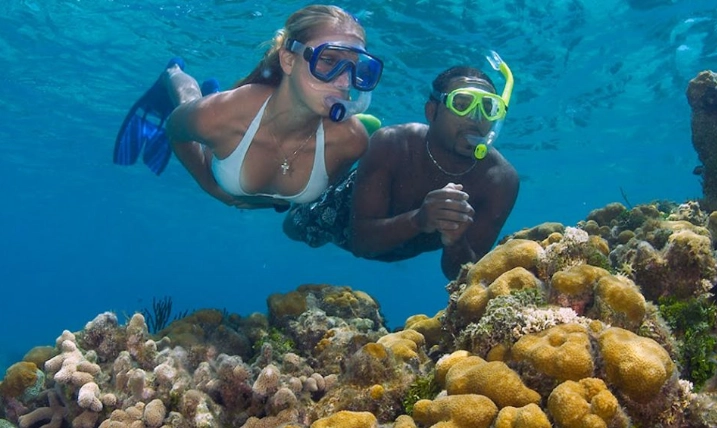
The government also gets a lot of credit here. They've been proactive about marine conservation for decades. There's a robust system of Marine Protected Areas and wildlife interaction laws. For example, the Marine Conservation Laws from the Cayman Islands Department of Environment are strict about not touching coral or harassing animals. It's a bummer you can't grab a starfish for a photo, but these rules are why the reefs are still so healthy and vibrant compared to other Caribbean destinations. It’s a trade-off I’m happy to make.
Accessibility is another huge factor. On Grand Cayman, especially the famous Seven Mile Beach stretch, you can walk off the beach and be snorkeling over interesting coral heads in minutes. You don't always need a boat. For beginners or families with young kids, this is a game-changer. No stress about getting on a choppy boat, no scheduling—just grab your mask and go. That said, some of the truly best snorkeling spots in the Cayman Islands do require a short boat ride, but we'll get to that.
The Top Contenders: Best Snorkeling Spots in the Cayman Islands
Alright, let's get to the meat of it. Where should you go? I've grouped these based on the kind of experience you're after. Remember, "best" is subjective. The best for an adrenaline seeker is different from the best for a family with a 6-year-old.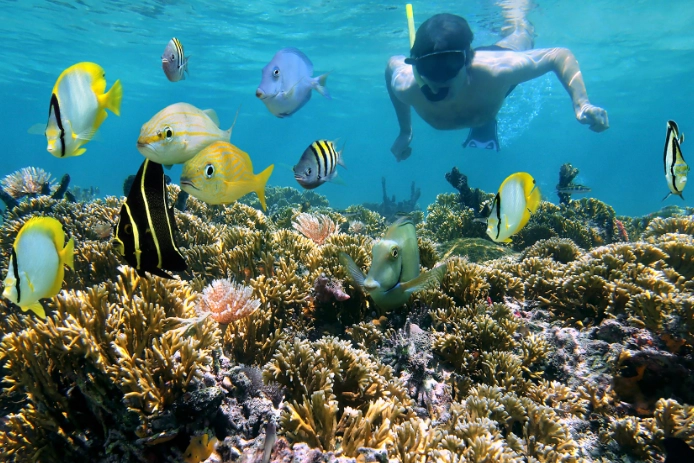
For the Iconic & Interactive Experience
These are the famous ones, the places you've likely seen on Instagram. They're popular for a reason, but popularity comes with crowds.
Stingray City Sandbar: This isn't traditional reef snorkeling. It's a unique, waist-deep sandbar in the North Sound where southern stingrays have been gathering for decades, originally attracted by fishermen cleaning their catch. Now, they associate boat engines with an easy meal. You stand in the water, and these graceful, wild animals glide around you. It's surreal. Some are huge, with wingspans over four feet.
Cemetery Reef & Governor's Beach: This is my personal favorite for easy access. Right off Seven Mile Beach, near the public cemetery (hence the name), you swim out about 50-100 yards and hit a vibrant, shallow reef system. I've seen parrotfish, angelfish, trumpetfish, and even a shy octopus here. The depth is perfect—deep enough to feel immersive, shallow enough that sunlight makes everything glow. It's arguably some of the best snorkeling in Grand Cayman you can get without a boat.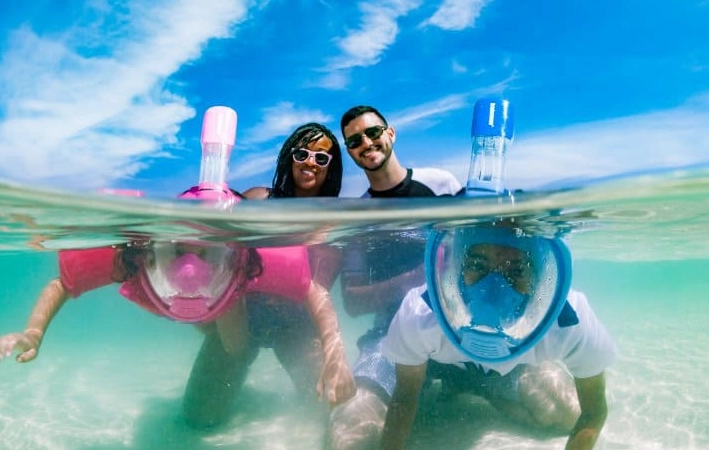
For Epic Coral & Fish Life (Boat Trips Required)
To see the reefs in their full, pristine glory, you often need to get away from the main beachfront. These spots are worth the trip.
Eden Rock & Devil's Grotto: Located in George Town harbor, these are two interconnected coral cavern systems. You snorkel over giant coral heads, then through swim-throughs and caverns where shafts of light pierce the blue. It's dramatic and feels like an adventure. Tarpon (large, silvery fish) often hang in the grottos. The entry is from a rocky shore, so water shoes are a must. It can have a slight current, so it's better for confident swimmers.
The USS Kittiwake & Wreck of the Cali: For something different, this is a former US Navy submarine rescue vessel intentionally sunk as an artificial reef in 2011. It sits in 60 feet of water, but the top deck is only about 15-20 feet down. You can peer into corridors, see the bridge, and watch the metal become a home for schools of sergeant majors and sponges. The adjacent reef (Wreck of the Cali) is also excellent. It's a two-for-one snorkel site that offers both history and marine biology.
Bloody Bay Wall, Little Cayman: If you're making the trip to Little Cayman, this is the crown jewel. It's consistently ranked among the top dive and snorkel sites in the world. The wall is a sheer vertical drop that starts as shallow as 20 feet in places. From the safety of the shallow reef top, you can peer over the edge into the abyss—an absolutely breathtaking (and slightly humbling) experience. The density of fish and coral here is off the charts. This is the pinnacle for many, though it requires a trip to a less-developed island.
For Families & Anxious First-Timers
Calm, shallow, and stress-free. These spots build confidence.
Starfish Point (Grand Cayman): Another North Sound gem. This is a quiet, shallow, sandy area with seagrass beds. As the name suggests, you'll find large, red Caribbean starfish resting on the bottom. The water is often like glass, less than 4 feet deep. It's perfect for young children or anyone nervous about deep water. There's no real coral, so it's all about the starfish and maybe a conch or two. A great, gentle introduction to being in the ocean.
Smith's Cove (Grand Cayman): A small, protected cove south of George Town with a lovely little beach. The snorkeling is right along the ironshore (the natural rocky limestone) on either side of the beach. It's sheltered, the entry is easy over a sandy bottom, and the fish are plentiful. I've always found friendly blue tangs and curious trumpetfish here. It feels like a local secret, though it's gotten busier in recent years. There are picnic tables and facilities, making it ideal for a half-day outing.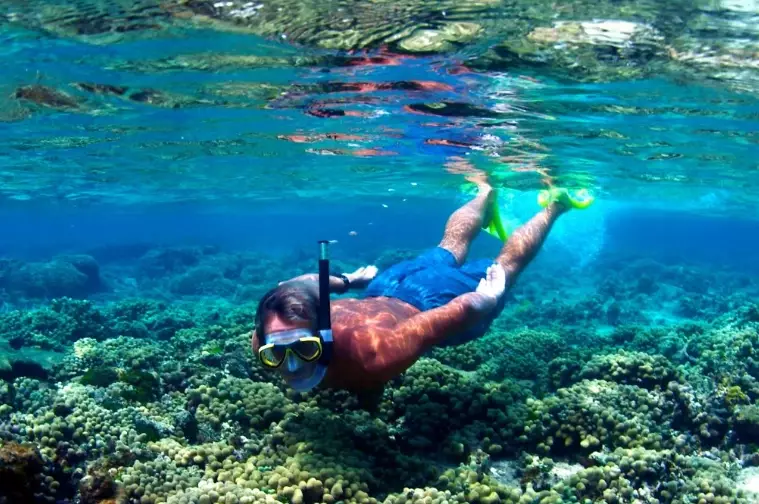
| Snorkel Spot | Island | Best For | Key Feature | Access |
|---|---|---|---|---|
| Stingray City Sandbar | Grand Cayman | Wildlife Interaction, First-timers | Wild stingrays in shallow water | Boat Tour Only |
| Cemetery Reef | Grand Cayman | Convenience, Coral & Fish | Beach access, vibrant shallow reef | Beach Entry (Swim out) |
| Eden Rock & Devil's Grotto | Grand Cayman | Adventure, Photography | Swim-through caverns & tarpon | Shore Entry (Rocky) |
| USS Kittiwake | Grand Cayman | Wreck Lovers, Variety | Artificial reef wreck + natural reef | Boat Tour or Strong Swim |
| Starfish Point | Grand Cayman | Families with Young Kids | Calm, shallow water with starfish | Boat Tour or Long Drive |
| Bloody Bay Wall | Little Cayman | Advanced Snorkelers, Drama | World-famous vertical wall drop-off | Boat Tour from Little Cayman |
Planning Your Snorkel Adventure: The Nitty-Gritty Details
Knowing the spots is half the battle. The other half is executing the plan without hiccups. Here’s the real-world advice.
When to Go (It's Not Just About the Weather)
The Cayman Islands are a year-round destination, but there are nuances. Winter (Dec-Apr) has the most predictable calm seas and sunny weather, but it's also peak tourist season. Prices are higher, and the popular spots are busier. Summer and fall are hotter and have a higher chance of brief afternoon showers, but the water is warmer and there are fewer people. I've gone in September and had whole reefs to myself. The trade-off is keeping an eye on the tropical weather forecast.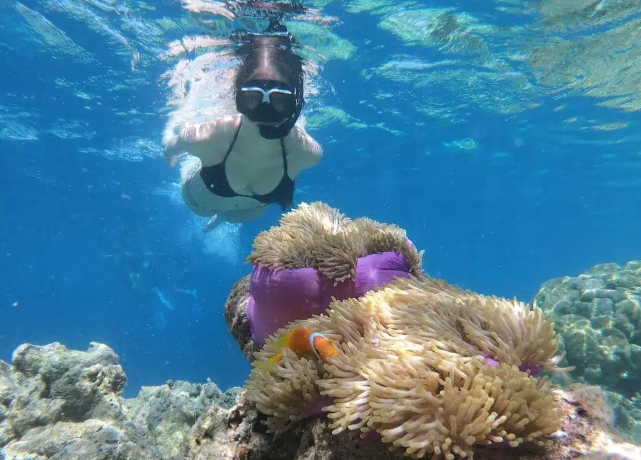
The water temperature varies from a refreshing 79°F (26°C) in winter to a bath-like 86°F (30°C) in summer. For most, a rash guard is sufficient year-round; you might want a thin wetsuit in winter if you get cold easily.
Gear: To Bring or to Rent?
If you're a serious snorkeler, bring your own mask. A perfect fit is everything. A leaky, foggy rental mask can ruin the day. Fins are personal too—if you have comfortable ones, bring them. For casual snorkelers, rental gear on the island is generally good and hygienic. Most tour operators provide well-maintained equipment.
Going with a Tour vs. Going It Alone
This is a big decision. For shore-accessible sites like Cemetery Reef or Smith's Cove, you can absolutely go solo. Just be mindful of your stamina swimming back. For sites like Stingray City, the Kittiwake, or any spot on the North Sound or walls, you need a boat.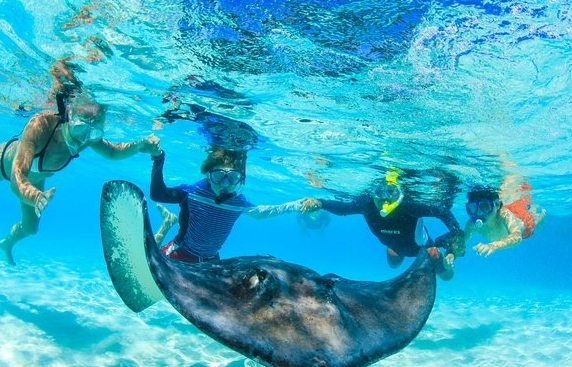
Tour pros: They know the exact spots, provide gear, have safety equipment, and often offer snacks/drinks. A good guide will point out hidden creatures you'd miss. Tour cons: You're on their schedule, with a group. It can feel rushed.
For a charter, look for smaller operators. I had a fantastic time with a company that took just six of us. We could linger where we wanted, and the captain shared tons of local knowledge. It felt more personal than the big catamarans with 40 people, though those are fun in their own party-boat way.
Safety & Etiquette: Protecting Yourself and the Reef
This part is crucial. The ocean isn't a pool. And the reef isn't an amusement park ride.
Marine Life Etiquette: The rule is simple: Look, don't touch. Don't stand on coral—it's a living animal that takes centuries to grow, and you'll kill it. Don't chase turtles or rays. Don't feed the fish (it disrupts their natural behavior). This isn't just being a good person; it's the law. The National Geographic Sustainable Travel tips echo this for destinations worldwide. Be a observer, not a disruptor.
What about sharks? You might see a harmless nurse shark resting under a ledge. They're docile and pose no threat. Just give them space like any other wild animal.
Answering Your Questions (The Stuff You Actually Google)
Here are the quick answers to the questions I get asked most, or that I frantically Googled before my trip.
The Final Dip
Searching for the best snorkeling in Cayman Islands is a fun problem to have because there are no wrong answers, only different shades of amazing. Whether it's the thrill of a ray's velvety wing brushing your leg at Stingray City, the quiet awe of hovering over the endless blue of Bloody Bay Wall, or the simple joy of finding a neon-blue parrotfish munching on coral at your hotel's house reef, the experience sticks with you.
The key is to match the adventure to your own comfort and curiosity. Don't feel pressured to do it all. Pick one or two spots that sound right, get your gear sorted, slap on that reef-safe sunscreen, and get in the water. Go slow. Breathe. Look in the little nooks and crannies. That's where the seahorses hide.
The real magic isn't in finding the "best" spot on some list.
It's in the moment you realize your list doesn't matter anymore, because you're too busy watching a school of silver baitfish swirl around you like living mercury, with the sun warming your back and the sound of your own breath in the snorkel. That's the moment you find it. And honestly, that moment can happen in more places here than you can possibly visit in one trip. So just start. The water’s perfect.
Reader Comments