You've booked the flights, found the perfect beachfront condo, and can already picture yourself floating over a coral garden. But then the practical thought hits: what gear do I actually need to bring? Renting is an option, but it's a gamble. I've gotten masks that leaked like a sieve and fins that rubbed my heels raw. Owning your own snorkeling kit transforms the experience from a tourist activity into a personal adventure. It fits you, it's clean, and it lets you explore on your own terms. Let's break down exactly what to get and how to choose it, so your only surprise is the beauty under the waves.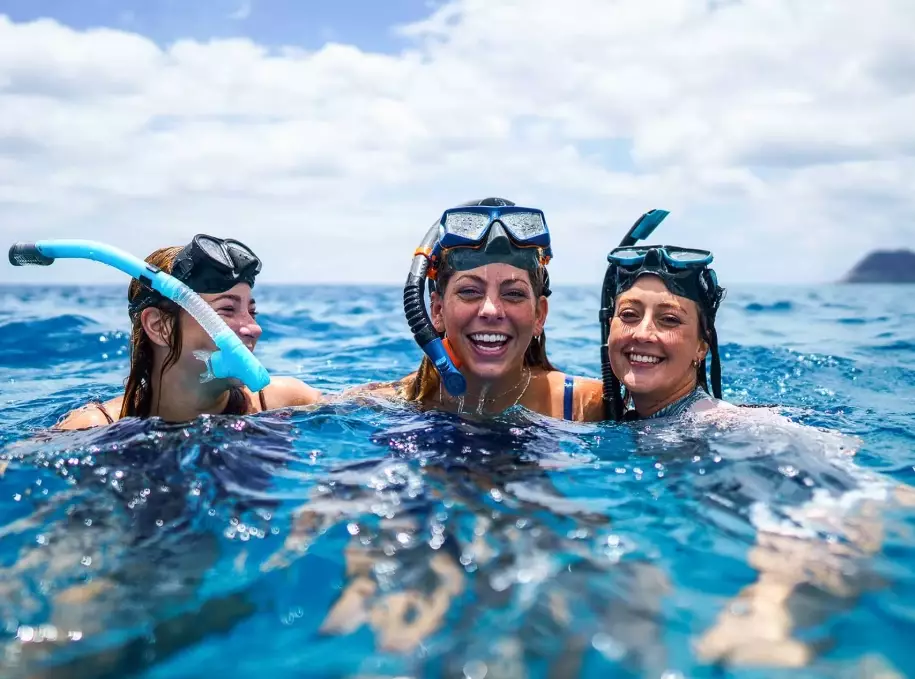
What's Inside This Guide?
The Essential Snorkeling Gear Checklist
Think of snorkeling gear in three tiers: the non-negotiables, the highly-recommended comfort items, and the niche extras. For a standard beach vacation, you can have an amazing time with just Tier 1. But investing in Tier 2 is what separates a good trip from a great one.
| Gear Item | Tier & Necessity | Key Purpose & Travel Note |
|---|---|---|
| Mask | Tier 1 - Absolute Must | Clear vision underwater. A proper seal is everything. Never compromise here. |
| Snorkel | Tier 1 - Absolute Must | Breathing at the surface. A dry-top model is the modern standard for ease of use. |
| Fins | Tier 1 - Absolute Must | Efficient propulsion and safety. Travel-specific models are shorter and packable. |
| Rash Guard / Swim Shirt | Tier 2 - Highly Recommended | Sun protection, warmth, and prevents chafing. More eco-friendly than sunscreen. |
| Snorkeling Vest or Floatation Belt | Tier 2 - Highly Recommended | Safety and rest. Not a life jacket, but provides positive buoyancy and peace of mind. |
| Mesh Gear Bag | Tier 2 - Highly Recommended | Carries wet gear, drains water, and prevents mildew. Essential for post-snorkel transport. |
| Anti-Fog Solution | Tier 3 - Optional Extra | Prevents lens fogging. (Pro tip: saliva works shockingly well). |
| Waterproof Case / Dry Bag | Tier 3 - Optional Extra | Protects phone, keys, and wallet on the boat or beach. |
I made the mistake once of buying a cheap all-in-one set from a big-box store. The mask leaked constantly, forcing me to surface every 30 seconds to clear it. The fins were so floppy they were almost useless against a mild current. After that frustrating trip, I learned that buying each piece separately, focusing on fit and quality, is the only way to go.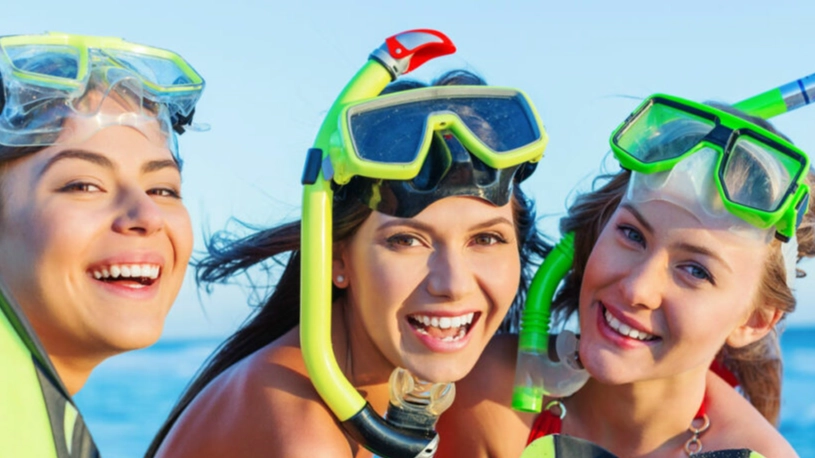
How to Choose the Right Snorkeling Mask
The mask is your window to the underwater world. If it fails, the whole experience fails. Fit is 90% of the battle. Here's what most guides don't tell you: the shape of your face matters more than the brand name.
The Fit Test (Do This in the Store)
Place the mask gently on your face without putting the strap over your head. Inhale slightly through your nose. A good-fitting mask will stick to your face without you holding it, creating a vacuum. It should feel evenly pressured, not pinching your nose or forehead. Now, check for gaps, especially along the bridge of your nose and the cheeks. If it seals, you've found a contender.
Lens Material and Color
Tempered glass is non-negotiable for safety and clarity. Avoid plastic lenses—they scratch easily and distort vision. For lens color, clear or light blue tints are best for most conditions, letting in maximum light. Darker tints (amber, smoked) are for very bright, shallow water but can make things too dim in deeper spots or on overcast days.
Consider a low-volume mask. These have less air space inside, sitting closer to your face. They are easier to clear of water (less air to exhale) and offer a wider field of view. They're generally more comfortable for travel snorkeling.
What Makes a Good Travel Snorkel?
The snorkel has seen more innovation than any other piece of basic gear. The old J-tubes are museum pieces now. For travel, you want simplicity and dry-top technology.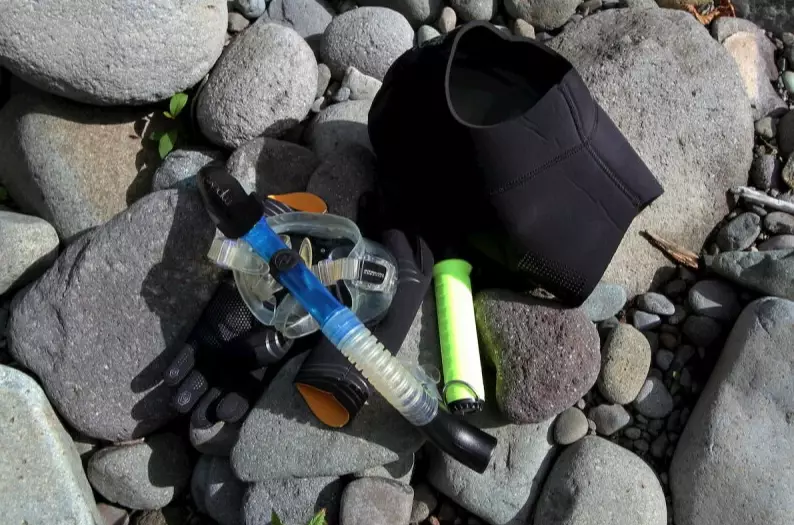
A dry-top snorkel has a floating valve or mechanism at the top that seals the tube the moment it goes underwater. This prevents water from flooding in if you get hit by a small wave or dive below the surface. When you come back up, you breathe normally—no forceful clearing required. It's a game-changer for casual snorkelers and makes the experience infinitely more relaxing.
Semi-dry snorkels have a simple splash guard but no sealing mechanism. They're a step up from basic tubes but will still let water in if submerged.
Look for a snorkel with a flexible lower section (the part that attaches to the mask strap). This allows the mouthpiece to move naturally with your jaw, reducing fatigue. The mouthpiece should be made of medical-grade silicone. Bite on it in the store—it should be soft and form a comfortable seal without you needing to clench.
My personal rule: never get a snorkel with a purge valve at the bottom. It's an extra point of failure that can jam with sand or debris, and clearing a dry-top snorkel by exhaling is so easy you don't need it.
Finding Fins That Fit (And Pack)
Fins are your engine. The right pair will let you glide effortlessly; the wrong pair will exhaust you. For beach vacations, full-foot fins are the way to go. You wear them like shoes, no booties needed (unless you're snorkeling in very cold water or from rocky shores).
Fit is critical. They should be snug but not painfully tight. Your toes should just brush the end, not be curled. A loose fin will rub and blister your heel. Try them on with the socks you might wear in the water.
Travel fins are a specific category. They are shorter (blades around 20-25 inches) and often have vented or split blades. The shorter length makes them far more packable and maneuverable in shallow water. The split/vented blade design requires less effort per kick, which is perfect for relaxed snorkeling sessions. Don't be fooled into thinking you need long, stiff diver's fins—they're overkill and a pain to travel with.
Materials matter too. Stiff plastic fins are cheap but inefficient and hard on your ankles. Look for fins made from composite rubber or thermoplastic elastomer. They have the right balance of flex and power transfer.
Travel Packing Hacks for Snorkel Gear
Packing snorkel gear without it taking over your suitcase is an art. Here’s how I do it.
- Mask Protection: Never just throw your mask in a bag. Store it in its original hard case or a dedicated mask box. No case? Wrap it in a soft cloth or tuck it inside a clean sock and place it in the center of your bag, surrounded by clothes.
- Fin Packing: Pack fins blade-to-heel, with the foot pockets facing outward at the edges of your suitcase. Use the concave foot pocket to nest other items like rolled-up t-shirts or your snorkel.
- The Mesh Bag is Key: Pack your mesh gear bag empty. Once you arrive, it becomes your daily carry for wet gear. It drains, dries quickly, and doesn't get funky like a nylon bag would.
- Rinse Immediately: The single best thing you can do for your gear's longevity is to rinse everything thoroughly with fresh water after every use, especially in saltwater environments. Salt crystals degrade silicone and rubber over time.
How Do I Maintain My Snorkeling Gear?
Good gear lasts for years with minimal care. After your trip, give everything a final soak in lukewarm fresh water with a tiny drop of mild soap. Rinse thoroughly. Never use harsh chemicals, bleach, or hot water, as they break down the materials.
Air dry everything completely in the shade—direct sunlight is terrible for silicone and rubber. Store your gear loosely in a cool, dry place. Don't leave it tightly packed in its bag for months; this can cause the silicone skirt on your mask to take on a permanent creased shape, ruining the seal.
Your Snorkeling Gear Questions Answered
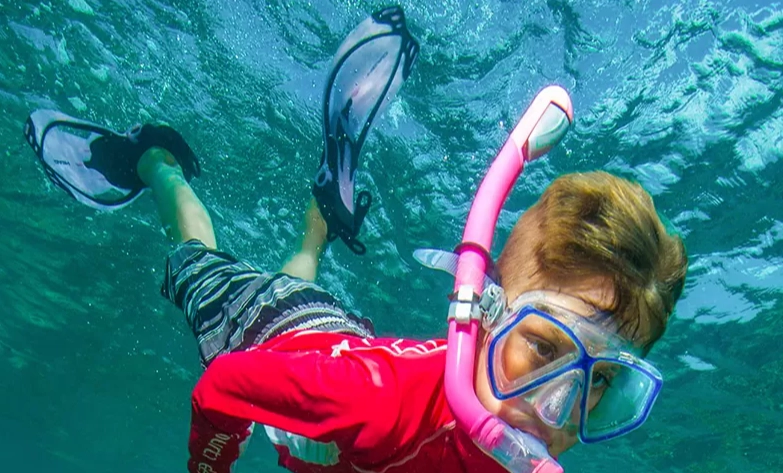 The right snorkeling gear doesn't have to be complicated or exorbitantly expensive. It's about smart choices focused on fit, function, and packability. By investing in a mask that seals, a dry-top snorkel, and a pair of comfortable travel fins, you're not just buying equipment—you're buying confidence and freedom. You'll spend less time fiddling with rental gear and more time immersed in the quiet, weightless world just below the surface. That's what a beach vacation is all about.
Reader Comments