Let's be honest. You're probably thinking, "It's just socks. How complicated can it be?" I thought the same thing before my first real snorkeling trip to Belize. I wore a pair of old athletic socks with my new, stiff full-foot fins. Big mistake. By the end of the first hour, I had a blister the size of a quarter on my heel, and my toes were numb from being squeezed. The rest of the vacation was a battle between my desire to see the reef and the pain in my feet.
That experience taught me what every seasoned snorkeler knows: the right socks are not an accessory; they're essential gear. They're the interface between your skin and a rigid piece of plastic designed to propel you through water. Get it wrong, and you ruin your day. Get it right, and you forget your feet are even there, letting you focus on the turtles and parrotfish.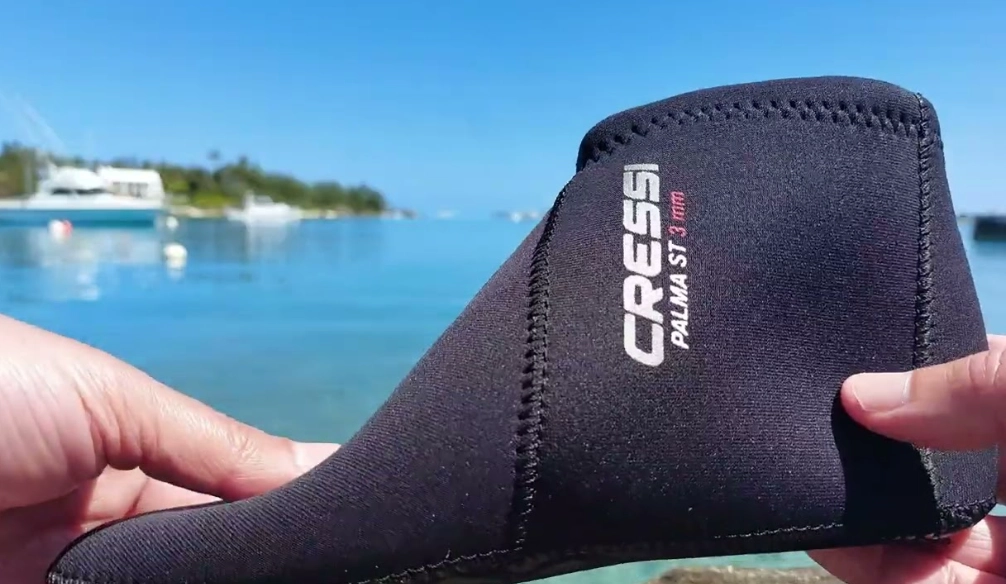
So, what socks should you wear? The short answer is: specialized snorkeling or diving socks, typically made from neoprene, nylon, or a similar synthetic blend. Never cotton. But the long answer—the one that actually helps you choose—involves material, thickness, fit, and a few tricks most shops won't tell you.
What You'll Learn in This Guide
Why the Right Snorkel Socks Matter (More Than You Think)
It's not just about comfort. It's about safety, performance, and protecting your gear. Here’s what a good pair of snorkel socks actually does:
Prevents Blisters and Chafing: This is the big one. Fins, especially new ones, have rigid edges and seams. Every kick creates friction. Without a protective layer, that friction turns into hot spots, then blisters. A proper sock provides a smooth, second-skin barrier.
Improves Fit and Stability: Most people don't have feet that perfectly match their fin's foot pocket. You might be between sizes, have a narrow heel, or high arches. Socks fill that gap, creating a snug, secure fit that stops your foot from sliding around. This makes your kicks more efficient—you transfer more power to the fin instead of wasting energy wiggling your foot inside it.
I learned this the hard way. My fins felt "okay" in the shop. In the water, with every kick, my heel would lift slightly. That tiny movement drained my energy and gave me that blister.
Provides Thermal Protection: Water conducts heat away from your body 25 times faster than air. Even in warm tropical waters (78-82°F / 25-28°C), your feet can get cold after an hour. A 1mm or 2mm neoprene sock adds surprising warmth, extending your snorkeling time comfortably.
Hygiene and Protection: They protect your feet from minor scrapes on the boat deck, rough sand, or hidden rocks when entering the water. They also keep the inside of your fins cleaner from sweat, oils, and sunscreen, which can break down the rubber and plastic over time.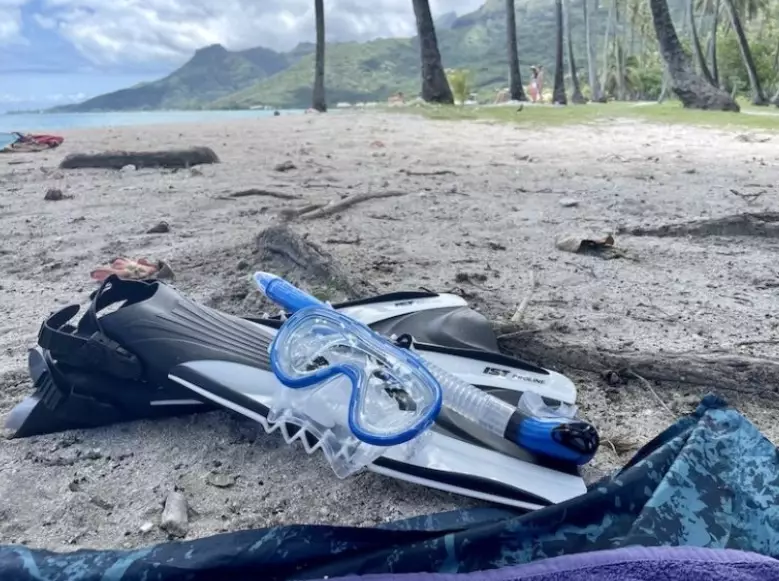
Here's a pro tip most beginners miss: The right socks can make an older, more broken-in pair of fins feel new again. As fins age, the foot pocket stretches. Instead of buying new fins, a slightly thicker sock can take up the extra space and restore that tight, responsive fit.
The 3 Main Types of Socks for Snorkeling Fins
Not all water socks are created equal. Choosing the wrong type is like wearing hiking boots to run a marathon. Here’s the breakdown:
1. Neoprene Socks (The Gold Standard)
This is what most snorkelers and divers use. Neoprene is the same wetsuit material—it's stretchy, insulating, and provides excellent cushioning. They come in different thicknesses, usually 1mm, 2mm, or 3mm.
Best for: Almost all snorkeling, especially in cooler water, with full-foot fins, or if you have sensitive feet prone to blisters.
Watch out for: They can be too thick for some snug-fitting fins. Always try your fin on with the sock. Some cheaper neoprene socks have bulky seams right on the pressure points (like the top of the toes), which defeats the purpose.
2. Water Shoes / Aqua Socks
These look like lightweight, flexible sneakers with thin rubber soles. They're great for rocky shore entries because they protect your soles. However, they are often too bulky for the foot pocket of most snorkeling fins.
Best for: Primarily for kayaking, paddleboarding, or beach walking. Only use with snorkel fins if the fin's foot pocket is exceptionally roomy (like some open-heel styles with a wide opening). Most of the time, they won't fit.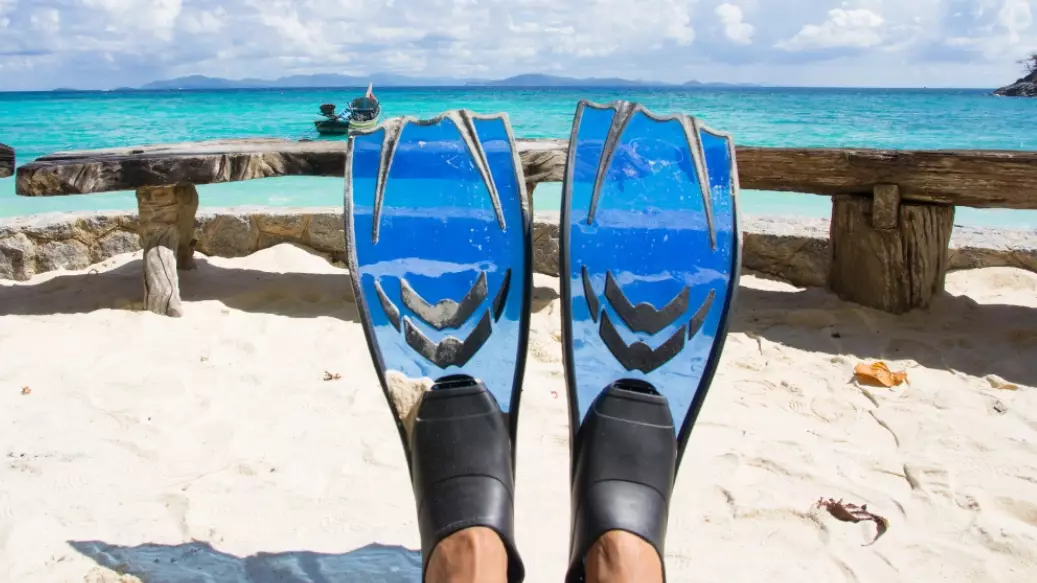
3. Diving Booties (for Open-Heel Fins)
These are heavier-duty, ankle-high boots with a rugged sole. They are designed to be worn with open-heel fins that have an adjustable strap. You never wear them with full-foot fins.
Best for: Scuba diving, snorkeling from very rocky shores, or in colder climates. They require the correct fin type (open-heel).
| Type | Best Used With | Key Benefit | Potential Drawback | Ideal Water Temp |
|---|---|---|---|---|
| Neoprene Socks | Full-Foot Fins | Superior blister protection & warmth | May not fit in very tight fins | Cool to Warm (65°F+) |
| Water Shoes | Roomy Open-Heel Fins (rarely) | Protects soles for shore entry | Usually too bulky for fins | Warm (75°F+) |
| Diving Booties | Open-Heel Fins (with strap) | Ankle support & rugged protection | Not for full-foot fins |
For 90% of snorkelers using common full-foot fins, neoprene socks are the clear winner. The next step is picking the right ones.
How to Choose the Perfect Snorkeling Socks: A Step-by-Step Guide
Walking into a store or browsing online can be overwhelming. Follow this checklist.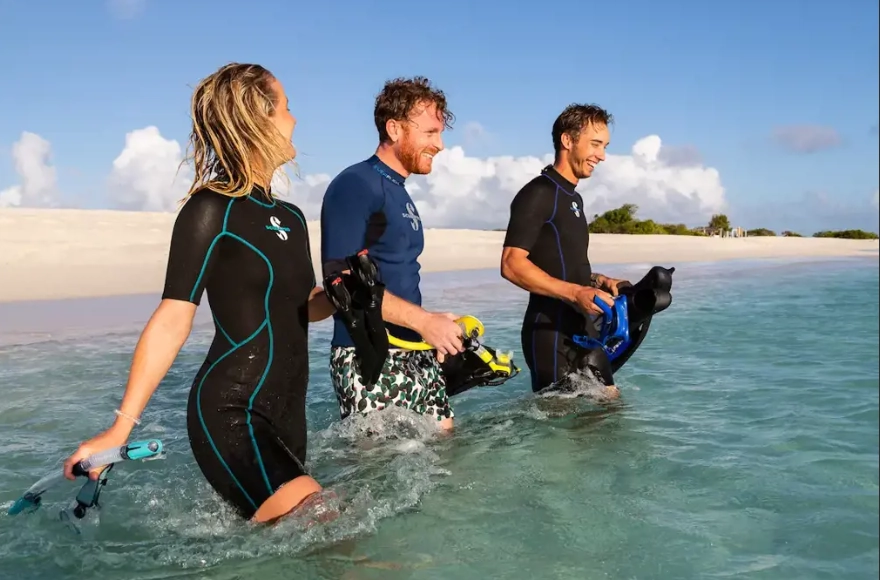
Step 1: Know Your Fin Type & Fit
This is non-negotiable. Bring your fins shopping with you. If buying online, know your fin's make and model and check reviews to see if people mention they run small or large.
Try the sock on with your fin. Your foot should feel snug in the sock, and the sock-clad foot should fit into the fin with a firm but not painful pressure. You should not have to force it. There should be no significant empty space, but your toes should not be painfully curled.
Step 2: Choose the Right Thickness
Thickness is measured in millimeters (mm).
- 1mm: For warm water and very snug-fitting fins. Provides basic protection from chafing with minimal bulk.
- 2mm: The sweet spot for most snorkelers. Good insulation for slightly cooler water and excellent cushioning without being too thick.
- 3mm: For cool water snorkeling. May only fit in fins specifically sized to accommodate boots/thick socks.
My go-to is a 2mm sock. It's versatile enough for Caribbean trips and slightly cooler Pacific waters.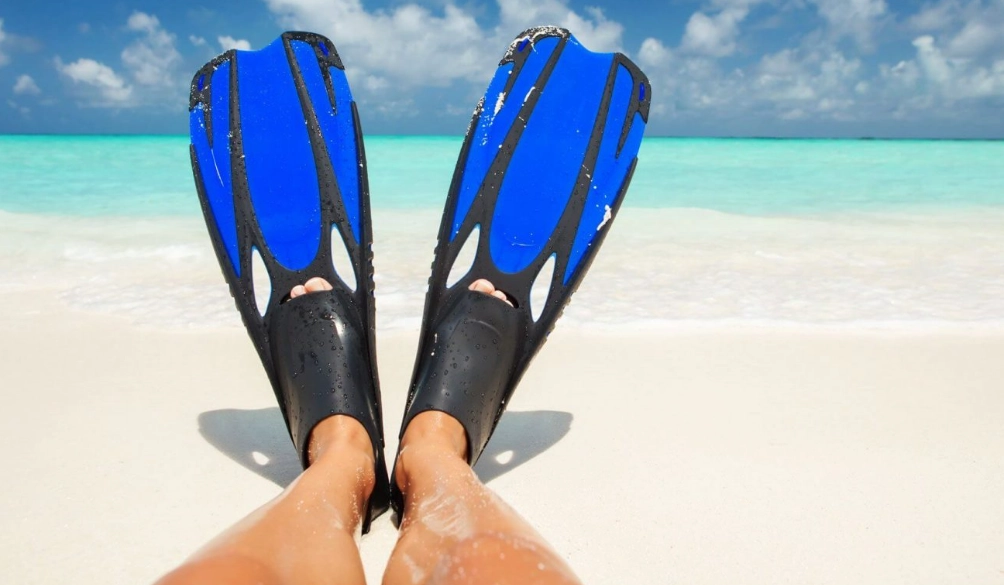
Step 3: Examine the Material & Build Quality
Look for:
Seamless or Flat-Lock Seams: The best socks have seams that are glued and blind-stitched (also called flat-lock stitched) on the outside, so there's no raised ridge on the inside to rub your skin. Avoid socks with bulky, raised interior seams.
Material Blend: High-quality neoprene (like Yamamoto neoprene) is more flexible and durable. Some socks add a lycra or nylon outer layer for durability and to help them slide into fins easier. A reinforced heel and toe area is a big plus.
Closure: Most are simple slip-ons. Some have a small zipper or velco strap at the ankle—helpful for getting them on and off when your feet are damp, but make sure the closure lies completely flat and doesn't create a pressure point.
A subtle mistake I see: People buy socks that are too big, thinking they'll be more comfortable. A baggy sock will bunch up inside your fin, creating wrinkles that become instant blister factories. The sock should fit your bare foot like, well, a tight sock. No excess material.
Step 4: Consider Special Needs
For Cold Water: Look for 3mm socks or even 5mm booties. Consider socks with a thermal lining.
For Very Sensitive Skin or Existing Blisters: Look for socks marketed as "hydroskin" or with a super-smooth nylon inner lining. You can also apply a thin layer of anti-chafe balm (like Body Glide) to your feet before putting the socks on.
For Wide Feet: Some brands offer wide-fit models. Neoprene stretches, but a designated wide fit prevents that "sausage casing" feeling that cuts off circulation.
Putting Them On & Taking Care of Your Investment
It sounds silly, but there's a technique.
Getting Them On: Make sure your feet are completely dry. Turn the sock inside out down to the heel, put your foot in, and then roll the sock up your leg. This prevents over-stretching the ankle. If they're tight, a plastic bag over your foot can help them slide on.
Getting Them Off: Peel them off from the top, turning them inside out as you go.
Care: Rinse thoroughly in fresh water after every use. Hang them to dry away from direct sunlight (sun degrades neoprene). Never dry them on a radiator. Store them flat or loosely rolled. A little talc-free powder inside before storage can prevent sticking.
Your Snorkel Socks Questions, Answered
 How do I know if my socks are too thick for my fins?
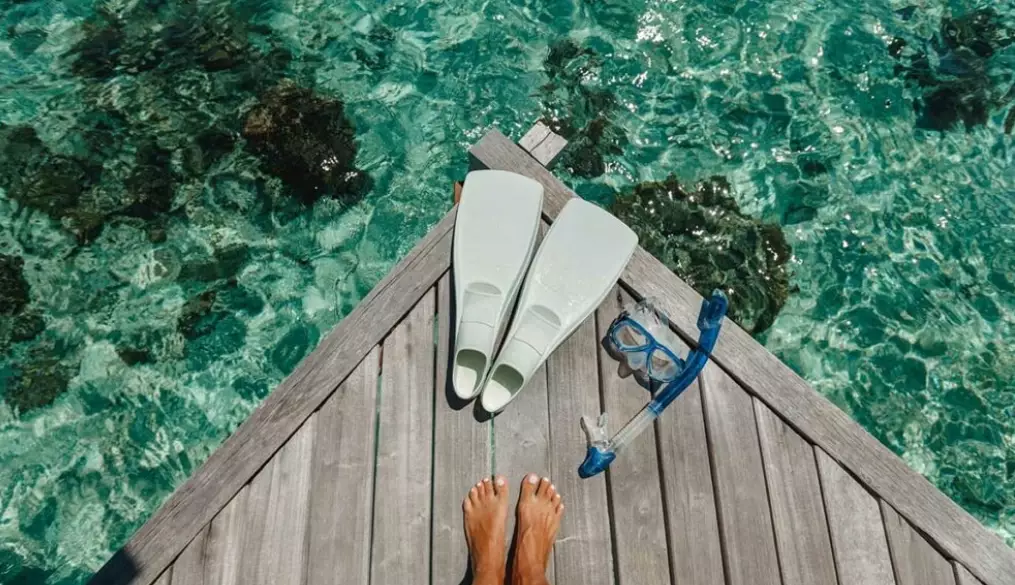 So, what socks should you wear with snorkel fins? Don't overthink it, but don't ignore it either. Grab a pair of 2mm neoprene socks with flat-lock seams, make sure they work with your specific fins, and pack them for your next adventure. Your feet—and your entire snorkeling experience—will thank you. Now get out there and enjoy the water.
Reader Comments