Let's talk about Maui snorkeling. You've got your gear, you're dreaming of turtles, but there's that one nagging question: when should I actually get in the water? Is it first thing in the morning? After lunch? The answer isn't just about the clock. It's a mix of ocean mood, sunlight, and frankly, how many other people had the same idea as you.
I've spent a lot of time floating face-down around this island. Some days were magic – crystal clear, calm as a lake. Others? Let's just say the ocean decided to do its washing machine impression. It all came down to timing.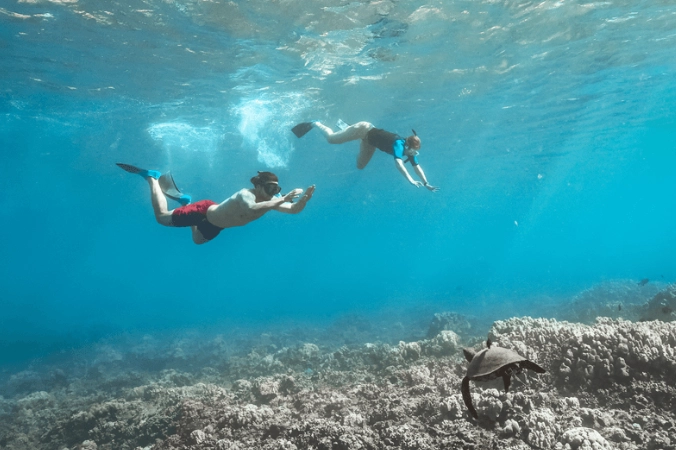
So, let's break down the best time of day to snorkel Maui, not with some generic advice, but with the nitty-gritty details that actually make a difference to your experience.
The Great Debate: Morning vs. Afternoon Snorkeling in Maui
This is the core of it. Most people will tell you mornings are better. And most of the time, they're right. But it's not a hard-and-fast rule for every single spot. Understanding the why behind the advice helps you make smarter choices, especially if your schedule is tight.
Why Morning Often Wins the Title for Best Time
Think of the ocean overnight. It's had time to settle. No strong winds churning things up. This calm state usually holds through the late morning.
- Calm Waters: The trade winds that Maui is famous for typically sleep in. They start light in the late morning and are strongest in the afternoon. Calm water means better visibility and less effort swimming.
- Superior Visibility: With less wind stirring up sand and sediment, the water clarity is often at its peak. You can see further, colors are more vibrant, and spotting that eagle ray gliding in the distance becomes possible.
- Marine Life Activity: Many fish are more active in the morning. They're out feeding. Reef life seems more vibrant. It's not that turtles disappear in the afternoon, but I've personally had more frequent and relaxed encounters before noon.
- The Crowd Factor: Boat tours, especially the popular ones to Molokini or Lanai, predominantly depart in the morning. If you're snorkeling from shore, getting to a spot like Black Rock at Kapalua or Ulua Beach in Wailea by 8:30 AM means you'll often have the water more to yourself before the families and sunbathers arrive.
Simply put, if you're asking for the safest, most reliable bet for great conditions, the best time of day to snorkel Maui is almost always between 8:00 AM and 11:30 AM.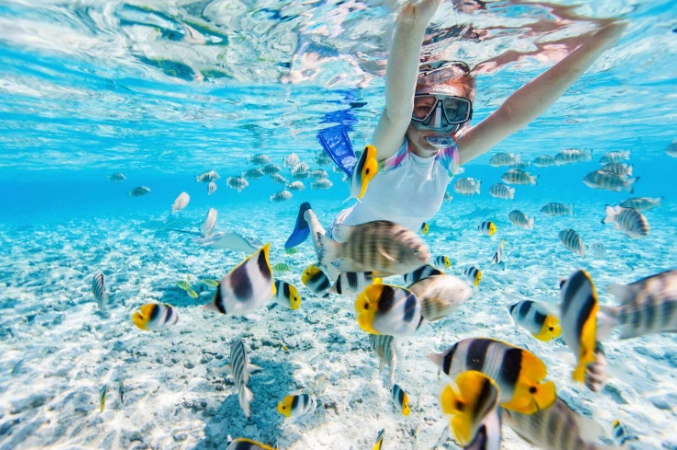
The Case for an Afternoon Snorkel (It Exists!)
Alright, so you slept in. Or the morning was cloudy. Does that mean you're out of luck? Not necessarily. There are scenarios where an afternoon dip works.
- Leeward Side Advantage: Locations on Maui's leeward (south and west) shores, like Wailea, Makena, or Lahaina, are more protected from the dominant trade winds. They can remain calm longer into the day. An afternoon snorkel at Ahihi Kinau Natural Area Reserve (when it's open) can be surprisingly good.
- Less Crowded (Sometimes): The main rush is over. If the winds stay down, popular shore spots can be quieter. I've had peaceful late-afternoon sessions at Napili Bay when the morning crowd had cleared out.
- Different Light: The sun's angle in the later afternoon can create beautiful, dramatic lighting on the reef, which is great for underwater photography.
But here's the big caveat. You have to check the conditions on the day. Afternoons are less predictable. The wind can, and often does, pick up. When it does, visibility drops fast, and snorkeling becomes more work than fun.
Beyond the Clock: Other Crucial Factors for Your Best Snorkel
Calling a specific time the best time of day to snorkel Maui is helpful, but it's not the whole story. These other elements are just as important, and ignoring them can ruin a perfectly timed outing.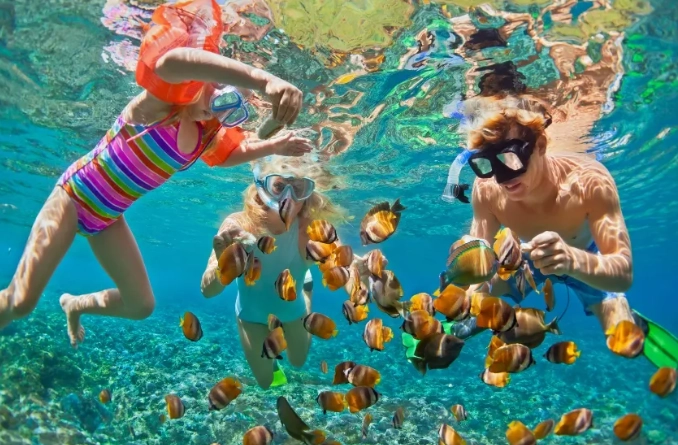
Tides and Currents: The Invisible Forces
This is where many first-timers get tripped up. They get the time right but forget about the tide.
A low tide can expose sharp coral, making entering/exiting the water tricky and potentially dangerous. It can also concentrate fish in deeper pockets. A super high tide might make it easier to access certain reefs but can sometimes reduce visibility near shore as water moves over sand. A moving tide (coming in or going out) can generate currents, especially in channels or around points (like at Honolua Bay).
My rule of thumb? For most spots, a mid to incoming tide is ideal. The water is moving enough to bring in clear water, but the current isn't usually at its strongest. Always consult a reliable tide chart. The NOAA Tides & Currents website is the gold standard for accurate data.
Weather and Ocean Forecasts: Your Daily Bible
Maui's weather can be hyper-local. It can be raining in Hana and blazing sun in Kihei. Don't just look at a general "Maui" forecast.
- Wind: This is the #1 factor for ocean surface conditions. Check the wind forecast for your specific snorkel zone. Look for days with winds under 10-15 knots for the calmest water. The National Weather Service forecast for Maui County is essential reading.
- Swell: Big surf on the north shore (like at Honolua Bay in winter) means rough, murky, and potentially dangerous conditions there, even if it's calm elsewhere. South shore swells in summer affect south-facing beaches. Check swell direction and size.
Seasonal Shifts: Winter vs. Summer Patterns
Maui has two main ocean seasons, and they flip the script on which side of the island is calm.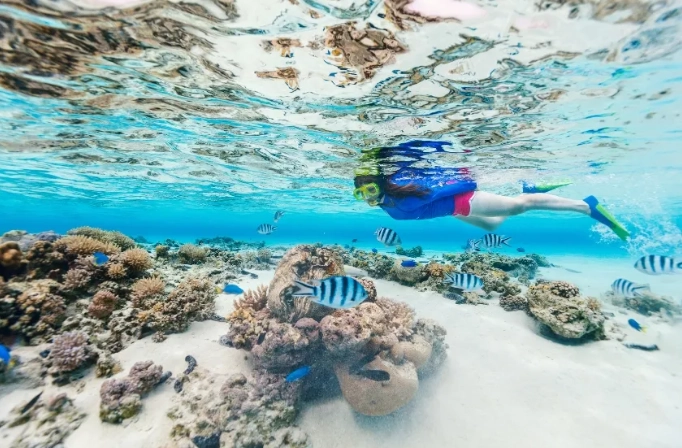
| Season | Best Snorkeling Shores | Key Considerations | Typical Conditions |
|---|---|---|---|
| Summer (May-Oct) | North & West Shores (Kapalua, Honolua Bay, Napili) | South swells can occasionally affect south shores. Generally calmer island-wide. | Trade winds are more consistent. Afternoon clouds/brief showers possible on west side. |
| Winter (Nov-Apr) | South & West Shores (Wailea, Makena, Olowalu) | Big north swells make north shore snorkeling dangerous and murky. | Can be windier. Ocean may be slightly cooler. More chance of kona (southerly) winds. |
So, if you're visiting in December and asking for the best time of day to snorkel Maui, you must first be asking about the south shore. Honolua Bay in December at 8 AM is likely a no-go.
Top Maui Snorkel Spots and Their Ideal Times
Let's get specific. Here’s how the timing plays out at some of Maui's most famous snorkeling locations.
Molokini Crater
Best Time: Morning, without question. The first boats out (around 7 AM) get the calmest conditions and best visibility inside the crater. By afternoon, the wind has often created a chop in the channel, making the boat ride less pleasant and the water inside the crater can get choppier. This is one spot where the best time of day to snorkel Maui is most definitively early.
Honolua Bay (Summer Only)
Best Time: Early morning on a day with no north swell. This marine preserve is stunning but gets crowded. By 10 AM, the parking lot is full. Get there by 8 AM for calm water, great light, and a chance to have the reef to yourself before the kayak tours arrive. Afternoon winds can funnel into the bay.
Black Rock at Kaanapali (Pu'u Keka'a)
Best Time: Morning is prime. The water is calm, the cliff provides shade for a while, and you beat the crowds from the big hotels. Afternoon can be good too, but it's often crowded with cliff jumpers and the sandy bottom can get stirred up. Evening snorkels here are popular to see the torch lighting and cliff diving ceremony, but fish activity is lower.
Ahihi Kinau / Makena Landing
Best Time: Early morning. This area is part of a protected reserve (check current access rules). The morning sun lights up the incredible lava formations. It's less protected from afternoon winds than Wailea beaches just north, so conditions can deteriorate later. Parking is extremely limited, another reason to go early.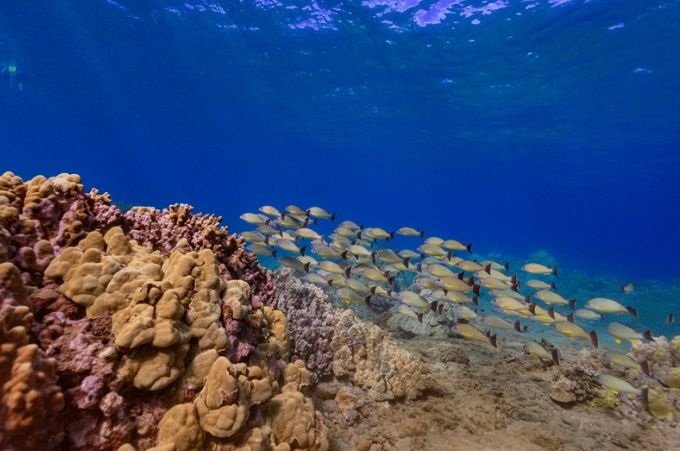
Common Questions About Snorkeling Times in Maui
Final Thoughts: Making Your Decision
So, after all this, what's the final word on the best time of day to snorkel Maui?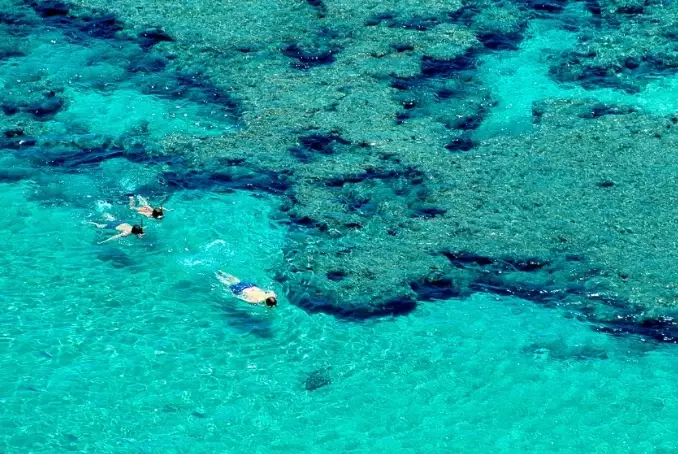
For a first-timer, or for anyone who wants to maximize their chances of a fantastic, easy, and memorable experience, plan your snorkel for the morning. Target that 8:30 AM to 11:30 AM window. Choose a leeward shore spot appropriate for the season. Check the tide and wind forecast. It's the formula with the highest success rate.
If you're a more experienced snorkeler, flexible with your plans, and staying on the leeward side, you can successfully explore afternoon options. Just be prepared to be adaptable. Have a backup plan (like a pool afternoon) if the ocean looks angry. Some of my most serene snorkels have been on weekdays around 10 AM at less-crowded coves. The water was like glass, the fish were everywhere, and it felt like having a private aquarium.
The ocean is a dynamic place. Respect it, time your visit wisely, and you'll be rewarded with some of the most beautiful underwater scenes on the planet. Now go check that tide chart and set your alarm. Your best Maui snorkel day is waiting.
Reader Comments