What's Inside
- Why Even Consider Snorkeling on Your Own in Roatan?
- The Legal and Practical Landscape: What Are the Rules?
- Where Can You Snorkel on Your Own in Roatan? A Spot-by-Spot Breakdown
- Gear Up Right for Independent Snorkeling
- Your Action Plan: How to Have a Successful Solo Snorkel Day
- Answering Your Burning Questions (FAQ)
- The Final Verdict: Should You Do It?
Let's cut to the chase. You're dreaming of Roatan's turquoise water, you've seen the pictures of incredible coral, and you want the freedom to explore it at your own pace. The big question burning in your mind is: can you snorkel on your own in Roatan?
The short, direct answer is yes, you absolutely can. There's no law or island-wide decree that forces you to join a guided tour to put your face in the water. But—and this is a massive but—whether you should snorkel completely on your own depends on a tangled web of factors: your skills, the specific spot you pick, the weather that day, and a good dose of common sense.
I've spent weeks hopping around Roatan, snorkeling from fancy resorts, deserted beaches, and random spots off the road. I've had magical days where I felt like I had the entire Mesoamerican Barrier Reef to myself, and I've also had moments of pure, heart-pounding stupidity that taught me harsh lessons. This guide isn't just regurgitated info from a brochure. It's the honest, sometimes messy, reality of independent snorkeling in Roatan, designed to help you make smart choices.
The Core Truth: Independent snorkeling in Roatan is about access and responsibility. It's legal in most public access areas, but your safety and the reef's protection are entirely in your hands. This guide will show you where access is easy, where it's tricky, and how to do it without being "that tourist" who needs a rescue or damages the coral.
Why Even Consider Snorkeling on Your Own in Roatan?
Guided tours are fantastic. They handle logistics, provide safety, and often take you to pristine sites. So why go solo? The reasons are pretty personal, but they resonate with a lot of travelers I've met.
Freedom is the biggest one. No schedule. If you find a curious parrotfish, you can follow it for twenty minutes without a guide blowing a whistle to move the group along. It's cheaper—once you have gear, it costs nothing but effort. There's a unique sense of adventure and discovery when it's just you and the ocean. You can go when the crowds aren't there, like early mornings when the water is glassy and the fish are most active.
But let's balance that with a cold splash of reality.
The Flip Side: Going alone means you are your own safety officer, navigator, and marine spotter. There's no guide to point out the hidden eel or warn you about a sudden current change. Medical help is not right next to you. If your mask strap snaps or you get tired, you're on your own. This isn't to scare you, but to frame the decision properly. Snorkeling on your own in Roatan is a privilege that comes with serious responsibility.
The Legal and Practical Landscape: What Are the Rules?
This is where people get confused. Roatan doesn't have a single "rule" for all its shores. Governance is a patchwork.
Much of the island's reef and coastal waters are part of the Roatan Marine Park, a non-profit community organization dedicated to conservation. While they strongly recommend guided tours for education and safety, and they manage specific protected zones (like the popular Mary's Place or Blue Channel), they do not forbid independent snorkeling from public beaches or access points. Their focus is on preventing anchor damage, coral touching, and littering. You can check their website for maps of protected zones where activities might be more regulated (roatanmarinepark.org).
Then you have private property. Large sections of Roatan's coastline, especially the best reef areas, are fronted by resorts, hotels, and private homes. Their beach and dock are their property. Can you snorkel on your own from there? Usually only if you are a guest. Some may grant access for a fee. Trespassing is a surefire way to ruin your day.
Public beaches and right-of-ways are your key. Honduras law generally guarantees public access to the shoreline. Finding these public access points—often unmarked sandy paths or stairs between houses—is the secret sauce to independent snorkeling. So, legally, can you snorkel on your own in Roatan? From public land, yes. From private land, only with permission.
Critical Safety Considerations Before You Go Solo
This isn't a swimming pool. The ocean demands respect. Here’s a non-negotiable checklist I've developed from my own close calls.
- Never Snorkel Alone (Even When Snorkeling "On Your Own"): This sounds contradictory, but it's the golden rule. "On your own" means without a paid guide. It should NEVER mean you are physically alone in the water. Always use the buddy system. A buddy can spot trouble, help with gear, and get help. If you're traveling solo, make a friend at the hostel or ask a fellow traveler on the beach to keep an eye out. It's that important.
- Assess Your Swimming Skills Honestly: Can you tread water comfortably for 10+ minutes? Can you swim 100 meters without panic in open water? If not, stick to very shallow, protected areas or take a guided tour until you build confidence. The ocean current doesn't care about your confidence.
- Weather and Sea Conditions are King: A spot that's tranquil one day can be treacherous the next. Check the wind. East winds create choppy conditions on the north shore. West winds affect the south. Look at the waves. If they're breaking hard on the shore, entry and exit will be dangerous. Cloudy weather? Poor visibility isn't fun. I've canceled plans last minute because the water looked "angry," and I've never regretted it.
- Understand Currents: Roatan has currents, especially around points and channels. They can sweep you away from your entry point quickly. Always plan your entry so the current helps bring you back to your exit, not away from it. When in doubt, ask a local fisher or diver about the current pattern that day.
- Boat Traffic is a Real Hazard: This is a huge one, especially in popular areas like West Bay. Jet Skis, taxis, and dive boats zoom around. Use a brightly colored snorkel vest or float. A snorkel float flag is an excellent investment—it tells boats "diver below." Swim defensively and assume boats do not see you.
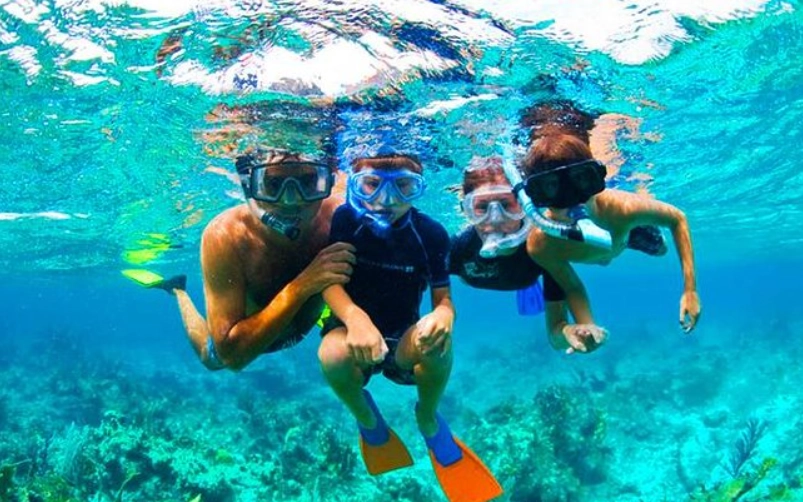
My own wake-up call happened at Half Moon Bay. The water was calm, visibility incredible. I got so absorbed following a school of blue tangs that I drifted far from shore without noticing. When I looked up, I was much farther out than intended, and a stiff current was making the swim back a real struggle. I was a strong swimmer, but the fatigue and mild panic were unforgettable. A buddy would have snapped me out of my fish-trance much earlier.
Where Can You Snorkel on Your Own in Roatan? A Spot-by-Spot Breakdown
Not all shorelines are created equal. Some spots are DIY paradise; others are a hard pass. Here’s my candid take on the most talked-about areas.
| Location | Access & Vibe | Snorkeling Quality | DIY Friendliness Rating | Key Notes & Cautions |
|---|---|---|---|---|
| West Bay Beach | Public beach, but dominated by resorts. Easy entry off the sand. | Exceptional. The reef is close, coral is healthy, fish life is abundant. | Medium-High | Boat traffic is EXTREMELY high. Use a float flag. Best snorkeling is to the right (west) towards the rocks. Can get crowded. |
| West End (Half Moon Bay & Around) | Mix of public areas, hotel beaches, and docks. Several public access points. | Very Good. Varied terrain with canyons and swim-throughs further out. | High | My top pick for independent explorers. More local vibe. Watch for currents near the point. Some of the best coral is a swim away. |
| Sandy Bay | Long stretch with some public areas and resorts. Generally quiet. | Good. Reef is a bit further out, requiring a longer swim. | Medium | Better for confident swimmers due to distance to reef. Less crowded, more relaxed. Check for sea grass patches. |
| Pristine Bay / Turquoise Bay (East End) | Mostly private resort areas. Public access is very limited. | Spectacular and less crowded. | Low | Unless you're a guest or pay for a day pass, access is tough. Not ideal for pure DIY snorkeling on your own. |
| Various Public Right-of-Ways | Unmarked paths along the main road, especially between West End and Sandy Bay. | Variable – can be surprisingly great! | Adventure-High | The ultimate DIY experience. No facilities. Reef quality varies. Essential to ask locals or other snorkelers for tips. Never leave valuables in your car. |
Finding those hidden public access points is like a treasure hunt. Look for worn paths, concrete stairs, or gaps in the wall along the road between West End and Sandy Bay. Sometimes there's a small sign, often not. If you see cars parked and people with gear heading down a path, that's a good clue. Always be respectful of the neighborhood.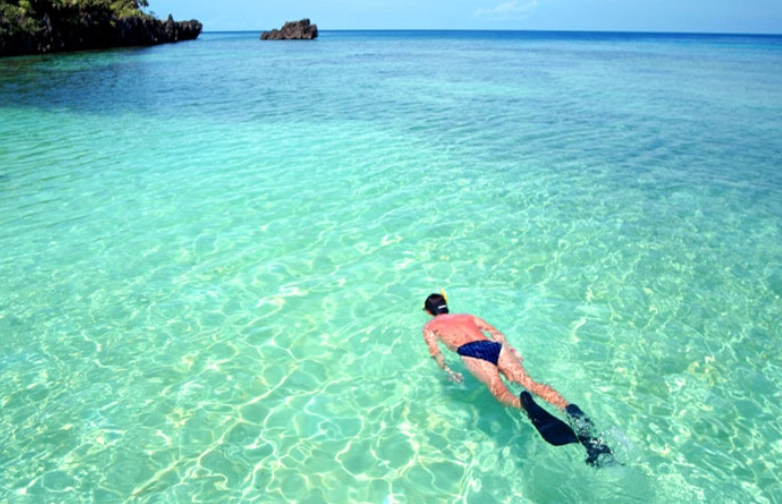
Gear Up Right for Independent Snorkeling
Your gear is your lifeline. For a guided tour, broken gear can be swapped. On your own, it ends your day.
- Mask & Snorkel: A leaky, foggy mask ruins everything. Invest in a decent mask that seals well on your face (no moustache gaps!). Test it in a pool or shallow water first. A dry-top snorkel prevents water intake when a wave hits.
- Fins: Proper open-heel fins with booties are better than full-foot fins for rocky entries. They give you power to fight a mild current.
- Flotation: Even if you're a great swimmer, a snorkel vest is smart. It conserves energy, increases visibility, and provides peace of mind. Inflatable ones pack small.
- The Essential Extras:
- Reef-Safe Sunscreen: Mandatory. Chemicals in regular sunscreen kill coral. Look for zinc oxide or titanium dioxide-based brands. Apply it well before entering the water.
- Water Shoes: For walking over rocky entries or hot sand.
- Waterproof Dry Bag: For your keys, phone, and wallet on the beach.
- GoPro or Waterproof Case: You'll want pictures.
Renting gear on the island is easy, but owning a mask that fits perfectly is a game-changer for independent snorkeling in Roatan.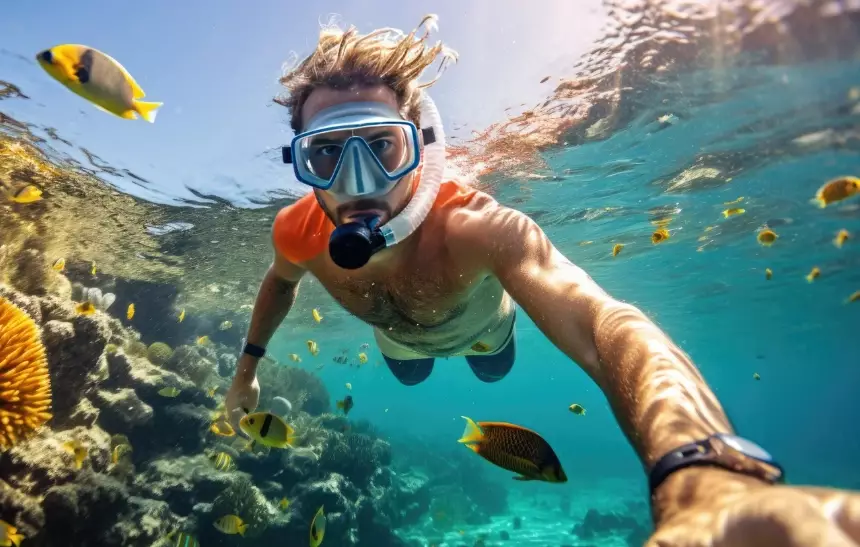
Your Action Plan: How to Have a Successful Solo Snorkel Day
Let's stitch this all together into a step-by-step plan for a perfect, safe day exploring on your own.
- Research & Pick Your Spot: Based on conditions (check wind forecasts on Windy.com) and your skill level, choose a location from the table above. Have a backup plan.
- Secure a Buddy: Do not skip this. Find someone to go with you.
- Pack Smart: Gear, water, snacks, towel, reef-safe sunscreen, dry bag.
- On Arrival, Scout: Don't just run in. Watch the water for 10 minutes. Where are people entering/exiting? How is the current (throw a leaf in)? Any boat lanes? Identify your entry/exit point and a safe swimming path parallel to shore.
- Set a Plan with Your Buddy: “We'll swim out to the reef edge, then drift left with the current for 20 minutes, then come back in near that big palm tree.” Establish hand signals.
- Enter Carefully: Use your water shoes. Walk backwards if it's rocky. Time your entry between waves.
- Snorkel Defensively: Look up every 30 seconds to check your position and for boats. Stay close to your buddy. Don't touch anything—coral cuts sting and you damage an ecosystem. The Honduras Tourism Board promotes responsible tourism, and this is a key part.
- Exit Before You're Tired: Fatigue leads to mistakes. Save some energy for the swim in and navigating the exit.
- Rinse & Review: Rinse your gear with fresh water. Debrief with your buddy. What went well? What would you do differently?
Answering Your Burning Questions (FAQ)
The Final Verdict: Should You Do It?
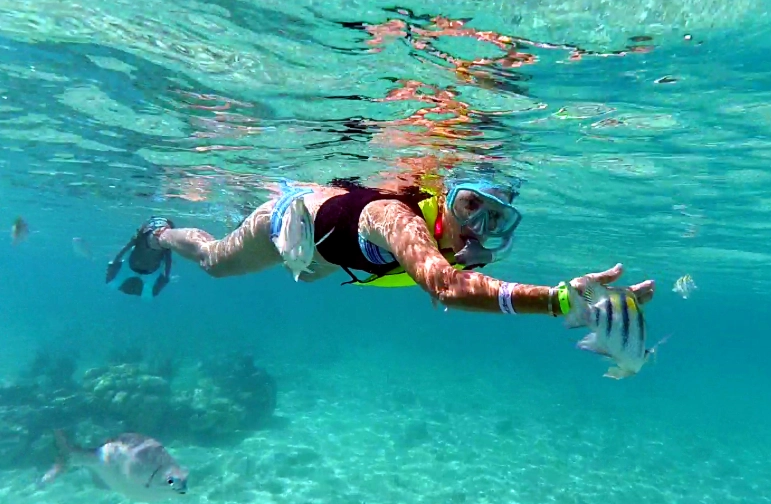
So, after all this, can you snorkel on your own in Roatan? The answer remains a qualified yes. It's one of the island's great joys.
If you are a competent, confident swimmer, you do your homework, you respect the ocean's power, and you absolutely use the buddy system, independent snorkeling can be the highlight of your trip. It offers a connection to the marine world that is personal and profound.
If you're a novice, traveling truly alone, or uncomfortable with managing your own risk in an unfamiliar environment, then book a guided tour with a reputable operator. You'll still see amazing things, learn a ton from the guide, and be perfectly safe. There's no shame in that at all. In fact, it's the smarter choice for many.
My advice? Mix it up. Do a guided boat tour to see the famous, deeper sites like Mary's Place. Then, on another day, grab a buddy, head to a public access point in West End, and have your own adventure. That combination gives you the best of both worlds: expert insight and personal freedom. That's how you truly experience Roatan's underwater magic.
The reef is a treasure. Whether you explore it independently or with a guide, the goal is the same: to have an unforgettable experience and leave it exactly as you found it, for the next snorkeler who asks, "can you snorkel on your own in Roatan?"
Reader Comments