I still cringe thinking about my first snorkeling trip in Hawaii. I wore my regular glasses under a cheap mask, and within minutes, everything turned into a smudgy, waterlogged mess. Fish shapes blurred together, coral looked like abstract art, and I spent more time wiping lenses than enjoying the sea. If you wear glasses, you know the struggle. But here's the good news: snorkeling with glasses isn't just possible—it can be as clear as your vision on land. After a decade of testing gear and coaching beginners, I've seen all the mistakes and found solutions that actually work. This guide cuts through the noise to give you practical, no-nonsense advice for seeing clearly underwater.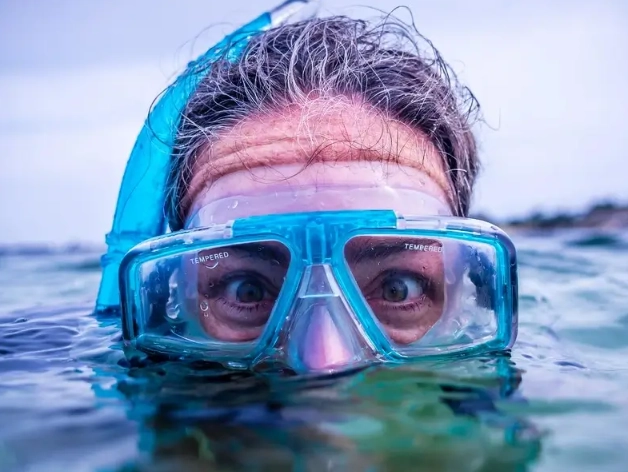
What You'll Find in This Guide
- The Vision Challenge: Why Glasses and Water Don't Mix
- Your Options: From Prescription Masks to DIY Hacks
- Choosing the Perfect Prescription Snorkel Mask: A Buyer's Guide
- Getting It Right: How to Use and Maintain Your Gear
- Pitfalls to Avoid: Lessons from a Decade of Snorkeling
- FAQs: Straight Answers to Your Top Questions
The Vision Challenge: Why Glasses and Water Don't Mix
Let's start with the obvious problem. Regular glasses don't fit under standard snorkel masks—they create gaps that let water in, fog up instantly, and can even break under pressure. Even if you jam them in, the distortion from the mask lens plus your glasses lens makes everything wonky. I've met people who gave up on snorkeling because of this, which is a shame. The ocean is full of detail, from tiny neon nudibranchs to intricate coral patterns, and blurry vision means missing out. According to the Professional Association of Diving Instructors (PADI), poor visibility is a top complaint among beginner snorkelers with vision issues. But it's not just about comfort; safety matters too. Clear vision helps you spot currents, avoid marine life, and communicate with buddies.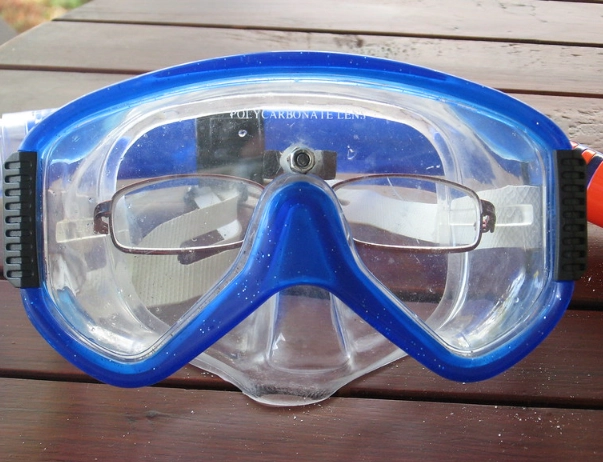
Your Options: From Prescription Masks to DIY Hacks
You have a few ways to tackle this. None are perfect for everyone, so I'll break them down based on my experience.
Prescription Snorkel Masks: The Gold Standard
These masks have corrective lenses bonded into the mask frame, tailored to your prescription. They're like underwater glasses. Brands like Cressi, TUSA, and Aqua Lung offer them. I used a Cressi model in the Maldives last year, and the clarity was stunning—no distortion, no fogging. But they're an investment, usually costing $150 to $300. You'll need to provide your prescription, including pupillary distance (PD), which many optometrists measure for free.
Mask Inserts or Adapters: A Flexible Alternative
These are plastic frames that hold your existing glasses lenses and attach inside a standard mask. Companies like Stick-On Optics or generic brands sell them. They're cheaper, around $50 to $100, and let you switch masks. However, I've found they can reduce peripheral vision and sometimes leak if not installed perfectly. A friend of mine had one pop off during a dive in Bali—not fun.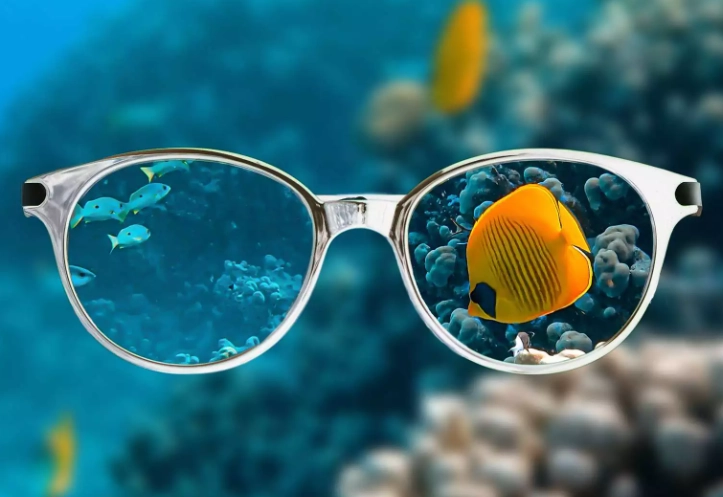
Contact Lenses: The Quick Fix
Many snorkelers use daily disposable contact lenses. They're convenient and don't require special gear. But there's a catch: if water gets in your eyes, contacts can wash out or cause infections. I've seen red-eyed snorkelers after a salty splash. The American Optometric Association advises against wearing contacts in water due to infection risks, so if you go this route, use dailies and consider wearing goggles over your mask for extra protection.
DIY Hacks: Risky but Possible
Some folks glue old glasses lenses into a mask with silicone. I tried this early on—it was a disaster. The alignment was off, and the glue failed after two uses. Unless you're a precision engineer, skip it. The risk of ruining a mask isn't worth the savings.
Pro Tip: Most snorkel shops in tourist spots like Cancun or Phuket rent prescription masks, but they often have limited prescriptions. Call ahead to check availability. I learned this the hard way in Key West when all they had was +1.0 diopter, and my prescription is -3.5.
Choosing the Perfect Prescription Snorkel Mask: A Buyer's Guide
If you're buying a prescription mask, don't just grab the first one you see. Here's what to look for, based on testing over 20 masks.
| Feature | Why It Matters | My Top Pick Example |
|---|---|---|
| Lens Material | Tempered glass is scratch-resistant and clear. Avoid plastic lenses—they warp easily. | Cressi Supernova Dry with tempered glass |
| Field of View | Wider views reduce tunnel vision. Look for masks with low-volume designs. | TUSA Freedom Elite offers 180-degree visibility |
| Prescription Accuracy | Ensure the seller accepts full prescriptions (sphere, cylinder, axis). Some skip astigmatism correction. | Aqua Lung Lookout allows custom astigmatism input |
| Comfort Fit | Skirt material should seal well without pressing too hard. Silicone is better than rubber. | Scubapro Synergy TruFit uses dual-density silicone |
| Price Range | Budget $200-$250 for a quality mask. Cheaper ones often have alignment issues. | Around $220 for a mid-range model |
When ordering online, sites like Snorkel Mart or Dive Gear Express have good reputations. Read reviews from other glasses-wearers—they often mention fit issues. I once bought a mask that promised "perfect vision" but the lenses were mounted crooked, giving me headaches. Return policies are crucial; aim for at least a 30-day window.
For those with mild prescriptions (under +/- 2.0), some masks come with pre-made corrective inserts. They're cheaper but less precise. My colleague swears by them for casual snorkeling in the Caribbean.
Getting It Right: How to Use and Maintain Your Gear
Buying the mask is half the battle. Using it properly makes all the difference.
Step 1: Test the Fit Before You Get Wet
Place the mask on your face without the strap. Inhale gently through your nose—it should stay suctioned to your face. If it falls, the seal is poor. I've seen people ignore this and end up with constant leaks. Check for gaps around the nose bridge; glasses-wearers often have narrower fits.
Step 2: Defog Like a Pro
New masks have a factory coating that fogs easily. Rub a tiny bit of toothpaste (non-gel) on the inside lenses, rinse, and repeat before first use. For daily defogging, use commercial defogger or baby shampoo. Spit works in a pinch, but it's gross and less effective. A buddy of mine uses potato juice—weird, but it works for him.
Step 3: Adjust the Strap Correctly
The strap should sit high on the back of your head, not low on the neck. Tighten just enough to seal, not to squeeze. Over-tightening is a common mistake that causes mask squeeze and headaches.
Maintenance Tips:
- Rinse with fresh water after each use to remove salt and sand.
- Store in a cool, dry place away from direct sunlight—UV rays can degrade silicone.
- Avoid touching the inside lenses; oils from your skin cause fogging.
I ruined a mask once by leaving it in a hot car; the skirt cracked within months. Now, I always pack it in a padded case.
Pitfalls to Avoid: Lessons from a Decade of Snorkeling
Here are subtle errors I've seen even experienced snorkelers make.
Ignoring Pupillary Distance (PD): When ordering prescription masks, PD is critical. If it's off by a few millimeters, your vision will be strained. Many online sellers don't emphasize this—measure it accurately with your optometrist.
Using Old Prescriptions: Your eyes change. If your prescription is over two years old, get an update. Snorkeling with an outdated script can cause eye fatigue. I did this once and wondered why everything looked slightly off; a new exam revealed my astigmatism had shifted.
Overlooking Anti-Reflective Coating: For snorkeling in bright tropical waters, consider adding anti-reflective coating to your prescription lenses. It reduces glare and improves contrast. It costs extra, but in places like the Great Barrier Reef, it's worth it.
Assuming All Masks Are Equal: Cheap prescription masks from unknown brands often use lower-quality lenses that distort at the edges. Stick to reputable brands recommended by sources like Scuba Diving Magazine.
One time, I guided a group in Thailand, and a participant had a generic mask that leaked constantly. We swapped it for a rental from a local dive shop, and her experience transformed instantly.
Reader Comments