Essential Gear Care Guide
- Why Bother? The Real Cost of Neglecting Your Snorkeling Kit
- The Golden Rule: Rinse, Rinse, and Rinse Again
- Your Step-by-Step Maintenance Guide for Each Piece of Kit
- The Great Cleaning Solution Debate: What Should You Use?
- Storage: Where Your Gear Lives Between Adventures
- Common Problems & Quick Fixes (The FAQ You Actually Need)
- Putting It All Together: The Lazy Person's Maintenance Checklist
- A Final Thought: It's an Investment
Let's be honest. After a fantastic day snorkeling, the last thing you want to do is meticulously clean your gear. You're tired, maybe a bit sun-kissed, and just want to collapse. I've been there. I've also been the person who tossed wet gear in a bag, left it in the trunk for a week, and then wondered why my mask smelled like a swamp monster and my snorkel had mysterious black spots. It was a gross and expensive lesson.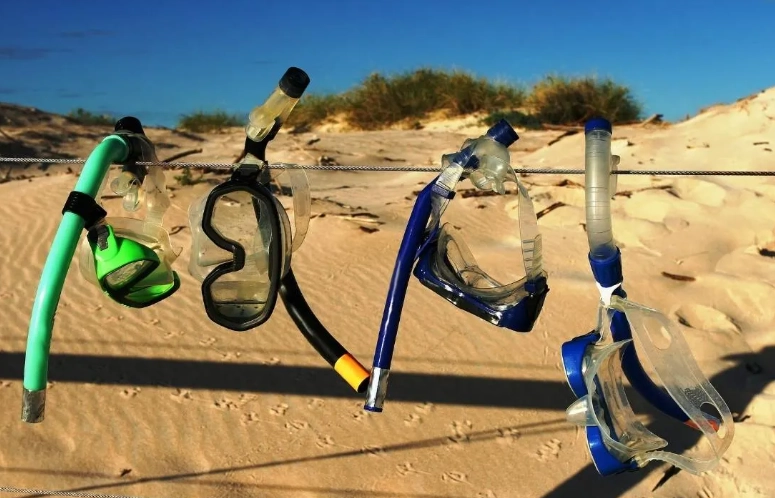
That's why I'm passionate about sharing real, practical snorkeling equipment maintenance tips. This isn't about being fussy. It's about making your gear last for years (saving you serious money), ensuring it's safe and comfortable to use, and honestly, just being more pleasant to deal with. Nobody wants to put their face in a musty mask.
Good maintenance is the difference between gear that fails you on a dream vacation and gear that's a reliable, trusted companion trip after trip.
Why Bother? The Real Cost of Neglecting Your Snorkeling Kit
You might think, "It's just a mask and snorkel, how complicated can it be?" I used to think that too. But saltwater, sun, sand, and bacteria are a brutal combination. Ignoring your gear leads to a few inevitable outcomes, and none of them are good.
First, premature wear and tear. Salt crystals are abrasive. Left to dry on silicone skirt seals, they make them brittle and prone to cracking. A cracked skirt means leaks, and a leaking mask ruins the whole experience. Sunlight (UV radiation) is the arch-nemesis of neoprene and many plastics, causing them to dry out, fade, and lose elasticity. Your fins become stiff, your wetsuit loses its stretch, and your mask strap turns to cardboard.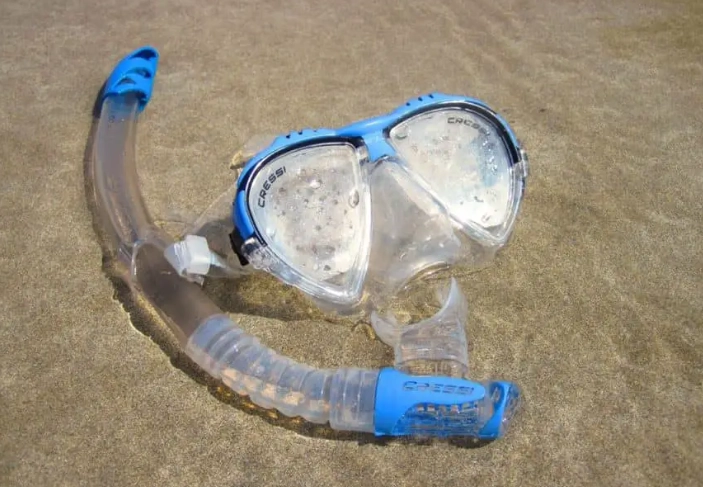
Second, health and hygiene issues. This is the big one for me. Your snorkeling equipment is in your mouth and on your face. A damp, dark bag is a paradise for mold, mildew, and bacteria. Breathing through a funky snorkel isn't just unpleasant; it can potentially cause respiratory irritation. Rashes from a poorly cleaned wetsuit? Also not fun.
Finally, performance failure. A foggy mask you can't clear because the anti-fog coating is ruined by sunscreen or improper cleaning. A purge valve on a snorkel that sticks because it's gummed up with debris. These small failures can turn a relaxing float into a frustrating struggle, especially for beginners.
So, where do you even start? It's simpler than you think if you follow a core routine.
The Golden Rule: Rinse, Rinse, and Rinse Again
If you only remember one thing from all these snorkeling equipment maintenance tips, let it be this: rinse everything thoroughly with fresh, cool water after every single use. I don't care if you're in a hurry. This is non-negotiable.
Why cool water? Hot water can damage the materials. You're trying to remove salt, chlorine, sand, and organic matter, not cook your gear.
Don't just dunk the whole bag. Take each piece out and rinse it individually. For your mask, run water over the lens, inside the skirt, and along the strap. For your snorkel, let water flow through the tube and over the mouthpiece, flexing the silicone flaps of the purge valve if it has one. Fins need water run over the foot pockets and the blades. Get all the nooks and crannies.
This single habit prevents about 80% of common gear problems. It's the foundation of all good snorkeling gear care.
Your Step-by-Step Maintenance Guide for Each Piece of Kit
Okay, beyond the rinse, each piece of equipment has its own little quirks. Let's break it down.
Taking Care of Your Mask (Your Window to the Underwater World)
A clear mask is everything. Foggy lenses are the top complaint for snorkelers. Here’s how to keep yours pristine.
Initial Cleaning (The First Thing You Do): New masks come with a thin protective film on the glass from manufacturing. If you don't remove it, it will fog incessantly. Use a tiny bit of non-abrasive toothpaste (the plain white kind, not gel) on your fingers and gently rub it on the inside of the lenses for a minute. Rinse extremely well. This lightly scours the film away. Some people swear by a lighter flame passed quickly over the glass (be careful!), but the toothpaste trick is safer and works great.
Daily Cleaning & Defogging: Never, ever use toothpaste after the initial clean. For daily defog, use a dedicated mask defog gel or the old-school spit method (it works because enzymes in saliva break down the surface tension). Rubbing a raw potato slice on the glass is another weird but effective trick. Avoid commercial sprays with harsh chemicals if you can.
What about the strap and skirt? Keep them away from sunscreen, insect repellent, and sharp objects. After rinsing, you can occasionally use a mild soap (like baby shampoo) diluted in water to wash the silicone, which keeps it supple. Rinse all soap off completely.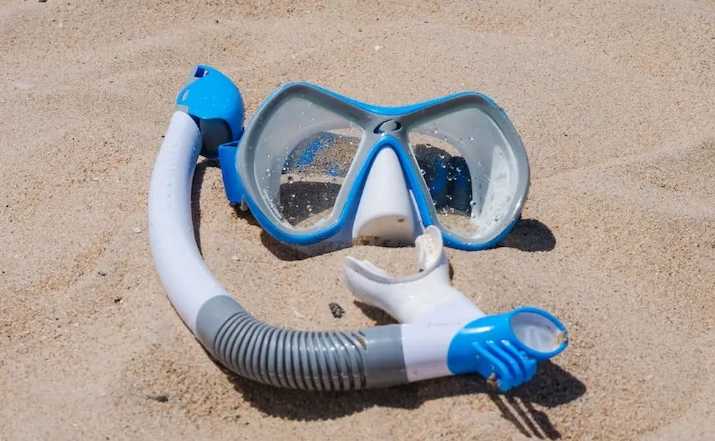
Snorkel TLC: Keeping Your Airway Clear
Your snorkel goes in your mouth. Keeping it clean is basic hygiene.
After rinsing, make sure any water has drained out. Shake it. Let it air dry with the mouthpiece facing down so residual water doesn't pool inside. If your snorkel has a flexible tube or a complex dry-top mechanism, pay extra attention to rinsing those moving parts.
Deep Cleaning: Every few trips, or if you notice a smell, give it a soak. A mixture of cool water and a few drops of antibacterial soap or a dedicated gear cleaner like McNett's MiraZyme works wonders. Submerge the whole snorkel for 15-30 minutes, then rinse thoroughly. For a natural option, a vinegar-water solution (1 part white vinegar to 3 parts water) can help kill mildew and neutralize odors. Rinse extra well after vinegar.
Inspect the mouthpiece for bites or tears. A damaged mouthpiece can be uncomfortable and harbor bacteria.
Fin Etiquette: More Than Just Kicking
Fins are tough, but they're not indestructible. Rinse sand and grit out of the foot pockets. Check the straps or bungees for signs of wear, stretching, or cracking. For full-foot fins, turn them inside out if possible to dry the interior completely to prevent mildew.
Store them flat or hanging by the heel strap. Don't leave them standing on their blades in the sun, as the weight can warp them over time.
The Wetsuit or Rash Guard Conundrum
Neoprene needs love. Salt and urine (let's be real, it happens) break down the material.
Immediate Rinse: As soon as you take it off, rinse it inside and out with cool fresh water. Turn it inside out to get the interior.
Proper Washing: Never, ever put a wetsuit in a washing machine or dryer. Hand wash it in a tub or large sink with cool water and a wetsuit-specific shampoo like those recommended by PADI. Regular detergent can strip the oils from the neoprene. Gently agitate it, then rinse until the water runs clear.
Drying: This is crucial. Hang it on a thick, padded hanger (a plastic wire hanger will create permanent shoulder bumps) in the shade, away from direct sunlight. Turn it right-side out after the inside is no longer dripping. Never use a clothes dryer, radiator, or hair dryer.
The Great Cleaning Solution Debate: What Should You Use?
Water is your first tool, but sometimes you need a little help. The market is full of products, and home remedies abound. Here’s a quick, honest comparison.
| Solution | Best For | Pros | Cons / Warnings |
|---|---|---|---|
| Fresh Water Rinse | After every use. Removing salt/sand. | Free, easy, prevents most issues. | Doesn't kill bacteria or remove stubborn odors. |
| Baby Shampoo (Diluted) | Gently cleaning silicone skirts, straps, mouthpieces. | Gentle, inexpensive, readily available. | Must be rinsed thoroughly. Not antibacterial. |
| Dedicated Gear Cleaner (e.g., MiraZyme) | Deep cleaning, killing mildew & bacteria, odor removal. | Highly effective, designed for gear materials. | Costs money. Another product to buy. |
| White Vinegar Solution (1:3 with water) | Disinfecting, removing light mildew, deodorizing. | Natural, cheap, effective. | Strong smell. Must be rinsed EXTREMELY well. Can degrade some materials if used too often. |
| Mild Dish Soap (Diluted) | A last resort for greasy residues. | Strong on grease. | Can be harsh on silicone/neoprene. Often contains degreasers and perfumes. Use sparingly and rinse forever. |
My personal go-to is a fresh water rinse after every trip, and then a soak in a mild MiraZyme solution every couple of months or before storing gear for a long time. It gives me peace of mind.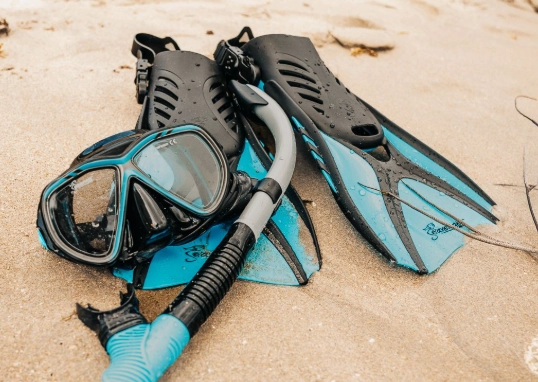
Storage: Where Your Gear Lives Between Adventures
How you store your gear is just as important as how you clean it. The goal is: cool, dry, dark, and relaxed.
- Dry Completely: I can't stress this enough. Every single piece must be completely dry before it goes into storage. Any moisture leads to mildew. Lay everything out in a well-ventilated area (not in direct sun) for a day or two.
- Loosen Up: Don't store your mask with the strap tightly fastened. This stretches the silicone. Store it loosely around the mask or detached. Don't store fins folded or under heavy weight.
- Bag Choice: A mesh gear bag is fantastic for storage because it allows air circulation. If you use a solid bag, leave it unzipped a little. Never store gear wet in a sealed bag or trunk – that's a science experiment you don't want.
- Location: A closet shelf is ideal. Avoid attics (too hot) and damp basements. Keep it away from direct sunlight, heaters, and chemicals like gasoline or pool supplies.
Think of it as putting your gear to bed. You want it to be comfortable so it's ready to go when you are.
Common Problems & Quick Fixes (The FAQ You Actually Need)
Putting It All Together: The Lazy Person's Maintenance Checklist
Look, I know this seems like a lot. So here's the absolute bare minimum routine to keep your gear functional and hygienic without turning it into a part-time job.
- At the site: Give everything a quick rinse in the shower or with a water bottle if available.
- At home (ASAP): Dump gear in a tub or shower. Rinse each piece with cool fresh water, focusing on inside surfaces and moving parts.
- Shake off excess water from snorkels and masks.
- Lay everything out on towels in a shaded, airy spot (a garage floor, balcony out of the sun).
- Once dry (next day): Loosely pack it in your mesh bag and store it in a closet.
For a more thorough monthly routine, add a soak in mild cleaner for the snorkel and mask, and a proper wash for the wetsuit if you used one.
A Final Thought: It's an Investment
Good snorkeling gear isn't always cheap. A decent mask, snorkel, and fin set can easily run over $150. That's an investment in your fun and your safety in the water. Spending 10 minutes caring for that investment after each use is a no-brainer. It extends the life of your gear, protects your health, and ensures every trip into the water is as good as the first one.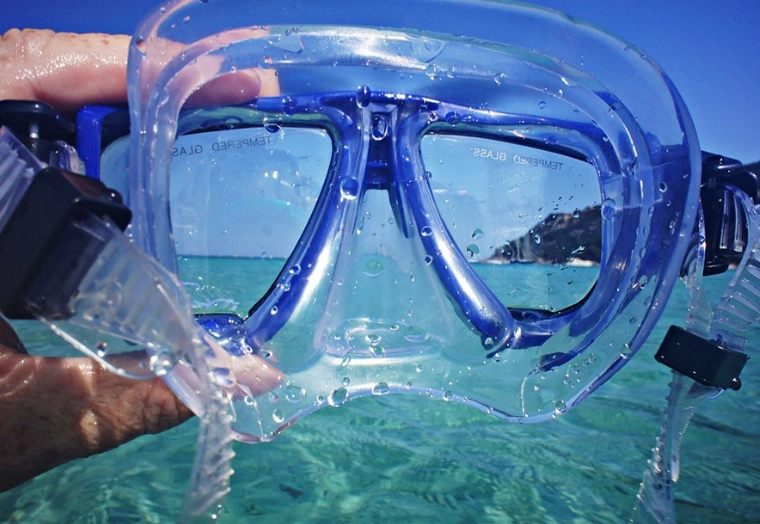
The best snorkeling equipment maintenance tips are the ones you actually do. Keep it simple, make it a habit, and your future self (and your wallet) will thank you when you grab your gear for your next ocean adventure and it's just... ready. No fuss, no smell, just fun.
And remember, organizations like PADI and NOAA emphasize not just enjoying the ocean, but protecting it. Properly maintaining your personal gear is part of that stewardship—it means you buy less, waste less, and are more prepared to enjoy the marine environment responsibly.
Reader Comments