Let's be honest. The biggest enemy of a perfect snorkeling trip isn't bad weather or rough seas. It's airline baggage allowances and a suitcase that never seems big enough. You dream of gliding over coral reefs, but the reality is you're stuck trying to jam your full-sized scuba fins next to your shoes, and it's just not working. That's where the right snorkeling fins for travel come in. They're not just smaller versions of regular fins; they're a different breed designed for a specific mission: to deliver great performance without wrecking your packing plans.
I learned this the hard way on a trip to Belize. I brought my trusty, powerful open-heel fins. They performed wonderfully in the water but were a nightmare to transport. They took up a third of my backpack, snagged on everything, and earned me a skeptical look from every airline check-in agent. Since then, I've tested dozens of pairs, from flimsy drugstore finds to high-tech compact models. The difference a purpose-built travel fin makes is staggering.
Your Quick Guide to Travel Fins
Why Travel Fins Are a Different Animal
You might think any fin will do. That's the first mistake. A travel snorkel fin is engineered with three non-negotiable priorities that often conflict with traditional fin design.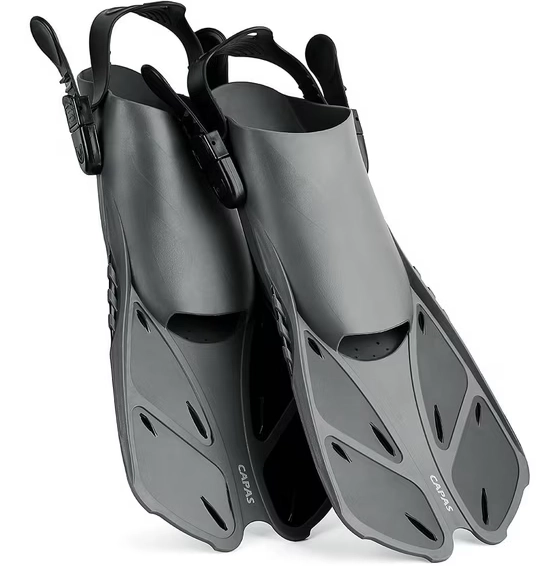
Portability is king. This means shorter blade length, often a split-fin or flexible channel design to maintain efficiency, and lighter materials. The goal is to fit in a carry-on or the corner of a checked bag without dominating the space.
Convenience is queen. Full-foot pockets (no separate booties needed) are the standard because they're simpler. They should be easy to slip on and off on a rocking boat. Many now come with a carrying bag or strap.
Performance cannot be sacrificed. This is the tricky balance. A stubby, rigid fin is portable but useless. The best travel fins use clever blade geometry and materials to compensate for shorter length, giving you enough thrust to fight a mild current or cover distance without exhausting your legs.
Ignore one of these, and you'll regret it. A fin that's small but weak will leave you frustrated. A fin that's powerful but bulky defeats the purpose.
How to Choose Travel Snorkel Fins: The 4-Step Checklist
Don't just buy the first "travel" fin you see. Work through this list.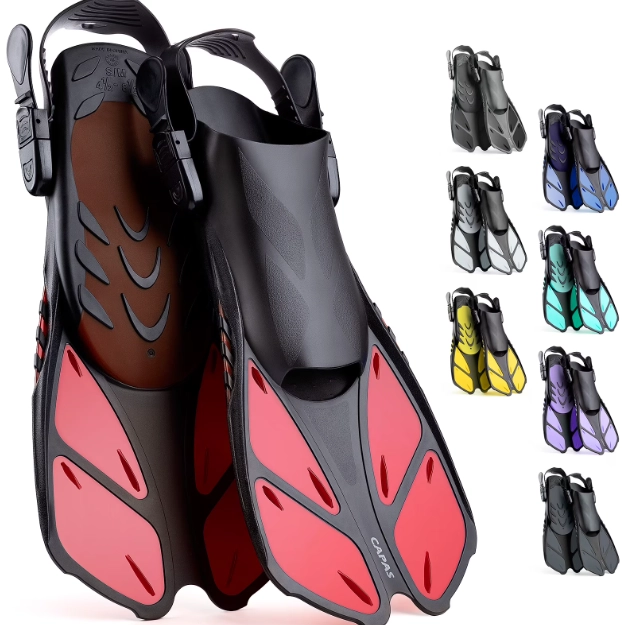
The Goldilocks Test: Fit is Everything
If you can, try fins on with the socks you'll snorkel in. Your heel should fit snugly in the pocket without your toes being painfully crunched. A little tightness when dry is normal—they'll give a bit in the water. Too loose, and you'll get blisters; too tight, and you'll cut your session short. Remember, sizes aren't universal. A size 9 from Brand A might fit like a 10 from Brand B.
First, assess your travel style. Are you a "one-bag" carry-on warrior or do you check a large suitcase? This determines your size tolerance. Carry-on travelers need fins under 20 inches long.
Second, be honest about your snorkeling. Are you a calm-water, float-and-look snorkeler, or do you like to actively explore coastlines and cover ground? The former can prioritize compactness; the latter needs more blade area and stiffness.
Third, consider the destinations. Fins for the bathtub-warm, calm waters of Bora Bora are different from fins you'd need in the cooler, sometimes choppier waters of the Galapagos. Warmer water often means no booties, so full-foot fins are perfect. Colder destinations might require neoprene socks, so you need a fin with a roomier foot pocket.
Fourth, set a budget and stick to it. You can find decent entry-level travel fins for $30-$50. The $80-$150 range gets you advanced materials (like monprene or composite blades) and refined designs that last for years.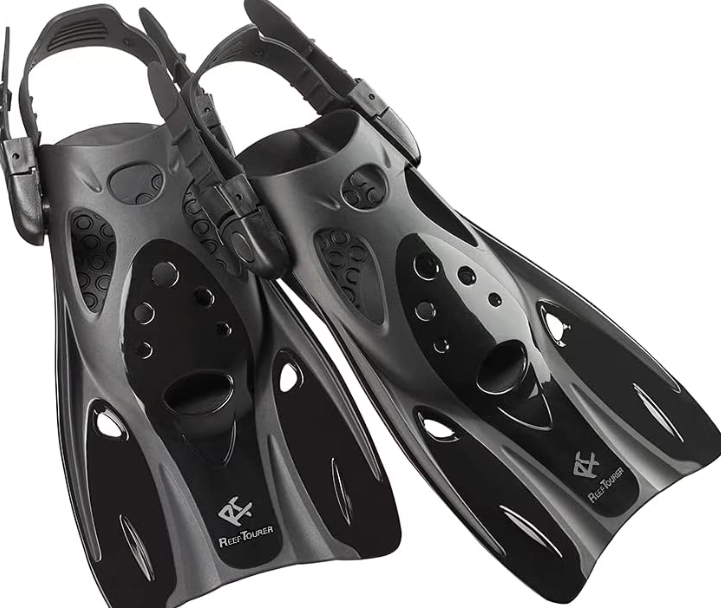
The Anatomy of a Great Travel Fin
Let's get technical. Knowing the parts helps you compare.
The Blade: This is the engine. Shorter blades (16-22 inches) are standard for travel. Look for features like channels or ridges that direct water flow for efficiency. Split fins (like those from Aqua Lung or Cressi) reduce leg strain and are great for casual snorkelers, though some purists argue they lack raw power for strong currents.
The Material: Avoid cheap, brittle plastic. Flexible yet responsive materials like thermoplastic rubber (TPR) or proprietary blends (like Cressi's Pro-Fit material) offer a good balance. High-end fins use composite materials or reinforced polymers for a snappier feel.
The Foot Pocket: This is where comfort lives. A soft, seamless interior is crucial. Some have anti-slip tread on the bottom for walking on boats—a small but brilliant feature. The opening should be wide enough for easy entry but secure around your instep.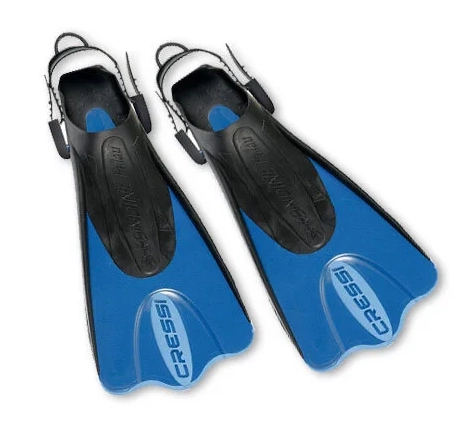
Breaking Down the Top Travel Fin Types
Here’s a direct comparison of the most common travel fin categories. This isn't about ranking brands, but understanding the design philosophy.
| Type | Best For... | Key Features | Trade-offs & Things to Know |
|---|---|---|---|
| Compact Full-Foot Fins (e.g., Cressi Palau Short, Mares Avanti Superchannel) |
Most travelers. Great balance of size and power. | Short blade (18-22"), full-foot pocket, often with drainage holes. The workhorse of travel fins. | Can be stiff at first. Break them in in a pool. Ensure the foot pocket is comfortable for long periods. |
| Ultra-Compact / "Pocket" Fins (e.g., Scubapro GO Travel Fin, TUSA Hyflex Switch) |
Carry-on only travelers, minimalists. | Extremely short (14-18"), very lightweight, often come with a bag. The Hyflex Switch can even be folded. | You sacrifice significant propulsion. Fine for drifting in calm lagoons, frustrating if you need to move efficiently. The "travel" promise is maximized, but performance is minimized. |
| Adjustable Strap (Open Heel) Travel Fins (e.g., Oceanic Accel, Mares Volo Race) |
Colder water snorkeling (with boots), divers who also snorkel, those with foot issues. | Open heel with adjustable strap, usually a shorter blade. Allow use of neoprene boots for warmth and protection. | Bulkier than full-foot fins. The boot adds to packing volume. Often a better choice for a dedicated "water sports" trip than a general vacation. |
| Split Fins (e.g., Aqua Lung Express, Cressi Frog Plus) |
Snorkelers who want ease on their legs and knees, less experienced swimmers. | The split blade design reduces drag and strain. Allows for a fast, easy flutter kick. | Not ideal for frog kicks or strong, direct thrust. Some find them "mushy." Try before you buy if possible, as the feel is unique. |
My personal go-to for most tropical trips is a compact full-foot fin like the Cressi Palau. It disappears in my luggage but never lets me down in the water. I reserve the ultra-compact fins for trips where I'm 95% sure the snorkeling will be from a beach right into a calm bay.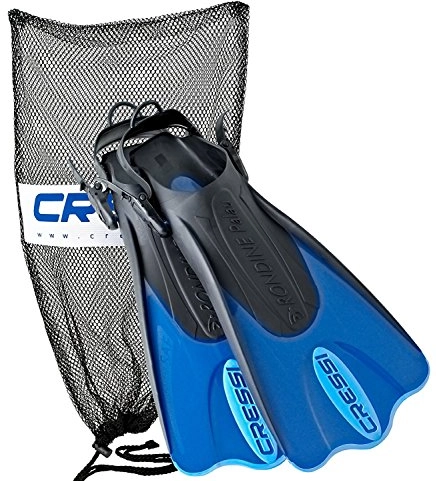
Packing and Caring for Your Travel Fins
A quick win. Pack your fins blade-to-blade, with the foot pockets facing outwards. Stuff your swimwear, rash guard, or socks inside the pockets—they're wasted space otherwise. This protects the blades and saves room.
Always rinse your fins with fresh water after use, especially if you've been in the ocean. Salt and sand degrade materials and can make foot pockets abrasive. Dry them in the shade, not in direct sunlight, which can cause cracking and fading.
If you're checking them, consider a simple mesh bag or the bag they came with. It keeps sand and dirt contained and makes them easier to handle.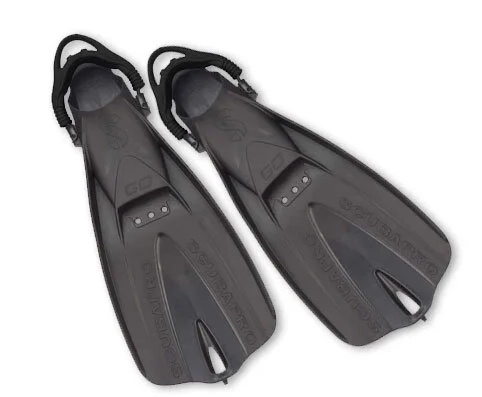
Reader Comments