What You’ll Learn
Let's be real for a second. There's nothing more frustrating than finally getting into that crystal-clear water, taking your first deep breath through the snorkel, and... your mask fogs up. Suddenly, the vibrant coral reef turns into a blurry, steamy mess. You're left fiddling with your mask, letting in water, and missing the whole show. It happens to everyone at least once. I remember my first time snorkeling in Thailand – I spent more time clearing my mask than looking at fish. Not ideal.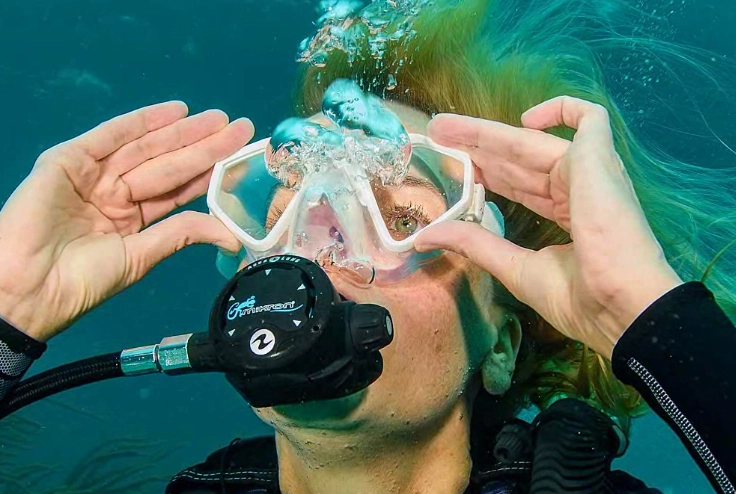
But here's the good news: learning how to keep a snorkel mask clear isn't some secret divemaster knowledge. It's a combination of simple science, good technique, and a bit of know-how. Whether you're a first-timer or a seasoned snorkeler who's never quite solved the fogging puzzle, this guide is for you. We're going to break down exactly why masks fog, and then walk through every single method—from the classic spit trick to professional-grade solutions—to give you a perfectly clear view, every single time.
Step 1: The Crucial Pre-Dive Preparation (The Foundation)
Most people fail at keeping their mask clear before they even get wet. They buy a new mask, maybe give it a quick rinse, and jump in. That's a guaranteed fog-fest. New masks come from the factory with a thin layer of silicone release agent or other chemicals on the inside of the lens. This layer is great for getting the mask out of the mold, but it's a magnet for condensation droplets. You must remove it.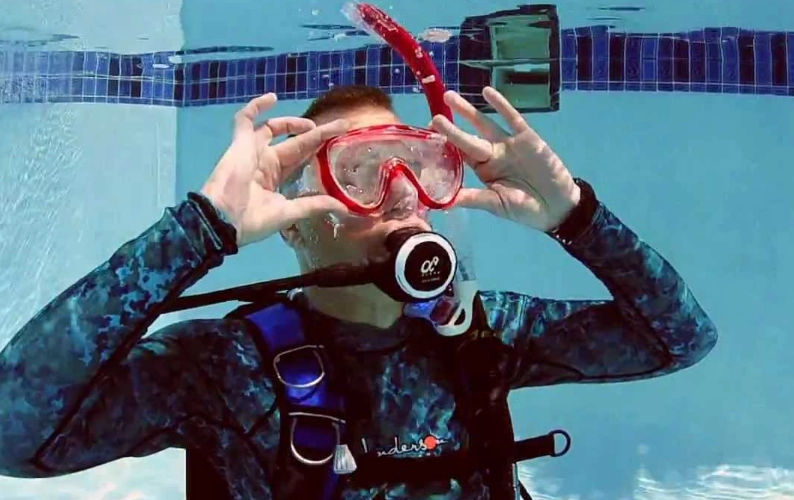
The Non-Negotiable: Cleaning a New Mask
This isn't a suggestion; it's a requirement. I've seen people try every fancy defogger in the world on a brand-new, un-cleaned mask and wonder why it doesn't work. Here's how to do it right:
- Toothpaste Method (The Classic): Use a small amount of plain, non-gel, non-whitening toothpaste (the abrasive kind is key). Rub it vigorously all over the inside of the lens—not just a dab in the center. Use your fingers for a good 2-3 minutes. You're not just spreading it; you're scrubbing. Then rinse it thoroughly with fresh water. Repeat this process 2-3 times. The mild abrasives in the toothpaste scrub off the factory film. Some people swear by baking soda paste for this too.
- Lighter Method (Use with Caution): Some pros carefully and quickly pass the flame of a lighter over the inside of the lens. The idea is to burn off the silicone layer. Honestly? I find this method risky. You can easily warp or scorch the lens or the skirt if you're not extremely careful. I don't recommend it for beginners, and it doesn't work on all mask materials. Stick with the toothpaste.
- Commercial Mask Prep Solutions: Products like McNett Sea Buff are designed specifically for this job. They work well and are foolproof, but they're an extra cost when toothpaste works perfectly fine.
Once you've done this initial scrub, your mask is now a “clean slate.” The glass is properly prepared to accept a real anti-fog treatment. This step alone solves about 30% of fogging complaints.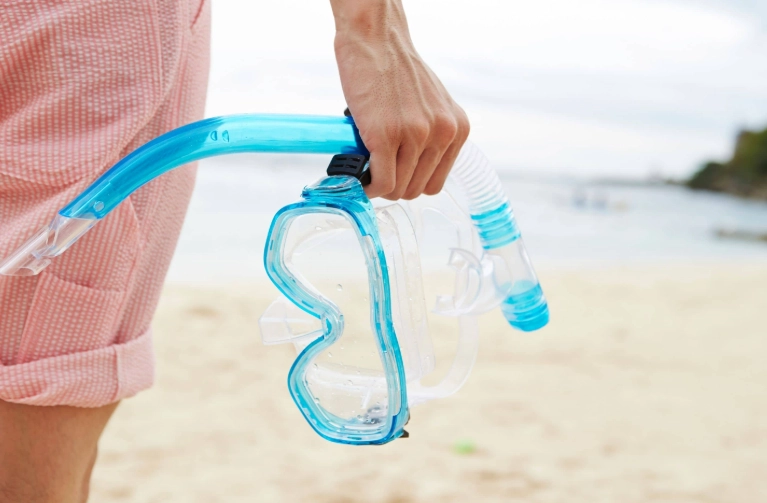
Step 2: Choosing and Applying Your Anti-Fog Weapon
This is the heart of the matter. After your mask is prepped, you need to apply something to the lens that prevents water droplets from beading up. There are several schools of thought here, and I've tried them all. Some are brilliant, some are okay, and some are just plain bad ideas.
| Method | How It Works | Effectiveness | Pros & Cons |
|---|---|---|---|
| Commercial Defogging Gel/Liquid (e.g., Sea Gold, McNett Sea Drops) | Creates a chemical surfactant layer that makes water sheet off instead of beading. | Excellent. Long-lasting, reliable. | Pros: Most reliable method. Often lasts a full dive/snorkel. Easy to apply. Cons: Cost. Must be rinsed per instructions or it can sting eyes. |
| Baby Shampoo (No-Tears Formula) | Same surfactant principle as commercial gels, but milder. | Very Good. The go-to DIY solution for many divers. | Pros: Cheap, readily available, gentle on eyes. Cons: May need re-application sooner than commercial gels. Can be runny. |
| The “Spit” Method | Saliva contains enzymes (mucins) that act as a natural surfactant. | Good to Very Good. The original field fix. | Pros: Always available, free, and surprisingly effective. Cons: Unhygienic if sharing masks. Can dry and become less effective. The “ick” factor for some. |
| Potato or Raw Potato | Rubbing the cut surface leaves a starchy film that disrupts droplet formation. | Fair to Good. A decent last-resort trick. | Pros: Natural, no chemicals. Cons: Messy, not very durable, can attract bacteria if not rinsed well. |
| Toothpaste (as Defogger) | Leaves a slight abrasive/residue film. | Poor. Don't do this. | Pros: None for this purpose. Cons: Can haze the lens over time. Ineffective compared to other methods. A common misconception. |
My personal go-to? A small bottle of commercial defogger gel. It just works, every time.
How to Apply Anti-Fog Like a Pro
It doesn't matter if you're using $20 gel or your own spit—the application technique matters.
- Apply to a Dry(ish) Lens: Shake or wipe excess water off the inside of your mask. It doesn't have to be bone-dry, but a sopping wet lens will dilute your defogger.
- Use a Small Amount: A drop or two of gel, a pea-sized amount of shampoo, or a good spit per lens is enough. More is not better—it will just create a smeary mess.
- Spread Evenly: Use your fingertip to rub the defogger over the entire interior surface of every lens. Get into the corners. Don't just plop it in the center.
- The Critical Rinse: This is the step everyone messes up. After spreading, you MUST give the inside of the mask a VERY brief, gentle slosh with water. The goal is to rinse off the excess surfactant, leaving behind a thin, invisible molecular layer on the glass. If you skip this rinse, the concentrated defogger will get in your eyes and sting. If you rinse too much, you wash it all off. Dunk it in, give it one quick shake underwater, and that's it. The water inside should look slightly sudsy or milky. That's perfect.
- Final Flood: Just before putting the mask on your face, fill it about one-third with water (from the ocean/lake you're snorkeling in). This keeps the treated surface humid and ready. When you're ready to put it on, simply tilt your head, let that water drain out the bottom, and seal the mask to your face. The lens is now primed.
Step 3: The Often-Ignored Factor – Fit and Seal
You can have the best defogging technique in the world, but if your mask doesn't fit your face, it will leak. And every time a trickle of cold water gets inside, it creates new temperature differences and stirs up the air, leading to... you guessed it, fog. Learning how to keep a snorkel mask clear is as much about keeping water out as it is about treating the lens.
How do you test fit? Place the mask on your face without putting the strap over your head. Gently inhale through your nose. The mask should suction to your face and stay there without you holding it, even when you let go and shake your head slightly. If it falls, it's not sealing. Try different models. Face shapes vary wildly—what fits your friend might not fit you. A proper seal should be along the entire skirt, not just the bridge of your nose.
Hair is a big culprit for leaks. Make sure no stray hairs are under the skirt of the mask, especially at the temples. For folks with mustaches, a little bit of silicone grease (sold as “mask seal”) on the mustache can help create a watertight seal without irritating the skin.
Step 4: In-Water Habits and Maintenance
Okay, you're in the water. Your mask is on, clear as day. How do you keep it that way for the next hour?
- Breathe Out Through Your Nose (Occasionally): This is a little scuba trick. Every now and then, gently exhale a small amount of air through your nose into the mask. This does two things: it adds a tiny bit of warm, dry air from your lungs (which have less moisture-saturated air), and it helps push any accumulating moisture out the bottom of the skirt. Don't blow hard, or you'll just flood the mask. Just a gentle puff.
- Avoid Taking the Mask Off: Every time you lift the mask off your forehead or take it off completely, you're letting in a big rush of new, moist air. Try to keep it sealed on your face for the duration of your snorkel. If you need to clear water, use the proper mask-clearing technique (press the top of the frame, look up, exhale through nose) instead of removing it.
- Rinse Immediately After Use: As soon as you're done for the day, rinse your mask thoroughly in fresh water, inside and out. Salt, sand, sunscreen, and sweat are abrasive and can degrade the silicone skirt and leave residues on the lens that will hinder future defogging. This is basic gear care, but it directly impacts your ability to keep it clear next time.
Step 5: Long-Term Care and Storage
How you treat your mask between trips determines its long-term performance. Never, ever store it in direct sunlight (like on a boat deck). UV rays break down silicone, making it brittle and less pliable, which ruins the seal. Don't throw it loose in a gear bag where the lens can get scratched. Rinse it with fresh water after every use, shake out the excess, and let it air dry in the shade. Store it in a protective box or case, with the strap relaxed (not stretched) and not pressing against the lens.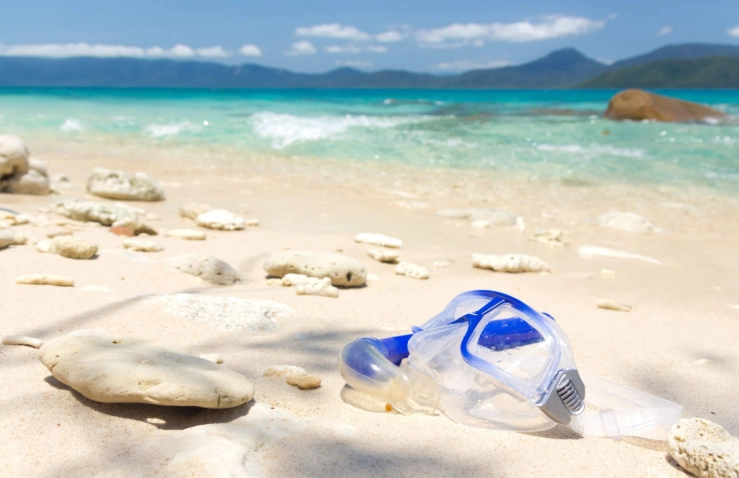
Every 10-15 uses, give it another light cleaning with toothpaste or a mask prep solution. This removes any built-up oils from your skin or old defogger residue that regular rinsing doesn't get. Think of it as a “reset.”
Look, at the end of the day, the science of how to keep a snorkel mask clear is straightforward. It's about preparation, application, and good habits. The biggest mistake is rushing or skipping steps. Take the two minutes before you get in the water to properly treat your mask. Ensure it fits. Once you get a rhythm down, it becomes second nature.
I'll leave you with this: the difference between a foggy, frustrating snorkel and a magical, immersive experience is often just this one piece of gear maintenance. When your view is perfectly clear, you forget about the mask entirely. You're just... there, floating with the turtles and the parrotfish. That's the goal. And it's absolutely achievable. Now you know exactly how to keep a snorkel mask clear, so get out there and enjoy the view.
For more detailed information on snorkeling safety and best practices, which of course includes having functional, clear gear, you can always refer to resources from established organizations like PADI (the Professional Association of Diving Instructors) or the Divers Alert Network (DAN), which provide guidelines that apply to snorkelers as well.
Reader Comments